
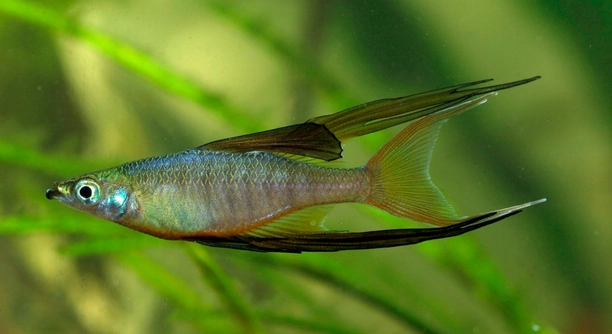
Are your Threadfin Rainbowfish swimming in a tank but struggling to thrive in their current environment? Many aquarists may not realize how water flow impacts these vibrant fish. Proper conditions are essential for their health and activity.
The ideal current speed for Threadfin Rainbowfish ranges from slow to moderate, approximately 0.1 to 0.3 meters per second. Maintaining this flow replicates their natural habitat, supports swimming behavior, and ensures optimal oxygenation without causing stress.
Understanding the right water flow can transform your aquarium, keeping your fish active, healthy, and vibrant over time.
Understanding Threadfin Rainbowfish Habitat
Threadfin Rainbowfish naturally inhabit slow-moving rivers, streams, and lakes in Australia and New Guinea. They prefer areas with gentle currents where they can swim without expending excessive energy. In aquariums, replicating these conditions is essential for their health. Too strong a current can cause stress, leading to erratic swimming, loss of appetite, and even weakened immune response. Gentle water movement also ensures proper oxygenation and helps maintain clean water by preventing stagnant areas. These fish are social and often swim in groups, so they need enough space to maneuver comfortably. Plants, rocks, and open swimming areas create a balanced environment. Mimicking their natural surroundings helps them display bright colors and active behavior. Observing their swimming patterns can indicate whether the current is suitable. When the water flow is just right, they glide effortlessly, explore their environment, and interact harmoniously with other fish. Careful monitoring and adjustments make the tank a comfortable habitat.
Proper water flow is essential to keep these fish stress-free and active in the aquarium.
Replicating a slow-to-moderate current allows Threadfin Rainbowfish to exhibit natural behaviors. It ensures they can navigate freely while feeding and socializing. Maintaining stable conditions supports growth and reduces the risk of disease. With plants and gentle filtration, the tank remains healthy, and the fish thrive.
Setting Up Ideal Tank Conditions
Maintaining consistent water temperature between 24°C and 28°C is critical for Threadfin Rainbowfish.
A suitable tank setup requires careful attention to water parameters, including pH, temperature, and flow rate. Providing slow-moving water with gentle filtration supports natural swimming patterns and prevents fatigue. A substrate of fine gravel or sand with scattered plants offers hiding spaces and swimming areas. Aquarists should avoid strong pumps or turbulent water that can cause stress. Grouping these fish with similar species ensures a peaceful environment. Regular water testing keeps pH around 6.5 to 7.5, while temperature stability reduces the risk of disease. Plants like Java fern and floating species help diffuse currents and create shaded areas. Proper lighting encourages normal activity without over-stressing the fish. Feeding them a varied diet of flakes, pellets, and occasional live food promotes health and coloration. Observing their behavior daily allows for small adjustments in current, ensuring they remain comfortable. With attention to these details, your aquarium can successfully mirror their natural habitat.
Adjusting Current Speed Gradually
Sudden changes in water flow can stress Threadfin Rainbowfish. Adjust the current slowly over several days to help them adapt without disrupting their swimming behavior or appetite.
Gradually increasing or decreasing the current allows the fish to acclimate safely. Start with minimal adjustments, observing their reactions carefully. If they struggle to swim, hide excessively, or seem lethargic, slow down the changes. Using adjustable filters or flow controls helps maintain a stable environment. Plants and decorations can also diffuse strong currents, offering shelter and calmer areas. Patience during this process ensures the fish remain healthy while adapting to the new water movement.
Monitoring fish behavior during adjustments provides valuable insight. If they swim comfortably in the modified flow and feed normally, the current is suitable. Continuous observation helps prevent stress-related illnesses and promotes overall well-being. Maintaining this balance ensures Threadfin Rainbowfish remain active, colorful, and engaged with their surroundings, contributing to a lively, thriving aquarium ecosystem.
Tools for Measuring and Controlling Flow
Using a flow meter or observing floating objects can help gauge water speed accurately. Proper tools make adjustments precise and reliable.
Flow meters provide exact measurements of current speed, helping maintain the recommended 0.1 to 0.3 meters per second range. Without them, estimates may be inaccurate, potentially causing stress. Adjustable pumps and filters allow fine-tuning, ensuring the water movement matches the fish’s needs. Some aquarists use simple methods, like placing small leaves or ping-pong balls in the tank, to observe drift speed and flow patterns. Strategic placement of plants and rocks can naturally reduce strong currents, creating calmer swimming zones. Combining tools and observation allows for consistent and optimal water flow throughout the aquarium, keeping Threadfin Rainbowfish comfortable.
Recognizing Signs of Stress
Threadfin Rainbowfish may show stress through rapid gill movement, clamped fins, or hiding frequently. Noticing these signs early helps prevent long-term health issues.
Behavior changes, such as lethargy or loss of appetite, can indicate that the water current is too strong or inconsistent. Adjusting flow and providing calm areas supports recovery and reduces stress.
Ideal Tank Layout for Flow
Arrange plants, rocks, and open swimming areas to create gentle currents. Dense planting in some sections can break strong flow while keeping other areas open for active swimming. Proper layout allows Threadfin Rainbowfish to choose their preferred swimming zones, mimicking natural habitats.
Feeding in Moderate Currents
Provide food in calmer areas to prevent it from being swept away. This ensures all fish can eat without competition or stress.
FAQ
What is the recommended current speed for Threadfin Rainbowfish?
The ideal current speed ranges from 0.1 to 0.3 meters per second. This slow-to-moderate flow replicates their natural habitat, supports normal swimming behavior, and keeps them active without causing stress or fatigue.
Can Threadfin Rainbowfish handle strong currents?
No, strong currents can tire them quickly, lead to erratic swimming, and increase stress levels. Over time, this can reduce their appetite, weaken immunity, and make them more prone to disease. Gentle flow is always preferable.
How can I measure the current in my tank?
Flow meters provide precise readings, but simple methods like observing floating leaves or ping-pong balls can also help. Adjusting pump speed or using flow diffusers allows you to achieve a steady and suitable current.
Should I change the current gradually?
Yes. Sudden changes can shock the fish. Increase or decrease flow slowly over several days while observing behavior to ensure they adjust comfortably. Gradual adjustments reduce stress and promote better health.
Do tank decorations affect water flow?
Absolutely. Plants, rocks, and driftwood can break up strong currents, creating calmer swimming zones. Strategically placing decorations allows fish to choose areas for active swimming or resting.
How does current affect feeding?
Strong currents can sweep food away, making it difficult for fish to eat. Feeding in calmer areas ensures all fish can access food comfortably, reducing competition and stress.
Can Threadfin Rainbowfish live with other species in the same current?
Yes, but choose tank mates that prefer similar slow-to-moderate flow. Aggressive or fast-swimming species may create turbulence, making the environment stressful. Observing interactions and adjusting flow can help maintain harmony.
What happens if the current is too weak?
Too little flow can lead to stagnant water, poor oxygenation, and debris buildup. Fish may become less active, and water quality can decline. Gentle movement ensures healthy oxygen levels and prevents stagnation.
Are there signs my fish prefer a different flow?
Yes. If they constantly gather in one area, hide excessively, or struggle to swim, it indicates the current may be too strong or too weak. Adjusting flow and observing behavior helps find the optimal setting.
How often should I check the current?
Regular checks are important, especially after changing filters, pumps, or decorations. Weekly observation and adjustment help maintain consistent, suitable conditions for your Threadfin Rainbowfish.
Can plants help control current naturally?
Yes. Dense or floating plants slow water flow in certain areas, creating calmer zones for rest and feeding. Using plants strategically allows fish to select their preferred current without mechanical adjustments.
Is it necessary to use a high-tech flow system?
Not always. While advanced pumps and flow meters provide precision, simple adjustments with standard filters, diffusers, and careful observation are usually sufficient for maintaining the recommended current.
Do Threadfin Rainbowfish enjoy swimming against the current?
They benefit from gentle swimming exercise but cannot handle strong, continuous flow. Moderate currents encourage natural behavior, help maintain muscle tone, and prevent boredom without causing stress.
How do I balance current with oxygenation?
Adequate flow supports oxygen distribution but should remain moderate. Overly strong currents improve oxygen but stress fish. Gentle, consistent movement achieves both oxygenation and comfort, creating a healthy environment.
Can current speed impact coloration?
Yes. Fish in appropriate currents tend to display brighter, more vibrant colors. Stress from overly strong or stagnant currents can dull their appearance over time.
How do I maintain consistency in current?
Use adjustable filters or pumps, observe fish behavior regularly, and make small, gradual changes as needed. Decorations and plant placement can also stabilize flow naturally, keeping the environment steady.
What is the best way to start a new tank for Threadfin Rainbowfish?
Begin with slow flow and gradually increase to the recommended range. Include plants, open swimming areas, and hiding spots. Monitor behavior closely during the first few weeks to ensure comfort and health.
Can current influence breeding behavior?
Yes. Gentle currents mimic natural conditions, promoting normal social interactions and spawning activity. Too strong or too weak currents may disrupt breeding behavior and reduce egg viability.
Are there seasonal adjustments needed for current?
In indoor aquariums, seasonal changes are usually minimal. However, filter efficiency, water temperature, and evaporation may slightly affect flow, so periodic checks are helpful to maintain consistency.
What tools can help me monitor both current and water quality?
Flow meters, adjustable pumps, thermometers, and pH testers allow precise monitoring. Combining these tools ensures both optimal current and water parameters, supporting overall health and well-being of Threadfin Rainbowfish.
Final Thoughts
Maintaining the ideal current speed for Threadfin Rainbowfish is essential for their health and overall well-being. These fish thrive in slow-to-moderate currents, which replicate the gentle flow of their natural habitats. Keeping the current too strong can quickly exhaust them, causing stress and affecting their appetite. On the other hand, stagnant or very weak water can reduce oxygen levels and create areas of debris accumulation. Both extremes can negatively impact the fish’s behavior, coloration, and long-term health. By paying close attention to the current and adjusting it carefully, you provide an environment that allows the fish to swim naturally, explore the tank, and remain active throughout the day. Observing the fish’s behavior is often the best way to gauge whether the water flow is appropriate. When they swim comfortably, feed normally, and interact calmly with tank mates, it is a clear sign that the current is well-suited for them.
Proper tank setup is equally important in supporting the right flow conditions. Adding plants, rocks, and decorations not only enhances the aesthetic of the aquarium but also helps regulate water movement. Plants, in particular, create natural breaks in the flow, allowing fish to rest in calmer areas while still giving them space for active swimming. Floating plants or densely planted sections diffuse water currents, which is particularly helpful when using stronger filtration systems. Open swimming areas are just as necessary to give the fish freedom of movement. Maintaining stable water parameters, including temperature, pH, and oxygen levels, complements the correct current speed and ensures overall tank health. Together, these elements create a balanced environment that promotes natural behavior, reduces stress, and supports the vibrant coloration Threadfin Rainbowfish are known for. Small adjustments to tank layout or equipment can make a big difference in maintaining this balance.
Regular monitoring and adjustments are key to long-term success. Using flow meters, adjustable filters, and simple observation techniques ensures the water movement remains consistent over time. Gradual changes are always better than sudden ones, as abrupt shifts in current can stress the fish and lead to health issues. Paying attention to signs of stress, such as hiding, clamped fins, or changes in appetite, allows early intervention and helps maintain a healthy, comfortable habitat. Feeding in calmer areas and providing hiding spots ensures all fish can eat without competition and reduces unnecessary stress. By combining careful observation, proper tank setup, and consistent water flow, you create a stable environment where Threadfin Rainbowfish can thrive. Following these practices not only supports their physical health but also enhances their natural behaviors and interactions, making your aquarium a lively, balanced, and visually appealing habitat for these beautiful fish.
Word count: 407

Hello,
If you enjoy the content that we create, please consider saying a "Thank You!" by leaving a tip.
Every little bit helps us continue crafting quality advice that supports the health, happiness, and well-being of pets around the world, for pets of all shapes, sizes, and species.
We really appreciate the kindness and support that you show us!