
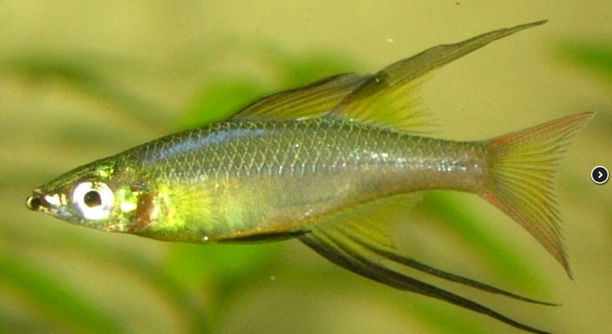
Are your Threadfin Rainbowfish looking unusually plump or lethargic after feeding time? Overfeeding is a common mistake that can affect their health and water quality. Watching portion sizes closely is essential for a thriving aquarium.
Overfeeding Threadfin Rainbowfish can lead to digestive issues, excess waste production, and poor water quality. Providing appropriate food amounts helps maintain their health, supports natural behavior, and prevents unnecessary strain on the aquarium ecosystem.
Observing their behavior and appearance closely will help you correct feeding habits and ensure a balanced, healthy environment for your fish.
Bloated or Swollen Abdomen
If your Threadfin Rainbowfish appear rounder than usual or have a noticeably swollen belly, overfeeding may be the cause. Consuming too much food in one sitting can overwhelm their digestive system, causing discomfort and bloating. This condition can make swimming more difficult and reduce their overall activity. Over time, constant overeating may lead to long-term health problems, including fatty liver disease and slower metabolism. Keeping portions small and consistent helps prevent these issues and keeps your fish moving naturally and energetically. Observing them after feeding allows you to adjust amounts as needed.
Bloated fish are more prone to disease and stress, so adjusting feeding habits is crucial for their well-being and the health of your aquarium.
Monitoring their abdomen size is simple. By feeding measured portions and removing uneaten food promptly, you can maintain their digestive health and avoid unnecessary strain on your fish. Consistency in feeding routines also supports better growth and behavior patterns.
Uneaten Food Accumulating
Uneaten food sinking to the bottom can indicate you are providing too much at once.
Excess food in the tank can quickly decompose, leading to higher ammonia and nitrate levels, which are harmful to your Threadfin Rainbowfish. This not only reduces water quality but also encourages algae growth and bacterial blooms. Removing leftover food promptly and feeding smaller amounts ensures cleaner water and healthier fish. Watching how quickly the fish consume food gives a clear indication of their appetite and helps prevent waste accumulation. Consistent feeding habits also reduce stress for both the fish and the caretaker.
Managing leftovers is important for tank hygiene. Feeding only what the fish can finish within a few minutes keeps water conditions stable and prevents unwanted health issues. By observing their eating speed and adjusting portions, you can maintain a cleaner environment. Over time, these small changes improve fish vitality, swimming behavior, and tank clarity. Proper feeding routines also make maintenance easier, allowing you to focus on observing your Threadfin Rainbowfish’s natural activity rather than constantly cleaning debris.
Lethargy and Reduced Activity
Overfed Threadfin Rainbowfish often swim less and seem tired soon after feeding. Excess food can make them feel heavy and slow.
Lethargy occurs because their digestive system is working overtime to process the extra food. Fish that are normally active may start lingering at the bottom or hiding more frequently. Reduced movement can also increase vulnerability to disease since immune response may weaken. Monitoring their swimming patterns after meals helps identify if overfeeding is affecting their energy. Adjusting portion sizes restores normal activity and encourages healthier behavior, keeping your fish lively and alert.
Keeping them active requires feeding only what they can consume quickly. When fish are given the right amount, they swim freely and explore their environment. Overfeeding disrupts this balance, leading to less interaction with other fish and fewer natural behaviors. A consistent feeding schedule allows your Threadfin Rainbowfish to remain energetic, healthy, and visually vibrant in the aquarium.
Cloudy or Dirty Water
Excess food that isn’t eaten can quickly cloud the water and increase waste buildup.
Uneaten food decomposes, raising ammonia and nitrate levels that harm fish health. Cloudy water reduces oxygen levels and encourages algae growth, making the tank environment unstable. Regularly removing leftover food and feeding in measured amounts helps prevent these issues. Healthy water clarity supports the fish’s natural colors and behavior while keeping tank maintenance manageable. Monitoring water quality after feeding is an easy way to detect overfeeding before it becomes a bigger problem.
Maintaining clear water relies on controlled feeding and proper filtration. Feeding small portions reduces waste accumulation and keeps the tank balanced. Water tests can track chemical levels, ensuring safe conditions. Consistent cleanup and observation prevent long-term health issues, allowing your Threadfin Rainbowfish to thrive. Adjusting feeding habits restores both water clarity and fish vitality, making the tank a cleaner, safer environment.
Rapid Weight Gain
Overfeeding can cause Threadfin Rainbowfish to gain weight quickly. This sudden increase stresses their internal organs.
Maintaining a balanced diet prevents excessive fat accumulation. Regularly monitoring their body shape helps you notice changes before health problems develop.
Foul Odor in the Tank
A strong, unpleasant smell often comes from leftover food and waste buildup. Overfeeding increases these residues, reducing water quality.
Swollen or Protruding Eyes
Excessive food can lead to internal pressure changes, causing the eyes to swell or bulge. This is a sign that dietary adjustments are needed to protect the fish’s health.
Uneven or Patchy Coloration
Threadfin Rainbowfish that are overfed may show dull or uneven colors. Feeding the correct portions helps maintain vibrant and consistent coloration throughout their bodies.
Continue the article with the following outline. Bold the questions. Do not write an intro for each header, get straight to the point. Do not use a greeting. Make it feel slightly personal. Write in a simplistic style.; Outline: ; FAQ (write at least 500 words); Note: Skip the intro, get straight to the point. The rest of the headers will be provided later, so do not write them yet. Skip the conclusion, and recap. Respect the given word count for every paragraph.
Final Thoughts
Overfeeding Threadfin Rainbowfish is a common mistake that can affect their health, behavior, and the overall condition of the aquarium. Small, consistent portions are much safer than large feedings, helping to prevent bloating, sluggishness, and digestive issues. By monitoring how much your fish eat in just a few minutes, you can quickly gauge whether the portion is appropriate. Observing their behavior after feeding is equally important. Active, energetic fish that swim freely and explore their environment are generally being fed correctly. Conversely, lethargic fish that hide or appear uncomfortable may be showing early signs of overfeeding. Maintaining a regular feeding schedule and removing uneaten food promptly also keeps the water clean, reducing stress and the likelihood of disease. Paying attention to both portion size and feeding frequency ensures that your fish receive the nutrients they need without overwhelming their system.
Water quality is directly influenced by feeding habits. Leftover food and excessive waste increase ammonia and nitrate levels, which can harm your fish and make the tank environment unstable. Regular water changes, combined with controlled feeding, help prevent these problems. Overfeeding can also promote algae growth, cloud the water, and make tank maintenance more time-consuming. By feeding only what your Threadfin Rainbowfish can consume quickly, you reduce waste and maintain clearer, healthier water. Filtration systems work more efficiently when the tank is not overloaded with uneaten food, and fish health improves as a result. Monitoring water parameters such as ammonia, nitrite, and nitrate levels provides an additional safeguard, allowing you to catch issues early before they become serious. Clean water supports natural behaviors, vibrant coloration, and long-term well-being, making the aquarium more enjoyable and easier to care for.
Consistency is the key to preventing overfeeding and maintaining a healthy environment for your Threadfin Rainbowfish. Keeping portions measured, observing behavior, and adjusting feeding routines as needed ensures that the fish remain active, healthy, and visually vibrant. Avoid giving in to repeated begging behavior, as this can easily lead to overfeeding and the associated health risks. Occasional fasting days can help regulate digestion and prevent weight gain, while using tools like automatic feeders ensures that feeding remains controlled, even during busy periods. Watching for signs such as bloating, lethargy, dull coloration, or leftover food helps you respond quickly and correct issues before they escalate. By combining observation, proper portioning, and water maintenance, you create an environment where your Threadfin Rainbowfish can thrive. These small, deliberate practices make a significant difference, allowing your fish to grow strong, display vibrant colors, and live in a balanced, healthy aquarium. Consistent care and mindful feeding are the foundations of a thriving fish tank.

Hello,
If you enjoy the content that we create, please consider saying a "Thank You!" by leaving a tip.
Every little bit helps us continue crafting quality advice that supports the health, happiness, and well-being of pets around the world, for pets of all shapes, sizes, and species.
We really appreciate the kindness and support that you show us!