
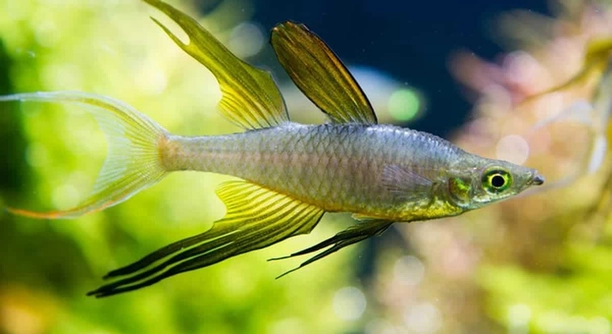
Do you ever notice threadfins gathering near each other, moving in sync, or lingering around certain areas more than usual? Observing these behaviors can reveal patterns in their social interactions and daily routines in the water.
Threadfins display social behavior in distinct ways, including schooling, synchronized swimming, sharing feeding areas, following one another, interacting with humans, responding collectively to threats, and engaging in playful movements. Recognizing these actions provides insight into their social structure.
Understanding these behaviors helps you better appreciate threadfins’ social tendencies and can improve your experience observing or caring for them in aquatic environments.
Schooling Together
Threadfins often form schools, moving together in coordinated patterns. This behavior is most noticeable when they are feeding or navigating through open water. By staying close, they reduce the risk of predators and increase efficiency in finding food. Watching them swim in unison can feel mesmerizing, as their movements appear almost choreographed. These formations also allow individual fish to conserve energy, relying on the group’s momentum. Even subtle shifts in direction are mirrored quickly across the school, showing a high level of social awareness.
Schooling provides safety, efficiency, and social interaction for threadfins. It is an essential part of their natural behavior and survival strategy in aquatic habitats.
When observing schooling, it is interesting to note how the fish adjust their positions relative to one another. They communicate subtly through body orientation and fin movements. This behavior reflects both instinct and learned responses, as younger threadfins often mimic older, experienced fish. Schooling is not only about protection but also about maintaining social bonds and hierarchy within the group. These patterns give insight into their social organization, highlighting the importance of collective behavior in their daily lives.
Feeding in Groups
Threadfins often feed together, gathering in small clusters around abundant food sources. This behavior allows them to take advantage of available resources while remaining alert to potential threats.
Group feeding encourages cooperation and sometimes competition, as fish jostle for the best positions. Sharing food areas strengthens social bonds and establishes pecking order within the school. Over time, threadfins may develop preferred partners for feeding, following those that consistently find high-quality food. Observing these interactions can reveal subtle hierarchies and behavioral patterns. For example, dominant fish may have priority access, while others learn to wait or adapt. Feeding in groups also allows younger or less experienced fish to learn from more skilled individuals. By watching how threadfins interact during feeding, it is possible to understand both their survival strategies and social dynamics. These moments highlight how communal activities are deeply embedded in their behavior, combining practical needs with social interaction.
Following One Another
Threadfins often follow each other during movement or while exploring new areas. This behavior helps them stay coordinated and aware of potential food sources or threats.
Following is not random; it reflects trust and social learning. Younger threadfins tend to follow older, more experienced individuals, picking up cues about safe routes and feeding spots. This behavior is vital for survival, as it reduces the likelihood of straying into dangerous areas. Following also reinforces social bonds, as repeated pairing builds familiarity between individuals. Observing this can reveal which fish are leaders and which ones rely on guidance.
This behavior also allows threadfins to maintain a sense of hierarchy within the group. Dominant fish often set the pace and direction, while others adjust their speed and position accordingly. Following behavior ensures that the school remains cohesive, especially during sudden changes in the environment. It also highlights their ability to learn socially, with less experienced fish gaining knowledge from repeated observation. Over time, these patterns shape group dynamics, making following a critical aspect of their social interactions.
Responding to Threats
Threadfins respond collectively to perceived threats, often moving in tight formations or scattering briefly. This reaction is crucial for survival, helping the group avoid predators efficiently.
When a threat is detected, fish communicate through rapid fin and body movements. The response is usually immediate, showing high situational awareness. These reactions are influenced by past experiences, as fish learn which movements signal danger. The group’s cohesion during threats ensures that individual members are less likely to be targeted. Responses can vary depending on predator type, water conditions, and the school’s size.
Such coordinated reactions reflect both instinct and learned behavior. Individual threadfins recognize signals from peers and adjust accordingly, showing strong social awareness. Over time, repeated exposure to threats fine-tunes these responses, creating a reliable system of collective defense. This behavior also highlights leadership dynamics, as certain fish often initiate the movement while others follow. Observing these patterns provides insight into the balance between individual instincts and group cooperation, emphasizing how survival and social interaction are closely linked.
Interacting with Humans
Threadfins sometimes approach humans calmly, showing curiosity without fear. They may follow movements in the water or respond to gentle gestures, demonstrating a level of social awareness.
This interaction is usually cautious and deliberate. Fish assess potential threats or benefits before engaging, reflecting learning from repeated exposure to humans.
Synchronized Swimming
Threadfins often swim in synchronized patterns, aligning their movements closely with nearby fish. This coordination helps maintain school cohesion, especially during feeding or evading predators. By matching speed and direction, the group reduces energy expenditure and increases safety. Synchronized swimming is a clear sign of social organization and communication among individuals.
Playful Movements
Threadfins display playful behaviors like darting, circling, or chasing each other. These movements are not related to feeding or danger but help strengthen social bonds and agility. Playful activity also allows younger fish to practice coordination and social cues, contributing to overall group cohesion.
What makes threadfins more social than other fish?
Threadfins show social behaviors that are often more noticeable than other fish due to their schooling habits, synchronized swimming, and group feeding. They rely on each other for safety, learning, and maintaining cohesion, which makes their interactions more visible and consistent. Their sensitivity to movements and signals from nearby fish increases their social awareness.
How can I recognize schooling behavior in threadfins?
Schooling is evident when threadfins swim closely together in coordinated patterns. Look for fluid movements where each fish adjusts its speed and direction to match others. Sudden changes in direction or speed often ripple through the group quickly, showing a shared response.
Do threadfins always follow the same leaders?
Not always. Leadership can shift depending on experience, location, or access to food. Older or more experienced fish tend to guide younger individuals, especially in unfamiliar areas. Over time, these roles may rotate based on skill, confidence, or environmental conditions.
Why do threadfins feed in groups?
Group feeding increases efficiency and safety. By feeding together, threadfins can quickly locate food while staying alert to predators. Social feeding also helps establish hierarchy, as dominant fish take preferred spots while others adapt and learn from observing these interactions.
How do threadfins react to threats?
When sensing danger, threadfins react collectively. They may tighten their formation, scatter briefly, or dart away in unison. Responses are guided by instinct and social learning, with fish communicating through fin and body movements to signal danger. Cohesion during threats reduces individual vulnerability.
What role does following behavior play?
Following helps threadfins learn from each other. Younger or less experienced fish often follow older, skilled individuals to navigate safely, find food, and avoid predators. This behavior strengthens social bonds and ensures group cohesion, making the school more resilient in challenging situations.
Are playful movements important for threadfins?
Yes, playful behavior supports social learning, coordination, and agility. Darting, chasing, or circling is not about survival but helps fish practice interactions, refine swimming skills, and build trust with nearby fish. Play also provides insight into their social structure and energy levels.
Do threadfins respond to humans in meaningful ways?
Threadfins can respond cautiously to human presence. They may approach slowly, follow movements, or observe gestures. These interactions are usually deliberate, reflecting learned experiences and curiosity. While they maintain caution, repeated exposure can make them more comfortable around humans.
How can observing threadfins improve understanding of their behavior?
Watching threadfins in groups reveals their social hierarchy, learning patterns, and coordination skills. Observations of schooling, feeding, following, and playful movements help identify leaders, recognize bonds, and understand responses to threats. Careful attention to these behaviors provides insight into both individual and group dynamics.
Do threadfins show preferences for certain companions?
Yes, repeated interactions can create preferred pairings. Fish may follow or swim alongside specific individuals, especially those that reliably lead or find food. These preferences highlight social bonds and recognition, demonstrating that threadfins are capable of distinguishing between members within the school.
What is the main takeaway about threadfin social behavior?
Threadfins rely heavily on social interaction for survival, learning, and coordination. Their schooling, feeding, following, and playful behaviors are all intertwined with group cohesion. Recognizing these patterns allows observers to better understand the complexity of their social lives and the importance of collective behavior in maintaining safety and efficiency.
This FAQ covers multiple aspects of threadfin social behavior, highlighting why these fish stand out for their interaction patterns, responsiveness, and group cohesion, offering valuable insight into their daily activities and survival strategies.
Threadfins are remarkable for their social behaviors, which are both instinctual and learned. Observing them in their natural environment reveals how closely they interact with one another. From schooling together to following more experienced fish, each action serves a purpose. These behaviors are not random; they help threadfins survive, locate food, and navigate safely. Social patterns, like synchronized swimming or group feeding, show how individuals rely on each other. Understanding these tendencies provides insight into their daily routines and the structure of their communities. Over time, these interactions shape both individual and group behaviors, highlighting the complexity of their social organization.
Another notable aspect of threadfin behavior is their responses to threats. When predators appear, their coordinated movements and quick reactions protect the group. Some fish take on leadership roles during these moments, guiding others while less experienced members adjust their positions. These actions demonstrate not only instinct but also learned social responses. Playful behaviors also contribute to their social cohesion, allowing younger fish to practice movement and coordination while strengthening bonds. Even interactions with humans can reveal their adaptability and cautious curiosity. By paying attention to these patterns, it becomes clear that threadfins maintain a balance between individual needs and the collective well-being of the school.
Observing threadfins closely encourages appreciation for the subtleties of aquatic life. Their behaviors, from feeding in groups to playful darting and circling, show how social interactions are essential to survival and development. By understanding their tendencies, one can better recognize leadership dynamics, learning behaviors, and group cohesion in practice. Social behavior in threadfins is multifaceted, combining instinct, experience, and interaction with peers. Recognizing these patterns can improve experiences in aquaculture, observation, or conservation efforts. Paying attention to their movements and interactions offers insight into both survival strategies and the intricate social structures that threadfins maintain every day.

Hello,
If you enjoy the content that we create, please consider saying a "Thank You!" by leaving a tip.
Every little bit helps us continue crafting quality advice that supports the health, happiness, and well-being of pets around the world, for pets of all shapes, sizes, and species.
We really appreciate the kindness and support that you show us!