
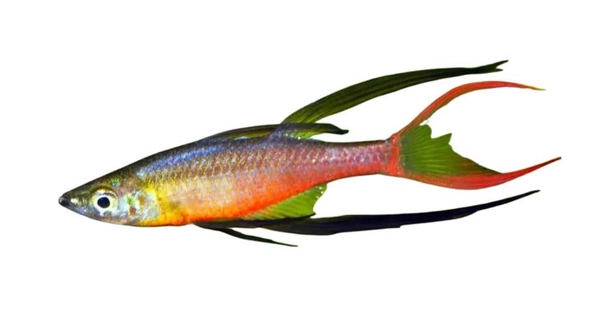
Do you ever notice your Threadfin Rainbowfish lingering near certain decorations or objects in your aquarium? These small, colorful fish often explore their surroundings, creating subtle patterns in how they interact with objects in their tank.
Threadfin Rainbowfish can show attachment-like behaviors toward specific objects, especially those that provide shelter or mimic natural elements. Such interactions are influenced by environmental enrichment, safety perception, and routine, rather than emotional attachment comparable to mammals.
Understanding these behaviors helps improve tank design and enrichment strategies, ensuring your rainbowfish remain healthy, active, and engaged in their aquatic environment.
Why Threadfin Rainbowfish Interact with Objects
Threadfin Rainbowfish often spend time near objects in their tank because these items provide security and a sense of structure. Rocks, plants, and artificial decorations give them places to hide when they feel threatened or stressed. They also use these objects as reference points to navigate their environment. Over time, fish may return to the same spot repeatedly, indicating a preference rather than random swimming. The movement patterns around these objects can be subtle, such as circling or resting nearby. Observing these behaviors helps aquarists understand the fish’s comfort levels and daily activity. Proper placement of objects can also reduce aggression among tank mates by providing multiple zones for territorial behavior. Aquariums that mimic natural habitats, with varied textures and hiding spots, support the rainbowfish’s well-being. Environmental enrichment promotes both mental stimulation and physical health, encouraging active swimming while preventing boredom. Consistent care routines make these behaviors easier to notice and interpret.
These interactions show that objects in the tank are not just decoration—they serve practical purposes for the fish’s behavior.
Careful observation of object-related behaviors can guide how you arrange your tank. Positioning plants and shelters strategically creates safer spaces and reduces stress-induced behaviors. Understanding these preferences improves the overall health and activity of your rainbowfish, ensuring they feel secure.
Signs Your Rainbowfish Are Attached to Certain Objects
Attachment-like behaviors are often subtle, such as lingering near the same item or repeatedly exploring a particular decoration. These actions reflect comfort and environmental familiarity rather than emotional bonding.
Fish demonstrate attachment by frequently revisiting a preferred object, hovering nearby during feeding, or using it as a resting point. For example, a cluster of plants or a small cave may become a favored area, where the fish feel protected and secure. Over time, they may integrate these objects into their daily routines, swimming past them in predictable patterns or returning after excursions. While this behavior is not emotional attachment in a mammalian sense, it is a reliable indicator of environmental preference. Aquarists can leverage these tendencies to design enriching tanks that meet the fish’s needs. Offering diverse objects in the tank allows multiple fish to establish preferred zones without competition, improving social dynamics and minimizing stress. Tracking these interactions can also reveal changes in behavior, signaling health or environmental issues that need attention.
How Environment Shapes Object Interaction
Objects that mimic natural habitats encourage Threadfin Rainbowfish to interact more actively. Plants, rocks, and shelters give them both security and stimulation. Fish tend to prefer spots where they feel safe, which reduces stress and promotes natural behaviors, such as exploring, hiding, or resting near these objects.
The placement of decorations influences swimming patterns and territorial behavior. When objects are arranged thoughtfully, fish can establish their own zones, reducing conflicts and stress. Rounded stones, leafy plants, and small caves create both visual interest and functional spaces. Over time, fish may consistently return to specific spots, showing their environmental preferences. Regularly observing these behaviors helps identify favorite areas, ensuring the tank is arranged to suit the fish’s comfort. Environmental enrichment not only encourages physical activity but also enhances mental well-being, keeping the fish engaged. Proper lighting and water flow around these objects further support healthy interactions, mimicking natural conditions.
Environmental complexity directly impacts social dynamics. Fish in enriched tanks display less aggression, increased exploration, and higher levels of activity. They interact with objects as part of their daily routines, which promotes a sense of security. Without appropriate environmental features, fish may exhibit stress behaviors, including hiding excessively or avoiding certain areas. A balanced setup considers the size of the tank, the number of fish, and object placement. Maintaining consistent tank conditions, such as stable temperature and clean water, enhances the effectiveness of these objects. By observing object interaction, aquarists can adjust the layout to support positive behaviors, improving overall fish health and tank harmony.
Tips to Encourage Positive Interaction
Provide multiple hiding spots and varied decorations to encourage natural exploration and reduce stress. Fish respond best when objects offer safety and novelty.
Introducing new objects gradually allows Threadfin Rainbowfish to investigate without fear. Use lightweight items that can be moved if needed, such as artificial plants or small caves. Reposition existing decorations occasionally to stimulate curiosity, but avoid drastic changes that can cause stress. Clean objects regularly to prevent algae buildup and maintain water quality. Observing how fish interact with each addition helps determine preferred objects and areas. Providing consistent feeding locations near objects can further encourage visits and repeated interaction, making these spots central to the fish’s daily activities. Gradual changes and careful monitoring enhance engagement while supporting mental and physical health, creating an environment that feels secure yet stimulating.
Rotating objects and introducing new textures fosters consistent interest. Fish may initially ignore unfamiliar items, but repeated exposure encourages interaction. Ensure objects are stable to prevent tipping or injury, and select materials safe for aquatic use. Monitoring behavior over time reveals which items are consistently used, offering insight into environmental preferences. By combining familiar and novel features, aquarists create dynamic spaces that keep Threadfin Rainbowfish active and confident. This approach also helps maintain balance among tank mates, minimizing competition for favorite spots. Regularly updating the tank’s layout encourages exploration while preserving comfort, ultimately supporting the fish’s long-term health and natural behaviors.
Recognizing Preferred Objects
Threadfin Rainbowfish often show consistent interest in certain objects. They may hover near a favorite plant, cave, or decoration, returning frequently throughout the day.
Repeated visits indicate comfort and preference. Observing which items attract attention helps identify safe and stimulating areas in the tank.
How Object Placement Affects Behavior
Proper placement of objects can reduce stress and encourage natural behavior. When decorations are spread evenly, fish have space to explore and establish territories. Crowded areas may lead to aggression or avoidance, while empty sections can feel unsafe. Strategic arrangement of hiding spots, plants, and rocks supports swimming patterns, social interaction, and overall activity. Fish use these objects to navigate and rest, forming predictable routines. Regularly observing their behavior allows adjustments, ensuring a balanced and enriched environment. Object placement plays a crucial role in promoting security, engagement, and the physical and mental well-being of Threadfin Rainbowfish.
Objects That Should Be Avoided
Sharp or unstable items can injure fish and disrupt behavior. Always prioritize safety when choosing decorations.
FAQ
Can Threadfin Rainbowfish form attachments to multiple objects?
Yes, Threadfin Rainbowfish can show interest in several objects at once. They often have favorite spots for hiding, resting, or exploring. Multiple objects provide options, reduce competition among tank mates, and encourage natural behaviors. Fish may rotate their attention between items depending on mood, feeding schedules, and environmental changes. This variety helps maintain engagement, ensuring fish remain active and mentally stimulated. Regularly observing which objects are favored can help guide tank arrangement and enrichment strategies. Offering both familiar and new objects allows fish to explore safely while maintaining a sense of security.
How do I know if my rainbowfish is stressed by an object?
Signs of stress include avoiding a particular decoration, hiding excessively, or erratic swimming patterns. Fish may also ignore feeding areas near the object or spend less time in previously favored spots. Stress can result from unstable items, overcrowding, or objects that do not mimic natural habitats. Monitoring behavior over time helps identify problem areas, allowing adjustments in object placement or removal if needed. Ensuring objects are smooth, safe, and strategically placed reduces stress. Stress-free fish are more likely to explore, interact, and maintain healthy routines.
Is it necessary to change objects frequently in the tank?
Frequent changes are not required but occasional rotation can stimulate exploration. Introducing new textures, shapes, or plants encourages curiosity and keeps the environment dynamic. Gradual adjustments prevent sudden stress while offering mental enrichment. Fish tend to return to familiar objects, so balancing consistency with novelty works best. Observing how fish respond to additions or rearrangements helps determine the right frequency. Even small changes, like moving a plant slightly, can renew interest without causing anxiety. Maintaining stable water conditions alongside these changes ensures that environmental enrichment does not negatively impact fish health.
Do rainbowfish prefer natural objects over artificial ones?
Threadfin Rainbowfish often respond positively to objects that mimic natural environments. Live plants, smooth rocks, and driftwood offer hiding spots and visual interest. Artificial decorations can work as well if they provide similar shelter and safety. The key is texture, stability, and placement rather than whether the item is natural or synthetic. Fish tend to interact more with objects that offer functional benefits like shelter or resting areas. Observing preferences allows aquarists to select items that meet both aesthetic goals and the fish’s behavioral needs. Balance between natural and artificial objects can create a stimulating and safe habitat.
Can object attachment affect social behavior in the tank?
Yes, preferred objects can influence interactions among fish. Having multiple hiding spots and areas to explore reduces territorial disputes and stress. Fish may establish zones around objects, which helps organize swimming patterns and minimize aggression. Overcrowding near a single favorite object can increase tension, so providing options is important. Observing these patterns enables aquarists to adjust layout and maintain harmony. Well-placed objects support both individual comfort and group dynamics, encouraging peaceful coexistence. Proper environmental design ensures that fish can engage naturally while maintaining social balance in the tank.
How can I encourage a rainbowfish to interact with a new object?
Introduce objects gradually and place them in familiar areas. Fish are more likely to investigate items that don’t disrupt their routine. Moving objects slowly, adding visual interest, or placing them near feeding zones can encourage interaction. Avoid sudden changes that may cause avoidance or stress. Regular observation helps identify whether the object is well-received. Over time, fish may adopt the new object as a favorite, integrating it into their daily swimming or resting patterns. Patience and consistency are key to encouraging engagement without compromising comfort.
Are there risks if fish become too attached to an object?
Attachment to a single object is generally harmless, but overreliance can indicate stress or lack of enrichment elsewhere. Fish that rarely explore or avoid other areas may require additional hiding spots or environmental stimulation. Limited engagement can impact physical activity and social behavior. Ensuring multiple objects and varied layouts promotes balanced interaction, keeping the fish active, curious, and healthy. Observing patterns over time allows aquarists to identify preferences without letting attachment hinder natural behaviors.
Final Thoughts
Threadfin Rainbowfish are small but thoughtful creatures whose behaviors reveal a lot about their comfort and environment. Observing how they interact with objects in the tank provides insight into their daily routines and preferences. These fish often return to specific decorations, plants, or hiding spots, showing consistent interest in areas that make them feel secure. Understanding these patterns can help aquarists provide a more enriching and balanced habitat. Proper placement of objects encourages natural swimming paths and resting areas, while reducing stress caused by overcrowding or lack of shelter. Objects that mimic natural habitats, whether live plants, rocks, or carefully selected artificial decorations, are most effective in promoting engagement. Over time, paying attention to these preferences allows for adjustments that support both mental and physical well-being, ensuring that the fish are not only healthy but also active and content in their environment.
Providing a variety of objects is important for maintaining healthy behavior. Multiple hiding spots, open swimming areas, and visually interesting decorations allow fish to explore safely without feeling threatened. Fish often use objects as reference points or resting zones, and having choices reduces competition among tank mates. Introducing new objects gradually can stimulate curiosity without causing stress, and small changes, like moving a plant slightly or adding a cave, can renew interest in the environment. Observing which objects are consistently favored provides useful information about preferences, allowing aquarists to create a tank that meets the fish’s needs. Maintaining stable water conditions, consistent feeding routines, and safe, smooth decorations further enhances comfort and encourages natural interaction. Attention to these details ensures that attachment to objects reflects comfort and environmental enrichment rather than stress or limited options.
Recognizing and supporting these behaviors strengthens the overall health of the tank ecosystem. When fish feel safe and engaged, they exhibit active swimming patterns, balanced social interactions, and reduced stress behaviors. Object interaction is a practical way to observe their comfort levels and adjust the tank setup to meet their needs. Over time, understanding these preferences can improve tank harmony, allowing multiple fish to coexist peacefully while engaging with different areas. By focusing on environmental enrichment, careful observation, and strategic placement of safe objects, aquarists can foster a stimulating habitat where Threadfin Rainbowfish thrive. These small but consistent interactions with objects provide insight into their daily life and well-being, making the tank a more comfortable and dynamic space for both the fish and those who care for them.

Hello,
If you enjoy the content that we create, please consider saying a "Thank You!" by leaving a tip.
Every little bit helps us continue crafting quality advice that supports the health, happiness, and well-being of pets around the world, for pets of all shapes, sizes, and species.
We really appreciate the kindness and support that you show us!