
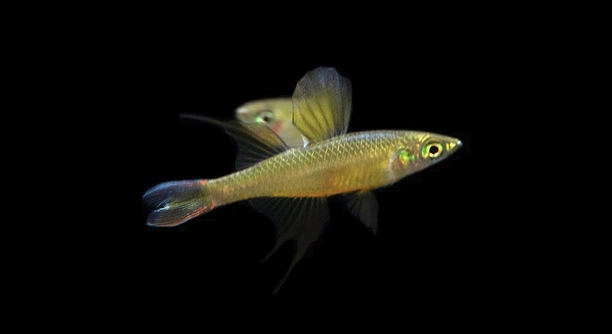
Have you ever noticed your threadfins acting differently when the aquarium lights are too bright? Sometimes, lighting can influence their comfort, behavior, and even how they interact with their surroundings in subtle ways.
When lighting is too intense, threadfins may retreat to shaded areas, reduce activity, or display stress-related behaviors. Prolonged exposure to bright light can also disrupt their natural rhythms, affecting feeding, coloration, and overall well-being within their aquatic environment.
Understanding how threadfins respond to light intensity can help you create a more balanced and calming habitat for these delicate fish.
How Lighting Affects Threadfin Behavior
Threadfins are sensitive to their surroundings, and lighting plays a major role in shaping how they behave and interact. When exposed to excessive brightness, they often swim near shaded regions or under plants for cover. Constant exposure to harsh light can make them more cautious and less active during the day. This reaction is their way of reducing stress and protecting their eyesight. Dim lighting helps them move freely, encouraging natural behaviors such as schooling and gentle feeding patterns. Maintaining a consistent light cycle supports their biological rhythm, preventing confusion and unnecessary tension in the aquarium.
Proper lighting balance not only keeps your threadfins comfortable but also promotes healthier behavior patterns. It helps them maintain color vibrancy, feed better, and interact naturally with their tank mates. Over time, you will notice more confident swimming and smoother movement throughout the tank.
When lighting remains consistent and properly adjusted, threadfins tend to develop stronger immune systems and display more vibrant scales. Their calm and rhythmic swimming patterns become a sign of comfort and adaptation. Overexposure to light, however, can reverse this stability, leading to irritability, loss of appetite, or hiding for long periods. By recreating the natural conditions they would experience in the wild, you help ensure their continued balance and vitality in the aquarium.
Creating the Ideal Lighting Environment
Threadfins thrive best in lighting that mimics their natural environment, typically soft and evenly diffused. Too much brightness can disturb their natural instincts, while very dim conditions might make them less active or reduce feeding responses.
To create the ideal lighting setup, focus on achieving a steady light cycle that resembles day and night patterns. Use LED lights with adjustable brightness to find a level that feels natural without overwhelming your fish. Threadfins appreciate shaded areas within the tank, so adding floating plants or decorative structures can help filter intense light. Aim for around ten to twelve hours of light each day, giving them enough time to rest in darkness. Avoid abrupt lighting changes, as sudden brightness or darkness can cause stress and confusion. Gradually dimming or brightening the lights supports their internal rhythm and keeps them relaxed. By maintaining this gentle balance, your threadfins will remain healthy, active, and visually stunning in their peaceful aquatic home.
Signs of Light Stress in Threadfins
When threadfins experience light stress, they often hide for long periods or swim nervously near shaded areas. Their colors may fade, and they might lose interest in feeding or interacting with other fish. These subtle changes signal discomfort caused by excessive brightness.
Threadfins exposed to harsh lighting may also show irregular swimming patterns, staying close to the tank bottom or darting suddenly when the lights turn on. Their fins may clamp tightly against their bodies, a common sign of unease. Long-term exposure to intense light can disrupt their sleep rhythm, leading to weakened immunity and slower growth. Observing these behaviors closely allows you to detect light-related stress early and make quick adjustments. Reducing light intensity or providing shaded zones can help them regain stability. Balanced lighting ensures they resume normal activity, feed properly, and maintain a healthy, vibrant appearance within their environment.
Sometimes, threadfins under light stress may display rapid gill movement, reflecting increased tension or oxygen imbalance. Over time, their appetite can decline, leading to noticeable weight loss or reduced body strength. They might also become more territorial, reacting aggressively toward other tank mates. These behaviors are their way of coping with discomfort rather than aggression itself. Adjusting the lighting intensity, adding floating plants, or reducing exposure time can make a big difference. When lighting becomes less intrusive, their stress levels decrease, and natural schooling behavior returns. Restoring this calm environment helps them rebuild confidence and maintain their usual activity patterns without constant hiding or agitation.
Adjusting Tank Setup for Comfort
A proper tank setup can greatly reduce the impact of intense lighting on threadfins. Adding floating plants or artificial decor helps create shaded spaces where they can retreat. Positioning the lights higher or using diffusers also softens brightness, creating a balanced and soothing environment.
Choosing adjustable lighting systems allows better control of brightness throughout the day. You can gradually increase light in the morning and reduce it toward evening to simulate natural patterns. Using timers ensures consistent exposure and prevents accidental overlighting. The placement of decorations also matters; broad-leaved plants help break direct beams, making the light less harsh. Background color plays a role too—light backgrounds reflect more light, while darker ones absorb some brightness, easing visual comfort. Together, these adjustments create a calm, stable environment that supports both physical health and behavioral balance, allowing threadfins to thrive peacefully in their illuminated aquatic home.
The Role of Natural Light
Natural light can be beneficial for threadfins when managed carefully. It supports their internal rhythm and enhances coloration, but too much exposure can cause stress. Tanks placed near windows should have sheer curtains or blinds to filter direct sunlight effectively.
Uncontrolled sunlight may lead to excessive algae growth and raise water temperature, both of which disturb threadfin comfort. Keeping tanks away from strong midday sun prevents overheating. A balanced mix of natural and artificial light ensures they receive enough brightness without discomfort, maintaining a calm and consistent environment throughout the day.
Importance of Consistent Light Cycles
Consistency in lighting is essential for threadfin health. Their behavior, appetite, and sleep patterns depend on a stable day-and-night rhythm. Sudden lighting changes confuse their biological clock, making them restless or inactive. Using timers helps maintain routine light exposure without constant adjustments.
A steady light cycle mirrors natural conditions and allows threadfins to anticipate feeding and rest times. This predictability lowers stress and improves overall vitality. Regular scheduling also supports plant health within the tank, which contributes to oxygen balance and visual shading. Together, these factors build a healthy, low-stress aquatic setting.
Recognizing Long-Term Effects
Over time, exposure to intense light without adjustments can weaken threadfins’ immune systems and shorten their lifespan. Consistent monitoring and balanced lighting choices help prevent these long-term issues, ensuring your fish stay vibrant, active, and comfortable in their habitat.
FAQ
Can bright light harm threadfins over time?
Yes, prolonged exposure to intense light can cause threadfins to experience chronic stress, which affects their health and behavior. When the lighting is too strong, they may lose color vibrancy, stop feeding normally, or become unusually timid. Over time, stress weakens their immune system, leaving them more prone to illness. Continuous bright exposure can also disrupt their natural day-night rhythm, making them restless during periods when they should be resting. To prevent long-term harm, use adjustable lighting and provide shaded zones or floating plants that help diffuse brightness. This balance encourages healthy activity and consistent feeding patterns.
How long should aquarium lights stay on each day?
Threadfins benefit from a lighting schedule that mimics natural daylight, usually around ten to twelve hours of light per day. This duration supports their internal rhythm, feeding patterns, and general comfort. Keeping the lights on for longer periods can lead to fatigue, stress, and excessive algae growth, which affects water quality. A simple timer helps regulate the light cycle automatically, maintaining consistency without the need for manual adjustments. Always ensure the fish have a clear dark period for rest, as uninterrupted lighting confuses their natural instincts and can interfere with normal behaviors over time.
What signs indicate that lighting is too bright?
Threadfins show clear behavioral cues when lighting becomes too intense. They may hide frequently, swim at lower tank levels, or stay close to shaded decorations. Their fins can appear clamped, and their coloration may dull slightly. Over time, they might eat less and move cautiously. These signals indicate discomfort or stress from overexposure. Adjusting the lighting to a lower intensity or reducing the exposure duration can quickly improve their mood and activity. Observing these subtle signs early helps prevent long-term health problems and restores their natural swimming behavior within days.
Is it necessary to turn aquarium lights off at night?
Yes, turning off aquarium lights at night is essential for threadfins’ well-being. Just like other living creatures, they need a clear dark phase to rest and regulate their energy. Constant exposure to light disrupts their biological rhythm, leading to confusion and restlessness. A consistent dark period helps maintain their immune strength and reduces the likelihood of erratic movement or aggression. Using automatic timers makes it easier to keep a reliable schedule. This simple adjustment promotes better sleep patterns and supports stable, healthy behavior over the long term.
Can direct sunlight replace artificial lighting?
Natural sunlight can provide a healthy light source, but it must be controlled carefully. Direct sunlight often increases tank temperature and encourages rapid algae growth, both of which can disturb threadfin comfort. If your tank receives sunlight, use curtains or blinds to diffuse it and prevent overheating. Artificial lighting remains important because it offers consistency and balance that natural light alone cannot guarantee. Combining both—soft natural light during the day and adjustable artificial light for consistency—gives the best results for maintaining their color, behavior, and overall comfort.
How can I reduce glare or harsh light in my aquarium?
There are simple ways to minimize glare without removing brightness completely. Adding floating plants or decorative objects helps break direct beams and provides shaded areas for the fish. Adjusting the angle or height of your lighting fixture also softens intensity. Diffusers or frosted covers on lights can spread illumination more evenly across the tank. Avoid reflective surfaces near the aquarium, as these can amplify brightness. These small adjustments make the environment more natural and reduce the likelihood of stress behaviors, keeping threadfins calm and active throughout the day.
Why do my threadfins lose color under strong light?
When threadfins experience intense lighting, they may lose color as a stress response. Their scales contain pigments that react to environmental changes, including light intensity. Harsh lighting can cause these pigments to fade temporarily, giving them a dull appearance. Once lighting levels are balanced and stable, their natural colors gradually return. Consistency in both brightness and duration helps maintain vibrancy. Over time, proper lighting encourages their hues to appear more defined and luminous, showing the full beauty of their scales without strain or fading.
What is the best light color for threadfins?
Soft white or full-spectrum lighting is ideal for threadfins. These tones closely resemble natural daylight and enhance their natural colors without overwhelming them. Blue-tinted lights can be used sparingly to create a calm evening effect, but excessive blue or red tones may cause stress or confusion. Full-spectrum LED lights with adjustable intensity provide the flexibility to simulate morning, afternoon, and evening lighting patterns. By maintaining a smooth transition throughout the day, threadfins remain relaxed, active, and visibly brighter in tone. Balanced lighting supports their comfort and allows you to enjoy their natural beauty safely.
Can lighting affect breeding behavior in threadfins?
Yes, consistent and moderate lighting can influence breeding behavior in threadfins. Proper light cycles encourage natural timing for courtship and spawning by maintaining hormonal balance. Too much light, however, can interrupt this process and cause the fish to hide instead of interacting. Keeping lighting gentle and steady during breeding seasons promotes trust and reduces stress. Some aquarists find success by slightly dimming the lights during spawning periods to mimic dusk-like conditions, which helps trigger natural responses. A balanced light schedule supports their reproductive rhythm and increases the likelihood of successful breeding in a stable environment.
Should I adjust lighting when introducing new threadfins?
When introducing new threadfins, it’s best to lower light intensity for the first few days. Dim lighting helps them adapt to their surroundings without feeling threatened. Sudden brightness can cause panic or disorientation. Once they start swimming freely and feeding comfortably, you can gradually increase the light to normal levels. Keeping the lighting soft during the adjustment phase builds confidence and helps reduce stress-related issues. This careful approach ensures a smoother transition and promotes a calm, balanced tank atmosphere for all threadfins.
Final Thoughts
Lighting plays an important role in shaping the comfort and health of threadfins. These delicate fish depend on stable light conditions to guide their daily routines, influence feeding, and maintain vibrant coloration. When lighting becomes too intense or inconsistent, their natural rhythm is disrupted, leading to visible signs of stress such as hiding, dull coloration, or irregular swimming behavior. The goal is to create an environment that mirrors their natural habitat—gentle light during the day and peaceful darkness at night. Proper lighting management does not require complex equipment or constant adjustments; it simply takes attention to consistency, balance, and awareness of how your fish respond to changes within their surroundings.
Providing shaded areas and using adjustable lighting systems are simple ways to reduce the impact of brightness on threadfins. Floating plants, rock structures, or decorative shelters allow them to retreat whenever the light feels overwhelming. Gradually dimming and brightening the aquarium lights prevents sudden shifts that may startle them. Equally important is maintaining a natural cycle, with ten to twelve hours of light followed by darkness. This balance supports their internal clock, encourages regular feeding, and improves overall health. Observing your fish closely helps you identify when the lighting feels right—when they swim freely, display bright scales, and interact normally, you know the environment is well adjusted. Threadfins thrive in stability, and consistent lighting creates that sense of calm they rely on for long-term wellness.
Understanding the relationship between light and behavior allows you to build a more peaceful and visually appealing aquarium. Lighting not only enhances the aesthetic beauty of the tank but also plays a direct role in your fish’s comfort. Harsh, unregulated light may make them uneasy, while balanced, natural illumination brings out their best qualities. It highlights their graceful movements, soft hues, and social patterns in a way that feels both soothing and natural. Caring for threadfins involves patience and gentle observation, and light control is one of the simplest yet most effective aspects of that care. By maintaining steady conditions, you provide more than just visual comfort—you create a secure space where they can flourish, display their true colors, and move gracefully without fear or stress. In the end, thoughtful lighting is not just about brightness; it is about balance, calmness, and respect for the natural rhythm that keeps these fish healthy and content.

Hello,
If you enjoy the content that we create, please consider saying a "Thank You!" by leaving a tip.
Every little bit helps us continue crafting quality advice that supports the health, happiness, and well-being of pets around the world, for pets of all shapes, sizes, and species.
We really appreciate the kindness and support that you show us!