
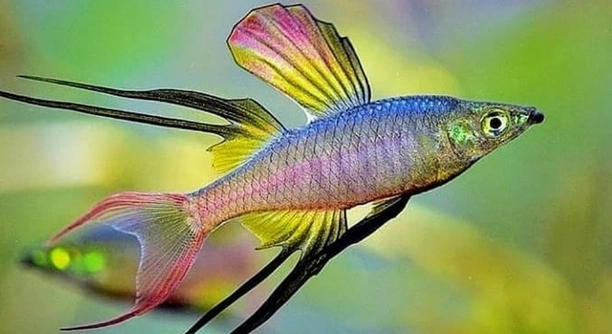
Some threadfin may choose to swim alone, drifting away from the group even in familiar waters. Their behavior can seem puzzling at first, yet it is often influenced by instinct, environment, or social dynamics within the school.
To encourage a lone threadfin to rejoin its group, consider adjusting water flow, checking temperature, and ensuring ample space. Observing social behavior, introducing gentle cues, and monitoring feeding routines can also promote reintegration safely and effectively.
Addressing these factors will help maintain harmony within the group and support the well-being of all threadfin in your care.
Understanding Why a Threadfin Stays Behind
Some threadfin naturally prefer solitude, even within a school. Differences in temperament, past experiences, or stress can make one hesitant to swim with the group. Observing their patterns is essential. Changes in water quality, temperature, or sudden movement may cause avoidance. Nutrition plays a role too. A fish that is not receiving enough food may focus on feeding alone instead of social interaction. Illness or discomfort can also make a threadfin linger near the bottom or edges. Subtle behavioral signs such as slowing down, isolating, or avoiding others indicate that the fish may need intervention. Creating a calm and stable environment encourages participation. Gentle movements, consistent feeding schedules, and monitoring the group’s behavior help identify any triggers. By addressing these factors, the solitary fish may gradually feel safer and more confident joining the group, improving social cohesion and overall health within the tank.
Observing the threadfin carefully helps you understand its specific needs and determine whether changes in environment or care are necessary.
Gradually introducing mild social cues, such as guiding the fish with gentle movements or offering food near the group, can foster integration. Avoid forcing interaction, as sudden attempts can increase stress and reinforce isolation. Patience is crucial. Over time, consistency in feeding and environment supports trust and encourages participation. Using visual barriers temporarily or adjusting flow can reduce pressure, giving the fish space to acclimate. Close monitoring ensures that signs of stress or illness are addressed promptly, promoting both safety and comfort. Small, steady adjustments often produce better results than dramatic changes, allowing the fish to engage naturally. Maintaining a peaceful environment and respecting individual differences ensures that all threadfin can coexist without conflict while minimizing stress for both the solitary fish and the group.
Using Environmental Adjustments
Adjusting water flow and tank layout can encourage a lone threadfin to swim with others without forcing interaction.
Flow patterns, hiding spots, and gentle lighting influence movement and comfort. Rearranging rocks or plants may create safer pathways for hesitant fish. Temperature consistency helps reduce stress. Observation ensures that adjustments are effective and non-disruptive.
Providing optimal environmental conditions can significantly impact a threadfin’s willingness to engage. Fish are sensitive to both physical and social surroundings. Rapid changes may create anxiety, while small, deliberate modifications often lead to gradual acceptance of the group. Positioning feeding areas strategically encourages the fish to move naturally toward others. Ensuring adequate space prevents crowding, which can deter participation. Using gentle water flow instead of strong currents allows the fish to explore at its own pace. Visual boundaries or partial dividers can give the fish a sense of security while observing the group. Regular monitoring of behavior helps determine if the changes are working. With patience and careful attention, environmental adjustments can foster inclusion, improve social interactions, and support the overall health of the threadfin and its companions.
Monitoring Health Closely
Physical health affects a threadfin’s willingness to swim with the group. Signs like faded color, sluggish movement, or unusual spots indicate possible illness. Prompt observation and care are essential to prevent further isolation or stress.
Regular health checks allow early detection of issues that may impact social behavior. Examining fins, eyes, and scales can reveal infections, parasites, or injuries. Nutrition plays a key role in resilience, so ensuring a balanced diet helps the fish recover strength. Stress from overcrowding or sudden changes can exacerbate health problems, making the fish more likely to avoid the group. By observing behavior alongside physical condition, adjustments in care routines can be made quickly. Isolating a sick fish temporarily, providing optimal water conditions, and maintaining consistent feeding helps restore health. Patience during recovery encourages the fish to gradually rejoin its companions once confidence and energy return.
Treatment should be gentle and consistent, avoiding sudden shifts that could increase stress. Maintaining stable water parameters and providing proper nutrition supports recovery.
Adjusting Social Dynamics
Interactions within the school can influence whether a threadfin participates. Dominant or aggressive behavior from others may push one fish aside. Managing group behavior improves cohesion and encourages reluctant fish to join.
Rebalancing social dynamics may involve temporarily separating overly assertive fish or redistributing hiding spaces. Observing interactions helps identify patterns of bullying or avoidance. Gentle guidance through feeding placement or controlled movement can help integrate the solitary fish gradually. Ensuring equal access to resources reduces competition and stress. Encouraging small, positive interactions over time strengthens social bonds. Visual cues and minor environmental adjustments can subtly influence movement without forcing engagement. Consistency is important; sudden changes can create anxiety and worsen isolation. Monitoring all fish during adjustments ensures that stress remains minimal and the overall group functions harmoniously.
By carefully managing interactions and maintaining a stable environment, social cohesion is supported. Gradual, thoughtful adjustments help each threadfin feel secure while encouraging natural participation in the group.
Gentle Encouragement
Offering small incentives can help a threadfin feel comfortable joining the group. Feeding near the others or placing favorite treats strategically encourages movement without forcing interaction.
Consistent routines signal safety. Repeated positive experiences gradually reduce hesitation. Over time, the fish begins to associate group activity with comfort and reward.
Observing Group Behavior
Watching how the group interacts provides insights into barriers for the isolated fish. Patterns of dominance, aggression, or avoidance can reveal why the threadfin stays behind. Adjusting group structure may help the lone fish feel included.
Maintaining Water Quality
Stable water parameters are crucial. Fluctuations in temperature, pH, or cleanliness can cause stress, discouraging a threadfin from joining the school. Monitoring and maintaining optimal conditions ensures comfort and promotes social participation.
FAQ
Why is my threadfin refusing to swim with the group?
A threadfin may avoid the group for several reasons. Health issues, stress, or minor injuries can make it hesitant. Environmental factors such as water flow, temperature, or overcrowding also affect behavior. Sometimes, the fish is simply more solitary by nature. Observing closely helps determine the cause.
How can I tell if my threadfin is stressed or sick?
Signs of stress or illness include faded coloration, sluggish movement, hiding excessively, clamped fins, or loss of appetite. Physical signs like spots, torn fins, or unusual swelling are also indicators. Monitoring behavior alongside physical appearance gives a clearer picture of overall health.
Can feeding habits influence social behavior?
Yes, feeding plays a significant role. If one fish struggles to access food, it may avoid the group to eat alone. Offering food near the group gradually encourages the fish to participate while reducing stress. Consistent feeding times improve routine and security.
Should I isolate my threadfin if it refuses to join the school?
Temporary isolation can help if the fish is sick or being harassed. Providing a separate space allows recovery and reduces stress. After stabilization, slow reintroduction into the group is recommended. Isolation should be brief and monitored closely to avoid prolonged social disruption.
How do environmental changes affect group participation?
Water parameters, flow patterns, and hiding spaces influence movement. Sudden changes can cause stress and reluctance to swim with others. Gradual adjustments, such as rearranging rocks or altering flow, help the fish feel more secure and encourage natural integration.
Can dominant fish prevent others from joining the group?
Yes, dominant or aggressive behavior can make a fish avoid interaction. Observing social hierarchy is important. Adjusting tank layout or temporarily separating dominant individuals can allow hesitant fish to rejoin safely. Encouraging positive interactions gradually helps the group function more harmoniously.
How long does it take for a solitary threadfin to rejoin the group?
The time varies depending on the fish’s personality, health, and environment. Some may integrate within days, while others take weeks. Patience, consistent care, and gentle encouragement are essential. Avoid rushing the process, as forcing interaction can increase stress and reinforce isolation.
Are there signs that indicate the threadfin is ready to rejoin?
Yes, signs include increased movement, curiosity toward the group, feeding near others, and reduced hiding. Gradual exploration of the group space and relaxed body language indicate comfort. Small steps show readiness before full participation.
Does water quality impact social behavior?
Absolutely. Fluctuations in temperature, pH, ammonia, or nitrites can stress fish. Stable, clean water is essential for comfort and encourages normal group activity. Regular monitoring and maintenance prevent behavioral issues caused by environmental stressors.
What role does patience play in reintegration?
Patience is key. Forcing interaction or making sudden changes can worsen avoidance. Gentle encouragement, observation, and small adjustments allow the fish to gain confidence. Over time, steady care supports both physical health and social participation, leading to better group cohesion.
Can multiple adjustments be made at the same time?
Yes, but changes should remain gradual. Combining environmental tweaks, feeding adjustments, and social observation can be effective if carefully monitored. Too many abrupt changes risk stress, so introduce adjustments step by step and observe how the fish responds.
Is it normal for some threadfin to prefer solitude?
Yes, individual differences exist. Not every threadfin will always swim with the group. Recognizing natural temperament is important. Providing a safe, calm environment allows these fish to participate at their own pace without feeling pressured, maintaining overall well-being and harmony.
How do I encourage long-term social behavior?
Maintain stable water conditions, consistent feeding, and balanced group dynamics. Monitor health regularly and intervene only when necessary. Gradual environmental adjustments and positive reinforcement support ongoing social participation while respecting individual differences within the school.
Can visual cues help the threadfin rejoin?
Yes, visual signals like gentle movement, feeding placement, or partial barriers can guide the fish without forcing it. Allowing observation from a safe distance helps reduce anxiety and promotes natural engagement with the group over time.
What if the threadfin continues to avoid the group despite efforts?
Some fish remain solitary due to temperament, health, or persistent environmental stress. Focus on providing a safe, comfortable space and consistent care. Occasional solitary behavior is acceptable as long as the fish remains healthy, active, and stress-free.
How important is monitoring the group overall?
Monitoring the entire group is critical. Changes in behavior, aggression, or health of other fish can affect the isolated individual. Observing interactions, feeding patterns, and movement ensures a balanced environment that supports both the group and the solitary fish.
Can small environmental changes prevent future avoidance?
Yes, small adjustments like stable flow, adequate hiding spots, and consistent lighting reduce stress. Maintaining a predictable, calm environment encourages participation and minimizes the chances of a fish isolating itself again in the future.
What are common mistakes to avoid when encouraging rejoining?
Avoid forcing interaction, making sudden changes, or neglecting health monitoring. Overcrowding or inconsistent feeding can increase stress. Gradual, consistent care and observation are essential for long-term success and comfort for all threadfin in the tank.
Does nutrition affect social behavior long-term?
Consistent, balanced nutrition strengthens health, energy, and confidence. Well-fed fish are more likely to explore, interact, and engage with the group. Poor diet can exacerbate stress and avoidance, making social participation more difficult.
Are there behavioral cues that predict reintegration?
Yes, increased swimming activity, curiosity near the group, and relaxed fin posture are positive signs. Small steps like approaching the group during feeding indicate readiness and willingness to participate in social behavior.
Can environmental enrichment help?
Adding plants, rocks, or structures can reduce stress and create safe pathways for exploration. Enrichment encourages movement, provides security, and supports positive interactions, helping a solitary threadfin integrate more comfortably over time.
Is it normal for a threadfin to switch between solitary and group behavior?
Yes, fish may alternate between joining the group and swimming alone depending on energy, mood, or environmental conditions. Observing patterns allows better care, ensuring both social participation and individual comfort are supported consistently.
How often should I reassess the threadfin’s behavior?
Regular daily observation is recommended. Note any changes in movement, interaction, feeding, or health. Consistent monitoring allows timely adjustments to environment, diet, or social management, helping maintain comfort and encouraging natural participation.
What is the key takeaway for integrating a solitary threadfin?
Patience, observation, consistent care, and gentle encouragement are essential. Respecting individual differences while maintaining stable conditions supports long-term health, comfort, and social engagement for all threadfin in the group.
How can I prevent isolation in the future?
Maintain a calm environment, monitor group behavior, provide balanced nutrition, and make gradual adjustments as needed. Ensuring safe spaces and predictable routines reduces stress and encourages ongoing group participation.
Are there situations where isolation is beneficial?
Temporary isolation is useful for illness, injury, or harassment from other fish. A controlled, safe environment allows recovery while minimizing stress. After stabilization, careful reintegration ensures both health and social cohesion are preserved.
Can observation alone encourage reintegration?
Observation is powerful. Watching behavior helps identify triggers, stressors, and opportunities for positive reinforcement. Understanding patterns allows for targeted interventions that support gradual, stress-free rejoining of the group over time.
How do I balance patience with active intervention?
Provide gentle encouragement while monitoring health and social interactions. Adjust environmental factors slowly and consistently. Avoid rushing, but intervene when clear issues like illness or aggression threaten well-being. Balance ensures comfort, safety, and effective reintegration.
Is it normal for some fish to remain partially isolated long-term?
Yes, some threadfin naturally prefer partial solitude. Maintaining stable, safe conditions allows them to participate when comfortable. Occasional isolation does not indicate failure if the fish remains healthy, active, and stress-free.
Can social reinforcement improve results?
Yes, encouraging positive interactions, consistent feeding near the group, and subtle cues can build confidence. Over time, reinforcement fosters comfort, reduces anxiety, and promotes voluntary participation in group activities.
How do I know if my efforts are working?
Signs of success include increased group swimming, reduced hiding, relaxed fins, and active feeding. Gradual engagement and repeated positive behavior indicate that the fish is gaining confidence and reintegration is progressing.
Should I consult a specialist if the threadfin continues avoiding the group?
If persistent avoidance is accompanied by health issues or extreme stress, consulting a fish care professional or veterinarian is recommended. Expert advice can help identify underlying problems and guide effective, safe interventions.
Can gentle lighting adjustments help?
Soft, consistent lighting can reduce stress and encourage movement. Avoid sudden brightness or darkness, as extreme changes may increase hesitation. Gradual light changes help the fish explore and integrate comfortably.
How important is consistency in care routines?
Consistency in feeding, water quality, and environmental management is critical. Predictable routines reduce stress and give the fish confidence to explore and engage socially over time, supporting both individual comfort and group cohesion.
Do older threadfin behave differently than younger ones?
Age can affect social tendencies. Older fish may be more cautious or less active, while younger fish may explore more readily. Understanding age-related behavior helps tailor interventions for smooth reintegration.
Can diet changes influence behavior quickly?
Balanced nutrition improves energy, immunity, and willingness to explore. While gradual changes are safest, improved diet often enhances vitality and confidence, supporting the fish’s ability to rejoin the group naturally.
What is the most important factor for long-term success?
Patience, observation, consistent care, and respect for individual temperament are essential. Combining these elements ensures a healthy, harmonious environment where all threadfin can thrive socially and physically.
How do I manage multiple solitary fish at once?
Observe each individually while maintaining overall group balance. Adjust feeding, space, and environmental factors carefully. Gradual, monitored integration allows multiple fish to rejoin safely without stress or conflict.
Can small positive reinforcements speed up reintegration?
Yes, rewarding proximity to the group with food or gentle cues encourages repeated engagement. Over time, this reinforces comfort and confidence, helping the fish participate more consistently in social behavior.
Is it normal for behavior to fluctuate even after reintegration?
Yes, occasional solitary behavior is natural. Energy levels, mood, or minor stressors may temporarily change behavior. As long as the fish remains healthy and active, fluctuations are expected and not a concern.
Should I document behavior changes?
Keeping notes on movement, feeding, and social interaction helps track progress, identify patterns, and plan interventions. Documentation ensures informed decisions and improves long-term outcomes for both individual fish and the group.
Are there environmental tools that help integration?
Rocks, plants, or gentle flow adjustments create safe spaces and pathways. These tools reduce stress, encourage exploration, and support gradual, comfortable integration of solitary fish into the group.
Can reintegration strategies differ by fish personality?
Yes, some fish are naturally bold while others are cautious. Tailoring approaches to individual temperament—such as feeding placement, flow adjustments, or visual cues—improves effectiveness and reduces stress during reintegration.
How often should I review care routines?
Regularly reviewing feeding schedules, water quality, and social dynamics ensures optimal conditions. Adjusting routines based on observation keeps fish healthy and encourages ongoing group participation.
Can visual observation alone indicate success?
Yes, watching behavior reveals comfort levels, readiness to interact, and progress toward reintegration. Subtle signs like relaxed fins, proximity to the group, and curiosity during feeding indicate improvement.
What are key mistakes to avoid long-term?
Avoid forcing interaction, abrupt environmental changes, neglecting health monitoring, or inconsistent routines. Patience, observation, and gradual interventions are critical for sustainable, stress-free reintegration.
How do I maintain a healthy social structure?
Monitor dominance, aggression, and resource access. Ensure equal space, feeding opportunities, and safe hiding areas. Small environmental adjustments and consistent routines help maintain balance and support all fish.
Can gentle cues replace forced interaction?
Yes, subtle cues such as food placement, gentle movement, or visual guidance encourage natural engagement without stress. Gradual reinforcement promotes confident participation in the group over time.
How do I ensure all fish thrive together?
Maintain stable water quality, balanced nutrition, consistent routines, and monitored social dynamics. Observe behavior closely and adjust slowly when needed to support harmony, health, and long-term group cohesion.
Is it normal for reintegration to take weeks?
Yes, each fish adjusts at its own pace. Slow, steady encouragement combined with patience and stable care leads to better results than forcing interaction, ensuring comfort and minimizing stress.
How can I track long-term progress effectively?
Document feeding behavior, swimming patterns, and social interactions. Notes on environmental changes and responses help identify successful strategies and guide future interventions for ongoing comfort and participation.
Are there signs that indicate full reintegration?
Active swimming with the group, relaxed body language, consistent feeding near others, and reduced hiding indicate successful reintegration. Observing repeated behavior confirms comfort and confidence in social interactions.
Can social reinforcement prevent future isolation?
Yes, maintaining balanced dynamics, providing safe spaces, and encouraging gentle interactions reduce stress and help prevent fish from becoming solitary again, promoting ongoing group cohesion and well-being.
Does water temperature play a big role?
Yes, consistent water temperature reduces stress and encourages movement. Sudden fluctuations can make a fish hesitant to join others, while stable conditions support confidence and regular social participation.
Are there any long-term strategies for preventing isolation?
Provide consistent care, monitor social dynamics, maintain stable water quality, and offer gentle environmental enrichment. Gradual, predictable routines encourage participation while respecting individual temperament and natural behavior patterns.
What is the overall takeaway from these FAQs?
Patience, observation, consistent care, and small positive interventions are key. Respecting individual differences while maintaining stable conditions supports health, confidence, and long-term social engagement.
How can I adapt strategies over time?
Monitor behavior, adjust routines gradually, and provide consistent reinforcement. Tailoring care to individual fish needs ensures comfort, confidence, and lasting integration with the group.
Can solitary behavior ever be completely eliminated?
Not always. Some fish naturally prefer partial solitude. The goal is to ensure comfort, health, and safe opportunities for participation rather than forcing constant interaction.
Are there visual signs of readiness to rejoin?
Yes, increased exploration, proximity to the group, relaxed fins, and participation in feeding are clear indicators. Gradual observation confirms readiness for full engagement.
How important is consistent monitoring for success?
Daily observation allows timely intervention, tracks progress, and ensures fish health and social integration. Consistency helps maintain a stable, low-stress environment for all fish.
Can environmental enrichment accelerate integration?
Yes, structures and visual cues reduce stress, encourage movement, and create safe pathways, supporting confident engagement and natural group participation over time.
What final steps ensure long-term harmony?
Maintain water quality, nutrition, safe spaces, consistent routines, and gentle encouragement. Monitoring behavior and adjusting slowly ensures sustained comfort, health, and social cohesion for all threadfin.
Are there any tools that simplify monitoring?
Timers, notes, and observation logs help track feeding, movement, and interactions. These tools ensure adjustments are informed, measured, and effective, supporting long-term well-being and integration.
Does fish temperament influence reintegration success?
Yes, bolder fish may integrate quickly, while cautious ones need gradual encouragement. Tailoring strategies to personality ensures better results and minimizes stress.
Can a threadfin ever fully prefer solitude despite efforts?
Yes, some fish naturally remain partially isolated. Ensuring a safe, comfortable environment allows them to participate voluntarily without pressure, maintaining health and confidence.
How do I balance group needs with individual care?
Observe interactions, provide equal resources, and adjust the environment gradually. Supporting individual comfort while maintaining overall group harmony ensures well-being for all fish.
Can small rewards improve long-term behavior?
Yes, positive reinforcement through food placement or gentle cues encourages repeated engagement and strengthens confidence, supporting consistent social participation over time.
Is gradual intervention always better than abrupt changes?
Yes, gradual adjustments reduce stress, encourage natural behavior, and increase the likelihood of successful reintegration compared to sudden changes, which can worsen avoidance.
How do I know when the threadfin is fully comfortable?
Regular interaction with the group, relaxed body language, active swimming, and participation in feeding indicate comfort. Continuous observation confirms ongoing confidence and engagement.
Are there any strategies for shy or cautious fish?
Provide hiding spots, slow environmental adjustments, gentle cues, and consistent routines. Encouraging exploration at the fish’s own pace fosters confidence and promotes gradual integration with minimal stress.
Can feeding strategies influence confidence long-term?
Yes, offering food consistently near the group builds trust, reduces anxiety, and encourages participation. Balanced nutrition also supports energy and health, enabling regular social engagement.
What is the key principle behind all reintegration strategies?
Patience, observation, and gradual, positive reinforcement tailored to the fish’s temperament. Respecting individual differences while maintaining stability ensures long-term comfort, health, and social harmony.
How can I maintain vigilance without over-stressing the fish?
Observe quietly, document behavior, and make minimal adjustments. Intervene only when necessary, using gentle and gradual methods to support natural reintegration and ongoing well-being.
Do external disturbances affect reintegration?
Yes, sudden noises, rapid movements, or environmental changes can increase stress. Minimizing disturbances supports confidence and steady participation.
Can multiple strategies be combined effectively?
Yes, combining environmental adjustments, feeding placement, and positive cues works best when applied gradually. Monitoring responses ensures interventions remain beneficial and stress-free.
Is professional advice necessary for every solitary threadfin?
Not always. Routine observation, consistent care, and gradual interventions are usually sufficient. Consultation is recommended if health issues persist or behavior remains extreme despite consistent efforts.
How often should I reassess strategies?
Regularly, based on observed behavior and health. Adjust interventions gradually as the fish gains confidence and begins consistent participation in the group.
Are there risks to forcing reintegration?
Yes, forced interaction can increase stress, worsen avoidance, and negatively impact health. Gradual, gentle approaches are far more effective for long-term success.
Can positive reinforcement replace other strategies?
It complements other strategies but should not replace proper care, stable environment, or monitoring. Together, these approaches create a supportive framework for reintegration.
How do I ensure interventions remain effective over time?
Regular observation, documentation, and gradual adjustments ensure strategies remain aligned with the fish’s comfort, health, and social participation, supporting long-term success.
Can a threadfin’s personality change over time?
Yes, as it matures or experiences different conditions, temperament may shift. Adjusting strategies accordingly ensures continued comfort
Final Thoughts
Caring for a threadfin that chooses to stay apart from the group requires patience and attention. Each fish has its own personality, and not every individual will behave the same way. Some are naturally bold and social, while others prefer solitude or move cautiously within their environment. Accepting these differences is the first step in providing proper care. Creating a stable, calm environment is essential. Consistent water quality, gentle flow, and predictable routines make the fish feel safe and secure. Small adjustments, like moving hiding spots or adjusting feeding areas, can gradually encourage the fish to explore and engage with the group. It is important to make changes slowly, observing how the fish reacts, rather than attempting sudden interventions that could increase stress. Over time, careful attention and steady routines can help even the most hesitant threadfin feel comfortable in its surroundings and more confident joining the school.
Health and nutrition play a critical role in supporting social behavior. A threadfin that is unwell or undernourished is more likely to stay apart from the group. Monitoring physical condition regularly allows for early detection of illness or stress. Signs such as faded coloration, sluggish movement, or unusual spots indicate that the fish may need additional care. Providing a balanced diet ensures that energy levels are sufficient for both exploration and social interaction. Feeding near the group gradually helps the fish associate positive experiences with being close to others, encouraging participation over time. Additionally, temporary isolation may be necessary in some cases, particularly if a fish is sick or being harassed. Isolation should always be brief and carefully monitored, with a plan for gentle reintegration once the fish has regained strength and confidence. Combining attention to health with gradual environmental and social adjustments creates the best conditions for reintegration and long-term well-being.
Observing social dynamics within the school is equally important. Dominance, aggression, or competition for resources can cause hesitation or avoidance. Paying attention to interactions and adjusting environmental features to reduce stress helps the fish feel safer. Gentle cues, such as the placement of food or subtle guidance through movement, can encourage the fish to participate without forcing interaction. Positive reinforcement over time strengthens confidence and promotes natural engagement. Even with careful care, some threadfin may continue to prefer partial solitude. This is normal and does not indicate failure. The goal is to provide a safe, healthy, and comfortable environment, allowing the fish to participate at its own pace. By combining patience, observation, consistent care, and thoughtful adjustments, it is possible to support the fish’s physical health, confidence, and social behavior, creating a balanced and harmonious environment for the entire group.

Hello,
If you enjoy the content that we create, please consider saying a "Thank You!" by leaving a tip.
Every little bit helps us continue crafting quality advice that supports the health, happiness, and well-being of pets around the world, for pets of all shapes, sizes, and species.
We really appreciate the kindness and support that you show us!