
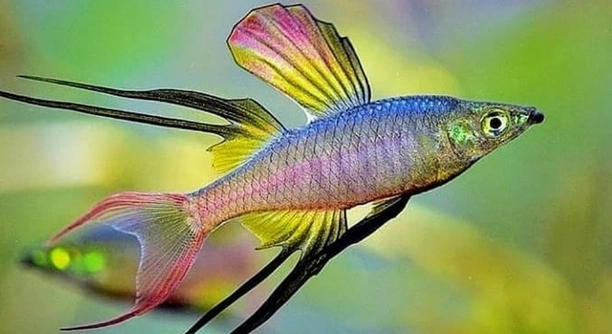
Threadfin Rainbowfish are lively and colorful additions to home aquariums. Their shimmering scales and active swimming patterns make them a popular choice for hobbyists seeking engaging, visually appealing fish that can enhance any aquatic environment.
Threadfin Rainbowfish can become more social over time through consistent, gentle interaction and proper care. Providing a stable environment, adequate space, and companionship of their own species encourages natural social behaviors to gradually develop.
Observing their interactions closely offers insight into their personalities and progress toward becoming more confident and social members of your tank community.
Understanding Threadfin Rainbowfish Behavior
Threadfin Rainbowfish are naturally active and curious, often exploring every corner of their tank. They swim in groups and display vibrant colors that change with mood and health. Shyness or hiding is common when they are first introduced to a new environment. Over time, they adjust to the surroundings, recognizing feeding routines and familiar tank mates. Stress, sudden changes, or overcrowding can hinder their social development, making them retreat more frequently. Providing consistent lighting, clean water, and a balanced diet helps them feel secure. Observation is key; noticing subtle changes in swimming patterns or color intensity can indicate comfort or stress levels. Including plants and hiding spots allows them to explore safely while gradually encouraging interaction. Patience and consistency in care promote confidence and social behaviors, enabling them to engage more with each other and with their owners. Small daily routines can make a significant difference in their comfort and sociability.
Their social skills improve when housed in groups of at least six, reducing stress and encouraging natural interactions.
Gradually, Rainbowfish begin swimming closer to each other and the tank front, signaling comfort. Regular feeding and minimal disturbances strengthen their confidence. Consistency in water quality and environment prevents fear responses. Over months, shy individuals often emerge from hiding, engaging more with peers. Interaction levels vary per fish, but with supportive conditions, most exhibit noticeably increased social behavior. Observing these changes can be rewarding, as it reflects both trust and adaptation to the tank environment. Monitoring subtle shifts in posture, fin movement, and schooling behavior provides insight into their social progress.
Encouraging Social Interaction
Grouping fish strategically fosters natural social behavior, reducing aggression and stress.
Introducing tank enrichments like floating plants, gentle currents, and visual barriers creates safe spaces, allowing fish to explore at their own pace. Providing small treats during observation encourages movement and interaction. Keeping feeding schedules consistent reinforces routine and predictability. Avoid overcrowding, as it increases tension and limits personal space. Monitor each fish’s response to new tank mates or additions carefully to prevent undue stress. Social engagement improves naturally when their environment remains stable and accommodating, supporting confident and interactive behavior over time.
Regularly maintaining clean water conditions is crucial, as poor water quality can make fish lethargic and withdrawn. Temperature stability ensures metabolic and immune system health, further influencing social behavior. Observing group dynamics helps identify shy or dominant individuals, allowing adjustments in tank composition or décor to balance interactions. Feeding strategies, such as scattering food or using target feeding, encourage movement and reduce competition. Gradual introductions of new companions or tank changes minimize stress. Behavioral enrichment, like introducing floating objects or gentle currents, stimulates natural activity. Monitoring stress indicators—color fading, clamped fins, or hiding—ensures timely intervention. Over months, consistent care and environmental stability foster stronger social bonds and visibly more confident, interactive fish. Patience and observation remain essential for nurturing these subtle, rewarding changes in Threadfin Rainbowfish.
Creating a Comfortable Tank Environment
A well-structured tank helps Threadfin Rainbowfish feel secure and interact naturally. Use plants, rocks, and gentle hiding spots to break sightlines and reduce stress. Open swimming areas allow free movement, encouraging active schooling and social behaviors.
Proper tank dimensions are essential for their activity and social growth. A long, spacious tank allows for natural schooling patterns and reduces territorial disputes. Filtration should maintain clear water without creating strong currents that tire the fish. Substrate choice can influence behavior; sand or smooth gravel minimizes injury. Plants provide cover and reduce stress, while floating options diffuse light and offer hiding spaces. Temperature stability and consistent lighting reinforce comfort, promoting predictable daily routines. Monitoring water chemistry ensures optimal pH and hardness levels, supporting overall health. When these elements are balanced, Rainbowfish display increased confidence, color vibrancy, and interaction with each other. Consistent care allows them to adapt, reducing fear and promoting natural curiosity.
Regular maintenance enhances their environment, preventing ammonia or nitrite spikes that can trigger stress and withdrawal. Subtle changes, like rearranging décor slowly, support adaptation without causing fear responses. Keeping companions of similar size and temperament prevents bullying, while observing group behavior allows timely adjustments. Supplementary features, like gentle currents or floating plants, provide stimulation without overwhelming them. Feeding patterns contribute to comfort; predictable schedules reduce anxiety and encourage swimming near the front.
Feeding Strategies for Social Behavior
Balanced nutrition supports activity levels and social interaction in Threadfin Rainbowfish. High-quality flakes, pellets, and occasional live foods provide essential nutrients for energy and health.
Feeding routines should be consistent, with small portions multiple times a day to reduce competition and aggression. Live foods, like brine shrimp or daphnia, encourage natural hunting behaviors and movement, promoting interaction within the group. Alternating food types keeps their diet varied and prevents selective feeding. Observation during feeding times can reveal shy individuals or dominant fish, allowing adjustments in feeding distribution. Avoid overfeeding, which can pollute water and harm health. Feeding near different tank zones encourages exploration, reducing territorial stress. Proper nutrition combined with routine feeding strengthens social cohesion and confidence, gradually increasing visibility and engagement among tank mates.
Monitoring fish behavior during meals provides insight into comfort levels and social hierarchy. Dominant fish may push others aside, so dispersing food across the tank ensures equitable access. Rotating live and frozen foods stimulates natural instincts, improving activity levels. Supplementing diet with plant-based flakes or spirulina supports color development and immune function. Maintaining water quality after feeding prevents stress-induced withdrawal, as poor conditions can overshadow social gains. Attention to individual fish allows early identification of health or behavior issues, supporting interventions before isolation occurs. Structured feeding ultimately enhances both physical health and social dynamics, making interactions more frequent, confident, and harmonious.
Gradual Acclimation Techniques
Introducing new Rainbowfish slowly helps reduce stress and encourages social interaction. Float the bag in the tank to adjust temperature and add small amounts of tank water gradually.
Releasing fish gently prevents sudden changes that can cause hiding or aggression. Using a net to transfer them and keeping décor consistent allows them to explore safely.
Observing Social Cues
Watching body language and swimming patterns reveals comfort and confidence levels. Tail flicks, fin displays, and proximity to other fish indicate increasing sociability.
Noticing hiding spots and schooling tendencies helps determine which individuals may need extra time or attention. Adjusting tank layout based on these cues supports positive social behavior.
Avoiding Stress Triggers
Sudden changes in water, temperature, or lighting can make Rainbowfish retreat. Consistent care maintains confidence and social engagement.
Tank Companions
Choosing compatible species promotes harmony. Avoid aggressive or fin-nipping fish to ensure Rainbowfish feel secure and interact naturally.
FAQ
Can Threadfin Rainbowfish become more social if they are shy?
Yes, shy Rainbowfish can gradually become more social with consistent care and a stable environment. Shy individuals often hide at first, but over time, exposure to calm routines, gentle feeding, and companionship of their own species encourages them to explore and interact. Providing plants and hiding spots allows them to feel secure while slowly engaging with the group. Observing subtle movements and schooling behavior helps identify progress, as small steps like swimming closer to tank mates or feeding near the front indicate growing confidence. Patience is key; socialization can take weeks to months depending on personality and environment.
How many Rainbowfish should be kept together to encourage social behavior?
A minimum of six Rainbowfish is recommended to promote natural schooling and social interaction. Small groups often result in timid or stressed fish, while larger groups create dynamic social structures and encourage active movement. Proper space, hiding spots, and environmental enrichment reduce territorial disputes and ensure a balanced hierarchy. Observing the group over time allows adjustments to tank size or population if any individual appears overly dominant or withdrawn.
Does tank size affect their sociability?
Yes, tank size directly impacts their comfort and social behavior. A long, spacious tank allows free swimming, natural schooling, and reduces stress. Overcrowding limits movement, increases competition, and can trigger hiding or aggression. Open areas, combined with plants and décor, provide security while allowing visible interactions. A well-structured tank encourages confident, active behavior.
Can feeding routines improve social behavior?
Consistent feeding routines help Rainbowfish feel secure and encourage interaction. Offering small portions multiple times a day prevents competition and stress. Live or frozen foods stimulate natural movement, while scattering food across the tank encourages exploration. Monitoring feeding times reveals shy or dominant fish, allowing adjustments to support all individuals. Overfeeding should be avoided, as it can harm water quality and reduce activity. Predictable routines combined with balanced nutrition strengthen social cohesion.
How long does it take for Rainbowfish to become more social?
Time varies by individual temperament and environment, typically several weeks to a few months. Shy fish may remain cautious initially but gradually exhibit confidence through schooling, approaching the tank front, and interacting with peers. Consistent care, proper tank setup, and monitoring behavior accelerate social development. Patience and observation are essential, as forcing interactions can increase stress and delay progress.
Do environmental changes affect social behavior?
Yes, sudden changes in lighting, water temperature, or décor can trigger hiding and reduce interaction. Gradual adjustments allow fish to acclimate without stress. Consistency in daily routines, water quality, and tank setup maintains confidence and encourages social behaviors. Observing responses to changes helps identify sensitive individuals and guide adjustments.
Can Rainbowfish become social without tank mates?
They are naturally schooling fish, so solitary individuals often remain timid and less active. Companionship of their own species encourages engagement, swimming patterns, and confidence. Providing at least five to six tank mates creates natural interaction opportunities, helping shy individuals become more social over time.
How do I know if my Rainbowfish are becoming more social?
Indicators include swimming in closer proximity to other fish, reduced hiding, increased color intensity, and approaching the front during feeding. Observing schooling behavior, tail flicks, and fin displays also reflects comfort and growing confidence. Subtle changes in posture or movement provide insight into social progress and overall well-being.
Are there specific tank decorations that help socialization?
Yes, plants, rocks, and gentle hiding spots encourage exploration while reducing stress. Floating plants diffuse light and create safe zones, while open swimming areas allow visible interaction. Rearranging décor slowly supports adaptation without overwhelming the fish, fostering confident and natural social behavior.
What common mistakes hinder social behavior?
Overcrowding, aggressive tank mates, poor water quality, sudden environmental changes, and inconsistent feeding schedules can all reduce confidence and encourage hiding. Observing individual behavior, maintaining clean water, and providing a structured, calm environment prevents stress and supports socialization.
Can social behavior regress?
Yes, stress, illness, or environmental disruptions can cause Rainbowfish to retreat. Monitoring water quality, tank conditions, and group dynamics helps prevent setbacks. Addressing issues promptly ensures fish regain confidence and maintain social behaviors over time.
Do males and females socialize differently?
Males are often more active and may display brighter colors to assert dominance or attract females. Females usually exhibit calmer behavior and may school more consistently. Both sexes benefit from group interactions, but observing differences can help balance the tank and reduce stress among individuals.
Is it necessary to provide enrichment for social growth?
Enrichment encourages activity and natural behavior, improving confidence and social engagement. Gentle currents, floating plants, and scattered feeding stimulate exploration and interaction. Enrichment should be gradual and consistent to avoid stress while supporting natural schooling and social behaviors.
Can sick or stressed Rainbowfish affect the social group?
Yes, sick or stressed individuals often hide and can influence the behavior of the entire group. Early identification and treatment are critical to prevent disruption of social dynamics. Maintaining stable conditions and removing aggressive or ill fish temporarily helps preserve group cohesion.
Are there signs of dominance in a social group?
Tail flicks, chasing, and occupying prime swimming areas indicate dominance. Dominant fish can stress shy individuals, so monitoring interactions and providing adequate space helps maintain balance. Adjusting tank layout or group composition ensures all fish can socialize comfortably.
How does water quality influence social behavior?
Poor water quality reduces activity, encourages hiding, and weakens the immune system. Maintaining stable pH, temperature, and clean water fosters confidence, active swimming, and interaction. Regular testing and consistent maintenance are essential for sustaining social behavior.
Can social behavior be encouraged in older Rainbowfish?
Yes, even older fish can become more social with proper care, stable routines, and companionship. Patience and gradual acclimation allow shy or isolated adults to gain confidence and engage more naturally with tank mates.
What role does routine play in socialization?
Predictable feeding, maintenance, and light cycles reduce stress and reinforce security. Routine allows fish to anticipate daily events, encouraging exploration, group swimming, and interaction. Consistency is a key factor in developing long-term social behavior.
Do Threadfin Rainbowfish require specific lighting for social behavior?
Moderate lighting that mimics natural conditions encourages normal activity and interaction. Sudden changes in brightness or prolonged darkness can trigger hiding or stress. Using gradual light adjustments helps fish feel secure and maintain confidence within the group.
How important is observation in promoting socialization?
Regularly observing behavior allows early detection of stress, aggression, or withdrawal. Understanding individual personalities and group dynamics guides adjustments in tank setup, feeding, and companion selection, ultimately supporting social growth and overall well-being.
Can multiple interventions be combined to improve social behavior?
Yes, combining stable environment, consistent feeding, proper tank mates, enrichment, and gradual acclimation provides the most effective approach. Each element complements the others, supporting confidence, interaction, and long-term social development in Threadfin Rainbowfish.
This FAQ provides practical guidance for improving social behavior, ensuring Rainbowfish thrive, interact, and display their natural, vibrant personalities in a well-maintained aquarium environment.
Word count: 511
Write in simplistic style 3 paragraphs for the header: Final Thoughts. Use a neutral tone. (write at least 400 words)

Hello,
If you enjoy the content that we create, please consider saying a "Thank You!" by leaving a tip.
Every little bit helps us continue crafting quality advice that supports the health, happiness, and well-being of pets around the world, for pets of all shapes, sizes, and species.
We really appreciate the kindness and support that you show us!