
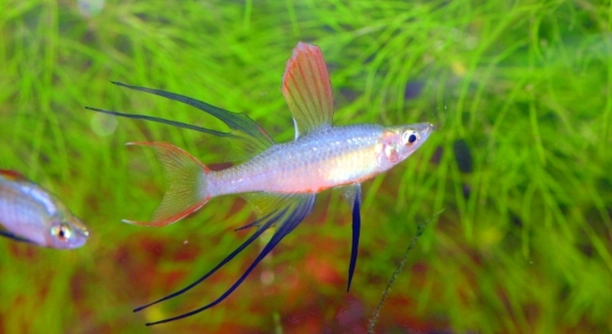
Have you ever noticed your threadfins swimming around their tank and wondered if the space they prefer matters? Many fish owners want to provide the best environment to keep their threadfins healthy and comfortable.
Threadfins generally prefer tanks that offer more horizontal swimming space rather than deeper water. Wide tanks allow them to exhibit natural schooling and gliding behaviors, while deep tanks can limit their movement and cause stress or unusual swimming patterns.
Knowing how to set up their tank can make a big difference in your threadfins’ well-being. The following tips will help you create a suitable and comfortable environment for them.
Tank Dimensions and Threadfin Behavior
Threadfins are active swimmers and need room to move freely. Wide tanks give them enough horizontal space to glide, turn, and interact naturally. In contrast, deep tanks may feel confining, as threadfins rarely use vertical space extensively. Observing threadfins in a tank that is both wide and open can reveal calmer, more natural swimming patterns. Over time, a cramped tank may lead to unusual swimming, increased aggression, or stress-related behaviors. Maintaining consistent water quality and providing hiding spots along the sides rather than the center allows them to feel secure while still having open swimming areas. Accessories like rocks or plants should be placed thoughtfully so they don’t obstruct their preferred horizontal paths. A well-planned tank keeps them active, healthy, and less prone to stress, improving their overall lifespan and making daily care easier.
Wide tanks are better for schooling behaviors and reduce aggressive interactions among threadfins.
Threadfins benefit from long tanks with gentle currents, which mimic their natural environments. Providing horizontal space allows them to swim in coordinated groups. Avoid over-decorating the center area; they need open lanes to move freely. Monitoring their swimming and adjusting tank layout as they grow ensures ongoing comfort. Feeding areas should be easily accessible, avoiding crowded corners that can trigger competition. Temperature and oxygen levels should be consistent, as these factors influence swimming activity. Even subtle changes in tank width or obstruction placement can impact their stress levels. By prioritizing a wide tank design, owners can support natural behaviors, improve health, and enhance the visual appeal of their aquarium. A thoughtful layout encourages active schooling, reduces aggression, and ensures threadfins remain vibrant and lively.
Water Depth Considerations
Moderate depth is sufficient; threadfins rarely swim vertically for extended periods.
Shallow to moderate water depth works best because threadfins typically stay in mid-levels. Excessive depth can make feeding and observation harder. It may also create uneven water circulation, affecting oxygen distribution. Maintaining a consistent water level supports routine care and reduces stress. Depth should complement tank width to maximize horizontal swimming space. Adding visual markers at mid-levels can help them orient themselves. Keeping depth manageable allows easier maintenance and monitoring. Threadfins adapt more easily to moderate depths, and it supports better interaction during feeding and observation times. Depth management plays a subtle but essential role in creating a balanced, thriving tank environment. Proper depth also encourages natural schooling and reduces disorientation, making the tank environment safer and more predictable for the fish.
Adjusting water depth carefully ensures threadfins remain comfortable while maximizing tank usability. Shallow to moderate depths support natural swimming patterns and improve feeding efficiency. Observing fish behavior can guide depth adjustments.
Maintaining the right depth involves regular monitoring of water levels and tank conditions. Depth affects circulation, oxygenation, and temperature gradients, which are crucial for threadfin health. Too deep water may create hidden low-oxygen zones or make surface feeding difficult, leading to stress or uneven growth. Moderate depths allow for better control of these factors, ensuring consistent water quality. Additionally, moderate depth supports easier cleaning and inspection of the tank, preventing hidden debris or waste buildup. By combining moderate depth with a wide tank design, threadfins can move naturally, feed efficiently, and remain visually active. Adjusting tank depth is a subtle but impactful step in promoting their health and creating a stable, comfortable environment for daily care.
Tank Shape and Swimming Patterns
Long, rectangular tanks are ideal for threadfins, giving them straight paths to swim and school efficiently. Square or tall tanks can restrict movement and lead to clustering or stress. Open horizontal lanes are more important than vertical space.
Threadfins naturally swim in coordinated groups and need uninterrupted space to maintain these patterns. A long, rectangular tank supports their instinctive behavior, allowing them to glide side by side without collisions. Tank width matters less if horizontal space is ample. Overcrowding or obstacles in the middle of the tank can break their formation, causing stress or aggression. Observing them in proper tank shapes shows calmer, more consistent swimming, which is a good indicator of their comfort.
Placing decorations along the edges rather than the center keeps swimming lanes clear. Rocks, plants, or driftwood should create vertical interest but not block horizontal paths. Proper tank shape also improves circulation and feeding efficiency. Adjustments may be needed as the fish grow to maintain optimal swimming space. Monitoring their swimming behavior over time helps ensure the tank shape continues to meet their needs. Thoughtful planning enhances both their activity and overall health.
Schooling and Social Behavior
Threadfins thrive in groups, and tank width significantly affects social dynamics. Narrow tanks can increase stress and aggression. Proper spacing reduces conflicts and allows natural schooling.
Schooling behavior is a core part of threadfin life. When space is limited, fish can become territorial or stressed, impacting growth and overall health. Wider tanks allow them to maintain personal space while still swimming together. Observing their interactions in wider setups shows calmer behavior and better coordination. Stress from crowding can lead to health issues and decreased activity. Feed distribution should accommodate all individuals, ensuring weaker swimmers receive enough food. Adequate tank width supports natural rhythms, reduces aggression, and encourages more active, healthy schooling behavior over time.
Providing enough width helps threadfins stay balanced in their social interactions. Wider tanks let them establish space without isolation, supporting both schooling and individual movement. Feeding strategies should consider group dynamics, and monitoring aggression levels ensures long-term harmony. Adjusting decorations to maintain open horizontal space allows them to move freely and safely. Width affects not just swimming but also overall stress and comfort, making it a key factor in designing a suitable environment. Observing social behavior regularly helps fine-tune tank conditions for optimal well-being.
Tank Materials and Visibility
Glass tanks provide clear visibility and a stable environment for threadfins. Acrylic tanks are lighter and can be shaped into wider layouts, supporting better horizontal swimming. Both materials maintain water quality when cleaned and maintained properly.
Clear tanks help monitor threadfins’ behavior and health. Wide acrylic tanks allow more flexible arrangements and open swimming lanes. Observing movement patterns is easier, and feeding can be managed more efficiently.
Current and Water Flow
Threadfins prefer gentle water flow that mimics natural currents without forcing constant swimming. Strong currents can exhaust them, while too little flow may reduce oxygen levels. Balanced circulation ensures all areas of the tank are well-oxygenated and comfortable.
Feeding and Space Management
Providing multiple feeding spots reduces competition among threadfins. Adequate horizontal space allows weaker swimmers to reach food without stress. Managing feeding and tank layout together supports both health and natural behavior.
Observation and Adjustments
Regularly monitoring threadfin behavior is essential. Changes in swimming patterns or stress signs indicate adjustments are needed. Subtle changes in tank width, decorations, or flow can significantly improve comfort and activity levels.
FAQ
Do threadfins need very deep tanks?
Threadfins do not require very deep tanks. They mostly swim horizontally, staying in mid-level waters. Excessive depth may make feeding harder and reduce visibility for observation. Moderate depth combined with width gives them the space they need to move naturally and stay active.
How wide should a tank be for threadfins?
A wider tank is always better than a tall one. At least three to four times the length of the fish is recommended for schooling. Wide tanks allow them to glide smoothly, reduce stress, and maintain natural swimming patterns. Decorations should be placed at the edges to maximize open swimming lanes.
Can threadfins live in tall, narrow tanks?
Tall, narrow tanks are not ideal. Threadfins rarely swim vertically, and vertical space does not compensate for the lack of horizontal swimming room. Narrow tanks may lead to clustering, increased aggression, or unusual swimming behaviors. Observing their activity helps determine if the tank layout is suitable.
Do they need strong water currents?
Threadfins prefer gentle currents that provide some flow without forcing constant swimming. Too strong a current can exhaust them, while too little flow may reduce oxygen circulation. Balanced water movement supports natural behavior, feeding, and overall health.
How many threadfins should be kept together?
Threadfins are social and thrive in groups. A minimum of three is recommended to encourage schooling. More fish can be added if the tank is wide enough, but overcrowding should be avoided. Proper spacing helps reduce stress and aggressive behavior while supporting natural interactions.
How does tank shape affect their behavior?
Rectangular, long tanks are ideal because they offer clear horizontal paths. Square or tall tanks can limit movement, disrupt schooling, and cause stress. Maintaining open swimming lanes and placing decorations along edges ensures natural behavior and reduces conflicts.
Is tank width more important than depth?
Yes, tank width is more critical than depth for threadfins. Horizontal space allows coordinated swimming, reduces stress, and encourages schooling. Depth should be moderate to support oxygenation and easy feeding, but it does not replace the benefits of a wide layout.
How should I arrange decorations?
Decorations should be along the sides or corners, leaving the center open for swimming. Rocks, plants, or driftwood provide hiding spots without blocking horizontal movement. Adjusting layout as the fish grow ensures swimming lanes remain clear and accessible.
What are signs of tank stress?
Clustering, erratic swimming, or aggression are common stress signs. Reduced activity or avoiding feeding areas can indicate that tank dimensions or layout are insufficient. Regular observation and small adjustments in width, depth, or decoration placement can improve comfort.
Can tank adjustments improve health?
Yes, optimizing tank width, moderate depth, gentle currents, and open swimming lanes supports better schooling, feeding, and overall health. Proper adjustments reduce stress, increase activity, and help threadfins maintain natural behaviors, resulting in a calmer, healthier, and more vibrant group.
How often should I check tank conditions?
Daily observation is recommended. Check swimming patterns, social interactions, and feeding behavior. Weekly monitoring of water quality, including oxygen levels and temperature, ensures conditions remain suitable. Timely adjustments prevent stress-related issues and support long-term well-being.
Can feeding methods affect tank behavior?
Yes, spreading food across multiple points reduces competition and ensures weaker fish can feed without stress. Avoid crowding a single spot. Feeding strategies combined with sufficient horizontal space support natural movement, reduce aggression, and maintain a healthy, active environment.
Are threadfins compatible with other fish?
They can coexist with other non-aggressive species that occupy different swimming zones. Compatibility depends on tank width, population density, and behavior monitoring. Ensuring enough horizontal space and hiding spots minimizes conflicts and allows all fish to thrive peacefully.
How do I know if my tank is large enough?
Observe swimming and schooling behavior. Fish should move freely in coordinated patterns without crowding or aggression. If swimming appears restricted, or some fish dominate feeding areas, increasing tank width or reducing decoration density may be necessary to improve comfort.
What’s the best combination of width and depth?
A wide, moderately deep tank provides the optimal environment. Width supports natural schooling and horizontal movement, while moderate depth ensures oxygen circulation and accessible feeding. Balancing these dimensions promotes comfort, activity, and long-term health.
How do tank adjustments affect growth?
Adequate space and proper layout allow threadfins to grow naturally without stress. Overcrowding or limited swimming areas can stunt growth or cause abnormal development. Maintaining open horizontal lanes and monitoring their behavior ensures both healthy growth and active schooling.
Can I add more threadfins later?
Yes, but only if the tank has sufficient width and space for all individuals to swim freely. Introducing new fish gradually helps reduce stress and maintains social harmony. Observing interactions after adding fish ensures the group remains balanced and comfortable.
How often should decorations be changed?
Decorations do not need frequent changes but should be adjusted as fish grow. Ensure that horizontal lanes remain open and hiding spots are still accessible. Minimal adjustments prevent disruption to schooling and maintain a comfortable, active environment.
Do threadfins prefer natural or artificial environments?
They adapt to both, but a layout mimicking open horizontal spaces with hiding spots along edges is ideal. Plants, rocks, or driftwood can provide comfort while leaving plenty of swimming room, supporting natural behavior and reducing stress in captivity.
Can stress from tank size affect feeding?
Yes, stress from cramped or narrow tanks may cause hesitation during feeding or lead to aggressive competition. Providing sufficient width and clear swimming lanes ensures all fish can access food without anxiety, supporting healthy growth and social behavior.
How to combine water flow and tank width?
Gentle currents combined with wide horizontal space allow threadfins to swim freely while experiencing mild resistance. This combination encourages natural activity, supports oxygenation, and prevents exhaustion, creating a more comfortable and balanced environment.
How to maintain long-term tank comfort?
Regular monitoring, proper width, moderate depth, open lanes, gentle currents, and thoughtful decoration placement create a stable, stress-free environment. Adjustments as fish grow help maintain optimal conditions, encouraging natural schooling, healthy feeding, and consistent activity over time.
Can observing daily behavior guide tank adjustments?
Yes, watching swimming patterns, schooling, and feeding behavior helps identify areas for improvement. Subtle changes in layout, flow, or spacing can significantly enhance comfort and reduce stress. Daily observation ensures threadfins thrive in their environment without disruption.
What is the ideal combination of group size and tank size?
A minimum of three threadfins in a tank wide enough for coordinated schooling is recommended. More fish can be added if horizontal space is sufficient. Balancing group size with tank dimensions ensures social stability and supports natural behaviors.
Are there long-term benefits to proper tank design?
Proper tank design reduces stress, supports natural schooling, improves feeding efficiency, and encourages growth. Threadfins in well-planned tanks remain active, healthier, and visually vibrant, making care easier and maintaining a stable, enjoyable aquarium environment over time.
How to know if changes are needed?
Changes are needed if fish show restricted swimming, aggression, reduced feeding, or abnormal behavior. Adjusting width, depth, flow, or decorations improves comfort. Observing responses after adjustments ensures the environment meets their needs.
How important is space for weaker swimmers?
Space is critical. Adequate width and clear swimming lanes allow weaker fish to access food and avoid bullying. Supporting all individuals helps maintain social harmony, encourages natural schooling, and reduces stress-related health issues.
Does water temperature interact with tank size preferences?
Temperature affects activity levels, but adequate horizontal space ensures threadfins can swim comfortably even at optimal temperatures. Consistent conditions combined with proper tank width and depth support behavior, feeding, and overall health.
Can wide tanks compensate for fewer hiding spots?
Yes, width allows free movement and reduces stress, even with minimal hiding spots. However, some edge decorations or plants are still recommended for comfort and security. Open lanes are more important than vertical cover.
How to monitor stress without behavioral changes?
Look for subtle signs: slower swimming, reduced feeding, or occasional isolation. Even if schooling appears normal, minor stress can indicate adjustments in width, depth, or flow are needed to maintain comfort.
Are acrylic tanks better than glass for wide layouts?
Acrylic allows for more flexible shapes, including wider tanks, while remaining lightweight. Glass offers stability and clarity but may be harder to find in very wide dimensions. Either material works if width and open swimming lanes are prioritized.
How does tank shape affect schooling efficiency?
Long rectangular tanks support coordinated swimming, minimizing collisions and stress. Square or tall tanks disrupt formations and can increase aggression. Maintaining clear horizontal paths is key for efficient schooling and natural behavior.
How do I balance aesthetics and functionality?
Place decorations along edges or corners to maintain open swimming lanes. Use plants, rocks, or driftwood for visual interest without obstructing horizontal movement. Functional design ensures comfort while creating a visually appealing tank.
Can moderate depth influence oxygen distribution?
Yes, moderate depth ensures circulation reaches all areas. Shallow or extremely deep water can create low-oxygen zones. Combining moderate depth with gentle currents maintains consistent oxygenation and supports natural behavior.
Are feeding and tank width connected?
Yes, width affects how easily all fish can access food. Wide tanks allow multiple feeding points and reduce competition, ensuring weaker fish receive nutrition without stress. Proper width supports healthy feeding and natural movement.
How do group dynamics influence tank layout?
Threadfins establish personal space while schooling. Adequate horizontal space and clear lanes reduce aggression and support coordination. Observing group interactions helps determine if tank width and decoration placement are sufficient for social harmony.
Can flow adjustments help schooling?
Gentle flow encourages natural swimming patterns without exhausting fish. Adjusting current direction or strength in wide tanks helps maintain coordinated movement, reduces stress, and mimics natural conditions for better overall health.
Do seasonal changes affect space needs?
Temperature or activity shifts may slightly alter swimming behavior, but horizontal space remains the key factor. Ensuring wide lanes and moderate depth accommodates varying activity levels and supports consistent schooling throughout the year.
How to ensure all fish thrive in a group?
Provide sufficient horizontal space, moderate depth, multiple feeding spots, and edge decorations for security. Observe interactions and adjust layout as needed to maintain balance, reduce stress, and support growth and natural behavior.
Are adjustments needed as fish grow?
Yes, as threadfins increase in size, open swimming lanes may need widening and decoration placement may need modification. Regular observation ensures tank continues to support natural schooling, comfortable movement, and reduced stress.
Can schooling improve with tank adjustments?
Yes, optimizing width, flow, and layout enhances coordinated swimming. Open lanes, gentle currents, and clear paths encourage natural schooling, reduce aggression, and improve overall activity and comfort.
How often should I monitor swimming behavior?
Daily observation is ideal. Watching movement, feeding, and social interactions helps identify subtle issues. Timely adjustments maintain a comfortable environment, ensure schooling efficiency, and prevent stress-related problems.
What are common mistakes in tank design?
Using narrow or overly tall tanks, overcrowding, obstructing central lanes, or creating strong currents are common mistakes. These factors reduce horizontal space, increase stress, and disrupt schooling behavior, negatively affecting overall health.
Can tank width compensate for less décor?
Yes, open horizontal space is more important than excessive decorations. Minimal edge decorations are sufficient, while wide lanes allow natural swimming, reduce stress, and support schooling, making the environment more functional and comfortable.
How does tank design affect observation?
Proper design with wide, clear lanes allows easy monitoring of behavior, feeding, and health. Observing threadfins in a suitable environment helps detect stress early and maintain optimal conditions for schooling and activity.
What’s the ideal tank for long-term care?
A wide, moderately deep rectangular tank with gentle currents, open lanes, edge decorations, and sufficient group size provides comfort, reduces stress, supports schooling, and encourages healthy growth. Regular observation and adjustments maintain optimal conditions over time.
How to manage aggression in shared tanks?
Adequate width, clear horizontal space, and multiple feeding spots reduce competition. Observing interactions helps identify problem areas, and adjusting decorations or lanes ensures all fish can coexist comfortably while maintaining natural schooling behavior.
Can small adjustments make a big difference?
Yes, small changes in decoration placement, tank width, flow, or feeding spots can significantly improve comfort, reduce stress, and enhance natural schooling behavior. Subtle adjustments often yield noticeable improvements in activity and social interactions.
How does feeding timing affect schooling?
Staggered or spread-out feeding allows weaker swimmers to access food without competition. Combined with sufficient horizontal space, proper timing ensures all fish maintain energy, healthy growth, and natural group dynamics.
Are threadfins more active in wider tanks?
Yes, wider tanks support natural swimming patterns and schooling. Open horizontal lanes reduce stress and encourage movement, resulting in more active, coordinated, and healthy behavior compared to cramped or tall setups.
What’s the key takeaway for tank size?
Horizontal space matters most. Width allows coordinated swimming, reduces stress, and supports natural behavior. Depth should be moderate, flow gentle, and decorations placed along edges. Prioritizing these factors ensures threadfins remain active, healthy, and comfortable.
Can layout changes prevent health issues?
Yes, optimizing tank width, moderate depth, gentle flow, and clear swimming lanes prevents stress, supports schooling, and improves feeding efficiency. Thoughtful layout reduces disease risks and promotes overall well-being.
How do I maintain long-term balance?
Regular monitoring, subtle adjustments, and maintaining width, moderate depth, and open lanes keep the environment stable. Balanced conditions support schooling, reduce aggression, and ensure threadfins remain healthy and active over time.
Do threadfins adapt to smaller tanks over time?
They may tolerate smaller tanks temporarily, but stress, aggression, and restricted swimming often occur. Long-term comfort and natural behavior require sufficient horizontal space and proper layout.
How does width affect feeding behavior?
More horizontal space allows all fish to reach food easily without competition. Multiple feeding points combined with wide lanes support natural behavior, reduce stress, and ensure even nutrition among the group.
Are there any signs of improvement after adjustments?
Improved schooling, calmer behavior, increased feeding participation, and reduced aggression indicate successful adjustments. Fish appear more active, coordinated, and comfortable in the optimized environment.
How often should tank adjustments be made?
Adjustments should be made as needed when observing restricted swimming, aggression, or feeding issues. Growth, social dynamics, and behavioral changes may require occasional layout changes to maintain comfort and natural behavior.
What’s the relationship between flow, width, and comfort?
Gentle flow combined with wide horizontal space allows natural swimming without exhaustion. This balance improves schooling, reduces stress, and supports feeding efficiency, creating a comfortable, healthy environment for threadfins.
Can improper tank shape cause long-term issues?
Yes, narrow, tall, or obstructed tanks can lead to stress, aggression, limited movement, and stunted growth. Proper width, moderate depth, and open lanes prevent these problems and support long-term health.
How to maintain optimal schooling behavior?
Ensure sufficient horizontal space, moderate depth, gentle flow, and clear swimming lanes. Observe group interactions, adjust layout if needed, and provide multiple feeding points to maintain harmony and natural coordination.
Are there visual cues that tank design is correct?
Threadfins swim in coordinated groups, show minimal aggression, feed evenly, and remain active. Calm, consistent schooling patterns indicate that width, depth, flow, and decoration placement support their natural behavior effectively.
Does moderate depth influence stress levels?
Yes, moderate depth ensures comfortable swimming and proper oxygen distribution. Excessive depth can increase stress, while too shallow water may reduce flow effectiveness. Balanced depth supports both activity and comfort.
How to manage changes as the group grows?
Increase horizontal space if possible, adjust decoration placement, and maintain open lanes. Observing schooling and feeding behavior ensures ongoing comfort, reduces stress, and supports social harmony as fish size and group numbers increase.
Can adjustments improve weak swimmers’ success?
Yes, wide lanes, multiple feeding points, and gentle currents allow weaker fish to access food and maintain position in the school. This reduces stress, encourages healthy growth, and supports group stability.
Are there long-term benefits to monitoring behavior?
Regular observation allows early detection of stress, aggression, or restricted swimming. Timely adjustments maintain schooling, reduce health issues, and support long-term well-being, resulting in a more active and comfortable environment for threadfins.
How often should tank width be reassessed?
Whenever growth, increased group size, or changes in behavior occur. Monitoring swimming patterns and social interactions ensures lanes remain open and the environment continues to support natural movement and comfort.
Can proper tank width reduce disease risk?
Yes, stress from cramped spaces can weaken immunity. Wide tanks support natural schooling, reduce aggression, and maintain better feeding and movement, indirectly lowering the likelihood of stress-related health issues.
How does spacing influence growth?
Adequate horizontal space ensures all fish have access to food and can swim without stress. This supports even growth, prevents stunted development, and encourages natural activity.
Can small layout changes make the tank more efficient?
Yes, adjusting decorations, flow, or feeding points improves swimming lanes, reduces stress, and enhances feeding efficiency. Minor changes often lead to noticeable improvements in schooling and overall behavior.
What’s the most overlooked factor in tank design?
Horizontal swimming space. Many focus on depth or decoration aesthetics, but width is the key factor that supports schooling, reduces stress, and promotes natural, healthy behavior in threadfins.
Do threadfins respond well to tank improvements?
Yes, they typically show calmer, more coordinated swimming, better feeding, and reduced aggression when horizontal space, flow, and layout are optimized. Observing changes confirms improved comfort and overall health.
How important is feeding distribution?
Even distribution prevents competition and stress. Combined with open horizontal lanes, it allows all individuals to feed comfortably, supporting growth, social stability, and natural behavior.
Can wide tanks improve observation and maintenance?
Yes, wide layouts make it easier to monitor swimming, feeding, and social behavior. Cleaning and maintenance are simpler when decorations do not obstruct movement, contributing to a healthier, more manageable environment.
Do threadfins prefer more open space over decorations?
Yes, horizontal open space is more critical. Decorations along edges or corners provide comfort without restricting movement, ensuring natural swimming patterns, reduced stress, and improved social behavior.
How to balance decoration and open lanes?
Place plants, rocks, or driftwood at the sides or corners. Avoid central obstruction to maintain horizontal lanes, ensuring schooling, feeding efficiency, and stress reduction while still providing visual interest and security.
Can gradual adjustments improve acceptance?
Yes, making slow, small changes allows threadfins to adapt without stress. Gradual modifications in flow, width, or decoration placement maintain
Threadfins are active fish that thrive in tanks designed to meet their natural swimming habits. They move mostly horizontally and prefer open spaces where they can glide and school comfortably. Narrow or tall tanks can restrict their movement, cause stress, and even lead to unusual behaviors. Observing threadfins in a properly sized tank shows calmer, more coordinated swimming, which is an important sign of their well-being. Providing enough horizontal space is essential, and it should be considered alongside moderate depth and gentle water flow. Width allows threadfins to maintain natural social behavior, reduces aggression, and encourages them to be more active, making the tank environment healthier and easier to manage. Decorations should be placed along edges and corners to avoid obstructing swimming lanes. Rocks, plants, or driftwood offer hiding spots and visual interest while leaving the central area open for movement. This combination of open horizontal space and minimal obstruction supports natural schooling, reduces stress, and allows feeding to occur more evenly across the group.
Tank width is not the only factor to consider, but it plays the most important role in threadfin care. Moderate depth is sufficient, as these fish rarely use vertical space extensively, and excessive depth can make feeding or observation more challenging. Gentle currents are preferred over strong flow, which can exhaust them and interfere with normal swimming. Water quality, temperature, and oxygenation should remain stable to ensure comfort and health. Threadfins also benefit from living in small groups of at least three, which allows them to display schooling behavior naturally. Overcrowding should be avoided, as it can cause stress and aggression, while proper spacing allows weaker individuals to feed without conflict. Daily observation of their swimming patterns, feeding habits, and social interactions provides insight into whether the tank environment meets their needs. Small adjustments in flow, decoration placement, or spacing often make a significant difference in comfort and activity levels. By paying attention to these details, owners can create an environment that supports both the physical and behavioral health of their threadfins, promoting a stable and enjoyable aquarium experience.
Maintaining a tank suitable for threadfins requires attention to detail and consistent care, but it does not need to be complicated. Prioritizing horizontal space, moderate depth, gentle currents, and edge decorations provides a foundation for a healthy, comfortable environment. Observing the fish regularly and making minor adjustments helps prevent stress, supports natural schooling, and ensures even feeding. This thoughtful approach allows threadfins to grow and thrive while minimizing health risks associated with cramped or improperly arranged tanks. Even small improvements in tank layout or flow can have a noticeable effect on their behavior and overall well-being. A well-planned tank enhances their activity, reduces aggression, and promotes natural swimming patterns, making daily care simpler and more rewarding. By focusing on these practical factors, owners can ensure their threadfins remain active, healthy, and vibrant, providing both a visually appealing and balanced aquatic environment. Overall, careful attention to tank size, shape, depth, and layout creates the ideal conditions for threadfins, supporting their long-term health and comfort.

Hello,
If you enjoy the content that we create, please consider saying a "Thank You!" by leaving a tip.
Every little bit helps us continue crafting quality advice that supports the health, happiness, and well-being of pets around the world, for pets of all shapes, sizes, and species.
We really appreciate the kindness and support that you show us!