
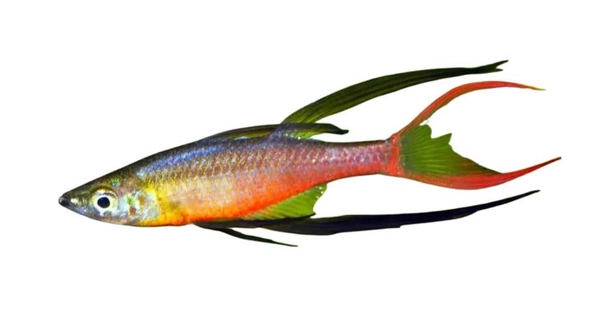
Are your threadfins showing unusual behavior in the tank? Observing subtle shifts in their movements can reveal more than you might think about their social interactions and comfort levels within their environment.
Threadfins communicate disagreement through specific movements that indicate stress or conflict. These include fin flicking, rapid darting, body tilting, head shaking, tail flicking, gill flaring, and sudden retreats. Recognizing these signals helps maintain harmony in a shared aquatic space.
Recognizing these signs early can help you address conflicts and ensure your threadfins remain healthy and stress-free in their habitat.
Fin Flicking
Threadfins often flick their fins rapidly when they feel uneasy or want to assert dominance. This movement may look minor, but it is a clear indicator of tension. The flicking usually happens when two fish approach the same feeding area or swimming path. Observing the frequency and intensity of these flicks can tell you which fish are more aggressive and which prefer to avoid conflict. While it may seem like a small gesture, repeated flicking can cause stress to other fish, affecting their health and behavior. Adjusting tank space or adding visual barriers can reduce the frequency of these movements. Keeping an eye on this behavior helps prevent escalation and keeps your tank calmer. Noticing these subtle cues early can save you from dealing with larger disputes between fish. This awareness also helps you provide a more balanced environment for all the inhabitants.
Flicking fins repeatedly usually signals irritation or a mild disagreement between threadfins. It is an early warning of tension.
By monitoring fin flicking closely, you can identify dominant individuals and adjust tank layout or feeding routines. Some threadfins may need more space or hiding spots to reduce stress. Ensuring even distribution of food and avoiding overcrowding minimizes friction. Over time, observing these patterns helps maintain a stable, peaceful aquarium where fish can swim without constant disputes.
Rapid Darting
Rapid darting is a common sign of threadfins expressing discomfort or irritation. When a fish makes sudden, quick movements across the tank, it is usually reacting to another fish’s proximity or attempting to avoid conflict. Unlike normal swimming, this movement is abrupt and often accompanied by other signs like gill flaring or tail flicks. Rapid darting can cause accidental collisions or minor injuries, especially in crowded tanks. Watching which fish dart frequently can indicate stress points in your setup. Environmental factors, such as lighting, water flow, or hiding spots, can influence these bursts. Adjusting the tank layout and maintaining consistent conditions help reduce the need for sudden escapes. Understanding these movements allows you to intervene early, preventing escalation and supporting the well-being of all your threadfins.
Frequent darting reflects tension or avoidance behavior. Noticing the patterns helps maintain a calmer tank.
Managing rapid darting involves observing when and why it occurs, then creating more comfortable spaces. Rearranging decorations, adding plants, or providing separate zones can reduce sudden encounters. Monitoring interactions at feeding times and ensuring each fish gets its share prevents unnecessary disputes. Over time, tracking which individuals dart more often helps you understand their personalities and social hierarchy. This awareness allows for proactive management, reducing stress, and fostering a more harmonious aquarium where all threadfins can thrive safely.
Body Tilting
Body tilting often shows a threadfin is uneasy or preparing to challenge another fish. A tilted posture can signal dominance or hesitation, depending on the situation. Watching the angle and frequency helps identify which fish are confident and which are more submissive.
Tilting the body at sharp angles usually happens near territory boundaries or feeding areas. When one fish tilts, it may approach another slowly, testing reactions without fully committing to an aggressive act. This movement can escalate if the approached fish responds with fin flicks or tail movements. Observing tilting alongside other behaviors helps identify social dynamics in the tank. Adjusting space or creating visual breaks between territories can reduce tension. This behavior is subtle but important for understanding fish interactions and preventing conflicts before they worsen.
Consistent body tilting can indicate stress or assertiveness in threadfins. Monitoring these movements helps maintain balance and reduces accidental confrontations, especially in crowded tanks. Providing hiding spots and sufficient swimming areas allows timid fish to move freely without triggering disputes. Noticing patterns in tilting also gives insight into social hierarchy, helping you make adjustments to feeding schedules or territory markers. Over time, observing these subtle cues ensures a calmer, healthier environment for all your threadfins, allowing each fish to feel secure in its space.
Head Shaking
Head shaking is a clear sign of disagreement or agitation among threadfins. Fish often shake their heads when another fish encroaches on their personal space or challenges them over food. This movement is usually repeated and deliberate.
Shaking the head can start small but often accompanies other aggressive signals, such as fin flicks or tail movements. It can be a way to warn other fish without escalating into chasing or biting. Observing which individuals shake their heads most frequently shows who feels threatened or dominant. Environmental factors like tank size, hiding spots, and feeding routines can influence the frequency of this behavior. Minimizing stress and ensuring each fish has enough room reduces excessive head shaking. Consistently monitoring these interactions helps maintain harmony and prevents minor disagreements from becoming harmful conflicts.
Tail Flicking
Tail flicking is a frequent sign that a threadfin is expressing irritation or warning another fish. Quick, sharp movements of the tail often signal minor disagreements or attempts to establish personal space.
This movement can be subtle or pronounced depending on the fish’s mood. Repeated tail flicks often indicate ongoing tension and can lead to more aggressive behaviors if ignored.
Gill Flaring
Gill flaring occurs when threadfins expand their gill covers to appear larger and more threatening. This behavior is common during disputes over territory, dominance, or feeding priority. Flaring increases the perceived size of the fish, sending a clear warning to others nearby. Observing which fish flare most often helps identify dominant individuals and stressed fish. Consistent gill flaring can increase energy expenditure and stress levels, so ensuring adequate space and hiding spots is crucial. Minimizing triggers, such as overcrowding or competition for food, helps reduce this behavior. Over time, understanding these patterns allows for better management of social dynamics within the tank.
Sudden Retreats
Sudden retreats signal that a threadfin feels threatened or overwhelmed. The fish quickly swims away to avoid confrontation, showing a clear desire to escape tension.
What does it mean when threadfins flick their fins constantly?
Constant fin flicking usually signals irritation or minor disagreement between fish. It can indicate that one fish is asserting dominance while another is avoiding confrontation. Observing the frequency and timing helps determine whether it is a temporary reaction or a consistent behavioral pattern. If flicking occurs around feeding times or near territory boundaries, it often reflects competition for space or food. Adjusting tank layout or providing additional hiding spots can reduce tension. Regular monitoring ensures that repeated flicking does not escalate into aggressive encounters that could harm your fish or stress the tank’s ecosystem.
Why do threadfins dart rapidly across the tank?
Rapid darting is typically a sign of stress or avoidance behavior. Threadfins may dart when another fish approaches too closely, when startled by sudden movements, or when navigating a crowded environment. This behavior allows the fish to escape potential threats quickly, but frequent darting can indicate ongoing stress or discomfort in the tank. Over time, repeated bursts of rapid movement may cause injuries or increase overall stress levels, affecting feeding habits and overall health. Reducing overcrowding, ensuring stable water conditions, and providing multiple hiding spaces helps minimize sudden darting and keeps the tank calmer.
How can I tell if body tilting signals aggression?
Body tilting often accompanies disputes over territory or food. A fish tilts sharply or repeatedly near another fish to assert dominance without physical contact. Observing the context—such as proximity to preferred areas or feeding times—helps distinguish between a defensive posture and an aggressive challenge. Tilting combined with fin flicks, tail movements, or head shaking often indicates a higher level of tension. Adjusting tank layout, adding barriers, or separating dominant fish temporarily can reduce stress. Regularly watching these interactions allows you to anticipate conflicts and provide a more stable environment, preventing minor disagreements from escalating.
What does head shaking indicate in threadfins?
Head shaking is a clear sign of irritation or mild disagreement. Fish often shake their heads when another fish invades their personal space or challenges them over food. This behavior is usually repeated, signaling ongoing tension between individuals. Observing which fish shake their heads more frequently helps identify stressed or dominant fish in the tank. Environmental factors such as overcrowding, insufficient hiding spots, or uneven feeding distribution can increase head shaking. Providing adequate space, balanced feeding routines, and visual breaks between territories reduces the frequency of this behavior and promotes a calmer aquarium environment for all inhabitants.
Why do threadfins flare their gills?
Gill flaring is a defensive or dominant display. Fish expand their gill covers to appear larger, often to warn others or assert control over a specific area. This behavior is common during disputes over food, territory, or hierarchy. Frequent flaring can increase stress levels and expend energy unnecessarily, so it is important to monitor its occurrence. Ensuring the tank has sufficient space, hiding spots, and proper feeding routines can help reduce excessive gill flaring. Observing which fish flare more often also provides insight into social dynamics, helping you manage interactions and maintain a peaceful aquarium.
What causes sudden retreats in threadfins?
Sudden retreats occur when a fish feels threatened or overwhelmed. The fish quickly swims away to avoid confrontation, signaling a clear desire to escape tension. Retreats often happen in response to aggressive gestures such as fin flicking, tail flicks, or head shaking. Frequent retreats may indicate overcrowding, a lack of hiding spots, or persistent dominance disputes. Observing retreat patterns helps identify which fish are stressed and need additional space. Adjusting tank layout, increasing territory markers, and ensuring even distribution of food can reduce these retreats. Over time, understanding these movements supports healthier, more confident fish within the tank.
How can I reduce conflict among threadfins?
Conflicts are minimized by creating a well-structured environment. Providing ample space, multiple hiding areas, and clear territorial boundaries reduces aggressive encounters. Feeding routines should be consistent, ensuring all fish have equal access to food to prevent competition. Observing behavioral patterns like fin flicking, darting, and gill flaring helps identify potential stress points. Separating dominant or highly aggressive individuals temporarily may be necessary. Maintaining stable water conditions and avoiding overcrowding also supports calmer behavior. By carefully managing space, resources, and interactions, you can create a harmonious environment where threadfins coexist without excessive stress or confrontation.
Can frequent disagreement harm my threadfins?
Yes, repeated stress from disagreements can negatively impact health. Chronic tension increases susceptibility to disease, reduces feeding efficiency, and may cause physical injuries from chasing or collisions. Behavioral stress can also lead to decreased activity and weakened immune responses over time. Preventing ongoing conflict is crucial to ensure overall well-being. Monitoring behaviors like flicking, darting, or gill flaring helps identify recurring stress triggers. Adjusting the tank environment, providing hiding spots, and ensuring even access to food can significantly reduce harmful interactions. Maintaining a balanced social dynamic supports both physical health and emotional stability for all threadfins.
Are some threadfins naturally more aggressive than others?
Yes, individual temperament plays a role in fish behavior. Some threadfins are naturally more assertive or territorial, while others are submissive and avoid confrontation. Observing which fish consistently display aggressive behaviors helps you understand the social hierarchy within your tank. Providing enough space and resources allows dominant individuals to assert themselves without overly stressing timid fish. Recognizing personality differences early enables better management of interactions, reducing conflicts and creating a more stable community. Adjusting tank structure or temporarily separating aggressive fish may be necessary to maintain balance and ensure all fish thrive in a peaceful environment.
How do I know when intervention is necessary?
Intervention becomes necessary when aggressive behaviors escalate or stress becomes chronic. Signs include frequent chasing, fin damage, persistent retreats, and increased gill flaring. Consistent observation helps determine when adjustments are needed, such as rearranging the tank, adding hiding spots, or separating dominant fish. Early intervention prevents injuries and long-term stress, ensuring a healthier, calmer tank environment.
Threadfins are expressive fish, and understanding their movements is essential for maintaining a healthy and balanced tank. Each behavior, from fin flicking to sudden retreats, communicates something important about their mood and social interactions. Observing these signals carefully helps identify which fish are stressed, which are dominant, and which prefer to avoid confrontation. Paying attention to patterns over time allows you to anticipate disagreements before they escalate into harmful conflicts. By recognizing the subtleties in their behavior, you can create an environment that supports both the physical and emotional well-being of every fish in your care. Even small adjustments, such as rearranging decorations, adding plants, or providing more swimming space, can have a noticeable impact on reducing tension and preventing aggressive interactions.
Managing a community of threadfins requires careful observation and proactive adjustments. It is important to maintain consistent water conditions, adequate space, and structured feeding routines. Overcrowding or competition for food can trigger many of the movements that signal disagreement, such as gill flaring, body tilting, or rapid darting. Providing hiding spots or visual barriers gives fish the ability to retreat when they feel threatened, reducing stress and helping maintain a calmer tank. Observing interactions between individuals allows you to identify dominant fish and understand the social hierarchy within the group. Making small but intentional changes based on these observations can prevent recurring conflicts, ensuring that timid or submissive fish are not constantly stressed by more aggressive neighbors. Attention to detail and careful management create an environment where all threadfins can thrive comfortably.
Long-term care for threadfins involves consistent monitoring and gradual adjustments to their environment. Recognizing the signs of disagreement early allows you to take steps that reduce stress and promote harmony. Each fish has its personality and tolerance for interaction, and providing options to navigate their space freely is key to preventing disputes. Over time, by responding to these behaviors and creating a structured and supportive tank environment, you can maintain a peaceful community. Understanding these movements is not just about preventing fights but also about improving the overall quality of life for the fish. Maintaining calm conditions, offering sufficient space and resources, and observing social interactions regularly ensures a healthy, thriving environment for threadfins, allowing them to exhibit natural behaviors safely and without unnecessary stress.

Hello,
If you enjoy the content that we create, please consider saying a "Thank You!" by leaving a tip.
Every little bit helps us continue crafting quality advice that supports the health, happiness, and well-being of pets around the world, for pets of all shapes, sizes, and species.
We really appreciate the kindness and support that you show us!