
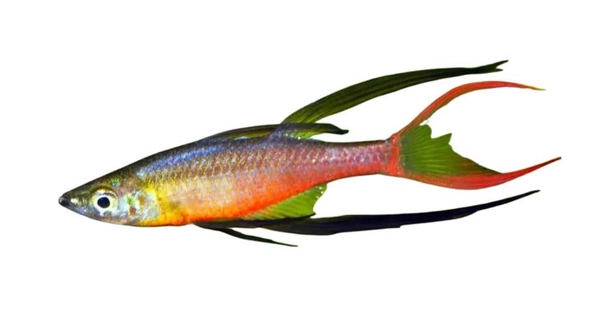
Have you ever noticed your threadfin swimming calmly around its tank and wondered if it truly enjoys the company of its tankmates? Observing their behavior can reveal more than you might think about their comfort and harmony.
A threadfin that enjoys its tankmates will display relaxed swimming patterns, vibrant colors, and active social interaction. These behaviors suggest a peaceful and balanced aquarium environment where the fish feels secure and content among its companions.
From gentle fin movements to shared feeding habits, several signs can help you understand your threadfin’s comfort and compatibility within its aquatic home.
1. Peaceful Swimming Patterns
Threadfins that feel comfortable around their tankmates often swim gracefully without rushing or hiding. Their movements appear smooth and steady, showing no signs of tension or fear. They move through the tank with ease, exploring corners and gliding near other fish without hesitation. This calm swimming behavior is one of the first visible clues that they enjoy their environment. If your threadfin swims near other fish without showing signs of aggression or distress, it usually means it feels safe. A relaxed threadfin will often hover mid-water, sometimes pausing near plants or decorations, which shows trust in its surroundings.
When a threadfin feels uneasy or threatened, it tends to dart quickly, hide behind plants, or stay near the bottom of the tank. Calm swimming indicates a sense of security, while sudden, erratic motion suggests discomfort or stress caused by incompatible tankmates.
Recognizing these patterns early helps you maintain a stable and peaceful community tank.
2. Bright and Vibrant Colors
A threadfin’s color can reveal much about its comfort level. When these fish feel at ease with their tankmates, their scales appear brighter and more reflective. The shimmer of silver and yellow tones becomes more pronounced, showing they are healthy and stress-free.
Color changes are often linked to mood and health. If your threadfin’s shades begin to dull, it may be a response to tension, poor water quality, or aggression from other fish. A threadfin in a harmonious tank will show consistent brightness, especially during feeding or active swimming periods. In contrast, faded or patchy colors often signal fear or discomfort. Keeping an eye on this detail helps ensure your fish’s well-being. Maintaining stable water conditions, providing a balanced diet, and ensuring proper tank compatibility can help preserve that vibrant glow, showing that your threadfin truly enjoys the company it keeps.
3. Active Interaction During Feeding
When a threadfin feels comfortable with its tankmates, it will feed confidently alongside them. It won’t hesitate to swim near others to grab food, showing trust and comfort within its environment. Calm, steady movements during feeding indicate a peaceful tank atmosphere.
Threadfins that enjoy their surroundings often eat actively without showing signs of stress. They might weave through plants and gently push past other fish to reach food without aggression. A comfortable threadfin usually stays near the middle of the tank, joining in as others feed. When food is introduced, they respond quickly and participate without hesitation. This confidence shows they feel safe and accepted. If they avoid eating or rush to hide, it may indicate tension or imbalance among tankmates, which can disrupt their feeding habits and overall health.
Observing how your threadfin behaves at feeding time can reveal much about tank harmony and balance.
4. Resting Comfortably Near Tankmates
Threadfins that rest peacefully near other fish show strong signs of comfort and trust. They often hover close to companions or rest in open areas instead of hiding behind plants or decorations. This relaxed behavior means they feel safe within the tank community.
A threadfin that enjoys its tankmates will settle calmly during rest periods. It might stay near the middle of the tank, floating gently while keeping a comfortable distance from others. When fish rest without showing defensive body language—such as flared fins or sudden darting—it reflects mutual peace and security. Comfortable threadfins rarely isolate themselves for long periods unless they are sleeping or adjusting to new surroundings. Providing stable lighting, consistent feeding times, and enough hiding spaces for all fish supports this calm behavior. When threadfins can rest without fear, it signals a healthy, stress-free environment that encourages positive interaction among all tank members.
5. No Signs of Aggression
A threadfin that likes its tankmates rarely shows chasing or fin-nipping behaviors. It swims smoothly among others without trying to dominate or force them away. Calm coexistence reflects a peaceful environment where every fish feels comfortable and secure.
Aggression often appears when a threadfin feels threatened or stressed. If your fish consistently swims near others without showing flared fins or sudden dashes, it suggests contentment. Balanced group dynamics help reduce tension, making the aquarium feel more natural and harmonious.
6. Exploring the Tank Freely
A content threadfin confidently explores all areas of the tank without hesitation. It moves between plants, rocks, and open water with ease, often following or swimming alongside its companions. This curiosity shows that it trusts its surroundings and feels accepted within the group.
7. Gentle Fin Movements
Soft and steady fin movements show that your threadfin feels relaxed. When fins remain open and flowing rather than tucked or rigid, it signals comfort. Gentle motion usually means your fish feels secure and content within its aquatic environment.
FAQ
How can I tell if my threadfin is stressed around its tankmates?
A stressed threadfin often hides, swims erratically, or keeps its fins tightly closed. It may avoid open areas or stay near the bottom of the tank. Faded colors and a lack of appetite are also clear signs of stress. When these behaviors appear, it’s best to check the tank’s environment. Make sure the water quality, temperature, and space are suitable. Crowding and incompatible species can cause tension. A calm threadfin will swim freely, display bright colors, and engage with other fish comfortably. Monitoring these small details helps prevent long-term stress and health issues.
Can a threadfin live peacefully with all fish species?
Not always. While threadfins are known for their gentle nature, they prefer calm and non-aggressive tankmates. Fast-moving or territorial fish can cause them stress or push them away from feeding areas. Choosing compatible companions is important. Ideal tankmates include small tetras, rasboras, or peaceful bottom dwellers like corydoras. Avoid large or fin-nipping species that may disturb them. A balanced group helps maintain peace in the aquarium and keeps your threadfin healthy and active. Compatibility is key to creating a stable and stress-free tank community.
Why does my threadfin hide even though its tankmates seem peaceful?
Hiding doesn’t always mean fear. Sometimes, threadfins retreat when adjusting to a new tank or after water changes. However, frequent hiding may suggest stress or insecurity. Check lighting conditions, as bright light can make them feel exposed. Also, ensure there are enough plants and hiding spaces for comfort. If other fish occasionally chase or dominate feeding time, your threadfin may withdraw to avoid conflict. Observing daily patterns helps you identify whether the behavior is normal or caused by tension. In a calm environment, they will eventually become more visible and confident.
What should I do if my threadfin becomes aggressive?
Aggression in threadfins is uncommon but can happen if they feel threatened or if space is limited. First, check for overcrowding. Fish need enough room to establish comfort zones. Rearranging tank decorations can help reduce territorial behavior. Make sure water parameters are stable, as poor conditions can trigger irritability. If aggression continues, separate the fish temporarily to reduce stress. Introducing them back after a few days in a rearranged setup often helps restore peace. Consistent observation is the best way to keep the aquarium balanced and calm.
How often should I monitor their interactions?
It’s a good habit to observe your threadfins daily, even for just a few minutes. Pay attention during feeding, resting, and active swimming times. These moments reveal a lot about their comfort level. Look for changes in behavior, movement, or appearance. Regular observation allows you to catch early signs of stress before they become serious problems. Consistency is essential for maintaining a healthy aquarium environment.
Do bright colors always mean happiness?
Bright colors usually signal good health and comfort, but they can also be influenced by diet and lighting. A nutritious diet rich in natural pigments enhances color vibrancy. Proper lighting helps display their natural tones. However, if bright colors suddenly fade or fluctuate, it could point to environmental stress or poor water quality. Observing both color and behavior together gives a clearer picture of overall well-being.
Can threadfins recognize their tankmates?
Threadfins are observant and social fish. They often become familiar with their tankmates over time, showing calm and steady behavior around familiar faces. They may even swim alongside specific fish more often. While their recognition isn’t emotional like humans, it’s based on visual familiarity and comfort. Introducing new fish slowly helps them adapt and maintain a peaceful setting.
How do I create a comfortable environment for threadfins?
Provide soft lighting, gentle water flow, and plenty of plants or driftwood for shelter. Threadfins thrive in calm spaces that allow free movement. Keep the water temperature stable between 75–80°F, and maintain consistent water changes. A mix of open space and hiding spots encourages both activity and security. Peaceful companions, steady feeding routines, and a clean tank create the perfect balance for their happiness.
Why is my threadfin staying away from the group?
Isolation may be a sign of discomfort or illness. If your threadfin avoids others frequently, observe for symptoms like clamped fins, dull colors, or loss of appetite. Test the water parameters to rule out issues with ammonia or temperature. Sometimes, a fish simply needs a bit of space, especially after being introduced to a new environment. With time and stability, most threadfins rejoin the group naturally.
Do threadfins need a lot of space to be happy?
Yes, space is important. These fish prefer to swim freely and feel more at ease in larger tanks. A minimum of 20 gallons for small groups helps prevent territorial stress. Spacious environments also reduce competition during feeding and resting periods. The more room they have, the more natural and relaxed their behavior becomes.
Final Thoughts
Creating a peaceful aquarium for your threadfin is not only about choosing the right fish but also about understanding their behavior. These delicate creatures communicate their comfort through simple actions that often go unnoticed. Calm swimming, bright colors, and soft fin movements are small yet important clues that show they feel safe and happy. When a threadfin swims freely and interacts gently with its tankmates, it reflects a stable environment built on trust and balance. Paying attention to these details allows you to understand their needs better and keep their habitat stress-free. Every small sign—from feeding confidently to resting comfortably—adds up to a complete picture of their overall well-being.
A comfortable threadfin thrives in a tank where harmony exists among all inhabitants. Compatibility, space, and proper care play a major role in this balance. Maintaining clean water, offering enough room to swim, and providing safe hiding spots create a calm atmosphere that encourages natural behavior. Threadfins prefer gentle surroundings with soft lighting and peaceful companions. When they feel at ease, they show their best colors and most graceful movements. Observing them during feeding and rest times gives valuable insight into their comfort level. Even minor changes in their behavior can help you identify stress early, preventing bigger problems later. Consistency is key, as stability builds their confidence and reduces anxiety.
Caring for threadfins is not just about keeping them alive—it’s about ensuring they live well. Their subtle ways of expressing comfort remind us that balance in the tank mirrors balance in care. When they move gracefully, eat with ease, and coexist peacefully, it means their needs are being met. By learning to read their behavior, you can make small adjustments that have a lasting impact. Simple things like steady water parameters, calm tankmates, and a proper feeding routine create the foundation for a thriving aquarium. Watching your threadfin flourish alongside its companions can be a rewarding experience, showing that patient observation and thoughtful care truly make a difference. In the end, a happy threadfin is a reflection of a well-maintained tank and a mindful keeper who values harmony and health above all else.

Hello,
If you enjoy the content that we create, please consider saying a "Thank You!" by leaving a tip.
Every little bit helps us continue crafting quality advice that supports the health, happiness, and well-being of pets around the world, for pets of all shapes, sizes, and species.
We really appreciate the kindness and support that you show us!