
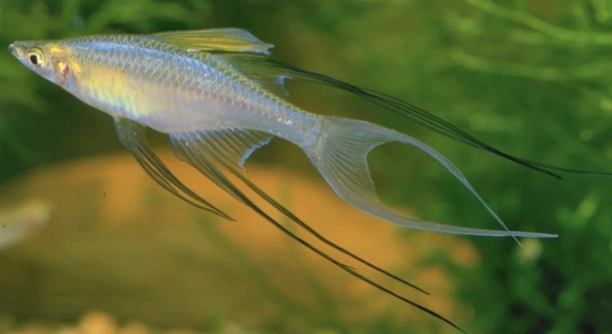
Have you ever found yourself fascinated by the colorful behavior of Threadfin Rainbowfish and wondered how they interact with their partners in the aquarium? These graceful fish often display charming, synchronized movements that seem almost romantic.
Threadfin Rainbowfish do not form lifetime pairs. While they may display temporary bonding behaviors during breeding, these connections are short-lived and primarily driven by reproduction rather than long-term attachment. After spawning, they typically go their separate ways.
Their social nature and breeding patterns reveal much about their unique instincts and natural environment, making them even more intriguing to observe and understand.
Understanding Threadfin Rainbowfish Behavior
Threadfin Rainbowfish are peaceful and social creatures that thrive in groups rather than pairs. In their natural habitat, they live in schools, swimming together in a graceful display of unity and safety. These fish rely on their group for comfort and security, making them more confident and active when surrounded by their kind. While they may appear affectionate toward one another, this behavior is often part of their social structure rather than romantic pairing. Their elegant displays and close swimming patterns help them communicate, maintain hierarchy, and reduce stress. Observing their calm interactions can be quite rewarding, especially when they feel comfortable in a well-balanced aquarium environment.
Their schooling behavior highlights their need for companionship. A single Threadfin Rainbowfish may become shy or less active without others nearby, emphasizing that they rely on group living for overall well-being and comfort.
Threadfin Rainbowfish may sometimes display short-term pairing during breeding. These moments are driven more by instinct than emotional bonding. Once spawning ends, they return to their peaceful social routine within the group, showing that their sense of connection is community-based, not focused on a single partner.
Breeding Habits and Pairing Behavior
During breeding, males become more colorful and display graceful fin movements to attract females. This display may look like courtship, but it serves a practical purpose—to encourage spawning and ensure the survival of their species.
In a well-maintained aquarium, breeding occurs when conditions mimic their natural habitat. Slightly warmer water, soft lighting, and plenty of plants often encourage spawning. Males will chase females gently, leading them to lay eggs among fine-leaved plants or spawning mops. Once eggs are released, males fertilize them, and both usually lose interest quickly. The eggs hatch within a few days, and the fry begin their independent lives without parental care. This behavior reinforces that Threadfin Rainbowfish do not form permanent pairs. Their interactions during breeding are driven by reproduction rather than attachment. Understanding this helps fish keepers create a comfortable, natural environment where these delicate fish can thrive and display their true beauty.
Creating the Right Environment
Threadfin Rainbowfish thrive in peaceful, planted aquariums that mirror their natural surroundings. A calm environment with gentle filtration and consistent water conditions helps them stay active, healthy, and display their full range of colors without signs of stress.
A spacious tank is important since they are active swimmers that enjoy open areas. Soft lighting and dense vegetation, like Java moss or fine-leaved plants, make them feel secure and provide space for spawning. Keeping them in groups of at least six encourages natural schooling behavior and reduces anxiety. The water should be clean, slightly warm, and well-oxygenated. Regular maintenance and stable parameters help prevent illness and maintain their delicate fins. A gentle current and calm tank mates are also essential to avoid fin damage and promote natural activity.
Maintaining a balanced diet plays a key role in their well-being. Threadfin Rainbowfish enjoy a mix of live, frozen, and high-quality flake foods. Feeding them small portions several times a day helps mimic their natural feeding habits and keeps their energy levels steady. Variety also enhances their color and vitality, allowing their shimmering fins to remain in top condition.
Recognizing Healthy Behavior
Healthy Threadfin Rainbowfish are active, alert, and swim gracefully in small groups. Their fins should appear clear and undamaged, and their colors bright. A healthy fish will also have a steady appetite and interact comfortably with others in the tank.
Unusual behavior, such as clamped fins, sluggish movement, or hiding for long periods, can signal stress or illness. Poor water quality, overcrowding, or aggressive tank mates often contribute to these issues. Regular observation helps spot early signs of trouble, allowing quick adjustments to water conditions or diet. Maintaining a stable environment not only supports their health but also enhances their natural beauty and peaceful presence. When cared for properly, Threadfin Rainbowfish display their most stunning colors and social behavior, creating a calm, graceful scene in any aquarium.
Common Mistakes in Care
Many fish keepers make the mistake of keeping Threadfin Rainbowfish alone or in pairs, which causes stress and dull coloration. These fish thrive in small groups, where social interaction encourages their natural movement, confidence, and vibrant display of fins.
Another common issue is placing them with fin-nipping species. Their delicate fins can easily tear, leading to infections or behavioral changes. Choosing calm tank mates like small rasboras or peaceful tetras helps prevent stress and ensures a harmonious community environment.
Feeding Tips for Better Health
Feeding Threadfin Rainbowfish properly is essential for maintaining their color and energy. Offer them a balanced mix of live or frozen foods like daphnia and brine shrimp, alongside quality flakes or micro pellets. Frequent, small feedings mimic their natural grazing habits and prevent overfeeding. Proper nutrition enhances growth, supports immunity, and keeps their fins in good condition. Including a mix of protein-rich and plant-based foods ensures they receive complete nourishment, helping them stay active and display their best appearance.
Observing Social Interaction
Watching how Threadfin Rainbowfish interact provides insight into their comfort and health. Peaceful swimming, gentle chases, and close schooling show they feel safe, while hiding or erratic movement often signals stress or unsuitable tank conditions.
FAQ
Do Threadfin Rainbowfish need a large tank?
Yes, they benefit from a spacious aquarium because they are active swimmers. A tank of at least 30 gallons is recommended for a small group, with open swimming areas and plenty of plants for hiding and comfort. Crowded conditions can stress them and reduce their vibrant coloration.
How many Threadfin Rainbowfish should I keep together?
It is best to keep at least six in a group. They are schooling fish and rely on social interaction for confidence and reduced stress. Smaller numbers may lead to shyness, hiding, and decreased activity, affecting both their health and their natural display of colors.
What water conditions do they prefer?
Threadfin Rainbowfish thrive in slightly warm water, ideally between 75–82°F, with a pH around 6.5–7.5. They need clean, well-oxygenated water with gentle filtration. Regular water changes help maintain stable conditions, preventing stress and supporting their immune system.
Are they compatible with other fish?
Yes, they do best with peaceful tank mates like small tetras, rasboras, or other non-aggressive species. Avoid fin-nippers or overly aggressive fish, as Threadfin Rainbowfish have delicate fins that can easily tear, causing stress or infections. Proper community planning ensures a harmonious aquarium.
How often should they be fed?
Feed small portions two to three times a day. They enjoy a varied diet of high-quality flakes, frozen or live foods like brine shrimp or daphnia. Frequent, smaller feedings mimic their natural grazing behavior, support energy levels, and maintain color and health.
Do they require special plants or decorations?
Dense, fine-leaved plants such as Java moss or water wisteria are ideal. These plants provide hiding spots, support natural breeding behavior, and make them feel secure. Open swimming spaces are equally important, allowing them to move freely and display natural schooling behavior.
Can Threadfin Rainbowfish breed in home aquariums?
Yes, they can, but breeding pairs do not form permanent bonds. Providing a well-planted tank with slightly warmer water encourages spawning. Males display bright colors and perform graceful movements to attract females. After spawning, both adults lose interest, leaving eggs to hatch independently.
How do I tell if they are healthy?
Healthy fish are active, swim together, and have bright, undamaged fins. They feed regularly and interact with others without signs of stress. Clamped fins, hiding, or sluggish movement often indicate water issues, improper tank mates, or illness. Regular observation is crucial for early intervention.
Do they need strong lighting?
Moderate lighting is best. Too bright lights can stress them, while gentle, consistent lighting highlights their natural colors. Plants also benefit from proper light, creating a balanced environment for both the fish and vegetation, supporting their overall health and comfort.
Is it necessary to monitor their behavior daily?
Yes, watching their interactions helps identify stress or illness early. Regular observation allows quick adjustments to diet, tank conditions, or community setup. Healthy social behavior and schooling are signs they are comfortable and thriving, making your aquarium both beautiful and balanced.
Can they live with other rainbowfish species?
Yes, they generally do well with other peaceful rainbowfish species of similar size. Mixing species helps maintain a lively school and supports natural social behavior. Always ensure similar water requirements and temperaments to prevent stress or aggression.
How long do Threadfin Rainbowfish typically live?
With proper care, they can live around five to seven years. Stable water conditions, a balanced diet, and a peaceful environment are key to longevity. Stress, poor nutrition, or overcrowding can shorten their lifespan and affect their overall health and color.
What signs indicate stress in Threadfin Rainbowfish?
Stress can show through hiding, clamped fins, loss of color, erratic swimming, or reduced appetite. Common causes include poor water quality, aggressive tank mates, or insufficient group size. Addressing these factors promptly helps restore their comfort and well-being.
Do they need a varied diet for color enhancement?
Yes, providing a mix of protein-rich foods and plant-based options enhances their natural colors. A varied diet also supports growth, immunity, and energy levels, keeping them active, vibrant, and healthy throughout their life.
Are they suitable for beginner fish keepers?
Yes, with attention to group size, water quality, and peaceful tank mates, they are manageable. Their hardiness and social nature make them rewarding for those willing to maintain stable conditions and provide proper nutrition.
Can they tolerate changes in water temperature?
Sudden changes can stress them. Gradual adjustments are crucial when modifying temperature. Maintaining a stable range within 75–82°F helps prevent illness and ensures consistent activity and coloration, supporting their long-term health and comfort in the aquarium.
Do they require regular tank maintenance?
Yes, regular cleaning, water changes, and filter checks are essential. Proper maintenance prevents buildup of waste and harmful chemicals, reducing stress and supporting healthy social behavior, vibrant colors, and overall well-being.
How important is schooling for their health?
Schooling is vital. It reduces stress, encourages natural behavior, and boosts confidence. Isolated individuals may become shy, less active, and more prone to disease. Providing at least six fish ensures social balance, making their behavior more predictable and visually appealing in the tank.
Can I mix juveniles with adults?
Yes, but monitor carefully. Adults generally tolerate juveniles if the group is large and food is abundant. Avoid overcrowding, as competition for food or space may stress both age groups. Proper observation ensures harmony and supports healthy growth for all fish.
Do they require specific water hardness?
They prefer moderately soft to slightly hard water, typically 5–15 dGH. Maintaining consistent hardness supports metabolic functions, spawning behavior, and overall health, preventing stress-related illnesses and ensuring that they remain active and colorful.
Is tank size more important than decoration?
Both are important, but adequate space for swimming takes priority. Open areas allow natural schooling, reduce aggression, and improve fitness. Decorations and plants provide security and spawning sites, creating a balanced environment that supports health, social behavior, and color vibrancy.
Final Thoughts
Threadfin Rainbowfish are beautiful, peaceful fish that bring life and color to any aquarium. Their shimmering fins and graceful swimming patterns make them enjoyable to watch, but they are more than just decorative creatures. These fish are social animals that thrive in groups, relying on one another for comfort and confidence. Keeping them alone or in small numbers can lead to stress and shy behavior. Observing their schooling behavior reveals how natural instincts guide their interactions, and it becomes clear that their well-being is closely tied to their environment and companions. Providing the right conditions not only supports their health but also allows them to display the full range of their colors and natural behavior.
Proper care for Threadfin Rainbowfish requires attention to tank size, water quality, and diet. A spacious aquarium with gentle filtration, moderate lighting, and open swimming areas is essential. Adding plants and hiding spots creates a sense of security and supports natural behaviors like spawning. Feeding a balanced diet of flakes, frozen foods, and live options ensures they receive proper nutrition, enhancing both their color and energy. Regular maintenance, such as water changes and monitoring of water parameters, keeps the fish healthy and reduces the risk of illness. Understanding their social needs and environmental preferences allows them to thrive, making it easier to enjoy their beauty and active behavior every day.
Although these fish display short-term pairing during breeding, they do not form lifetime bonds. Their interactions are guided by reproduction rather than attachment. Recognizing this helps set realistic expectations for their behavior in the aquarium. Instead of focusing on pairing, providing a supportive environment for the entire group is more important. Watching a healthy school of Threadfin Rainbowfish move together gracefully is rewarding, as it reflects both their natural instincts and the care provided by the keeper. When properly cared for, these fish can live several years, maintaining their vibrant appearance and calm temperament, creating a lively and peaceful aquarium environment that can be appreciated every day.

Hello,
If you enjoy the content that we create, please consider saying a "Thank You!" by leaving a tip.
Every little bit helps us continue crafting quality advice that supports the health, happiness, and well-being of pets around the world, for pets of all shapes, sizes, and species.
We really appreciate the kindness and support that you show us!