
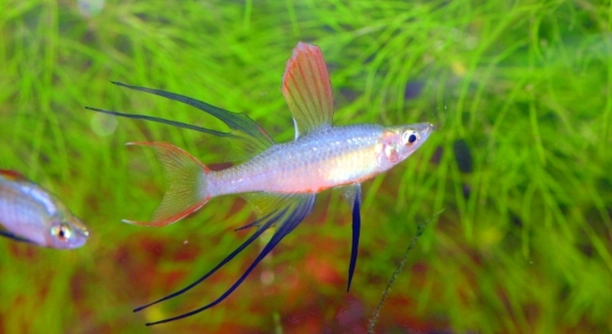
Threadfin Rainbowfish are vibrant, active fish that brighten any aquarium. At times, they may show a sudden lack of interest in food, leaving their owners puzzled and concerned about their overall health and well-being.
A common reason Threadfin Rainbowfish lose interest in food is stress caused by changes in water conditions, overcrowding, or improper diet. Ensuring stable parameters, proper tank mates, and balanced nutrition helps maintain their appetite and overall health consistently.
Observing their behavior and environment closely can reveal underlying causes for reduced feeding. Addressing these factors ensures your fish remain lively and healthy in their aquarium.
Common Causes of Reduced Appetite in Threadfin Rainbowfish
Threadfin Rainbowfish may stop eating for several straightforward reasons. Sudden changes in water temperature, pH, or hardness can stress them, making them avoid food. Overcrowding in the tank is another factor; fish feel threatened when space is limited. Poor diet also contributes. Feeding the same food repeatedly or offering low-quality flakes or pellets may make the fish uninterested. Additionally, illness can affect appetite. Parasites, bacterial infections, or internal issues can reduce feeding and energy levels. Observing swimming patterns and overall behavior can provide clues. Stress, environment, and diet are the main areas to monitor when noticing feeding problems. By focusing on these factors, you can help maintain the fish’s health and appetite consistently. Regular water testing and partial water changes support stability, and varying the diet with live or frozen foods encourages natural feeding behavior. These small adjustments often restore interest in food.
Adjusting water and diet gradually helps prevent sudden appetite drops.
Keeping water stable and introducing dietary variety ensures Threadfin Rainbowfish stay healthy and active, reducing long-term stress and feeding issues effectively.
Improving Feeding Habits
Offering a mix of live, frozen, and high-quality pellet foods encourages consistent feeding.
Providing a balanced diet tailored to their size and nutritional needs is essential. Live foods like brine shrimp or daphnia stimulate natural hunting behavior. Frozen foods add variety and important nutrients. Pellets or flakes designed for Rainbowfish complete their diet. Feeding small amounts multiple times a day prevents overfeeding and maintains interest. Avoid sudden changes in food type, as this can discourage eating. Monitoring which foods your fish prefers helps identify patterns. Environmental enrichment, like plants or hiding spots, reduces stress and supports regular feeding. Maintaining clean water is crucial; leftover food can decompose and harm water quality. By carefully combining diet, environment, and feeding schedule, Threadfin Rainbowfish are more likely to eat consistently. Regular observation and adjustments ensure their long-term health, vitality, and active behavior in the aquarium. Over time, these strategies prevent appetite issues and contribute to a thriving aquatic community.
Water Quality and Its Impact
Poor water quality directly affects Threadfin Rainbowfish appetite. High ammonia, nitrite, or nitrate levels can stress fish, causing them to avoid food. Maintaining stable parameters is essential to keep them healthy. Regular testing and partial water changes help prevent sudden drops in feeding behavior.
Keeping water clean and stable ensures Rainbowfish remain active and willing to eat. Filtration and aeration support oxygen levels, reducing stress. Monitoring temperature and pH avoids fluctuations that disrupt feeding. Even small imbalances can impact their health. Consistent maintenance is key to promoting appetite and overall vitality.
Unstable water parameters can weaken the immune system, making Rainbowfish more prone to disease. Stress from poor water quality reduces their willingness to eat and can lead to long-term health issues. Observing fish behavior, such as sluggish swimming or hiding, signals problems. Addressing water quality promptly restores appetite. A routine of testing, partial water changes, and filter cleaning prevents feeding disruptions. Providing a stable and clean environment supports both their nutritional intake and activity levels. By prioritizing water health, appetite and growth improve naturally, minimizing the risk of illness.
Environmental Stress Factors
Overcrowding and aggressive tank mates reduce Rainbowfish appetite. Stress triggers hiding or erratic swimming, limiting feeding opportunities. Providing ample space and compatible species promotes consistent eating and lowers tension.
Threadfin Rainbowfish are sensitive to environmental changes. Loud vibrations, sudden movements near the tank, or constant bright lighting can startle them and make them avoid food. Plants, rocks, and hiding spots reduce stress and create a comfortable habitat. Observing interactions with tank mates helps identify sources of tension. Maintaining a calm environment encourages natural feeding behavior and supports overall health.
Temperature fluctuations, poor tank layout, or incompatible fish can prevent Rainbowfish from feeling secure. Ensuring a balanced, stable environment reduces stress and restores appetite. Regularly checking for bullying or chasing behaviors helps maintain harmony. Even minor adjustments, like rearranging decorations or adding shaded areas, make fish more confident during feeding. A peaceful habitat allows Rainbowfish to explore and eat without fear. Stress reduction combined with clean water and proper diet ensures they remain lively, healthy, and consistently interested in food.
Diet and Feeding Routine
Feeding the same type of food repeatedly can make Threadfin Rainbowfish lose interest. Rotating between flakes, pellets, and live or frozen options keeps them engaged and encourages consistent eating.
Small, frequent meals are better than large, infrequent feedings. Overfeeding can lead to uneaten food, which harms water quality and discourages appetite.
Illness and Health Issues
Parasites, bacterial infections, and internal problems often cause reduced appetite. Symptoms may include lethargy, faded colors, or unusual swimming patterns. Early detection and treatment are crucial. Quarantining new or sick fish prevents disease from spreading. A balanced diet and clean water support recovery.
Seasonal and Environmental Changes
Temperature shifts and seasonal lighting changes can affect feeding habits. Threadfin Rainbowfish may naturally eat less during cooler periods or altered light cycles. Monitoring conditions and adjusting feeding schedules helps maintain their health.
FAQ
Why is my Threadfin Rainbowfish ignoring food suddenly?
Sudden disinterest often stems from stress, poor water quality, or a repetitive diet. Changes in temperature, pH, or tank setup can make fish wary of eating. Monitoring behavior, checking water parameters, and offering a variety of food usually restores appetite.
How can I tell if the loss of appetite is due to illness?
Illness often shows as lethargy, faded coloration, clamped fins, or unusual swimming patterns. Parasites, bacterial infections, and internal issues reduce feeding. Quarantining new or sick fish and consulting a veterinarian or experienced aquarist helps address health concerns early.
Can water conditions really affect their feeding habits?
Yes, water quality has a major effect. High ammonia, nitrites, or nitrates stress fish and reduce appetite. Temperature fluctuations or sudden changes in hardness and pH can discourage eating. Maintaining stable water conditions is essential for regular feeding behavior.
How often should I feed Threadfin Rainbowfish?
Small, frequent feedings are best. Two to three times per day in limited amounts prevents overeating, reduces uneaten food, and keeps water quality stable. Overfeeding can harm appetite and the overall environment.
What types of food are most effective to keep them interested?
A mix of high-quality flakes, pellets, and live or frozen foods works best. Live foods like brine shrimp or daphnia stimulate natural hunting behavior, while frozen foods add variety and essential nutrients. Rotating diet prevents boredom and encourages consistent eating.
Can tank mates affect their feeding?
Yes, aggressive or overly active tank mates can stress Threadfin Rainbowfish and reduce feeding. Overcrowding or bullying makes fish hide or swim nervously, skipping meals. Ensuring compatible species and sufficient space encourages healthy eating.
Does tank layout influence appetite?
Plants, rocks, and hiding spots reduce stress and create a comfortable environment. Shaded areas or calm zones allow fish to feed without fear. Rearranging decorations occasionally can improve confidence and help them explore food naturally.
Should I adjust feeding during seasonal changes?
Temperature and lighting shifts can affect metabolism and appetite. Fish may eat less during cooler periods or altered light cycles. Adjusting feeding schedules and monitoring conditions helps maintain consistent nutrition throughout the year.
How long will it take for appetite to return after changes?
Recovery depends on the cause. Minor adjustments in water, diet, or environment often show improvement within a few days. Illness or severe stress may take longer and require treatment. Consistency in care ensures faster and more stable recovery.
Is there a way to prevent future feeding issues?
Maintaining clean, stable water, providing dietary variety, and monitoring tank dynamics reduces the risk of future appetite problems. Regular observation and minor adjustments help Threadfin Rainbowfish stay healthy, active, and consistently interested in food.
What should I do if they refuse to eat completely?
If appetite loss persists for more than a few days despite proper water, diet, and environment, isolate the fish and seek advice. Professional guidance ensures accurate diagnosis and treatment, preventing long-term health issues.
Threadfin Rainbowfish are lively, colorful fish that can bring vibrancy to any aquarium. However, their feeding habits can sometimes change, leaving owners concerned. A sudden loss of appetite is often linked to stress, water quality, diet, or health issues. Observing the fish closely and monitoring their environment provides important clues. Small changes, like adjusting water temperature, adding plants for hiding spots, or introducing variety in their diet, can make a noticeable difference. Maintaining a stable and clean tank helps prevent many common problems, allowing the fish to feed naturally and remain active. Over time, careful attention to their needs helps ensure they stay healthy and display their full colors.
A balanced diet plays a significant role in keeping Threadfin Rainbowfish interested in food. Rotating between flakes, pellets, and live or frozen foods prevents boredom and encourages natural feeding behavior. Overfeeding or providing low-quality food can quickly reduce appetite, while small, frequent meals help maintain interest. Live foods like brine shrimp or daphnia stimulate hunting instincts and contribute essential nutrients. Frozen foods offer variety and consistency, while high-quality flakes and pellets ensure nutritional needs are met. By observing which foods the fish prefer, adjustments can be made to keep them eating regularly. Environmental enrichment, such as plants or hiding areas, also reduces stress and encourages confident feeding. Combining proper diet with a well-maintained tank supports overall health, vitality, and consistent appetite.
Health and environmental factors cannot be overlooked. Stress from aggressive tank mates, overcrowding, or sudden changes in water parameters can cause Rainbowfish to avoid food. Illness or parasites often lead to reduced feeding and visible symptoms like lethargy or faded colors. Early detection and intervention are essential for recovery. Monitoring water quality, maintaining clean and stable conditions, and addressing health issues promptly ensures the fish remain active and healthy. Seasonal changes in temperature or lighting can also influence feeding patterns, so adjusting schedules when necessary helps maintain consistent nutrition. By paying attention to diet, environment, and health, Threadfin Rainbowfish can thrive, showing both their full colors and active personalities. These practices create a supportive, stable environment that promotes appetite, reduces stress, and fosters long-term well-being.

Hello,
If you enjoy the content that we create, please consider saying a "Thank You!" by leaving a tip.
Every little bit helps us continue crafting quality advice that supports the health, happiness, and well-being of pets around the world, for pets of all shapes, sizes, and species.
We really appreciate the kindness and support that you show us!