
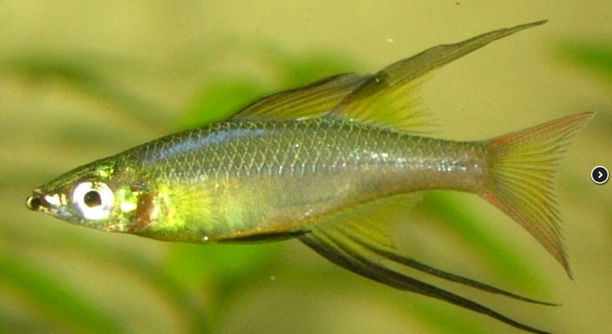
Have you ever watched your threadfins swim quietly in the tank and noticed how they seem to pause and wait? Their subtle movements and gentle glides can be calming, almost like they are taking a moment to rest.
Threadfins often respond to a quiet tank by reducing their swimming activity, gathering near the bottom, and engaging in slow, deliberate movements. This behavior helps conserve energy and minimizes stress, allowing them to adapt comfortably to a calm environment.
Observing these subtle behaviors provides insight into their natural instincts and can help you create a more peaceful, supportive environment for your fish.
How Threadfins React to Silence
When the tank goes quiet, threadfins often slow down their movements and stay closer to familiar areas. They may hover near rocks or plants, taking small, careful glides rather than swimming actively across the tank. Some may form small groups or lines, gently moving together without sudden bursts of energy. This calm behavior is normal and shows that the fish are comfortable in their surroundings. It’s not unusual to see them pause, almost motionless, as if listening to the subtle currents in the water. Their fins may sway slowly, and they may occasionally shift positions to adjust for light or current changes. Observing them during these quiet moments can be surprisingly peaceful and gives a better understanding of their natural instincts. Even when they appear inactive, they remain alert to subtle changes, like the movement of other fish or changes in lighting, showing a gentle balance between rest and awareness in the tank environment.
This behavior helps threadfins conserve energy and stay stress-free. They adapt naturally to calm conditions and maintain their health.
By noticing these patterns, you can adjust the tank environment to support their comfort. Providing hiding spots, gentle lighting, and steady water flow encourages them to explore while still allowing quiet periods. Feeding routines can be timed with their activity levels, ensuring they get nutrition without sudden disturbances. Understanding these behaviors makes caring for threadfins easier and more rewarding. Quiet moments are not signs of illness but a part of their natural rhythm, showing patience and calm coexistence with their habitat.
Signs of Resting and Exploration
Threadfins often display subtle fin movements and slow swimming when exploring quietly. These are natural ways to stay aware while conserving energy.
Even in a calm tank, threadfins continue exploring lightly, checking different areas and interacting minimally with other fish. They may nibble at plants, inspect corners, or glide past rocks slowly. Such behavior is part of their routine, combining rest with gentle exploration. This balance helps maintain both their physical health and mental alertness, creating a steady, calm presence in the tank. By paying attention to these small cues, caretakers can provide a suitable environment that respects their natural instincts and supports overall wellbeing. Observing them over time highlights patterns of preferred areas, favorite spots, and interaction tendencies, making tank management more intuitive and responsive to their needs.
Feeding Patterns During Quiet Periods
Threadfins often eat less when the tank is quiet. They take small bites slowly, showing patience while exploring the food.
Even during calm periods, threadfins remain alert while feeding. They approach food cautiously, often testing it before fully consuming. Some may nibble near other fish without causing disturbances, while others prefer isolated spots. This measured approach prevents stress and maintains harmony in the tank. Observing their feeding patterns during quiet times helps understand their preferences, making it easier to provide the right amounts and types of food. Adjusting feeding schedules to align with these calm periods can improve their health.
Feeding slowly during quiet moments also reduces waste in the tank. It gives the fish time to process food properly and encourages more natural foraging behaviors. Watching how they interact with food quietly provides insight into their personalities and their ways of handling minimal activity environments. Recognizing these subtle patterns allows caretakers to create routines that feel comfortable and natural for the threadfins.
Environmental Comfort and Adaptation
Threadfins respond well to stable water conditions and soft lighting, staying calm and active at their own pace.
Maintaining consistent temperature, gentle currents, and balanced lighting helps threadfins feel secure. They explore slowly, resting near familiar structures and adjusting to subtle changes in their surroundings. Plants, rocks, and hiding spots provide reassurance, allowing them to navigate quietly without stress. Over time, they show patterns in preferred resting areas and movement paths, adapting their behavior to match the environment’s stability. Creating a predictable tank setup encourages natural activity and supports mental wellbeing. Threadfins can become more interactive in response to a stable, calm environment, revealing their curiosity without sudden bursts of movement. Careful observation of these adjustments helps tailor care routines and tank arrangements effectively.
Subtle Social Interactions
Threadfins often stay close to each other in quiet tanks. They may swim in loose groups, signaling comfort and familiarity with their companions.
Even without active play, gentle fin touches and parallel swimming occur. These interactions help maintain social bonds while keeping energy use low and stress minimal.
Adjusting to Light Changes
Threadfins respond quickly to shifts in lighting. Sudden brightness may make them retreat to shaded areas or plants. Gradual changes in light help them stay calm and maintain steady activity without stress or erratic swimming.
Signs of Healthy Rest
During quiet periods, threadfins rest near the bottom or among plants. Their slow fin movements and brief pauses indicate proper energy conservation and a stable environment.
FAQ
Why do threadfins stay still when the tank is quiet?
Threadfins often reduce movement during calm periods to conserve energy and feel secure. Staying near familiar areas like rocks, plants, or corners gives them a sense of stability. Even when still, they remain alert, observing surroundings and adjusting subtly to changes in light or water flow.
Is it normal for threadfins to group together silently?
Yes, grouping quietly is a common behavior. Threadfins use gentle proximity to maintain social bonds without expending unnecessary energy. They may swim parallel or hover near each other, creating a calm dynamic that helps reduce stress and maintain harmony in the tank.
How often should I feed threadfins during quiet periods?
Feeding frequency doesn’t need to change drastically during calm periods, but smaller, slower meals are beneficial. Threadfins often eat more cautiously when the tank is quiet, testing food and nibbling slowly. Offering smaller portions multiple times a day ensures they get enough nutrition without causing water pollution.
Do threadfins hide more when the tank is quiet?
They may move closer to plants or shaded areas but not necessarily hide. Quiet periods encourage subtle exploration rather than active hiding. Providing gentle lighting, plants, and structures allows them to feel safe while still interacting lightly with the environment.
Can quiet periods affect their health?
Not usually. Periods of calm are part of their natural behavior. Threadfins conserve energy, rest, and maintain alertness. However, it’s important to monitor their overall activity, eating habits, and appearance. Sudden lethargy, loss of appetite, or unusual coloration may indicate stress or illness.
How do threadfins react to sudden disturbances?
When startled, threadfins typically dart quickly to safe areas before resuming calm movements. They rely on familiar tank structures to feel secure. Observing how they recover after minor disturbances can indicate their comfort level and adaptability to the environment.
Do light changes impact quiet behavior?
Yes, threadfins are sensitive to light. Gradual changes in brightness support calm activity, while sudden bright light may cause them to retreat to shaded areas. Maintaining consistent lighting patterns helps reduce stress and encourages predictable resting and exploration habits.
Should I adjust water flow during quiet periods?
Stable, gentle water flow supports calm behavior. Strong currents can disrupt their slow movements and increase stress. Threadfins prefer smooth, steady currents that mimic natural conditions, allowing them to explore or rest comfortably without unnecessary effort.
Can I interact with threadfins when the tank is quiet?
Interaction should be gentle. Quiet periods are ideal for observing subtle behaviors, but sudden movements or tapping can startle them. Slow hand movements near the tank or adding food gradually lets you engage without disrupting their calm rhythm.
How can I tell if quiet behavior is normal or a problem?
Normal quiet behavior includes slow swimming, occasional gliding, and light interactions with tank features or other fish. Signs of concern include prolonged inactivity, clamped fins, lack of appetite, or abnormal swimming. Monitoring patterns over time helps distinguish natural calm from potential health issues.
Do threadfins communicate during quiet times?
Yes, subtly. Gentle fin touches, parallel swimming, and hovering near companions are ways they maintain social connections without creating disturbance. Observing these cues provides insight into their comfort level, social dynamics, and overall wellbeing in the tank environment.
Is tank arrangement important for quiet periods?
Absolutely. Plants, rocks, and hiding spots allow threadfins to explore or rest safely. Structured environments reduce stress, encourage natural behaviors, and support calm interactions. Adjusting tank layout to balance open swimming areas with sheltered spaces enhances their ability to adapt to quiet periods naturally.
What should I do if threadfins seem overly still for days?
If stillness continues unusually long, check water quality, temperature, and feeding habits. Ensure there are no signs of illness or stress. Sometimes minor adjustments to lighting, water flow, or hiding spots can restore normal activity. Persistent inactivity may require consultation with a professional for proper assessment.
Can quiet periods help in observing their personality?
Yes, quiet periods reveal subtle behaviors, preferred resting areas, and social tendencies. Observing how threadfins interact in calm conditions provides a better understanding of individual personalities and allows caretakers to tailor care to each fish’s natural rhythms.
Do threadfins need constant activity to stay healthy?
No, they balance rest with activity. Quiet periods are a normal part of their routine, allowing energy conservation, stress reduction, and mental alertness. Encouraging steady but gentle activity combined with calm intervals promotes long-term health and wellbeing in the tank.
Final Thoughts
Threadfins are naturally calm fish, and their behavior during quiet periods is part of their normal routine. Observing them when the tank is still can reveal a lot about their instincts, preferences, and overall wellbeing. They often slow their movements, hover near plants or rocks, and maintain gentle social interactions with other fish. These quiet moments are not signs of illness but rather a way for threadfins to conserve energy and stay aware of their surroundings. It is important to notice patterns over time. Understanding when they are simply resting versus when they might be stressed or unwell helps in providing better care. Regular observation allows caretakers to make adjustments in feeding, lighting, and tank arrangement to support their natural rhythms. Quiet periods give threadfins space to process their environment without constant stimulation, which is beneficial for both their mental and physical health.
Creating a supportive environment for threadfins during calm times involves attention to small details. Lighting should be gradual rather than sudden, helping them adjust without stress. Water flow should remain gentle, allowing them to glide naturally instead of fighting strong currents. Hiding spots, plants, and rocks give them a sense of security while still leaving space for slow exploration. Feeding during quiet periods should be measured, with small portions that match their cautious approach. Threadfins often test food first and eat slowly, so giving them the right timing and portions ensures proper nutrition while keeping the tank clean. Consistency in these environmental factors encourages natural behaviors, reduces stress, and promotes healthy development. By supporting their calm behavior rather than constantly pushing activity, caretakers can maintain a more peaceful and balanced tank ecosystem that respects the fish’s instincts.
Observing threadfins during quiet periods also helps build a deeper understanding of their personalities. Each fish may have preferred resting areas, favorite spots to swim, or unique ways of interacting with companions. Noticing these subtleties can make it easier to provide individualized care and anticipate their needs. Quiet periods allow for gentle observation of social dynamics, feeding habits, and activity patterns, all of which contribute to long-term wellbeing. Maintaining a calm, stable, and predictable environment helps threadfins feel secure and confident, allowing them to explore or rest without stress. By paying attention to these moments and adjusting care routines accordingly, caretakers can ensure threadfins remain healthy, active, and comfortable, creating a harmonious tank environment for everyone.

Hello,
If you enjoy the content that we create, please consider saying a "Thank You!" by leaving a tip.
Every little bit helps us continue crafting quality advice that supports the health, happiness, and well-being of pets around the world, for pets of all shapes, sizes, and species.
We really appreciate the kindness and support that you show us!