
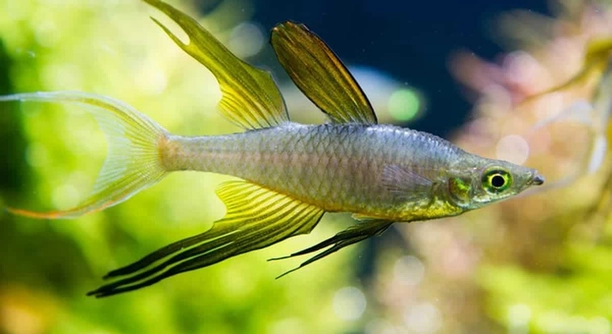
Have you ever noticed your threadfins behaving differently and wondered if it means they are getting ready to mate? These subtle changes often indicate something exciting happening beneath the surface.
Threadfins display distinct behaviors when preparing to mate, such as increased coloration, synchronized swimming, nest-building, and territorial displays. These clues serve as essential indicators of reproductive readiness, helping aquarists identify and support optimal breeding conditions for their fish.
Recognizing these signs allows you to create the right environment for successful breeding and ensure your threadfins remain healthy and comfortable during this special time.
1. Brighter Colors Begin to Show
When threadfins prepare to mate, one of the first signs is the change in their color. Males often display brighter and more vibrant hues, particularly along their fins and bodies. These color changes are not random but serve as a signal of health and readiness to potential mates. The intensity of their colors helps them stand out and attract attention, especially in community tanks where competition can occur. You may also notice males showing off their fins more often, swimming in a slightly exaggerated or graceful manner. These subtle yet noticeable shifts usually happen gradually, allowing observant aquarists to catch the early clues before spawning begins. Maintaining clear water and providing a nutrient-rich diet during this time helps enhance their colors even more, keeping your threadfins in their best condition for breeding season.
Color enhancement is not only beautiful but also a clear indicator that your fish feel comfortable and ready to reproduce.
Healthy coloration is a natural expression of breeding readiness. Threadfins depend on these visual cues to communicate fitness and establish pair bonds. By supporting them with clean water, steady temperatures, and balanced food, you can encourage successful mating displays and improve their overall well-being during this exciting period.
2. Males Become More Territorial
As mating time approaches, males often begin to guard specific areas within the aquarium. They chase away others, especially rival males, to claim a suitable spawning space. This behavior might appear aggressive but is normal during breeding preparations.
Territorial behavior serves an important role in ensuring reproductive success. Males create and protect zones that offer safety and proper conditions for laying eggs. You might see them circling certain spots, flaring fins, or engaging in short displays to ward off intruders. This heightened activity shows that hormones are shifting and that the male is ready to attract a mate. If the tank is too crowded, stress may interfere with breeding, so providing plenty of hiding spaces and plants is beneficial. Balanced lighting and stable water parameters can further support this stage. Observing this assertive side of threadfins can be fascinating, revealing how instinctive and purposeful their courtship behavior truly is.
3. Increased Pair Swimming
When threadfins prepare to mate, pairs often begin swimming closely together. Their movements become synchronized, and they stay near each other for long periods. This behavior strengthens their bond and ensures coordination when the actual spawning begins.
Pair swimming is a gentle and graceful behavior that shows trust between partners. The male usually leads, while the female follows with slight hesitation before matching his pace. This back-and-forth motion helps both fish understand each other’s cues and timing. It’s common to see them circling plants or smooth rocks where eggs might later be released. The closeness between them increases as they continue swimming side by side, showing mutual readiness for breeding. Observing this pattern lets you know your fish feel comfortable and that environmental conditions are right for reproduction. It’s a peaceful and fascinating stage to watch in any well-balanced aquarium.
Providing calm surroundings encourages this natural bonding. Avoid sudden movements or loud noises near the tank, as stress can interrupt their rhythm. A stable temperature, consistent lighting, and enough swimming space help threadfins maintain focus on each other. As their connection strengthens, you’ll notice smoother and more deliberate movements, signaling that spawning could occur soon under the right conditions.
4. Subtle Nest-Building Signs
Threadfins often show small but clear nesting behaviors before spawning. Males usually select specific spots within plants or sheltered areas to prepare for egg-laying. These chosen areas are gently cleaned and guarded as the female observes from nearby.
Nest-building helps protect the eggs once they’re released. The male focuses on clearing debris and securing the chosen area, ensuring the eggs have a safe surface to attach to. Some threadfin species use fine plants, while others prefer flat rocks or quiet tank corners. You might see the male spending extra time inspecting and adjusting the spot until it meets his standards. This preparation is guided by instinct, ensuring higher chances of egg survival. During this phase, it’s best to minimize tank maintenance that could disturb their chosen site. Creating a calm environment allows them to complete this stage naturally and without disruption.
5. Females Show a Fuller Appearance
As mating approaches, female threadfins often develop a rounder belly due to the eggs forming inside. This fuller shape becomes more noticeable over a few days, especially when viewed from above or the side of the aquarium.
A healthy, well-fed female will appear smooth and balanced, not bloated or uneven. The roundness should look natural and increase gradually. During this stage, it’s important to keep her diet rich in protein and maintain clean water conditions. This supports proper egg development and reduces any stress that might delay spawning.
6. Subtle Changes in Feeding Behavior
Threadfins may eat less or appear more selective as they prepare to mate. This shift is normal and temporary, as their focus turns from feeding to courtship and breeding activities. Observing these changes helps identify when spawning may soon occur, allowing you to adjust feeding routines accordingly.
7. Short Bursts of Courtship Displays
Males often perform short, quick displays to impress females. These include fin flaring, rapid circling, or gentle nudging to guide the female toward the spawning area. Such behaviors are clear indicators that the final stage of mating is about to begin.
FAQ
How can I tell when my threadfins are ready to mate?
Threadfins show several behavioral and physical signs when preparing to breed. Males display brighter colors and may become territorial, choosing and guarding a preferred area. Females often develop a fuller belly as eggs mature. You may also notice pairs swimming together, synchronized, or males performing brief courtship displays.
Do environmental factors affect mating readiness?
Yes, water quality, temperature, and tank setup all influence breeding behavior. Clean water, stable temperatures, and proper lighting create conditions that support reproductive instincts. Providing hiding spots, plants, or smooth surfaces for egg-laying encourages natural behaviors and reduces stress that could interrupt mating preparation.
Should I change their diet before breeding?
A nutrient-rich diet helps both males and females develop fully for spawning. Feeding high-protein foods such as small live or frozen fish, shrimp, or specialized pellets can improve egg quality and enhance male coloration. Avoid overfeeding, which can harm water quality and stress fish.
Is it normal for males to act aggressive during this period?
Yes, increased aggression is a natural part of courtship. Males guard territories and may chase rivals to secure a safe nesting site. While it can look concerning, it’s typically limited to displays or brief chases. Providing enough space and hiding spots helps reduce conflicts.
How long does the mating preparation phase last?
Preparation can vary but generally lasts several days to a couple of weeks. The process includes color changes, synchronized swimming, nest selection, and brief courtship displays. Observing the fish closely during this time allows you to identify when actual spawning is likely to occur.
What signs show that actual spawning is about to happen?
Males continue short, active displays and guide females toward prepared areas. Females may linger near nests and appear more alert. Pair swimming becomes more deliberate, and males may clear specific spots repeatedly. These behaviors signal the final stage before egg release.
Can multiple pairs mate in the same tank?
Yes, multiple pairs can spawn simultaneously if the tank is large enough and has enough hiding spaces. Crowded conditions can lead to stress or disrupted breeding, so ensure each pair has its own territory and access to suitable nesting sites.
Do threadfins require specific water conditions for spawning?
Stable water parameters are essential. Temperature, pH, and hardness should be consistent and suitable for the species. Sudden changes can stress fish and delay mating. Gentle filtration and minimal disturbances help maintain a calm environment that supports natural reproductive behavior.
How should I care for the eggs once they are laid?
Some threadfins may guard their eggs, while others do not. If the species tends to eat eggs, consider moving them to a separate hatching tank or providing dense plant cover. Maintaining clean, oxygenated water is critical for egg survival, along with stable temperature conditions.
Can I intervene if mating behavior seems delayed?
Minor delays are normal, but improving tank conditions, providing a high-quality diet, and reducing stress can encourage reproductive behavior. Avoid aggressive interference or overhandling, as threadfins rely on stable environments and instinctive behaviors to trigger spawning naturally.
How often can threadfins breed?
Frequency varies depending on species, age, and health. In a well-maintained environment with proper nutrition and stable conditions, healthy adults may spawn multiple times during a breeding season. Observing signs like pair swimming, nest preparation, and courtship displays helps gauge readiness for each cycle.
Is it necessary to separate males and females outside the breeding period?
Not usually, unless aggression becomes excessive. Outside the breeding period, keeping fish together in a spacious, well-structured tank reduces stress and allows natural social interactions. Separation is generally only needed if fighting threatens the health of specific individuals or during controlled breeding setups.
Do stress and illness affect mating behavior?
Absolutely. Illness, poor water quality, overcrowding, or sudden disturbances can suppress reproductive instincts. Ensuring a calm, clean, and safe environment is essential for both preparing for and successfully completing spawning. Regular monitoring and timely intervention improve chances of successful breeding.
Can I identify male and female threadfins easily?
Males are often more colorful and may develop elongated fins or subtle markings during the breeding period. Females typically have rounder bellies as eggs develop. Observing behavior, such as territory defense and courtship displays, also helps distinguish males from females in the breeding season.
How important is observation during this period?
Careful observation allows you to recognize key signs of reproductive readiness, including color changes, nest-building, and pair swimming. Tracking these behaviors helps ensure the tank environment supports healthy mating and allows for timely adjustments to water conditions, diet, or tank setup to encourage successful spawning.
Final Thoughts
Observing threadfins as they prepare to mate is a fascinating part of keeping these fish. Each subtle behavior, from color changes to pair swimming, reveals their natural instincts and how they interact with their environment. Males tend to become more vibrant and territorial, signaling their readiness to reproduce, while females gradually develop a fuller belly as their eggs mature. Recognizing these signs helps you understand when your fish are ready for the next stage in their life cycle. By paying attention to these details, you can create a supportive environment that encourages natural behaviors and improves the likelihood of successful spawning. It is a gradual process, and noticing these small changes can be both rewarding and educational for anyone who cares for threadfins.
Maintaining optimal conditions in the tank is essential for supporting mating behavior. Stable water parameters, clean tanks, and a nutritious diet play a key role in keeping threadfins healthy and ready to breed. Stress or sudden changes can delay mating, so it’s important to avoid excessive disturbances during this time. Providing hiding spots, plants, or smooth surfaces for nesting can make a significant difference in their behavior. Males will often guard these areas and perform brief displays to attract females, which is a natural and necessary part of their reproductive strategy. Observing these behaviors without interference allows your fish to follow their instincts, which increases the chances of successful breeding. Preparing your aquarium carefully and offering consistent care supports the fish’s natural cycle and makes the entire experience smoother and more predictable.
Understanding threadfin mating behavior is not just about achieving breeding success; it also helps you care for your fish in a way that aligns with their natural needs. By observing changes in color, swimming patterns, feeding habits, and nesting activities, you can provide the right environment at the right time. Being patient and attentive ensures that both males and females are comfortable and confident in their surroundings, reducing stress and promoting healthier, more active fish. Watching these subtle behaviors unfold can be deeply satisfying, as it shows how instinct drives their actions and how small environmental factors can have a significant impact. Supporting their reproductive process with care and observation allows you to enjoy a more meaningful connection with your threadfins while promoting their long-term health and well-being.

Hello,
If you enjoy the content that we create, please consider saying a "Thank You!" by leaving a tip.
Every little bit helps us continue crafting quality advice that supports the health, happiness, and well-being of pets around the world, for pets of all shapes, sizes, and species.
We really appreciate the kindness and support that you show us!