
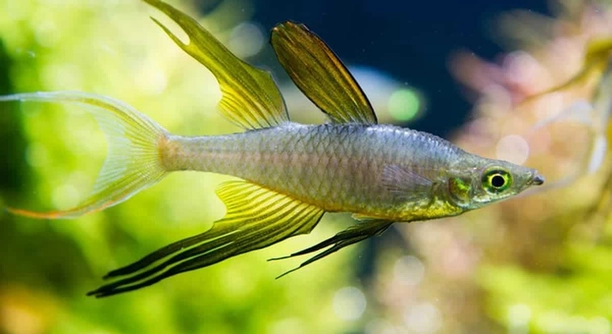
Have you ever watched your threadfin rainbowfish glide gracefully through the water and wondered how they react to changes in their surroundings?
Threadfin rainbowfish can indeed sense water pressure shifts through their lateral line system. This specialized sensory organ detects vibrations and changes in pressure, allowing the fish to respond quickly to environmental fluctuations such as approaching predators, obstacles, or weather changes.
Understanding how these delicate fish perceive their underwater world reveals fascinating insights into their survival instincts and natural behaviors.
How Threadfin Rainbowfish Detect Pressure Changes
Threadfin rainbowfish use a specialized sensory system known as the lateral line to detect water pressure shifts. This line runs along each side of their body and is made up of tiny sensory cells that respond to movement and vibration. These cells help the fish sense nearby motion, such as changes in current or the presence of other fish. It acts almost like a built-in radar, allowing them to move gracefully and avoid danger even in low visibility conditions. This sensitivity is particularly useful in the wild, where sudden pressure changes often signal storms, predators, or shifts in water depth.
Their ability to detect these subtle cues helps them adapt quickly, ensuring safety and balance in dynamic environments.
This sensory mechanism also influences how threadfin rainbowfish interact with one another. It assists in schooling behavior, where fish swim closely together in coordinated patterns without colliding, guided mainly by these pressure and vibration signals.
Environmental Influence on Sensory Response
The efficiency of their lateral line system depends on water quality and temperature. Clean, oxygen-rich water enhances sensory accuracy, while pollutants or poor conditions can reduce sensitivity, affecting their ability to respond to movement and environmental change.
When kept in aquariums, maintaining stable conditions is essential to support this sensory function. Threadfin rainbowfish thrive in well-filtered tanks with consistent water parameters and minimal sudden changes. Fluctuations in temperature or pressure, such as during frequent water changes, can stress them and interfere with their ability to interpret signals. In nature, this sense helps them detect shifts caused by weather or water depth, allowing them to migrate or adjust position as needed. By recreating calm and stable conditions, aquarists not only preserve their comfort but also allow these fish to display their natural swimming patterns and vibrant colors more confidently.
The Role of Pressure Sensitivity in Survival
Pressure sensitivity allows threadfin rainbowfish to detect changes in their surroundings before they become visible. This early awareness helps them avoid predators, navigate obstacles, and locate safe areas when water conditions shift suddenly or currents grow stronger.
In natural habitats, such as rivers and lakes, water pressure changes can signal approaching storms or disturbances from larger animals. The lateral line immediately senses these variations, prompting the fish to adjust depth or direction. This behavior reduces the risk of injury and improves group coordination when schooling. Their ability to interpret subtle water movement helps them maintain balance even when visibility is low, relying on sensory feedback instead of sight. This skill is vital for survival in unpredictable environments, where swift responses to environmental cues often determine safety.
For aquarists, understanding this natural behavior is essential. Threadfin rainbowfish thrive best in calm environments with consistent water flow, mimicking the conditions they rely on in the wild. Sudden disruptions, such as strong filters or abrupt tank movements, may cause stress or confusion. Providing gentle circulation and stable parameters allows them to swim gracefully and remain relaxed. Observing their reactions to movement or vibration offers insight into their comfort level and helps maintain a balanced aquatic habitat.
How Pressure Sensing Affects Behavior
Threadfin rainbowfish use pressure sensitivity not only for safety but also for communication and coordination. Subtle shifts in water movement signal other fish in the group, helping them maintain spacing and synchronized swimming patterns naturally. This interaction is essential for maintaining order and preventing collisions.
In a home aquarium, this behavior is easily observed when several threadfin rainbowfish move together in perfect harmony. Each fish adjusts slightly based on pressure changes created by others’ movements. This coordination depends entirely on the efficiency of their lateral line system. When the environment remains stable, they exhibit smoother swimming and less erratic motion. However, if the water flow becomes uneven or too strong, it disrupts their ability to sense these signals accurately. Maintaining consistent lighting, filtration, and temperature supports this delicate system, allowing their natural behavior to flourish beautifully in captivity.
Pressure Shifts and Group Dynamics
Threadfin rainbowfish rely on pressure sensitivity to stay connected within their group. Each fish responds to minor water disturbances, helping them swim in unison. This coordination strengthens group structure and reduces the risk of separation during sudden environmental shifts.
When pressure changes become inconsistent, schooling patterns may weaken. The fish might spread apart or react unpredictably, showing mild stress or confusion. Stable pressure levels, consistent lighting, and smooth water flow keep their behavior balanced and synchronized, maintaining the peaceful movement that makes this species so mesmerizing to observe.
Adapting to Captive Conditions
In captivity, pressure sensitivity remains a core part of their natural instincts. They react to even small vibrations caused by tank maintenance, sudden movements, or temperature fluctuations. To support them, aquarists should minimize abrupt water changes and use gentle filtration systems. Maintaining a calm setting helps preserve their delicate equilibrium. When kept in stable conditions, threadfin rainbowfish display their full colors and swim with confidence. Consistency not only protects their sensory balance but also enhances their overall well-being, allowing their natural grace to shine in home aquariums.
Observing Their Subtle Responses
Watching how threadfin rainbowfish react to small environmental changes provides valuable insight into their comfort and sensitivity. Calm, rhythmic swimming shows they feel secure, while rapid movements or hiding may signal discomfort caused by water pressure variations.
FAQ
How do threadfin rainbowfish detect water pressure changes?
Threadfin rainbowfish detect water pressure changes using their lateral line system, a series of sensory cells running along each side of their body. These cells sense vibrations and shifts in water pressure, allowing the fish to respond to movement in their environment, including currents, obstacles, or other fish nearby. This system helps them maintain balance, avoid predators, and swim effectively even when visibility is low. It’s a built-in early warning system that allows them to react quickly without relying solely on sight.
Can changes in water pressure stress threadfin rainbowfish?
Yes, sudden or extreme shifts in water pressure can cause stress. In natural habitats, these changes usually signal environmental fluctuations like storms or moving predators. In aquariums, abrupt water flow changes, rapid water replacement, or uneven filtration can mimic these signals. Stress may show as erratic swimming, hiding, or reduced appetite. Keeping stable water conditions with gentle circulation helps the fish remain calm, supporting both physical health and natural behavior.
Does water temperature affect their ability to sense pressure?
Temperature indirectly affects pressure sensing. Threadfin rainbowfish are sensitive to changes in water temperature because it can influence their metabolism and the responsiveness of their sensory cells. Rapid temperature fluctuations can reduce their ability to detect subtle water movements, making them more cautious or less coordinated when swimming. Maintaining a consistent temperature suited to their species helps preserve the effectiveness of their lateral line system.
How can I create a tank environment that supports their pressure sensitivity?
A stable, calm environment is key. Use gentle filtration and maintain consistent water parameters, including temperature and cleanliness. Avoid frequent sudden changes in water level or strong currents. Adding plants or decorations can break up water movement, allowing smoother pressure changes that mimic natural conditions. This reduces stress and enables threadfin rainbowfish to display natural schooling and swimming behaviors.
Do threadfin rainbowfish rely solely on the lateral line for sensing pressure?
While the lateral line is their primary mechanism, they also use vision and general body awareness to complement it. In combination, these senses help them navigate safely, communicate with other fish, and respond to potential threats. However, in low visibility or murky water, the lateral line becomes the most crucial system, guiding movement and coordination.
Can pressure sensitivity influence breeding behavior?
Yes, it can. Threadfin rainbowfish use environmental cues, including subtle water movement, to select spawning areas and interact with mates. Detecting gentle vibrations or pressure shifts helps them choose safe zones for eggs and coordinate movements during courtship. In aquariums, maintaining a stable environment ensures these behaviors can occur naturally, increasing the chances of successful breeding.
How do I know if their lateral line is functioning properly?
Healthy, coordinated swimming is a good indicator. Fish that respond to each other’s movements and avoid collisions demonstrate proper lateral line function. Signs of dysfunction may include erratic swimming, frequent bumping into objects, or unusually long periods of hiding. Providing optimal water quality and minimizing sudden disturbances supports the system’s function.
Do juvenile and adult threadfin rainbowfish sense pressure the same way?
Juveniles and adults use the same lateral line system, but juveniles may be more sensitive due to their smaller size and higher vulnerability. Their reactions to pressure changes can be quicker, and schooling behavior is often tighter for protection. As they grow, adults maintain sensitivity but can navigate larger spaces with greater confidence and stability.
Are there other fish that share similar pressure-sensing abilities?
Yes, most freshwater and marine fish have lateral line systems. It’s a common adaptation for survival, allowing fish to detect currents, predators, and prey. Threadfin rainbowfish, however, display particularly noticeable coordination and schooling responses, which make their pressure-sensing behaviors especially visible and fascinating to observe in both natural habitats and aquariums.
Can tank vibrations from outside affect them?
Yes, vibrations from footsteps, taps on the glass, or nearby machinery can be detected by their lateral line. Sudden disturbances may trigger stress responses or sudden swimming bursts. Minimizing external vibrations and providing stable surroundings helps the fish remain calm, preserving natural swimming patterns and overall well-being.
Do water depth changes influence their pressure sensitivity?
Water depth affects the magnitude of pressure changes that the fish experience. Rapid alterations in water level, even a few centimeters, can be detected and may cause temporary stress or disorientation. Gradual adjustments and careful maintenance during water changes ensure the fish can adapt without unnecessary stress.
Is lateral line sensitivity permanent or can it be damaged?
It can be temporarily affected by poor water conditions, injuries, or illness, but it generally recovers if the fish returns to optimal conditions. Severe trauma or prolonged exposure to pollutants may cause lasting impairment. Maintaining clean, stable water and avoiding harmful chemicals is essential for preserving this vital sensory function.
How does schooling behavior relate to pressure sensing?
Schooling relies heavily on the lateral line. Each fish senses the movements of neighbors through subtle pressure changes, enabling synchronized swimming. This coordination prevents collisions and increases survival chances. Disruption in pressure sensing, due to poor water quality or stress, can weaken schooling behavior, leading to scattered or erratic movement.
Can hobbyists test their fish’s pressure sensitivity?
Indirectly, yes. Observing responses to gentle water movement, such as a slow current from a filter or a slight tap near the tank, can reveal how attentive they are to pressure changes. Healthy, responsive fish will adjust swimming patterns smoothly, while stressed or unhealthy fish may show delayed or exaggerated reactions.
Do stress and illness impact their lateral line function?
Yes, stress and illness can reduce responsiveness. Sick or weakened fish may fail to detect subtle pressure changes, affecting swimming coordination and schooling. Providing consistent care, monitoring water quality, and promptly addressing health concerns helps maintain their sensory acuity and overall behavior.
How important is pressure sensing for survival in the wild?
It is critical. Detecting predators, currents, and environmental shifts early allows threadfin rainbowfish to escape danger, find food, and navigate complex habitats safely. This sense is an essential survival tool, complementing vision and instinctive behaviors, and it shapes much of their natural daily activity.
Can different species in the same tank affect their sensitivity?
Yes, tank mates create pressure variations that threadfin rainbowfish detect continuously. Aggressive or fast-moving species may cause stress, while calm, compatible fish maintain a stable environment that supports schooling and natural behavior. Selecting suitable tank companions ensures the lateral line system functions optimally without unnecessary disturbance.
How does age affect pressure sensitivity?
Sensitivity is present throughout life, but juveniles react more quickly to changes because they are smaller and more vulnerable. Adults retain strong sensitivity but can navigate larger spaces with more confidence. Gradual aging does not usually reduce this ability unless combined with illness or poor water conditions.
Do water chemistry changes influence their lateral line system?
Yes, sudden shifts in pH, hardness, or salinity can indirectly affect pressure sensing. Stress from chemical changes may reduce responsiveness, while stable water chemistry helps maintain proper function. Regular testing and consistent maintenance are essential to support this delicate sensory system.
Can lighting affect their pressure response?
Indirectly. Low or flickering lighting may cause stress, which can make the fish more reactive to minor pressure changes. Stable, consistent lighting supports a calm environment, allowing the lateral line to operate efficiently and the fish to swim naturally without unnecessary stress.
What is the best way to monitor their response to water pressure?
Observe schooling patterns, swimming coordination, and reactions to gentle water flow or small disturbances. Smooth, synchronized movement indicates proper function, while erratic swimming or hiding suggests stress or impaired sensitivity. Maintaining optimal tank conditions ensures reliable behavior and a healthy lateral line system.
Are there signs that the lateral line is compromised?
Erratic swimming, frequent collisions with tank decorations, or unusual hiding behaviors may indicate reduced lateral line function. These issues often stem from stress, poor water quality, or illness. Prompt corrective measures, such as stabilizing water parameters and improving tank conditions, can restore proper sensory function and comfort.
Do breeding pairs show heightened sensitivity?
Yes, pressure sensing plays a role in selecting nesting sites and coordinating courtship. Detecting subtle vibrations ensures eggs are laid in safe areas, and both fish respond to each other’s movements effectively. Stable water conditions help preserve this sensitivity, supporting successful reproduction in captivity.
Is lateral line damage reversible?
Minor disruptions caused by stress or environmental changes are often reversible. Ensuring clean water, stable conditions, and minimal sudden disturbances allows the system to recover fully. Permanent damage from injury or prolonged exposure to pollutants is less common but can occur if proper care is not maintained.
How does filtration type influence their pressure sensing?
Strong or uneven water flow can overwhelm the lateral line, causing stress and erratic swimming. Gentle filtration that produces steady, calm circulation allows fish to detect subtle pressure changes without interference, maintaining natural behavior and comfort. Proper equipment selection is essential for supporting their sensory needs.
Can pressure sensitivity be trained or improved?
Not in a conventional sense, but providing a stable, low-stress environment enhances the fish’s natural responsiveness. Over time, healthy conditions allow the lateral line to function optimally, supporting smooth swimming, schooling, and effective reaction to environmental changes.
Are certain tank shapes better for preserving pressure sensitivity?
Yes, elongated or moderately sized tanks with consistent flow patterns allow smooth pressure changes. Tall or narrow tanks may create unnatural currents, confusing the fish’s lateral line system. Choosing a tank that supports natural swimming space enhances sensory function and reduces stress.
Do water additives affect their lateral line system?
Certain chemicals or treatments can irritate sensory cells. Only use additives recommended for freshwater species and follow dosing instructions carefully. Maintaining water purity and avoiding harmful chemicals preserves lateral line function and overall health.
Can stress from overcrowding reduce their sensitivity?
Yes, too many fish in a tank can create constant, strong pressure changes, overwhelming the lateral line. This may lead to disorientation, erratic movement, or stress-related health issues. Providing adequate space ensures balanced sensory input and natural schooling behavior.
How long does it take for them to adapt to new tanks?
Adaptation varies, but generally, fish need several days to a week to acclimate to water flow, pressure, and environmental conditions. Gradual introduction to changes, including filtration and water level, helps maintain proper lateral line function and reduces stress.
Are lateral line responses consistent across all individuals?
While the basic mechanism is the same, individual fish may vary in sensitivity. Factors such as age, health, and temperament influence responsiveness. Observing each fish’s swimming and schooling patterns helps assess how well their pressure-sensing system is functioning in a given environment.
Do external vibrations outside the tank impact them?
Yes, they can detect vibrations from footsteps, taps on glass, or nearby machinery. Consistent disturbances may increase stress, while a calm environment allows natural behavior and proper lateral line function. Minimizing outside vibrations helps preserve a peaceful habitat and healthy sensory response.
Are there visible signs that pressure sensing is actively being used?
Synchronized schooling, smooth adjustments to water flow, and avoidance of obstacles indicate active use of the lateral line. Rapid reactions to sudden water movement also demonstrate the fish’s reliance on this sense. Observing these behaviors in calm conditions provides insight into their sensory health.
Does diet influence lateral line effectiveness?
Indirectly, yes. A balanced, nutritious diet supports overall health, which includes the function of sensory systems. Malnutrition or deficiencies may weaken responsiveness, while consistent feeding of quality foods ensures the fish remain alert and coordinated.
Can lateral line sensitivity decline with age?
Normal aging rarely causes a significant decline, but combined with stress, poor water quality, or illness, responsiveness may decrease. Maintaining optimal conditions helps older fish preserve coordination, schooling ability, and reaction to environmental changes.
Are sudden water movements always harmful?
Not always. Gentle, gradual flow changes help simulate natural conditions. It’s sudden, strong pressure shifts that create stress. Managing water movement carefully ensures they can respond naturally without unnecessary strain on the lateral line system.
Can breeding behavior be disrupted by poor pressure sensitivity?
Yes, poor sensitivity may lead to miscommunication between mates, improper egg placement, or disrupted courtship. Stable tank conditions and minimal disturbances support successful mating and normal reproductive behavior.
How can I encourage natural schooling without stressing them?
Provide moderate space, gentle circulation, and compatible tank mates. Avoid sudden water changes or overcrowding. Observing their swimming patterns ensures schooling is smooth and natural, allowing the lateral line system to function properly while maintaining comfort.
Is lateral line function the same in freshwater and brackish water?
Threadfin rainbowfish are primarily freshwater species. Salinity changes can alter water density, slightly affecting pressure detection. Maintaining freshwater conditions ensures optimal lateral line performance and prevents stress associated with improper water chemistry.
Do environmental enrichments affect their pressure sensing?
Yes, plants, decorations, and hiding spots create subtle pressure variations that mimic natural habitats. These enrichments support lateral line use, encourage exploration, and maintain natural swimming behavior while reducing stress in captivity.
Can diseases specifically target the lateral line system?
While rare, certain bacterial or parasitic infections can damage sensory cells. Maintaining water quality, minimizing stress, and promptly addressing illness protect the lateral line and overall health, ensuring normal behavior and survival instincts remain intact.
How frequently should tank conditions be checked to protect pressure sensitivity?
Regular monitoring is essential. Checking temperature, water flow, and chemistry several times a week helps maintain stability. Consistent conditions ensure lateral line function remains reliable, supporting swimming coordination, schooling behavior, and overall well-being.
Are there differences in sensitivity between males and females?
Generally, both sexes possess similar lateral line functionality. Slight behavioral differences may appear during breeding periods, with males showing heightened responsiveness during courtship and territorial displays. Outside these periods, sensitivity remains comparable.
Do older fish require special care for their lateral line?
Older fish benefit from consistent water conditions, gentle circulation, and minimal stress. While age alone rarely impairs sensitivity, maintaining a stable environment ensures coordination, schooling, and natural reactions remain effective throughout their lifespan.
Can aquarium noise affect their lateral line responses?
Yes, constant vibrations from pumps, air stones, or external activity may increase stress and disrupt schooling. Gentle, quiet equipment supports healthy sensory function and reduces unnecessary strain on the lateral line system.
Do different tank substrates influence pressure detection?
Yes, smooth substrates produce fewer turbulent flows, while uneven or gravel-heavy substrates can create small pressure changes. Selecting appropriate substrate helps maintain stable swimming conditions and supports lateral line function in captivity.
Is lateral line function critical for predator avoidance?
Absolutely. Detecting subtle pressure changes allows early recognition of predators, enabling quick escape responses. This sense complements vision and instinctive behaviors, increasing survival chances in both natural habitats and carefully maintained tanks.
Can tankmates with fast movement overwhelm their lateral line system?
Yes, rapid swimming or aggressive fish can create excessive water pressure changes, confusing or stressing threadfin rainbowfish. Choosing calm, compatible tankmates preserves schooling behavior and allows proper use of the lateral line system.
How long does it take for stress to affect pressure sensing?
Even brief exposure to sudden, strong water disturbances can temporarily reduce responsiveness. Chronic stress from poor conditions or overcrowding may cause prolonged impairment. Providing stable conditions and gentle water movement restores normal lateral line function quickly.
Do threadfin rainbowfish show different sensitivity at different tank levels?
Yes, fish may respond differently near the surface compared to deeper areas, as pressure changes are more pronounced at lower depths. Gradual, even water movement across all levels ensures consistent lateral line input and smooth swimming throughout the tank.
Are there signs that their lateral line is particularly alert?
Rapid, precise reactions to subtle currents, synchronized schooling, and smooth adjustments when swimming near obstacles indicate a highly responsive lateral line. Observing these behaviors confirms healthy sensory function and comfort in their environment.
Can feeding behavior be influenced by pressure sensing?
Yes, detecting movement in the water helps locate floating or sinking food. Healthy lateral line function allows threadfin rainbowfish to approach food efficiently and coordinate feeding in groups without competition or collisions.
Do stress and illness affect schooling more than individual swimming?
Often, yes. Pressure sensing is crucial for coordinated movement. When stressed or ill, fish may swim alone or erratically, disrupting group behavior. Supporting health and maintaining stable conditions preserves both individual swimming and schooling patterns.
How can I gently test their lateral line at home?
Observe reactions to slow water movement from a filter or gentle hand motion near the tank. Healthy fish adjust swimming smoothly, while delayed or erratic responses may indicate stress or compromised function. Regular observation ensures early detection of potential issues.
Does water hardness influence pressure sensitivity?
Indirectly, yes. Water hardness affects density and flow patterns, which can alter subtle pressure cues. Maintaining consistent, suitable hardness for threadfin rainbowfish ensures their lateral line system operates reliably, supporting natural behavior.
Are lateral line responses consistent in groups versus single fish?
Group dynamics amplify responses, as each fish reacts to neighbors’ movements. Solo fish may show reduced or simpler pressure-based behavior. Observing them in groups demonstrates the full functionality and coordination that the lateral line enables.
Can sudden tank cleaning disrupt their lateral line?
Yes, vigorous scrubbing or rapid water changes can create abrupt pressure shifts. Performing maintenance gradually and gently preserves their sensory balance and prevents stress, allowing them to swim naturally afterward.
Do environmental changes in lighting or flow affect breeding behavior?
Yes, subtle pressure changes combined with stress from inconsistent lighting or strong flow may disrupt mating rituals. Stable conditions and gentle currents support natural reproductive behaviors, ensuring both lateral line function and successful breeding.
How can aquarists best support lateral line health long-term?
Maintain stable water parameters, gentle circulation, calm tankmates, and proper nutrition. Monitor behavior for signs of stress and adjust conditions as needed. A consistent, low-stress environment ensures threadfin rainbowfish can use their lateral line effectively, supporting natural swimming, schooling, and overall well-being.
What is the most common sign of lateral line stress?
Erratic swimming, frequent collisions, hiding, or disrupted schooling are the most visible signs. These indicate that the fish is experiencing stress or environmental disturbances affecting its sensory system.
Does age or size affect schooling in relation to pressure sensing?
Juveniles often school more tightly due to higher vulnerability and increased sensitivity, while adults maintain spacing and coordinated movement over larger areas. Both rely on the lateral line, but age and size influence the precision and intensity of schooling behavior.
Are there environmental setups that optimize lateral line use?
Yes, tanks with moderate space, gentle filtration, plants, and decorations that create subtle water movement allow natural use of the lateral line. This setup supports coordinated schooling, smooth swimming, and stress-free behavior.
Can illness or parasites target the lateral line?
Yes, some infections or parasites can damage sensory cells. Prompt care, clean water, and monitoring health help prevent issues and maintain proper function. Healthy fish display coordinated swimming and smooth reactions to environmental changes.
Does lateral line sensitivity decline in older fish naturally?
Only slightly, if at all, under optimal conditions. Age-related decline is minimal compared to stress or illness effects. Proper tank maintenance ensures that older fish retain functional pressure detection and coordination.
Threadfin rainbowfish are remarkable for their ability to sense subtle shifts in water pressure. This skill is primarily driven by their lateral line system, a series of sensory cells that run along their body. These cells detect vibrations and changes in water movement, providing the fish with constant feedback about their surroundings. In the wild, this ability allows them to respond quickly to predators, navigate through complex habitats, and maintain smooth schooling behavior with other fish. Their reactions may seem almost instinctive, yet they rely on a delicate balance of sensory input and environmental conditions. Observing these fish reveals how vital this sense is for their daily survival. Even in captivity, where predators are absent, the lateral line remains essential for swimming coordination, avoiding obstacles, and responding to small changes in water flow.
Maintaining a stable environment in an aquarium supports this natural ability and helps reduce stress. Sudden changes in water temperature, pressure, or flow can overwhelm their sensory system, leading to erratic swimming or hiding behaviors. Gentle filtration and calm water movement mimic natural conditions, allowing the fish to move confidently and interact with one another in a way that reflects their natural schooling patterns. Environmental enrichment, such as plants and decorations, can create small variations in water pressure that stimulate the lateral line without causing stress. Consistent lighting, proper diet, and compatible tankmates also contribute to their overall well-being, ensuring that their pressure-sensing ability functions optimally. By paying attention to these factors, aquarists can maintain the health, behavior, and natural instincts of threadfin rainbowfish.
Understanding the role of pressure sensitivity in threadfin rainbowfish highlights the complexity and adaptability of this species. It is a reminder that even small and seemingly simple fish have intricate systems that allow them to survive and thrive in changing conditions. Their lateral line not only supports survival but also enhances interaction within the group, facilitating schooling, coordination, and communication. Observing these responses can provide insight into their health and comfort, offering a clear indication of whether environmental conditions meet their needs. Maintaining proper care is not just about feeding and cleaning; it also involves recognizing how the fish perceive and respond to their surroundings. A stable and thoughtfully arranged aquarium enables threadfin rainbowfish to express their natural behavior fully, demonstrating their resilience, sensitivity, and graceful movement. In the end, appreciating and supporting this unique ability allows these fish to live a balanced and comfortable life while displaying the behaviors that make them so fascinating to observe.

Hello,
If you enjoy the content that we create, please consider saying a "Thank You!" by leaving a tip.
Every little bit helps us continue crafting quality advice that supports the health, happiness, and well-being of pets around the world, for pets of all shapes, sizes, and species.
We really appreciate the kindness and support that you show us!