
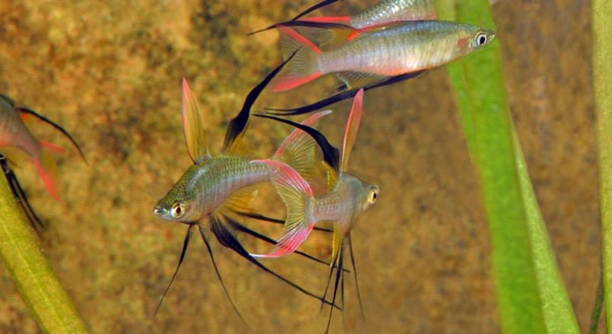
Have you ever watched your threadfins gliding through the water and noticed how they respond to the slightest movements around them? These fish have a natural sensitivity that allows them to sense their environment quietly and efficiently.
Threadfins possess specialized sensory organs called lateral lines, which allow them to detect small vibrations in the water. This adaptation helps them navigate, locate food, and respond to changes in their surroundings even within a tank environment.
Observing these responses can reveal a lot about their behavior and comfort in the tank setting. Paying attention helps ensure their environment meets their natural needs.
How Threadfins Sense Vibrations
Threadfins rely on their lateral line system, a row of sensory organs along their body, to detect subtle movements in the water. These organs are highly sensitive to changes in pressure and vibrations, allowing the fish to respond quickly to any disturbances around them. In a tank, this means they can sense other fish swimming nearby, water currents from filters, or even a hand approaching the aquarium. This ability is crucial for their survival in natural habitats, where detecting predators or prey early can make the difference between life and death. Even small vibrations from tapping on the glass or adjusting decorations can trigger noticeable reactions in threadfins, such as sudden swimming or clustering together. Understanding this sensitivity helps aquarists create a calmer, more suitable environment. Providing consistent water movement and avoiding abrupt disturbances ensures that the fish remain less stressed and more likely to display natural behaviors.
Their sensitivity makes them very alert to everything happening in the tank, responding almost immediately to even minor vibrations.
Being aware of how vibrations affect threadfins can help improve tank conditions. A quiet environment, gentle water flow, and careful handling reduce stress. Regular observation lets you notice subtle changes in behavior that indicate comfort or discomfort. Over time, you can adjust the setup, including decorations, filter flow, and feeding routines, to suit their sensitivity. Monitoring vibrations also helps prevent unnecessary disturbances during maintenance, keeping the fish calmer. Even lighting changes or nearby movement outside the tank can impact them, so placement matters. By providing a stable, gentle environment, threadfins feel safer and are more likely to feed well, interact naturally, and maintain good health. This simple awareness can lead to a more harmonious tank and happier fish.
Practical Tips for Managing Vibrations
Reducing vibrations starts with minimizing sudden movements near the tank. Avoid tapping the glass or placing heavy objects close to the aquarium.
Choosing a stable stand and keeping equipment well-secured are essential steps. Use low-flow filters or adjust the flow to prevent strong currents, which can cause unnecessary stress. Observe the fish closely after any changes to ensure they are responding calmly. Even the placement of aquarium lights or decorations can influence how vibrations travel through the water. Soft substrates like sand absorb some movement, lessening the intensity felt by threadfins. Feeding at consistent times and gently introducing food also helps maintain a calm environment. Regularly checking equipment like pumps or air stones ensures they do not produce unexpected vibrations. By maintaining a stable and gentle tank environment, threadfins can exhibit natural behaviors, remain healthy, and adapt well to their home setting. Attention to these details makes a noticeable difference in their well-being and comfort.
Signs Threadfins React to Vibrations
Threadfins often change swimming patterns or cluster together when they detect vibrations. Quick darting, fin flaring, or sudden pauses in movement are common signs that they sense disturbances in the water around them.
These subtle reactions are their way of interpreting environmental changes. When a threadfin senses vibrations, it may swim closer to the tank bottom, hide near decorations, or stay alert in one spot. These behaviors help them feel safer and assess potential threats. Observing these responses consistently can tell you a lot about their comfort level. Sudden or frequent disturbances can cause stress, while a calm tank encourages normal movement. Paying attention to these signs allows you to adjust feeding, placement, and maintenance routines.
Some threadfins may also communicate through subtle body movements or fin gestures when they detect vibrations. These signals help maintain group cohesion and warn others of nearby disturbances. Their sensitivity means that even small equipment adjustments, like filter flow or air stone activity, can trigger these responses. By carefully managing vibrations, you ensure that threadfins remain relaxed, active, and healthy, demonstrating natural behaviors instead of stress-related patterns.
Tips to Reduce Stress from Vibrations
Positioning the tank away from high-traffic areas reduces sudden vibrations. Keep daily activity around the aquarium gentle and predictable.
Using stable stands and non-slip pads helps prevent external movements from affecting the water. Choose soft substrates and avoid tapping the glass, which can startle the fish. Adjust filter and air stone output to lower intensity if the flow creates turbulence. Organizing tank decorations to provide hiding spots allows threadfins to escape minor disturbances naturally. Consistency in feeding times and tank maintenance helps them anticipate activity and reduces stress. Observing their behavior after any change ensures they adapt comfortably. Regular checks for loose equipment or vibrating motors prevent unnecessary disturbances, maintaining a calmer environment. Creating these stable conditions promotes natural swimming, feeding, and interaction among the threadfins.
Tank Setup Considerations
Placing the tank on a stable, vibration-free surface is essential for threadfins. Avoid areas near heavy foot traffic or appliances that can transmit movement into the water.
Adding soft substrates like sand helps absorb minor vibrations. Decorations and plants can create safe zones for threadfins to retreat when they sense disturbances.
Feeding and Interaction
Feeding threadfins gently at consistent times minimizes stress from sudden movements. Introducing food slowly allows them to focus on eating rather than reacting to vibrations. Observing their behavior during feeding helps identify if they are comfortable and confident in their surroundings. Adjusting routines ensures a calm environment.
Equipment Placement
Keep pumps, air stones, and filters secured to prevent excessive vibrations. Loose equipment can amplify disturbances, startling threadfins and affecting their behavior.
Monitoring Fish Health
Regular observation of swimming patterns and responsiveness can indicate whether the fish are coping well with their environment. Adjustments may be needed if signs of stress appear.
FAQ
How sensitive are threadfins to vibrations in the tank?
Threadfins are very sensitive to vibrations because of their lateral line system. Even small movements in the water can trigger reactions like darting, clustering, or pausing. This sensitivity helps them detect food, changes in currents, and potential threats, which is crucial in a confined tank environment.
What types of vibrations affect threadfins the most?
Threadfins respond most strongly to abrupt or repeated movements, such as tapping on the glass, heavy footsteps near the tank, or sudden adjustments to decorations. Continuous vibrations from equipment, like strong filter flow or poorly secured pumps, can also stress them over time.
How can I tell if my threadfins are stressed by vibrations?
Signs of stress include rapid swimming, hiding for long periods, fin clamping, or loss of appetite. They may also stay near the tank bottom or cling close to decorations instead of exploring freely. Noticing these behaviors early helps prevent prolonged stress.
Can threadfins get used to minor vibrations over time?
Yes, they can gradually acclimate to gentle and predictable movements. Regular, consistent feeding times, minimal sudden activity, and stable equipment help threadfins feel secure. However, sudden or harsh vibrations will always trigger a response, so maintaining a calm environment is key.
Does the tank size affect vibration sensitivity?
Tank size plays a role. Smaller tanks transmit vibrations more easily because water movement is confined. Larger tanks can buffer minor disturbances, giving threadfins more space to respond naturally. In any tank, reducing external disturbances benefits their comfort and behavior.
What equipment adjustments help reduce stress from vibrations?
Securing pumps, filters, and air stones prevents loose components from creating unnecessary movement. Using low-flow filters, soft substrates, and strategically placed decorations helps absorb vibrations. Regular maintenance ensures equipment does not unexpectedly startle the fish.
Are there specific tank placements that minimize vibrations?
Placing the tank on a stable, level surface away from high-traffic areas or household appliances reduces external disturbances. Avoid areas near washing machines, speakers, or doorways where vibrations transmit easily. Stability and quiet surroundings support calmer, healthier threadfins.
How should I feed threadfins to minimize stress?
Feed slowly and consistently, allowing the fish to focus on food rather than reacting to nearby movement. Dropping food gently instead of splashing or tossing reduces sudden vibrations. Predictable feeding routines help threadfins feel safe and comfortable during mealtime.
Do decorations affect vibration detection?
Yes, decorations provide hiding spots and help absorb some vibrations. Dense plant arrangements or rocks can create zones where threadfins feel secure. Positioning decorations thoughtfully allows fish to retreat from minor disturbances without isolating them completely.
How often should I observe their reactions to vibrations?
Daily observation is recommended. Watching behavior during feeding, maintenance, and normal activity helps identify patterns of stress. Regular checks allow you to adjust equipment, placement, or routines to ensure a calm, stable environment.
Can threadfins communicate stress to each other?
They can indirectly signal through movement and body language. Rapid swimming or clustering near the bottom can alert other fish to potential threats. Creating an environment with minimal stressors helps the entire group remain relaxed and exhibit natural behaviors.
Is there a long-term impact of constant vibrations?
Prolonged exposure to vibrations can cause chronic stress, which may reduce appetite, weaken the immune system, and affect overall behavior. Ensuring minimal disturbances and stable tank conditions supports long-term health and prevents stress-related issues in threadfins.
What immediate steps should I take if vibrations cause stress?
Remove or reduce sources of vibration immediately. Adjust equipment, relocate the tank if possible, and provide additional hiding spaces. Observe the fish closely over the next few days for signs of recovery and continue maintaining a calm environment.
Do water parameters influence vibration sensitivity?
Yes, threadfins under optimal water conditions tend to handle minor disturbances better. Maintaining stable temperature, pH, and clean water supports their natural resilience and reduces overall stress. Poor water quality can amplify the effects of vibrations.
Are threadfins more sensitive than other fish species?
They are among the more sensitive species due to their lateral line system and schooling behavior. While other fish may tolerate minor vibrations, threadfins react quickly to even small changes, making environment management more important for their well-being.
How can I combine all these strategies for a calmer tank?
Position the tank away from high-traffic areas, secure all equipment, use soft substrates and decorations, feed consistently, and monitor behavior daily. This holistic approach reduces stress, ensures natural behaviors, and keeps threadfins healthy and comfortable over time.
This FAQ covers the most common concerns about threadfins and vibrations, offering clear strategies for maintaining a calm, responsive, and healthy tank environment.
Final Thoughts
Threadfins are delicate and highly sensitive fish that react quickly to changes in their environment. Their lateral line system allows them to detect small vibrations, which is useful in the wild but can be a challenge in a home tank. Even minor disturbances from equipment, nearby movement, or water flow can trigger noticeable reactions. Observing these responses helps you understand their comfort level and adjust the tank environment to meet their natural needs. By paying attention to these details, you can create a calmer and more stable habitat that encourages natural swimming, feeding, and social behaviors. Ensuring they feel safe and secure is essential for their overall health and happiness.
Managing vibrations is not difficult, but it requires consistency and mindfulness. Simple steps, like placing the tank on a stable surface away from high-traffic areas, securing pumps and filters, and using soft substrates, can reduce sudden water movements that startle threadfins. Adjusting filter flow or air stones to gentler levels also helps minimize stress. Decorating the tank with plants, rocks, and hiding spots gives threadfins safe areas to retreat when they sense movement. Regular feeding routines and careful observation during maintenance further support their well-being. Over time, small adjustments like these build a calmer environment and prevent chronic stress, allowing threadfins to thrive naturally in captivity.
Observing and responding to your threadfins’ behavior strengthens your understanding of their needs. Changes in swimming patterns, hiding habits, or feeding response can signal how they react to vibrations or other environmental factors. By noticing these cues early, you can make necessary adjustments to reduce stress and support healthy behaviors. Maintaining optimal water conditions, a stable environment, and gentle daily routines all contribute to their long-term health. In the end, small, consistent efforts make a noticeable difference in how threadfins interact with their tank and with each other. Creating this balance ensures that your fish remain active, comfortable, and healthy, reflecting their natural behaviors as closely as possible.

Hello,
If you enjoy the content that we create, please consider saying a "Thank You!" by leaving a tip.
Every little bit helps us continue crafting quality advice that supports the health, happiness, and well-being of pets around the world, for pets of all shapes, sizes, and species.
We really appreciate the kindness and support that you show us!