
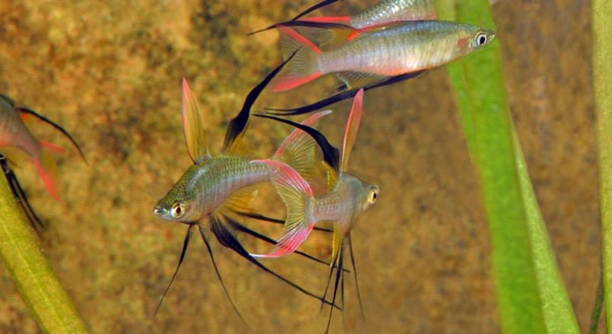
Feeding threadfins at the right times can make a significant difference in their growth and overall health. Many aquarists struggle to establish a routine that suits both the fish and their aquatic environment. Consistency is key for success.
The optimal feeding schedule for threadfins involves providing food seven times a day at evenly spaced intervals. This approach supports their high metabolism, promotes efficient nutrient absorption, and helps maintain water quality by preventing overfeeding and reducing waste accumulation.
Maintaining a consistent feeding routine ensures threadfins remain healthy and active while supporting a stable aquatic ecosystem in your tank or pond.
Morning Feeding: 6 AM
Feeding threadfins early in the morning aligns with their natural activity patterns. At this time, they are generally more active and ready to search for food. Providing a light meal at 6 AM helps kickstart their metabolism after the night’s rest. It’s best to use easily digestible foods like small live shrimp, chopped fish, or high-quality commercial pellets. Keep the portions moderate to avoid leftover food that can pollute the water. Observing their behavior during this feeding allows you to gauge how hungry they are and adjust portions accordingly. Morning feedings also set a predictable rhythm, helping the fish feel secure. Consistency in timing reduces stress and encourages regular swimming patterns. Over time, threadfins learn to anticipate these meals, which supports overall growth and vitality. A steady morning routine lays the foundation for a smooth feeding schedule throughout the day. Proper preparation, portion control, and observation are key.
Starting the day with a measured morning feeding improves digestion and ensures active, healthy fish. Early meals set a strong daily rhythm.
Regular morning feedings help maintain water quality and provide a predictable schedule, reinforcing healthy habits and reducing stress for threadfins over time. Watching their behavior can guide portion adjustments.
Midday Feeding: 12 PM
Midday feedings keep threadfins energized during peak activity hours.
At noon, threadfins benefit from a second meal to sustain their energy and maintain balanced growth. Portion control is important, as overfeeding can lead to water quality issues and stress. High-protein foods like brine shrimp or finely chopped fish support muscle development. Observing the fish’s response helps determine whether adjustments are needed for future feedings. Consistency in timing at midday ensures their metabolism remains steady, reducing the risk of sudden hunger or aggressive behavior. Midday meals also complement the morning feeding, maintaining energy throughout the day and preventing dips in activity. Spacing meals evenly ensures that the fish digest food properly and efficiently. Avoid feeding immediately before or after maintenance tasks to reduce stress. Providing food in calm, quiet conditions encourages better feeding and allows you to monitor consumption accurately. Over time, the midday feeding becomes an essential part of the threadfins’ daily routine, supporting overall health and vitality.
Afternoon Feeding: 3 PM
A light afternoon feeding keeps threadfins active and maintains steady energy levels. Small portions prevent overeating and help maintain water quality. High-protein foods are ideal, supporting muscle growth and sustained activity during the warmer, busier part of the day.
Feeding at 3 PM supports their metabolic cycle and ensures they remain energetic. Threadfins are naturally more active during daylight hours, and providing food at this time encourages consistent swimming and hunting behavior. Using live or chopped foods helps simulate natural feeding patterns. Careful observation during this feeding can indicate their health and appetite. Avoid overfeeding, as leftover food can lead to water contamination and stress. Adjust portions based on how quickly they consume the food. Timing is important to maintain a smooth schedule for the rest of the day.
Maintaining a precise 3 PM feeding routine ensures that threadfins do not experience long gaps without food. Balanced portions prevent aggressive competition among fish and help avoid excessive waste buildup. By keeping meals moderate, you encourage healthy digestion, steady growth, and reduce risks of disease. This feeding also supports their natural behavior, allowing them to remain active and alert. Over time, the fish become accustomed to this routine, which stabilizes energy levels and helps maintain overall tank harmony.
Evening Feeding: 6 PM
Evening feedings provide energy for the night and prepare threadfins for rest. Consistent portions prevent leftover food from polluting the water and support digestion before nighttime.
Feeding at 6 PM ensures that threadfins receive enough nutrition to sustain them overnight. It is important to use easily digestible foods that the fish can consume quickly, reducing the risk of waste accumulation. Proper timing encourages a calm transition into the night cycle, helping the fish maintain normal resting behaviors. Observing their feeding habits in the evening helps determine if adjustments are necessary for future meals. Evening feedings also complement earlier meals, balancing daily nutrition while preventing overeating. Maintaining a structured routine during this period promotes healthy metabolism and reduces stress. Proper portioning, attention to food type, and consistent timing are key to ensuring threadfins remain healthy and active even after daylight hours.
A controlled evening feeding contributes to a stable environment, keeping water clean and supporting a predictable routine. This practice also reinforces healthy habits and steady growth patterns in threadfins.
Late Evening Feeding: 8 PM
A late evening feeding ensures threadfins have enough energy before the night. Small portions prevent leftover food from polluting the tank and support steady digestion.
Feeding at 8 PM helps maintain a consistent daily schedule. It reduces stress, keeps metabolism steady, and prevents hunger during the night. Use easily digestible foods to support overall health.
Night Feeding: 10 PM
Night feedings are essential for threadfins with high metabolism. Providing a light meal late at night keeps them active and prevents long fasting periods. Use small portions of protein-rich foods to avoid overfeeding and maintain water quality. Consistent timing reinforces their routine and supports healthy growth.
Early Morning Snack: 5 AM
A small early morning snack helps threadfins start the day with energy. Portion control is crucial to avoid leftover food and maintain clean water.
FAQ
How much should I feed my threadfins per meal?
Threadfins have high metabolisms, so they require multiple small meals each day rather than one large portion. Each feeding should provide only what they can consume in a few minutes. Overfeeding can pollute the water and stress the fish, while underfeeding slows growth and reduces activity. Observe their behavior and adjust portions gradually to maintain a healthy balance.
What types of food are best for threadfins?
High-protein foods are ideal, such as live or frozen shrimp, chopped fish, or commercial pellets formulated for carnivorous or omnivorous species. Avoid heavy starches or plant-only diets, as these do not meet their nutritional needs. Mixing live and prepared foods can improve feeding response and overall vitality.
Can I feed them only twice a day instead of seven times?
Feeding threadfins only twice a day is not recommended. Their fast metabolism requires frequent small meals to maintain energy, promote healthy growth, and prevent aggressive behavior. Reducing feeding frequency can cause them to compete more aggressively for food and may lead to uneven nutrition among tank mates.
Is it okay to skip a feeding if I am busy?
Skipping a single feeding occasionally is acceptable, but it should not become routine. Threadfins rely on consistent feeding for energy and growth. If a feeding must be skipped, ensure the previous and next meals are balanced, and monitor the fish for signs of hunger or stress. Automatic feeders can be useful for maintaining consistency.
Should I feed them before or after water changes?
It is best to feed threadfins after water changes. Feeding before can disturb them during cleaning and increase waste in freshly cleaned water. After a water change, they are calmer and more likely to consume food efficiently, supporting digestion and maintaining water quality.
How do I know if I am overfeeding my threadfins?
Signs of overfeeding include leftover food after meals, cloudy water, and excess algae growth. Fish may also appear bloated or sluggish. Overfeeding increases the risk of disease and reduces water quality. Use small, measured portions and monitor consumption to prevent these issues.
Can I feed different foods at different times of day?
Yes, alternating foods across meals is beneficial. Offering a variety of protein sources, such as shrimp, fish, and pellets, keeps threadfins interested in feeding and ensures a broader nutrient intake. Rotate foods while keeping portions controlled to maintain digestion and water cleanliness.
Do younger threadfins need more frequent feedings than adults?
Yes, juvenile threadfins require more frequent meals than adults because they grow faster and have higher energy demands. Smaller, frequent portions help maintain steady metabolism, support muscle development, and encourage active swimming patterns. Adjust frequency as they mature to prevent overfeeding.
What is the best way to introduce new foods?
Introduce new foods gradually by mixing small amounts with familiar items. This reduces stress and allows the threadfins to adjust to the texture, taste, and digestibility. Observe their response carefully, and only increase portions once the fish consistently accept the new food.
Can I feed my threadfins at irregular times?
Feeding at irregular times is not ideal. Threadfins respond best to a consistent routine. Irregular schedules can cause stress, overeating, or aggression. Maintaining predictable feeding times supports metabolism, reduces hunger-related tension, and keeps the tank environment stable.
How do I balance feeding and water quality?
Feed small portions that are consumed quickly to reduce waste accumulation. Remove uneaten food promptly, and maintain a filtration system appropriate for your tank size. Balanced feeding schedules combined with regular water monitoring help prevent spikes in ammonia, nitrites, or nitrates, keeping fish healthy.
Are there special considerations for pond-raised threadfins?
In ponds, feeding times may need to align with daylight hours since natural light affects activity levels. Portion control is critical because uneaten food can sink and decay, affecting water quality. Regular observation is key to adjusting feeding frequency and types of food according to fish behavior and growth.
Can I feed only pellets for convenience?
Pellets alone are not ideal for long-term health. While convenient, they may lack some nutrients found in live or frozen foods. Combining pellets with natural protein sources ensures balanced nutrition, keeps feeding stimulating, and promotes optimal growth for threadfins.
How do I transition threadfins to a new feeding schedule?
Gradually adjust feeding times by shifting meals in small increments over several days. Sudden changes can stress the fish and disrupt digestion. Monitor their appetite and behavior closely, making adjustments as needed to ensure they adapt smoothly without affecting health.
Is fasting ever recommended for threadfins?
Occasional fasting, once a week or less, can aid digestion, but it should be brief. Do not skip multiple feedings, as threadfins rely on frequent meals. Fasting can help prevent overfeeding and maintain water quality, but consistency is more important than long breaks.
How do I handle aggressive behavior during feeding?
Feed small portions and distribute food evenly across the tank. Observing fish interactions can help you adjust portions or add more feeding points. Providing multiple feeding spots reduces competition, ensures all fish get food, and minimizes stress or aggression in the tank.
Can threadfins share food with other species?
Yes, but monitor feeding carefully. Some species may compete for the same food, leading to uneven nutrition. Use multiple feeding stations and consider dietary needs of all species present to avoid deficiencies or overfeeding.
What is the best method to monitor their eating habits?
Observe each feeding closely. Track how quickly the fish consume food and watch for leftovers. Behavioral changes, such as aggression or sluggishness, can indicate issues with feeding amounts or schedule. Regular monitoring helps maintain both fish health and water quality.
How often should I reassess the feeding schedule?
Reassess every few weeks or when fish show changes in growth, behavior, or health. Adjustments may be necessary due to growth, seasonal changes, or water temperature. Regular evaluation ensures that the feeding schedule continues to meet nutritional needs efficiently.
What role does water temperature play in feeding frequency?
Water temperature directly affects metabolism. In warmer conditions, threadfins may require more frequent, smaller meals. Cooler water slows digestion, so slightly fewer feedings may be needed. Always monitor activity and appetite to adjust feeding schedules accordingly.
Can supplements improve feeding outcomes?
Supplements like vitamins or minerals can support health, especially if live or frozen foods are limited. Use them cautiously and follow dosage instructions. Over-supplementing can harm water quality and stress fish, so rely primarily on a balanced diet.
How do I manage feeding when away from home?
Automatic feeders or trusted caretakers can maintain a consistent feeding schedule. Ensure portion sizes are appropriate and that the fish are fed at regular intervals. Plan ahead to avoid disruptions that could stress threadfins or affect water quality.
Are there seasonal adjustments for feeding threadfins?
Yes, seasonal changes in water temperature and daylight affect metabolism. Increase meal frequency slightly during warmer months and reduce it during cooler periods. Monitor appetite and growth, adjusting portions to maintain consistent health and energy levels.
How can I prevent water contamination from overfeeding?
Feed small amounts consumed within minutes and remove uneaten food promptly. Maintain adequate filtration and perform regular water tests. A consistent feeding schedule combined with proper portion control minimizes leftover food, reducing ammonia spikes and keeping the tank clean and healthy.
What signs indicate that my threadfins are thriving on the feeding schedule?
Healthy threadfins swim actively, show bright coloration, and consume food efficiently without leftover waste. Growth is steady, and there are no signs of bloating, lethargy, or aggression. Regular observation ensures the feeding schedule continues to support overall well-being.
How important is consistency in feeding times?
Consistency is crucial for threadfins. Predictable feeding schedules support metabolism, reduce stress, encourage natural behavior, and maintain water quality. Irregular feeding can lead to hunger, aggression, and uneven growth. A steady routine benefits both the fish and the tank environment.
Can I use a mix of live and frozen foods in the same feeding?
Yes, combining live and frozen foods in one feeding can be effective. It provides variety, satisfies natural hunting instincts, and ensures balanced nutrition. Keep portions small and observe consumption to prevent leftover food from affecting water quality.
Are there feeding differences for adult vs. juvenile threadfins?
Juveniles require smaller, more frequent meals to support rapid growth. Adults can handle slightly larger portions but still benefit from frequent feeding to maintain energy and prevent stress. Adjust both portion size and frequency based on age and activity level.
How long should each feeding session last?
Feeding sessions should last only a few minutes. Threadfins consume food quickly, and prolonged feeding can lead to leftover food, water pollution, and stress. Monitor closely, remove uneaten portions, and maintain a consistent pace across all daily meals.
What is the best way to introduce changes to the diet?
Introduce new foods gradually by mixing them with familiar items. Slowly increase the proportion over several days while monitoring acceptance and digestion. This reduces stress, encourages a smooth transition, and ensures the threadfins continue receiving balanced nutrition.
How do I handle picky eaters among threadfins?
Offer a variety of high-quality foods and observe preferences. Providing live foods can stimulate appetite. Avoid overfeeding favorites only, and gradually introduce less-preferred items mixed with preferred foods to ensure balanced nutrition for all fish.
Is it necessary to weigh the fish to determine food portions?
Weighing is not strictly necessary. Observing consumption and behavior is usually sufficient. Provide small portions that the fish can finish in minutes, and adjust over time based on appetite, growth, and activity levels.
What is the recommended feeding order when multiple species are present?
Feed threadfins first or in areas where they can access food without competition. Ensure all species receive adequate portions and avoid aggressive dominance. Multiple feeding points help distribute food evenly and maintain harmony in the tank.
How do I know if my threadfins are underfed?
Signs of underfeeding include slow growth, decreased activity, pale coloration, and aggressive food-seeking behavior. Consistently monitoring appetite and adjusting portions ensures that all nutritional needs are met while maintaining tank cleanliness.
Can I feed once daily if I provide a large portion?
Feeding once daily is not recommended. Threadfins need frequent small meals to support metabolism, growth, and energy. Large single meals can lead to digestive issues, aggression, and poor water quality. Consistency is more effective than quantity.
How do I maintain feeding consistency during vacations?
Automatic feeders or a trusted caretaker can maintain routine. Pre-measure portions and schedule meals at usual times. Avoid leaving large quantities of food that may decay, and monitor water quality before and after your absence to ensure fish remain healthy.
Are there signs that a feeding schedule needs adjustment?
Changes in growth rate, activity, or appetite indicate a need to reassess feeding. Leftover food, water quality issues, or aggressive competition also suggest adjustments. Regular observation ensures the schedule continues to meet nutritional and environmental needs effectively.
Can supplements replace part of the diet?
Supplements cannot replace whole foods. They are meant to support nutrition, not provide it entirely. Rely on balanced meals of high-quality protein sources, using supplements sparingly to enhance health without compromising water quality.
Is it important to track feeding times and portions?
Tracking helps maintain consistency and identify trends in appetite or growth. It supports water quality management and ensures each threadfin receives appropriate nutrition. Simple logs or notes are sufficient to monitor and adjust the schedule efficiently.
How do I encourage shy threadfins to eat?
Feed in calm areas and provide multiple feeding points. Use familiar foods and small portions. Gradually introduce new foods near the shy fish to encourage participation without stress or competition.
Can environmental factors affect feeding behavior?
Yes, temperature, lighting, and tank activity influence appetite. Stress, sudden changes, or overcrowding can reduce feeding. Maintain stable conditions, and adjust portion size or timing if fish show reduced interest in food.
Should I adjust feeding if water temperature fluctuates?
Yes, warmer water increases metabolism, requiring more frequent feedings. Cooler water slows digestion, so fewer meals may be necessary. Monitor activity and appetite to ensure food intake matches metabolic needs.
How do I prevent uneven feeding among multiple threadfins?
Distribute food across the tank, providing multiple points. Observe consumption and adjust portions to ensure all fish receive adequate nutrition. Avoid large single portions that can allow dominant fish to monopolize meals.
What role does light play in feeding times?
Threadfins are more active during daylight. Feeding should align with light periods to encourage natural foraging behavior. Gradually shift light schedules if needed, keeping feedings consistent with activity levels.
Are frozen foods as effective as live foods?
Frozen foods are nutritionally sufficient and convenient but lack some stimulation from hunting. Combining frozen with live foods improves feeding response, supports natural behavior, and ensures balanced nutrition.
How often should I clean up leftover food?
Remove uneaten food immediately after feeding, usually within a few minutes. This prevents water contamination, algae growth, and stress. Consistent cleanup helps maintain tank health and reduces disease risk.
Can feeding times impact breeding behavior?
Yes, consistent feeding routines support overall health, energy levels, and reproductive readiness. Irregular or insufficient feeding can reduce breeding activity and affect egg quality. Proper nutrition and timing are essential for successful breeding.
What adjustments are needed for large tanks or ponds?
Feed across multiple locations to ensure even distribution. Increase portions proportionally but maintain small, frequent meals. Regular observation is crucial to monitor consumption and prevent areas of leftover food or water quality issues.
Can I combine different pellet types in one feeding?
Yes, combining pellets of different sizes or nutrient compositions can enhance variety and nutritional balance. Monitor consumption to ensure none are left uneaten, which could degrade water quality.
How do I manage feeding during illness?
Offer easily digestible, high-quality foods in small amounts. Reduce competition and stress, and avoid overfeeding. Adjust portions as the fish recover, maintaining consistency while supporting health and recovery.
Is timing more important than portion size?
Both matter, but timing consistency is crucial for metabolism and routine. Proper portion size prevents overfeeding and water pollution, while scheduled feedings support steady growth and natural behavior.
How long should I maintain a specific feeding schedule before reassessing?
Maintain the schedule for several weeks and observe growth, appetite, and health. Adjust gradually if necessary, considering environmental changes, age, or metabolic needs to ensure continued effectiveness.
Can stress affect feeding habits?
Yes, stress from crowding, water changes, or sudden environmental shifts can reduce appetite. Maintain calm conditions, consistent feeding routines, and monitor behavior to ensure threadfins continue eating normally.
Are there differences in feeding for pond-raised vs. tank-raised threadfins?
Pond-raised fish may require meals aligned with natural light, while tank-raised fish benefit from more strictly timed feedings. Both require portion control and observation to prevent overfeeding and maintain water quality.
How do I gradually reduce feeding for older fish?
Older fish may have slower metabolisms. Reduce portions slightly or space meals further apart while monitoring appetite, activity, and health to ensure they remain nourished without overfeeding.
Can I feed during cleaning or maintenance?
Avoid feeding during maintenance to reduce stress. Wait until after tasks are complete so threadfins can feed calmly, ensuring proper consumption and minimizing leftover food.
What is the effect of overfeeding on behavior?
Overfeeding can lead to aggression, lethargy, and bloating. Leftover food contaminates water, increasing disease risk. Maintaining small, controlled portions keeps fish healthy and reduces behavioral issues.
Is there a risk in changing feeding types too frequently?
Frequent, abrupt changes can stress fish and disrupt digestion. Introduce new foods gradually, mixing with familiar items to maintain consistent nutrition and reduce negative impacts on water quality.
How do I balance feeding multiple species with threadfins?
Distribute food strategically and monitor consumption. Use multiple feeding spots, adjust portions to meet all species’ needs, and avoid dominant species monopolizing meals. Balanced feeding supports health for all tank inhabitants.
How often should I monitor feeding efficiency?
Observe every feeding session to ensure portions are appropriate and all fish are eating. Weekly checks of leftover food, growth, and behavior help maintain a consistent and effective schedule.
Can stress reduce feeding efficiency?
Yes, environmental stress, overcrowding, or sudden changes can decrease appetite. Maintaining calm, stable conditions supports normal feeding and digestion.
Should I adjust feeding during breeding periods?
Yes, increase high-quality protein portions to support reproductive energy needs. Maintain frequent, small meals to prevent overfeeding while promoting healthy development of eggs and offspring.
How important is observation during each feeding?
Observation is critical. It ensures all fish consume food, prevents overfeeding, monitors health, and allows adjustments to portions or timing as needed. Careful watching helps maintain both nutrition and water quality.
Can feeding schedules be automated?
Automatic feeders can help maintain consistency, especially when away. Ensure proper portion sizes and monitor consumption to prevent overfeeding or leftover food accumulation.
Is there a difference between morning and evening feeding needs?
Morning feedings provide energy after rest, while evening feedings prepare fish for night. Portions and food type should be adjusted to match activity levels and digestive needs at each time.
What signs indicate the feeding routine is effective?
Healthy growth, active swimming, vibrant coloration, and quick consumption without leftover food indicate a successful routine. Balanced nutrition and water quality reflect proper scheduling and portion control.
How do I adjust feeding for varying fish sizes?
Smaller fish need proportionally smaller portions and possibly more frequent feedings. Larger fish require larger portions but still benefit from small, evenly spaced meals to maintain metabolism and prevent overfeeding.
Can I use feeding times to monitor health?
Yes, changes in appetite, speed of consumption, or feeding behavior can indicate illness, stress, or environmental issues. Regular observation helps catch problems early and maintain fish health.
Is there an ideal sequence for the seven feedings?
Spacing meals evenly throughout the day maintains metabolism, reduces hunger-induced aggression, and supports consistent growth. Follow early morning, mid-morning, midday, afternoon, evening, late evening, and early morning snack intervals for best results.
Can overfeeding affect breeding success?
Yes, excess food can cause obesity, stress, and poor water quality, which reduce reproductive performance. Balanced, moderate feedings support optimal health and successful breeding.
How do I prevent dominant fish from eating all the food?
Feed in multiple locations and small portions, observe interactions, and adjust distribution. This ensures all fish get sufficient nutrition and reduces aggression.
Are there differences in feeding frequency between species of threadfins?
Some species may have slightly different metabolic rates or activity patterns. Observe behavior and adjust frequency and portion size to meet each species’ specific needs while maintaining water quality.
Final Thoughts
Feeding threadfins properly is essential for their health, growth, and overall activity. These fish have high metabolisms, which means they need frequent, small meals rather than large portions at a single time. Maintaining a consistent feeding schedule helps ensure they receive enough nutrition while preventing overfeeding, which can harm water quality. Using a mix of live, frozen, and high-quality commercial foods provides balanced nutrition and encourages natural feeding behaviors. Observation is key—watching how the fish respond to meals allows adjustments in portion size and timing, making sure each fish thrives without stressing the tank environment. Consistent attention to feeding routines supports both the well-being of the threadfins and the overall health of the aquatic habitat.
It is important to remember that timing and portion control go hand in hand. Morning feedings provide energy after rest, midday and afternoon meals maintain activity and growth, while evening and late-night feedings prepare them for overnight rest. Even an early morning snack can make a difference in sustaining metabolism. Balancing these meals with the right types of food ensures that threadfins digest properly and absorb essential nutrients. Overfeeding, even with nutritious food, can cause issues like bloating, sluggish behavior, or water pollution. Feeding too little, on the other hand, can slow growth and reduce activity. By paying close attention to both the quantity and frequency of feedings, you create an environment where threadfins can flourish, stay active, and develop steadily. Small, consistent measures make a noticeable difference over time.
Creating a structured feeding routine also reduces stress for the fish. Threadfins become familiar with scheduled meals, which helps maintain predictable behavior and reduces aggressive interactions. Observing them during feeding provides insight into their health, allowing caretakers to detect early signs of illness or stress. Additionally, consistent feeding supports a cleaner, healthier tank by minimizing leftover food that can decay and pollute water. For those managing multiple fish or a mixed-species tank, distributing food carefully ensures that every fish receives proper nutrition without creating competition or dominance issues. Overall, feeding threadfins with attention to timing, portion, and food type promotes a healthy, stable, and thriving aquatic environment. Small, mindful actions in daily feeding routines can have long-lasting positive effects on their growth, energy levels, and overall health.

Hello,
If you enjoy the content that we create, please consider saying a "Thank You!" by leaving a tip.
Every little bit helps us continue crafting quality advice that supports the health, happiness, and well-being of pets around the world, for pets of all shapes, sizes, and species.
We really appreciate the kindness and support that you show us!