
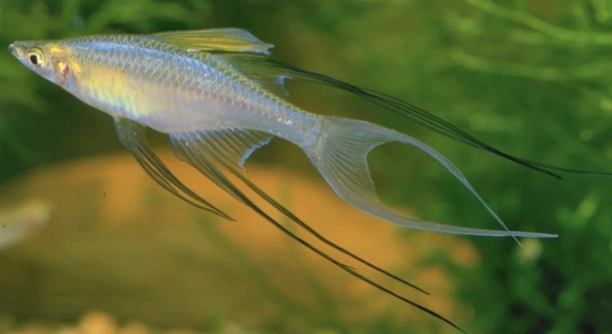
Have you ever wondered if your threadfins can thrive in a tank without the presence of aquatic plants? Many aquarists prefer minimal setups, but understanding how this affects the fish’s comfort and behavior is important.
Threadfins can survive without plants in the tank, but their overall well-being may be reduced. Plants provide cover, stability, and security, which help reduce stress and encourage natural behavior. Without plants, threadfins may appear more nervous or less active.
Knowing how plants influence your threadfins’ happiness can help you create a more balanced environment for them to thrive in your aquarium.
The Importance of Plants for Threadfins
Plants play a vital role in maintaining a balanced aquarium, especially for threadfins. These delicate fish thrive in environments that mimic their natural habitats, where plants provide both comfort and stability. Aquatic vegetation helps to reduce stress, improve water quality, and promote natural behaviors such as foraging and hiding. Without these natural elements, threadfins can feel exposed, which often leads to restlessness and erratic swimming. Live plants also contribute to the tank’s oxygen levels and biological balance, helping to maintain healthier conditions overall. While artificial plants can add visual appeal, they lack the natural benefits that living plants offer.
Threadfins rely on plants to create a sense of security, as they instinctively seek shaded or covered areas. Removing plants from their environment can leave them feeling vulnerable and may negatively impact their overall mood and activity.
A well-planted aquarium helps threadfins develop natural patterns and behaviors. The gentle movement of plants mimics natural currents, providing comfort and stimulation. It also encourages exploration while reducing aggression and anxiety. The balance of light, space, and shelter promotes a more relaxed state, improving both their color and health. When threadfins feel safe, their graceful swimming and social interactions become more noticeable, creating a livelier and more natural display.
What Happens When Threadfins Lack Plants
Without plants, threadfins often become more cautious and reserved. The absence of hiding spots can cause them to spend most of their time near the tank’s corners or surface, signaling discomfort and insecurity.
In plantless tanks, the water chemistry and lighting tend to fluctuate more frequently, which can affect the fish’s health and behavior. Threadfins are sensitive to changes, and stress may result in loss of appetite or dull coloration. Over time, the lack of natural shelter can weaken their immune system, leaving them more prone to disease. The tank may also require more maintenance, as plants naturally absorb waste and excess nutrients. Replacing live plants with other decorations, like driftwood or rocks, can help, but these substitutes rarely provide the same calming effect. For threadfins, stability and familiarity are key. Providing even a few floating or rooted plants can make a significant difference in their comfort and overall well-being, ensuring a healthier and happier aquarium life.
Creating a Comfortable Environment Without Plants
When keeping threadfins without plants, it is important to focus on creating comfort through other means. Proper lighting, stable water conditions, and safe hiding spaces help replace the sense of security that plants naturally offer.
Artificial decorations such as driftwood, smooth rocks, or caves can help threadfins feel less exposed. These objects give them areas to explore and retreat when needed. Floating decorations or silk plants can also add movement to the tank, simulating the gentle sway of real plants. Maintaining consistent lighting and soft currents keeps them calm. Threadfins appreciate a peaceful atmosphere with minimal disturbances, as sudden noises or movement can make them anxious. Clean water with a gentle filter flow will enhance their comfort, supporting their health and activity. Careful arrangement of decorations can create shaded areas that mimic natural habitats and encourage confident swimming.
Maintaining balance is key to keeping threadfins happy without plants. Ensure regular water testing and perform small, frequent water changes to preserve stability. Feeding them high-quality foods with balanced nutrients helps reduce stress. Soft, indirect lighting prevents overstimulation and supports their natural behavior. Adding fine gravel or sand at the bottom can also help replicate the gentle textures they enjoy in nature.
Observing Threadfin Behavior for Signs of Comfort
Threadfins often display their comfort through calm, steady movements and regular feeding patterns. When they swim gracefully and interact freely, it’s a good indication that they feel safe in their surroundings.
If threadfins appear skittish or hide frequently, it may signal discomfort in the environment. Adjusting lighting, rearranging decorations, or adding shaded areas can help improve their behavior. A content threadfin will exhibit bright, consistent coloring and maintain smooth movement through the tank. Observing their daily routine allows early detection of stress-related signs, such as fading color or loss of appetite. Maintaining steady temperature and clean water supports their natural rhythm. Small adjustments, made with patience and consistency, will ensure they stay comfortable and active even in tanks without live plants.
Balancing Light and Water Quality
Consistent lighting helps threadfins maintain a stable routine. Too much light can stress them, while too little can dull their color and energy. Using a timer ensures predictable cycles that mimic natural daylight conditions.
Clean water is equally important for their comfort. Regular water changes prevent buildup of toxins and maintain stable parameters. Avoid strong filtration that creates turbulence, as threadfins prefer gentle water movement. Balanced light and water quality work together to support their calm and healthy behavior.
Using Floating Plants as an Alternative
Floating plants can provide shade and reduce light intensity without overcrowding the tank. They create a natural barrier that helps threadfins feel secure while allowing easy maintenance. Plants like frogbit or duckweed offer cover and improve water quality by absorbing excess nutrients. This setup mimics their natural habitat and promotes relaxed behavior.
Maintaining Consistency in the Tank
Threadfins thrive in stable conditions with minimal sudden changes. Keeping temperature, pH, and lighting consistent prevents unnecessary stress. A predictable environment encourages steady activity and helps them adjust to tanks with fewer plants while maintaining their overall comfort and liveliness.
FAQ
Can threadfins live without plants in their tank?
Yes, threadfins can live without plants, but their overall comfort and behavior may be affected. Plants offer shade, shelter, and natural barriers that make them feel secure. Without these, threadfins might become more skittish and less active. They may still survive, but they often appear less vibrant and more prone to stress. The absence of plants also removes the natural filtration and oxygenation that greenery provides. To compensate, aquarists should focus on providing calm lighting, stable water parameters, and enough decorations to mimic the natural sense of cover plants give.
What are good alternatives to live plants for threadfins?
If live plants are not an option, artificial decorations can provide comfort and structure. Smooth rocks, driftwood, and caves offer hiding spaces that help threadfins feel safe. Silk plants are also a gentle substitute since they move naturally in the water without posing harm to delicate fins. Floating decorations or artificial foliage can create shade, reducing harsh light and giving threadfins a place to retreat. These replacements should be arranged to create open swimming areas and shaded corners. The goal is to mimic a natural environment that balances safety with freedom of movement.
Do threadfins get stressed without plants?
Yes, threadfins can experience stress without plants, especially if the tank feels too open or exposed. In nature, they inhabit calm, vegetated waters where plants offer protection. When placed in bare tanks, they may startle easily and spend more time hiding in corners. Stress can manifest as dull coloration, erratic swimming, or loss of appetite. It’s important to observe their behavior and adjust the tank setup accordingly. Adding gentle currents, soft lighting, and quiet surroundings helps reduce their anxiety. Even a few artificial plants or shaded areas can make a noticeable difference in their comfort level.
How can I make a plant-free tank comfortable for threadfins?
To make a plant-free tank comfortable, maintain stable conditions and introduce safe decorations. Use a combination of smooth driftwood, caves, and floating decor to provide hiding spots. Ensure lighting is moderate—too bright can cause stress, while too dim can affect their natural rhythm. Keep the water clean through regular partial changes and gentle filtration to avoid strong currents. The key is to create balance: an environment that feels secure but still allows free movement. Maintaining a consistent feeding schedule and avoiding loud noises near the tank also help keep threadfins relaxed.
Do floating plants make a difference for threadfins?
Floating plants can make a big difference, even in lightly planted or semi-bare tanks. They diffuse light, create shaded zones, and give threadfins a sense of safety. Species such as frogbit, water lettuce, or duckweed are easy to maintain and help improve water quality by absorbing excess nutrients. Threadfins often gather under floating leaves, displaying more natural swimming patterns. These plants also encourage calm behavior by reducing reflections that can confuse or agitate fish. Even a small cluster of floating plants can transform the environment into a more peaceful and natural space for threadfins.
What are the signs that my threadfins are uncomfortable?
Uncomfortable threadfins may display faded colors, rapid gill movement, or a tendency to hide constantly. They might stop eating or react nervously to small movements outside the tank. Skittish swimming and staying near the surface or corners are common stress indicators. When these signs appear, evaluate the tank’s lighting, water quality, and layout. Make gradual adjustments, such as adding shaded areas or reducing light intensity. Ensuring consistent temperature and calm surroundings will often bring noticeable improvement within days. Observing them closely helps identify early signs of discomfort before it affects their health.
Can threadfins still breed in tanks without plants?
Threadfins can breed in tanks without plants, but the success rate may be lower. In nature, they use fine plants or roots to deposit eggs. Without such surfaces, eggs may fall to the bottom and be eaten. Adding a spawning mop or mesh can replicate the function of plants, giving eggs a safe surface to attach to. Gentle filtration and soft lighting help maintain a calm atmosphere during breeding. While plants make the process easier, careful preparation and stable conditions can still encourage successful spawning in a plant-free setup.
Are artificial plants safe for threadfins?
Artificial plants are generally safe if they have smooth edges and are made from non-toxic materials. Avoid plastic plants with sharp or stiff parts that could tear their delicate fins. Silk plants are preferred because they move naturally with water currents, providing both cover and beauty. Rinse all artificial plants before placing them in the tank to remove any residues. Arrange them to create both shaded and open areas, giving threadfins room to swim freely. With proper setup, artificial plants can be a safe and visually appealing alternative to live vegetation.
What lighting conditions do threadfins prefer without plants?
Threadfins prefer soft, diffused lighting that mimics their natural environment. Bright, direct light can make them uneasy, especially in plant-free tanks where there’s little shade. Use a dimmable light or add floating decorations to filter the brightness. Maintaining consistent lighting cycles helps reduce stress and keeps them active during the day. Gentle light enhances their natural coloration and behavior, allowing you to enjoy their beauty while ensuring they remain comfortable. Avoid sudden changes in brightness, as this can startle them and cause erratic swimming. Balanced lighting supports both their health and sense of security.
How can I tell if my threadfins are happy?
Happy threadfins swim gracefully throughout the tank, explore their surroundings, and interact calmly with one another. Their colors remain vibrant, and they respond well during feeding times. When relaxed, they glide smoothly rather than darting or hiding. Consistent appetite and steady movement are strong indicators of contentment. Their fins stay open and fluid, not clamped or tense. By maintaining a peaceful environment, clean water, and balanced light, you’ll notice their natural elegance and vitality. Happy threadfins display harmony in movement—a reflection of comfort and well-being in their carefully managed home.
Final Thoughts
Threadfins are peaceful and delicate fish that thrive best in stable, well-balanced aquariums. While they can survive in tanks without live plants, their comfort and behavior are often closely tied to how secure their environment feels. Plants naturally provide a sense of safety, soft light, and structure, all of which help threadfins display their graceful swimming patterns. Without that sense of shelter, they may become more cautious, less colorful, or more easily startled. However, with careful planning and attention, it is still possible to create a tank where they feel calm and confident, even without plants.
Creating comfort for threadfins in a plant-free environment depends on consistency and thoughtful setup. Using smooth driftwood, rocks, or artificial plants can help simulate the shelter that live plants offer. Floating decorations or silk plants add soft movement that mimics natural vegetation, helping to reduce stress. Proper lighting is equally important—bright, direct light can overwhelm them, while softer, filtered light supports relaxation and enhances their color. Water quality must remain clean and stable, with gentle filtration to prevent turbulence. Feeding them a balanced diet and maintaining steady conditions build a strong foundation for their health. The small details—like calm surroundings and consistent temperature—make a noticeable difference in how secure threadfins feel.
A tank without plants may look simpler, but it still requires balance to keep threadfins comfortable and active. Stability, gentle water flow, and soft lighting become even more important in the absence of natural cover. Observing their behavior is the best way to understand their needs; calm swimming, bright colors, and steady appetite show that they are adapting well. When stress signs appear, subtle changes such as adjusting the light or rearranging decorations can restore comfort. In the end, threadfins can be content without plants, provided their environment remains peaceful, predictable, and supportive. By maintaining this harmony, aquarists can enjoy the quiet beauty of threadfins gliding gracefully through clear water, reflecting both care and understanding in every movement. Creating such balance reminds us that even without the natural charm of plants, a well-tended aquarium can still be a thriving and soothing space for both fish and keeper.

Hello,
If you enjoy the content that we create, please consider saying a "Thank You!" by leaving a tip.
Every little bit helps us continue crafting quality advice that supports the health, happiness, and well-being of pets around the world, for pets of all shapes, sizes, and species.
We really appreciate the kindness and support that you show us!