
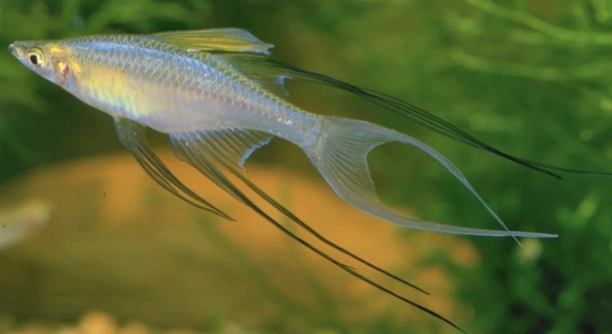
Have you ever noticed your threadfins resting near the bottom of the tank for hours and wondered what causes this unusual behavior?
Threadfins often sit near the bottom due to environmental factors such as water temperature, oxygen levels, or stress. When conditions aren’t ideal, they conserve energy by staying low, where the water may feel more stable and comfortable for them.
Understanding these subtle behaviors can help ensure your threadfins stay healthy and active in a well-balanced aquatic environment.
Understanding Why Threadfins Stay Near the Bottom
Threadfins are sensitive fish that often respond quickly to changes in their surroundings. When you see them staying near the bottom all day, it usually indicates something in their environment is making them uncomfortable. Water temperature plays a major role in their behavior. If it drops too low, threadfins become sluggish and settle at the bottom to conserve energy. Poor water quality, such as high ammonia or low oxygen levels, can also push them to remain still. Sometimes, they are simply stressed from sudden movements, new tank mates, or a recent transfer. Observing their patterns and checking water parameters can help determine the exact cause.
A calm and balanced environment allows threadfins to move freely and display their natural energy. Maintaining stable conditions helps prevent this bottom-dwelling behavior from becoming a regular habit.
Threadfins thrive best in tanks where the temperature, lighting, and water quality remain consistent. Frequent changes in these elements can stress them out and cause them to rest more than usual. Keep the temperature around 75–80°F, ensure gentle filtration, and use regular water changes to maintain clarity. Adding live plants can also help oxygenate the tank and reduce stress levels. Sometimes, threadfins sit near the bottom simply because they feel safer there, especially when the tank lacks proper hiding spots or if they’ve recently been startled. Giving them a few shaded or plant-covered areas provides comfort and encourages more natural swimming patterns. With patience and care, they’ll regain their activity and confidence, showing off their graceful movements once more.
How to Help Threadfins Become More Active
When threadfins stay inactive for long periods, it’s important to address environmental conditions before assuming illness. Test the water regularly for ammonia, nitrite, and pH imbalances. Subtle corrections can often make a noticeable difference in their behavior.
Creating a suitable habitat is the best way to bring threadfins back to their usual lively state. Keep the tank lightly populated to reduce stress from overcrowding, as threadfins prefer calm surroundings. Offer a balanced diet with small, nutrient-rich foods like daphnia, brine shrimp, or quality flakes. Feeding at consistent times each day helps establish routine and stability. Lighting should be moderate—too bright can make them anxious. Soft background plants or floating vegetation can also create a sense of safety. When threadfins feel secure, their natural curiosity returns. With steady care and attention, they’ll soon rise from the bottom, swimming gracefully across every level of their home.
Signs That Your Threadfins Are Uncomfortable
When threadfins are uncomfortable, they often show subtle behavioral changes before becoming completely inactive. You might notice them hovering near the bottom, avoiding movement, or refusing food. Their colors may also appear duller than usual, showing signs of mild stress or environmental discomfort.
Another common sign is erratic swimming or sudden darting movements followed by long periods of stillness. This behavior often points to poor water quality or a sudden temperature drop. Breathing heavily near the surface or bottom can indicate low oxygen levels. Watch for clamped fins or sluggish reactions to movement outside the tank, as these are early stress signals. Paying attention to these details helps identify problems before they worsen, allowing quick adjustments. Threadfins often return to normal once they feel safe and the tank conditions improve.
If discomfort persists, examine the surroundings more closely. A noisy environment or bright lighting can keep them tense. Threadfins prefer calm, dimly lit tanks where they can swim freely without constant disturbances. Rearranging decorations, adding plants, or reducing loud vibrations can help them relax. Regular maintenance, including gentle cleaning and consistent feeding routines, helps restore a sense of security. By responding early, you can prevent serious issues and ensure your threadfins feel comfortable and active again.
Common Environmental Causes
Threadfins are sensitive to small environmental changes, and even slight imbalances can affect their behavior. Poor water quality, temperature fluctuations, or insufficient oxygen are among the most common reasons they stay near the bottom. These conditions often develop gradually, so consistent monitoring is essential.
When water parameters drift from ideal levels, threadfins experience stress that can lead to inactivity. High ammonia or nitrite levels irritate their gills, making breathing difficult and forcing them to rest. Low oxygen levels, often caused by poor circulation or excess waste, can also cause lethargy. Inconsistent lighting or frequent tank rearranging disrupts their sense of safety. To prevent these problems, maintain regular cleaning routines, test water weekly, and use a reliable filter system. Adjust lighting to a soft, steady brightness and keep tank temperature stable. By managing these details, you’ll create an environment where threadfins remain active, balanced, and healthy.
How Diet Affects Their Behavior
An unbalanced diet can cause threadfins to become sluggish and rest at the bottom more often. When they lack essential nutrients, their energy levels drop, leading to less movement and slower responses to their surroundings. Consistent feeding with quality food helps maintain vitality.
Feeding them too little or too much also affects their behavior. Overfeeding causes waste buildup, while underfeeding leaves them weak and tired. Small, frequent meals of live or frozen foods such as brine shrimp or daphnia provide proper nourishment. Balanced feeding encourages steady activity and keeps them swimming comfortably.
The Role of Tank Companions
Threadfins can become anxious when housed with aggressive or fast-moving fish. Constant chasing or territorial disputes make them hide near the bottom for safety. Choosing calm, compatible tank mates allows threadfins to feel secure and express their natural, peaceful behavior without stress or fear.
Observing Their Natural Rhythm
Threadfins may naturally rest near the bottom during certain parts of the day. This quiet behavior doesn’t always indicate stress or illness. Observing patterns over time helps distinguish between normal rest and environmental discomfort, ensuring they remain healthy and content in their habitat.
FAQ
Why do my threadfins stay near the bottom even after water changes?
If your threadfins continue sitting near the bottom after a water change, the issue might not be fully resolved. Sometimes, rapid changes in temperature or pH during the process can cause temporary stress. Always ensure new water matches the tank’s existing temperature and parameters. Gradual adjustments are safer for delicate species like threadfins. You should also check for hidden stress factors, such as bright lighting or aggressive tank mates. Once the environment feels stable and secure again, they typically resume normal activity.
Can low oxygen make threadfins stay near the bottom?
Yes, low oxygen levels are a common cause of this behavior. Threadfins need well-oxygenated water to stay active. When oxygen levels drop, they often rest near the bottom where the water can feel calmer and slightly denser. To fix this, improve aeration by adding an air stone or adjusting the filter flow to increase surface movement. Live plants can also help maintain oxygen balance. Regular cleaning prevents waste buildup, which can further reduce oxygen availability.
Do threadfins sit near the bottom when they’re sick?
Threadfins may rest at the bottom when they feel unwell. Illnesses like bacterial infections, parasites, or fin rot can lead to lethargy and reduced movement. Check for visible symptoms such as discoloration, frayed fins, or rapid breathing. If these appear, isolate the fish in a hospital tank and treat it promptly with suitable medication. Maintaining good water quality and minimizing stress helps prevent future illnesses. A clean, stable environment is key to keeping them healthy and active.
What temperature should threadfins be kept at to prevent bottom-dwelling behavior?
Threadfins thrive in warm, stable water between 75°F and 80°F. Temperatures outside this range can cause stress or sluggishness. Cold water slows their metabolism, making them rest more often, while high heat reduces oxygen levels and increases fatigue. Always use a reliable aquarium heater with a thermometer to monitor conditions. Sudden temperature fluctuations are especially stressful, so consistency is more important than exact numbers. Maintaining stability helps them stay comfortable and energetic throughout the day.
Can tank setup influence how threadfins behave?
Absolutely. A tank lacking hiding spots or shaded areas can make threadfins feel exposed and nervous. They instinctively stay low to the bottom for security when they sense danger. Adding plants, rocks, or decorations provides comfort and natural barriers. Ensure the substrate is smooth to prevent injury, as threadfins often rest close to it. A calm environment with gentle water flow and dim lighting helps them feel safe. A thoughtfully designed tank encourages natural swimming and exploration.
Do threadfins need companions to stay active?
Yes, threadfins are schooling fish that prefer being in groups. When kept alone or in pairs, they can become shy or inactive. A small group of five or more allows them to interact naturally and feel secure. However, avoid overcrowding, as this causes stress and competition. Choose peaceful companions like tetras, rasboras, or small gouramis that share similar environmental needs. A balanced community tank supports their well-being and promotes healthy, active behavior.
Why do my threadfins lose color when resting near the bottom?
Color fading is often a sign of mild stress or fatigue. Threadfins use color intensity to reflect their mood and condition. When they rest for long periods, it’s usually due to discomfort from poor water conditions or lack of nutrients. Test the water for ammonia or nitrite spikes, and ensure they’re getting a nutritious, varied diet. Once conditions improve, their colors typically return. Consistent lighting and a calm atmosphere also help maintain vibrancy.
Is it normal for threadfins to rest during the day?
Yes, short resting periods are completely normal. Threadfins often take brief breaks near the bottom or among plants after feeding or swimming actively. This behavior allows them to conserve energy and recover. However, if resting extends for most of the day, it may indicate environmental imbalance or stress. Monitoring patterns over time helps you distinguish between natural pauses and potential problems. A well-maintained tank supports healthy rest cycles and balanced activity levels.
How long does it take for threadfins to recover from stress?
Recovery time varies depending on the cause and severity of stress. In mild cases, they can bounce back within a few hours once conditions stabilize. After major disruptions, such as new tank setups or transport, it may take several days for them to regain confidence. Keep the environment consistent and avoid making sudden changes. Provide a peaceful atmosphere with stable lighting and steady feeding habits. Patience and gentle care are essential for helping threadfins feel safe again.
Can sudden movements or noise stress threadfins into hiding?
Yes, loud noises and quick movements near the tank can frighten threadfins easily. They are naturally skittish and sensitive to vibrations. Frequent disturbances can make them retreat to the bottom as a safety response. To reduce stress, place the tank in a quiet location away from heavy traffic or loud sound sources. Approach slowly when feeding or performing maintenance. Over time, they’ll learn to associate your presence with calm interactions and feel less threatened.
What can I do if my threadfins stop eating and stay at the bottom?
Loss of appetite combined with inactivity often points to stress, illness, or poor water quality. Start by checking water parameters and adjusting them as needed. Offer small portions of live or frozen food to encourage eating. Avoid overfeeding or adding unnecessary chemicals during this period. If behavior doesn’t improve, isolate the fish and observe closely for signs of disease. Maintaining a clean, consistent environment usually restores their appetite and energy, helping them return to their usual graceful movements.
Final Thoughts
Caring for threadfins requires patience, attention, and consistency. These fish may appear delicate, but with the right environment, they can thrive beautifully. When threadfins spend too much time near the bottom, it often signals that something in their surroundings is slightly off. Whether it’s water temperature, oxygen levels, stress, or feeding habits, each factor plays a role in how they behave. Observing their patterns regularly helps detect subtle changes before they become problems. Even small adjustments, such as adding plants or soft lighting, can make a noticeable difference in their comfort. By maintaining steady conditions and offering gentle care, you create a space where they feel secure and active.
Consistency is the foundation of a healthy aquarium. Threadfins rely on stable conditions to stay balanced, both physically and mentally. Fluctuating temperatures, irregular feeding, or sudden tank rearrangements can easily disrupt their routine. It’s important to remember that they are naturally peaceful fish, drawn to calm, predictable environments. Testing water weekly, cleaning gently, and feeding in moderation all contribute to their overall well-being. Introducing compatible tank mates also helps them feel more relaxed and social. When their surroundings mimic a natural, undisturbed habitat, threadfins display their best colors, graceful movement, and lively curiosity. A steady rhythm of care builds trust, helping them adjust and remain confident in their home.
Understanding your threadfins’ behavior is key to keeping them healthy long term. When they sit near the bottom, it’s their way of communicating that something needs attention. Rather than reacting hastily, observing carefully and responding calmly yields better results. Balance between feeding, water quality, and tank setup creates an environment where they can flourish. Each detail—from the temperature to the lighting—shapes their comfort and activity levels. Taking the time to learn their habits allows you to recognize what’s normal for them and when something might be wrong. In return, your threadfins reward your effort with calm, graceful swimming and vibrant color. They become more than just aquarium fish—they reflect the care and stability you provide. With a little patience and consistency, they’ll continue to thrive, bringing quiet movement and life to your tank for years to come.

Hello,
If you enjoy the content that we create, please consider saying a "Thank You!" by leaving a tip.
Every little bit helps us continue crafting quality advice that supports the health, happiness, and well-being of pets around the world, for pets of all shapes, sizes, and species.
We really appreciate the kindness and support that you show us!