
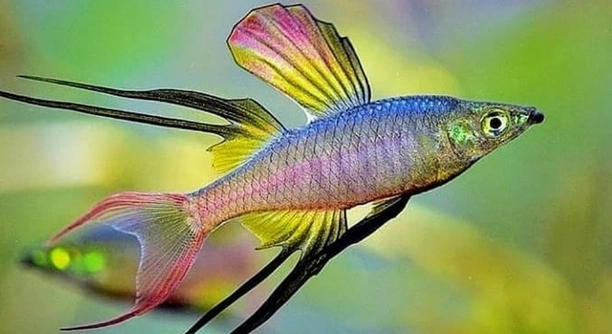
Do your Threadfin Rainbowfish seem more active at certain times, swimming freely without hesitation? Observing their behavior closely can reveal subtle cues about comfort and security within their aquarium environment and daily routine.
A Threadfin Rainbowfish feeling safe will exhibit calm swimming patterns, consistent feeding behavior, vibrant coloration, and engagement with their surroundings. These indicators demonstrate stress-free adaptation to their environment, promoting overall health and a stable social dynamic among tank mates.
Recognizing these behaviors will help you create a secure environment and strengthen the well-being of your Rainbowfish. Awareness of safety signs benefits both fish and keeper alike.
Calm and Steady Swimming
Threadfin Rainbowfish that feel secure display smooth, deliberate swimming across their tank. They glide without sudden darting or hiding in corners, signaling comfort with the environment and tank mates. Watching them interact with plants, decorations, and other fish reveals their level of confidence. A safe fish explores new spaces gradually, maintaining balance without appearing tense or erratic. Even when introduced to mild changes, such as new decorations or slight adjustments in lighting, they adapt calmly, avoiding panic or stress responses. Their fins remain relaxed, not clamped or rigid, and their movement appears fluid and natural. Observing these patterns over several days can help you gauge the consistency of their comfort. Consistent swimming behavior correlates strongly with overall health, including appetite, coloration, and energy levels. Fish that feel safe tend to stay active during daytime periods, resting calmly at night. Stress-induced behaviors, such as hiding or aggressive chasing, are minimal or absent, showing genuine ease in their environment.
Regularly monitoring swimming patterns ensures your fish remain relaxed and confident, maintaining a balanced tank ecosystem.
Smooth, controlled swimming supports both mental and physical well-being, reinforcing a safe and stable habitat for each Rainbowfish over time.
Bright and Vibrant Coloration
Healthy Rainbowfish display colors that are rich and even, reflecting comfort and proper nutrition.
Color intensity in Threadfin Rainbowfish indicates emotional and environmental stability. Stress or fear can cause dulling, while safe, confident fish maintain shimmering scales that highlight their species’ natural patterns. Consistent lighting, balanced water parameters, and a suitable diet enhance their vibrancy, making it easier to observe shifts in their health. Fish that feel secure also show subtle changes during interactions, such as temporary brightening when approaching tank mates or responding to feeding. Over time, a rainbowfish’s coloration serves as a visual cue for comfort levels, alerting keepers to potential issues before they escalate. Maintaining stable water temperature, pH, and cleanliness is essential, as fluctuations can lead to temporary or lasting color loss. By providing an environment that supports natural behavior and reduces stressors, the fish retain vivid colors, signaling both safety and well-being. Proper tank setup, consistent care, and minimal disturbances contribute directly to the overall quality of their coloration.
Bright scales not only enhance aesthetic appeal but also indicate a safe, thriving environment where fish can flourish.
Engaging with Tank Mates
Threadfin Rainbowfish that feel secure interact calmly with other fish, showing neither aggression nor extreme shyness. They swim alongside peers and respond gently to movement within the tank, indicating a stable social environment and minimal stress.
Peaceful interaction reflects comfort in the tank’s social structure. Rainbowfish that feel safe establish predictable routines with their tank mates, including synchronized swimming or exploring shared spaces without confrontation. Aggressive or defensive postures are rare, and territorial disputes are minimal. They maintain personal space but remain approachable, showing a balanced awareness of their surroundings. Feeding time often highlights their social stability, as they eat confidently alongside others without panic or rushing. This behavior demonstrates that each fish recognizes its place within the group and trusts both the environment and its companions.
Engagement with tank mates also strengthens mental stimulation, reducing boredom and promoting healthy activity. Observing these interactions helps ensure a peaceful, thriving aquarium ecosystem.
Confident Feeding Habits
Safe Threadfin Rainbowfish approach food without hesitation, grabbing flakes or pellets steadily. Hesitation or darting indicates discomfort, while calm feeding shows they trust the tank environment.
Consistent feeding behavior is a strong indicator of overall well-being. Rainbowfish that feel secure consume food at a regular pace, avoiding frantic bursts or skittish retreats. They often show curiosity during feeding, swimming openly and inspecting the source, demonstrating both appetite and comfort. In a stable environment, these fish rarely fight over food, eating alongside tank mates with minimal competition. Observing feeding patterns over time can reveal subtle stress signals early, such as reduced interest or avoidance. Proper diet and consistent feeding schedules reinforce a sense of safety, supporting growth, coloration, and energy levels.
Monitoring feeding also allows for adjustments in portion size and timing. Confident eating reinforces both health and trust in the aquarium setting.
Exploring the Tank
Threadfin Rainbowfish that feel safe explore their environment steadily, swimming around plants and decorations without hesitation. They investigate new objects calmly, showing curiosity without panic.
Exploration helps maintain mental stimulation and physical activity. Confident fish use all areas of the tank, avoiding constant hiding in corners or behind decorations.
Relaxed Fin Movement
Fins of secure Rainbowfish remain open and relaxed during swimming and resting. Clamped or rigid fins indicate stress or discomfort.
Consistent fin relaxation reflects a healthy, low-stress environment. Observing fin posture during different times of the day can help identify subtle changes in comfort levels.
Comfortable Resting Spots
Rainbowfish that feel safe settle in visible areas for resting, rather than hiding excessively. This shows they trust the environment.
FAQ
How can I tell if my Threadfin Rainbowfish is stressed?
Stressed Rainbowfish often hide frequently, dart around the tank, or show clamped fins. Their colors may appear dull, and they might refuse food. Frequent aggression or sudden bursts of speed are also signs. Monitoring behavior over several days helps distinguish temporary reactions from ongoing stress.
What should I do if my Rainbowfish is not eating?
Loss of appetite can indicate stress, illness, or poor water conditions. Check water temperature, pH, and cleanliness first. Offer a variety of foods gradually, observing how the fish responds. Avoid overfeeding and remove uneaten food to maintain water quality. Consistent feeding schedules help re-establish confidence.
Why do some Rainbowfish hide more than others?
Individual temperament varies, and some fish naturally prefer secluded spots. Excessive hiding, however, may signal discomfort, poor water conditions, or bullying by tank mates. Providing plants, rocks, or decorations offers security while ensuring enough open space for normal swimming behaviors.
Can Rainbowfish live with other species safely?
Yes, but tank mates should be peaceful and similar in size. Aggressive or territorial species can stress Rainbowfish, causing hiding, fin clamping, and reduced feeding. Observe interactions closely, especially when introducing new fish, to ensure all species coexist without conflict.
How often should I check water parameters?
Regular testing is essential. Weekly checks for pH, ammonia, nitrite, and nitrate help maintain a stable environment. Temperature should be monitored daily. Consistent water quality supports healthy behavior, coloration, and overall safety, preventing stress and illness.
What role does tank decoration play in comfort?
Plants, rocks, and hiding spots give Rainbowfish areas to feel secure and reduce stress. Proper placement encourages exploration while providing safety zones. Overcrowding or poor arrangement can create tension, so balance open swimming areas with adequate cover.
How can I encourage confident swimming?
Maintain consistent water conditions, provide a suitable diet, and reduce sudden disturbances. Avoid overcrowding and allow space for natural behaviors. Gradually introducing new elements helps fish explore without fear. Positive reinforcement occurs when fish experience a calm, predictable environment consistently.
Why is color important in assessing safety?
Vibrant colors indicate comfort and proper nutrition. Dullness or fading may reflect stress, illness, or suboptimal water conditions. Observing changes in coloration over time helps identify potential problems early, allowing corrective measures to maintain a healthy and secure habitat.
Can temperature changes affect Rainbowfish behavior?
Yes, sudden fluctuations can stress fish, causing erratic swimming, hiding, or loss of appetite. Maintain a stable temperature within the species’ preferred range. Gradual adjustments are better than abrupt changes, as they allow Rainbowfish to acclimate comfortably.
How do I know if my Rainbowfish feels safe overall?
Indicators include calm swimming, relaxed fins, confident feeding, interaction with tank mates, exploration of the tank, and vibrant coloration. Consistency in these behaviors over time signals that the fish feels secure, leading to better health, energy levels, and overall well-being.
Final Thoughts
Caring for Threadfin Rainbowfish requires attention to both their physical environment and their behavior. A stable, clean tank with proper water conditions is essential for their comfort and overall health. Regular monitoring of pH, temperature, and ammonia levels ensures a safe habitat, which directly impacts how relaxed and confident the fish feel. Equally important is the arrangement of the tank itself. Providing plants, rocks, and open swimming areas allows the Rainbowfish to explore while having spaces for security. Observing how the fish use these spaces offers insight into their level of comfort. When the fish feel safe, they display smooth swimming, relaxed fins, and confident exploration. Any sudden changes in behavior can be a signal that adjustments are needed to maintain their well-being.
Feeding behavior is another critical indicator of safety and comfort. Rainbowfish that feel secure eat steadily and without hesitation, sharing space with tank mates and showing curiosity about their surroundings. Loss of appetite or frantic feeding can be signs of stress, poor water quality, or social tension in the tank. Maintaining a consistent feeding schedule with a balanced diet helps support both physical health and mental stability. Observing the fish during feeding times also gives insight into their social interactions. Peaceful coexistence with tank mates, minimal hiding, and gentle responses to movement indicate that the fish are comfortable in their environment. A secure Rainbowfish exhibits vibrant coloration, which further confirms a low-stress environment and proper nutrition.
Overall, ensuring the safety and comfort of Threadfin Rainbowfish requires careful observation and consistent care. Paying attention to swimming patterns, fin posture, feeding behavior, coloration, and interaction with other fish allows a clear understanding of how they feel in the tank. Providing a stable environment with clean water, adequate space, and proper decoration encourages natural behavior and promotes long-term health. Creating an environment where Rainbowfish feel safe not only benefits the fish but also allows for a more enjoyable and rewarding aquarium experience. By regularly monitoring their behavior and responding to changes, the keeper can maintain a thriving tank where Threadfin Rainbowfish display confidence, curiosity, and vibrant life every day.

Hello,
If you enjoy the content that we create, please consider saying a "Thank You!" by leaving a tip.
Every little bit helps us continue crafting quality advice that supports the health, happiness, and well-being of pets around the world, for pets of all shapes, sizes, and species.
We really appreciate the kindness and support that you show us!