
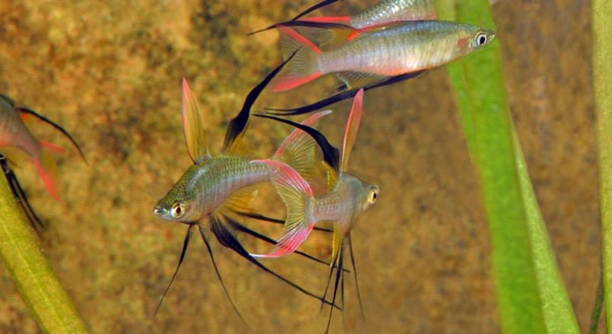
Threadfins are known for their sudden bursts of movement, often scattering for cover in seemingly random moments. Observing these patterns can reveal fascinating insights into their behavior and environmental responses. Understanding these actions helps anglers and wildlife enthusiasts alike.
Threadfins scatter abruptly due to a combination of predator avoidance, environmental changes, schooling behavior, and sensory triggers. These factors collectively influence their rapid movement patterns, ensuring survival while minimizing exposure to threats in both shallow and open water habitats.
Recognizing these triggers can improve fishing strategies and deepen appreciation for threadfins’ adaptive behaviors in their natural environments.
Sudden Predator Threats
Threadfins often scatter when they detect predators nearby, even from a distance. Their sharp vision and lateral line system pick up vibrations and sudden movements in the water. This instinctive reaction is critical for survival, as lingering in one area increases their risk of being caught. Schools of threadfins coordinate these movements, creating a ripple effect where one fish’s reaction spreads quickly to others. These bursts of speed and directional changes allow them to escape efficiently. Environmental cues like shadows from birds or fast-moving objects above water can trigger this response. Even minor disturbances, such as splashes or passing boats, may prompt them to seek cover. By observing these patterns, it becomes clear that scattering is not random but a calculated defensive behavior. Understanding these instincts helps in predicting their behavior in coastal areas and estuaries where predators are frequent. Their ability to react so quickly highlights their adaptability and survival skills in complex habitats.
Predator detection is the primary reason threadfins scatter. Their movements are highly synchronized to maximize safety and reduce vulnerability to threats.
Threadfins’ reliance on sensory input is remarkable. Their lateral line system detects subtle vibrations, while eyesight alerts them to shadows and sudden movements. This combination ensures that the school reacts almost instantly. In practice, this means anglers often see entire schools disperse at the first hint of danger. The speed and coordination of these reactions suggest a highly evolved survival strategy. Each fish mirrors its neighbor’s behavior, reducing individual risk and increasing the chance of evading predators. Even minor environmental disturbances can trigger mass movements, which appear dramatic from above water. Observing threadfins in natural habitats shows a balance between caution and feeding needs. While they must eat, their instincts prioritize safety, creating a pattern of frequent short bursts followed by regrouping. These dynamics make threadfins both challenging and rewarding to watch, offering a glimpse into the fine-tuned strategies that keep them alive.
Environmental Changes
Threadfins respond quickly to shifts in water temperature, salinity, and currents. These changes can make areas less favorable, prompting them to move to safer or more comfortable zones.
Rapid environmental changes can stress threadfins, causing scattered behavior as they seek stability. Water clarity and oxygen levels also influence their movements, as poor conditions reduce feeding efficiency and increase vulnerability.
Observing threadfins during tidal shifts or after storms reveals how sensitive they are to environmental factors. Sudden changes in current direction or strength can scatter schools instantly. Likewise, alterations in salinity or temperature may prompt relocation to maintain optimal body function. These movements are not haphazard but a response to physiological needs, ensuring they stay in areas that support feeding and oxygen intake. Seasonal shifts further affect patterns, as threadfins adjust to find favorable conditions for growth and reproduction. By noting these patterns, anglers and researchers can better anticipate threadfin presence in certain areas. Their behavior reflects a constant balancing act between environmental conditions and survival instincts, emphasizing how finely tuned these fish are to their habitat.
Schooling Behavior
Threadfins scatter quickly to maintain tight school formations. This coordinated movement reduces individual risk and confuses potential predators.
The way threadfins move together is impressive. When one fish senses danger, others instantly mirror the reaction, creating a ripple of motion throughout the school. This synchronization helps each fish stay protected while maintaining the group’s overall structure. Even small disturbances can trigger sudden changes in direction, which spreads through the entire school. Schools are not random collections; they operate like a single unit. Every fish adjusts its speed and position based on neighbors, ensuring no one is left behind. This schooling instinct is essential for survival in areas with frequent threats. Observing them closely shows how natural selection has shaped these precise group dynamics.
Threadfins’ schooling behavior also supports feeding efficiency. By staying in coordinated groups, they can locate food more quickly while remaining alert to danger. The group moves fluidly through shallow or open waters, avoiding obstacles and reacting to changing conditions. Individual fish benefit from shared vigilance, allowing more time to forage safely. Even slight changes in current or nearby movement are enough to trigger an immediate group response. This dual focus on feeding and protection makes schooling behavior critical. Schools can fragment briefly under intense stress but usually regroup quickly. Their movements appear chaotic at times, yet each fish plays a clear role in the collective response.
Sensory Triggers
Vibrations, sudden sounds, and shadow movements often prompt threadfins to scatter. These cues signal potential threats or disturbances nearby.
Threadfins have highly sensitive sensory systems. Their lateral lines detect water movement, while their eyes pick up shadows and rapid changes above or around them. Even minor disturbances, such as splashes from nearby fish or passing boats, can trigger an immediate scattering response. These reactions are instinctive and finely tuned, allowing threadfins to respond faster than many predators. Sensory triggers also help them navigate crowded or complex environments, ensuring the school maintains cohesion while avoiding hazards.
In practice, sensory triggers influence almost every movement a threadfin makes. Sudden noises or pressure changes in water cause instant adjustments in speed and direction. Schools respond collectively, amplifying the effect of one fish’s detection. Shadow patterns, especially from birds or floating objects, trigger evasive action even without direct contact. Water turbulence and currents also create detectable vibrations, alerting threadfins to potential danger or environmental shifts. These stimuli constantly shape their behavior, keeping the fish highly alert and reactive. Understanding these sensory cues can help explain why threadfins move unpredictably, even in calm conditions. Their heightened awareness is both a survival strategy and a key factor in their dynamic movement patterns.
Feeding Disturbances
Threadfins often scatter when their feeding areas are disrupted. Sudden changes in water movement or nearby activity can interrupt their focus.
Even small disturbances, like other fish moving too quickly or shifting sediment, can startle them. These interruptions trigger a quick retreat to safer spots until conditions stabilize.
Reproductive Behavior
During spawning periods, threadfins may suddenly scatter to find suitable areas for egg-laying. Protecting the eggs and themselves from predators is a top priority. Schools break apart temporarily, ensuring individuals have space to complete reproductive activities while remaining alert to threats in the environment.
Human Activity
Boats, fishing lines, and other human interactions often trigger rapid scattering. Threadfins react instinctively to avoid potential harm, quickly moving to safer areas.
FAQ
Why do threadfins suddenly scatter for no apparent reason?
Threadfins are highly sensitive to their environment. Even small changes, like vibrations in the water, shadows from birds, or passing boats, can trigger an instant scattering response. Their behavior is instinctive, aimed at reducing risk from predators or environmental disturbances. Schools react as a single unit, making the movement look sudden and chaotic.
How can I predict when threadfins will scatter?
Observing their environment closely helps. Look for signs like sudden changes in water movement, shadow patterns, or increased activity from nearby fish. Threadfins rely on both sight and their lateral line system to detect vibrations, so any unusual stimulus can cause them to move rapidly. Patterns in tides and currents also influence their behavior.
Do threadfins always scatter when predators are near?
Not always, but they are extremely cautious. Threadfins assess risk quickly; if a predator seems distant or distracted, they may continue schooling and feeding. However, the moment the threat is perceived as immediate, scattering is almost guaranteed. Their survival depends on reacting quickly to potential dangers.
Can human activity affect threadfin behavior?
Yes, human activity can have a significant impact. Boats, fishing lines, or swimmers can create vibrations or shadows that mimic natural threats. Threadfins interpret these disturbances as danger and scatter to safer areas. Frequent human activity in a location may cause the fish to avoid it entirely, altering their feeding and schooling patterns.
Does water temperature or salinity cause threadfins to scatter?
Sudden changes in temperature or salinity can make areas uncomfortable or unsafe for threadfins. They move to maintain optimal conditions for respiration and feeding. These environmental shifts often coincide with scattering behavior, as the fish adjust their position to remain in stable, favorable conditions.
Why do threadfins scatter even when there’s no visible threat?
Threadfins rely on multiple senses, including their lateral line system, which detects vibrations and movement in the water. Even subtle disturbances invisible to humans, like currents or other fish activity, can trigger scattering. Their reactions are precautionary, ensuring they minimize potential risk before it becomes a real danger.
How does schooling behavior influence scattering?
Schools of threadfins operate almost like a single organism. When one fish reacts to a disturbance, the movement quickly spreads through the entire group. This synchronized response amplifies the scattering effect, allowing the school to stay cohesive while evading threats. Individual fish benefit from shared vigilance and safety in numbers.
Are threadfins more likely to scatter in certain habitats?
Yes, habitats with shallow water, high predator presence, or complex structures like mangroves or piers increase scattering frequency. Open areas with fewer obstacles allow quick movement, while crowded or obstructed zones can make threadfins more cautious and reactive, triggering sudden bursts of movement.
Does feeding behavior affect when threadfins scatter?
Feeding activity often influences their sensitivity. While feeding, they remain alert, but any disturbance in their area can interrupt them, causing them to scatter. Displaced prey, sudden water turbulence, or nearby competition can all trigger rapid movement to safer spots while maintaining the school’s cohesion.
Can repeated disturbances make threadfins more skittish?
Yes, repeated exposure to disturbances can heighten their sensitivity. Over time, threadfins may react more quickly to smaller stimuli, moving to cover even when threats are minor. This cautious behavior helps them survive in environments with frequent predator activity or human interference, but it can also make them harder to observe or catch.
What role do reproductive cycles play in scattering?
During spawning, threadfins may scatter more frequently to find safe areas for egg-laying and protect themselves from predators. Schools often temporarily break apart, allowing individuals to focus on reproduction while still remaining vigilant. These movements are essential to ensuring the survival of the next generation while minimizing risk.
Are there ways to observe threadfins without causing them to scatter?
Minimizing disturbances is key. Approaching slowly, avoiding splashes or loud noises, and observing from a distance can reduce sudden reactions. Using natural cover or staying in deeper water where your presence is less noticeable helps threadfins maintain normal behavior while still allowing close observation.
How do tides and currents influence scattering?
Tides and currents create constant changes in water movement. Threadfins detect these shifts and often adjust their position in response. Rapid changes in current can mimic predator vibrations or disturb sediment, causing scattering. Being aware of tidal schedules can help predict when schools are more likely to react and move quickly.
Is there a time of day when threadfins scatter more often?
Threadfins are generally more active during feeding times, which often coincides with dawn and dusk. During these periods, any disturbance can trigger rapid scattering because they are focused on feeding and moving in tight schools. Midday activity may be lower, reducing the frequency of sudden movements.
Can environmental stress make threadfins more unpredictable?
Yes, stress from poor water quality, overcrowding, or temperature fluctuations can increase scattering frequency. Stressed fish are more reactive to minor disturbances and may scatter without clear cause. Maintaining stable, favorable environmental conditions helps reduce unnecessary movements and supports normal schooling behavior.
How do threadfins regroup after scattering?
After scattering, threadfins gradually regroup in safe areas. Schools realign by following visual and lateral line cues from other fish. This regrouping ensures protection and allows feeding to resume once the perceived threat has passed. The process is swift and demonstrates the efficiency of their schooling instincts.
What’s the best way to predict threadfin movement for fishing purposes?
Observing environmental cues, school behavior, and feeding patterns is crucial. Noting shadow movements, water disturbances, and tidal changes helps anticipate when threadfins may scatter. Understanding sensory triggers and schooling responses allows anglers to adjust techniques and timing for more effective fishing.
Are younger threadfins more likely to scatter than adults?
Juvenile threadfins are generally more skittish due to inexperience and smaller size. They rely heavily on adult guidance within schools and are quick to react to potential threats. Adult threadfins may be bolder, but they still respond rapidly to environmental changes and predators to ensure survival.
How do threadfins balance feeding with the risk of scattering?
Threadfins constantly weigh the need to feed against potential danger. While feeding, they remain alert, ready to scatter at the first sign of a threat. Their schooling behavior helps, as shared vigilance allows individuals to focus on food while others detect disturbances, maintaining a balance between safety and nourishment.
Can threadfins get used to regular disturbances?
To some extent, yes. Threadfins exposed to predictable, non-threatening activity may reduce overreactions. However, they remain instinctively cautious. Sudden or unusual disturbances still trigger scattering, reflecting the balance between learned tolerance and survival instincts. Their adaptability varies depending on environmental conditions and previous experiences.
Why is understanding scattering behavior important?
Recognizing why threadfins scatter helps predict their movements, supports responsible fishing practices, and allows better observation of natural behaviors. It also provides insight into how environmental factors, predation, and human activity influence their survival, schooling patterns, and overall health in their habitats.
Threadfins are fascinating fish, and their behavior often reflects a careful balance between survival and daily activities. Observing them can reveal a lot about how they interact with their environment, other fish, and even human activity. Their sudden scattering is not random but a highly adaptive response that protects them from threats. Over time, these instinctive reactions have helped threadfins survive in habitats with predators, shifting environmental conditions, and fluctuating water patterns. The way they sense changes in their surroundings, from vibrations to shadows, shows how finely tuned their bodies are to detecting danger. By paying attention to these details, it becomes clear that each sudden movement has a purpose, whether it is avoiding predators, responding to environmental shifts, or protecting feeding and reproductive opportunities. Even the smallest disturbances can trigger quick reactions, which helps them maintain safety while navigating complex waterways. Observing threadfins in their natural environment provides insight into their instincts, schooling strategies, and how they prioritize safety over convenience.
Their schooling behavior plays a key role in how they respond to potential threats. When one fish reacts, the rest of the school often follows instantly, creating synchronized movements that make it harder for predators to target any single individual. This collective action is an important survival strategy, allowing the school to stay cohesive while reducing individual risk. At the same time, schooling helps threadfins feed efficiently and remain alert, balancing foraging with safety. Environmental factors, such as water temperature, salinity, and currents, also affect scattering patterns. Sudden changes can prompt rapid movements, while stable conditions allow the school to move and feed with more confidence. Human activity can also play a role, as boats, fishing lines, and other disturbances mimic natural threats. Threadfins have adapted to respond quickly to these influences, demonstrating a combination of instinctive caution and environmental awareness. By understanding these patterns, it becomes easier to predict their behavior and respect their natural responses.
Finally, understanding threadfins’ scattering behavior highlights the importance of careful observation and patience when interacting with these fish. Each burst of movement, whether triggered by predators, environmental changes, or social cues, reflects a complex interplay of survival instincts and environmental awareness. Their quick reactions are part of a strategy that allows them to thrive in dynamic habitats, and recognizing this behavior can enhance how we observe, study, and even fish responsibly. Maintaining awareness of environmental factors, avoiding unnecessary disturbances, and appreciating the subtle ways threadfins communicate and coordinate within schools can deepen our understanding of these fish. While their movements may seem sudden or unpredictable at first glance, closer observation shows that every scatter has a reason rooted in survival and adaptation. Threadfins are a reminder of how even small, seemingly simple creatures rely on intricate instincts to navigate their world safely and effectively.

Hello,
If you enjoy the content that we create, please consider saying a "Thank You!" by leaving a tip.
Every little bit helps us continue crafting quality advice that supports the health, happiness, and well-being of pets around the world, for pets of all shapes, sizes, and species.
We really appreciate the kindness and support that you show us!