
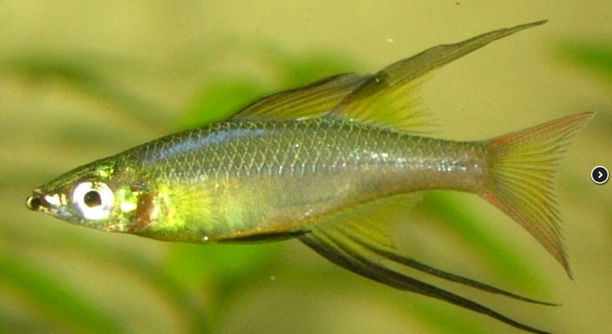
Do your Threadfin Rainbowfish ever gather in small, shimmering schools that seem perfectly synchronized? Observing their movement can be fascinating, as each fish navigates the water with careful attention to its companions. Their social behavior is subtle yet intricate.
Threadfin Rainbowfish do not consistently choose a single group leader. While dominant individuals may emerge temporarily, their social structure remains largely egalitarian, with leadership roles shifting based on environmental conditions, group dynamics, and individual temperament.
Understanding these interactions can provide better care for your fish and enhance the harmony within your aquarium environment. The social habits of Threadfin Rainbowfish reveal more than meets the eye.
Social Hierarchy in Threadfin Rainbowfish
In small groups of Threadfin Rainbowfish, you may notice subtle pecking orders forming. These fish tend to display temporary dominance, often determined by size, confidence, and activity level. A slightly larger fish may lead movements toward food or shelter, while others follow, creating an appearance of organized leadership. Observing closely, you can see how interactions shift over time. One day, a bold individual might guide the group, but the next, another takes that role, suggesting flexibility rather than a fixed leader. Environmental changes, such as the addition of plants or hiding spaces, can also influence which fish takes charge. Even minor stressors like feeding schedules or water changes might alter dominance patterns, showing that these fish respond dynamically to their surroundings. Their coordination seems natural and instinctive, highlighting their adaptive social behavior and the importance of observing each group’s unique dynamics in maintaining a healthy aquarium.
Temporary shifts in leadership are common and indicate flexible social structure rather than permanent hierarchy.
These fish communicate through subtle movements, body posture, and positioning in the group. Tracking these cues can reveal how they negotiate space, assert influence, and maintain cohesion. Their interactions are continuous, with no single fish dominating consistently. Over time, you may notice recurring patterns, but changes are frequent, reflecting adaptability. This fluidity ensures that all members have opportunities to guide the school, promoting balance and reducing prolonged conflicts that could stress the group.
Factors Influencing Leadership
Size, temperament, and environmental conditions largely determine which fish leads at a given moment.
Dominance among Threadfin Rainbowfish is not static. Larger individuals often assert temporary control during feeding, as their size allows easier access to food sources. Bold or more active fish may take initiative in navigating the tank, while shy individuals prefer following. Environmental structures, such as plants, rocks, or open swimming areas, provide options for positioning, allowing certain fish to appear more prominent and confident. Additionally, water quality, light exposure, and feeding times can shift social balance, favoring different leaders over time. Observing these changes is essential for understanding group dynamics. By noting how different fish respond to varying conditions, you can support a more harmonious tank. Leadership roles are less about dominance and more about influence, shaped by context, temperament, and opportunity. This flexible system reduces aggression and supports overall group cohesion, creating a stable and stress-free environment for all members.
Observing Group Behavior
Threadfin Rainbowfish often swim in loose formations, adjusting positions based on movement and perceived threats. You can see how some fish take initiative while others follow, showing cooperation without strict leadership. Patterns shift subtly throughout the day.
Watching their daily interactions reveals how they manage space, respond to food, and maintain group cohesion. Fish may alternate roles in leading and following, demonstrating a balance between assertiveness and cooperation. Even small changes, like adding new tank decorations or rearranging plants, can alter who guides the group. Leadership is situational and temporary, reflecting adaptability rather than fixed dominance.
Each fish contributes to group decisions differently. Some take the lead when approaching feeding areas, while others position themselves near shelter, observing the environment carefully. Their movements are coordinated, yet fluid, showing that guidance is shared. Over time, these shifting roles reduce conflict, ensuring smoother interactions and a more stable social structure in the tank.
Impact of Environment on Leadership
Tank setup, space, and hiding spots strongly influence which fish leads and how the group moves.
A well-structured tank allows Threadfin Rainbowfish to express natural behaviors. Open swimming areas encourage exploration, while plants and decorations provide shelter and strategic vantage points. These features impact who takes initiative, as fish adapt to navigate the space efficiently. Environmental changes can shift dominance, with more confident fish exploiting new opportunities. Temperature, water flow, and lighting also affect activity levels, indirectly influencing leadership patterns. Recognizing these factors helps maintain balance, reducing stress and aggression among the group.
Environmental influence extends beyond immediate navigation. Changes in tank conditions, such as rearranging ornaments or adjusting plant density, can prompt different fish to assume temporary leadership. Shy or smaller fish may take advantage of hiding spots to observe and assess the group before participating actively. Feeding locations and timing also alter dynamics, as certain individuals consistently move first, guiding the others. Even subtle adjustments in lighting or current can shift which fish appears dominant, demonstrating that environmental context is critical in shaping social structure. Understanding these interactions allows you to create a harmonious habitat that encourages natural, flexible leadership and promotes long-term group stability.
Communication Within the Group
Threadfin Rainbowfish use subtle cues like body posture, fin movements, and swimming patterns to communicate. These signals indicate readiness to move, alert others to food, or maintain spacing within the group. Understanding these behaviors helps interpret group interactions accurately.
Observation shows that these fish rarely need direct confrontation. Communication is mostly nonverbal, keeping the group coordinated. Fish adjust their speed and direction based on subtle cues, allowing smooth transitions in movement and temporary leadership shifts without conflict.
Role of Feeding
Feeding times often highlight temporary leaders, as bold fish approach food first. Others follow, mimicking movements and maintaining group cohesion. This behavior reinforces social structure while keeping interactions peaceful.
Leadership and Stress
Shifts in leadership can reduce stress within the group. When no single fish dominates permanently, aggression decreases and all members remain more comfortable.
FAQ
Do Threadfin Rainbowfish always follow the same leader?
No, Threadfin Rainbowfish do not follow a single, permanent leader. Leadership roles are temporary and can shift based on factors like size, confidence, and environmental conditions. One fish may guide the group toward food or shelter for a short period, while another may take over later. This flexible system prevents prolonged conflicts and keeps the group balanced.
How can I tell which fish is leading at a given time?
The leading fish is usually slightly ahead of the group, moves more confidently, and approaches points of interest first. Observing swimming patterns, positioning near food, and interactions with other fish can reveal temporary leadership. Look for subtle changes in posture and fin movements, as these often signal who is influencing group behavior.
Does tank size affect leadership behavior?
Yes, tank size significantly impacts leadership patterns. Larger tanks provide more space for exploration, allowing different fish to take the lead at different times. Smaller tanks can limit movement and sometimes amplify dominance, though leadership remains temporary. Adjusting the environment can shift which fish assumes control in certain situations.
Do dominant fish bully others?
While some fish may assert dominance briefly, bullying is uncommon in Threadfin Rainbowfish. Temporary leaders guide rather than intimidate. The flexible social structure ensures that no single fish can dominate for long periods, reducing stress and conflict among the group. This approach promotes harmony and cooperation in daily activities.
How do environmental changes influence group dynamics?
Changes in tank structure, plant placement, or decorations can alter leadership patterns. New hiding spots or open swimming areas may give different fish confidence to lead temporarily. Lighting, water flow, and feeding arrangements also influence behavior. Environmental factors play a major role in determining which fish assumes leadership at any given time.
Is feeding the main time leadership is observed?
Feeding often highlights temporary leaders, as bolder fish move first toward food. Others follow, maintaining group cohesion. However, leadership can appear at other times, such as when exploring or reacting to perceived threats. Feeding provides a predictable context, making it easier to observe leadership shifts in action.
Can stress affect leadership roles?
Yes, stress can influence which fish leads. Fish may alter positions, become less assertive, or hide when stressed, allowing others to take temporary leadership. Minimizing stress through stable water conditions, proper tank setup, and consistent feeding helps maintain smooth social interactions and temporary leadership patterns.
Do personality traits matter?
Personality traits like boldness, curiosity, and confidence affect leadership tendencies. Some fish are naturally more willing to guide others, while shy individuals prefer following. These traits contribute to the dynamic, shifting nature of leadership, ensuring that roles are distributed and the group remains balanced over time.
Can new fish disrupt leadership patterns?
Introducing new fish can temporarily shift social roles. Established members may adjust their behavior to accommodate newcomers, with different fish assuming temporary leadership as they explore the environment and interact with the group. Gradual introductions help maintain harmony and reduce stress.
Are temporary leaders always larger fish?
Not necessarily. While size can influence leadership, temperament and confidence often matter more. Smaller, bolder fish can guide the group, especially in safe or familiar areas. Leadership is situational, based on opportunity, environment, and individual behavior rather than size alone.
How long does a leadership shift typically last?
Shifts can last from minutes to hours, depending on activity and environmental factors. Temporary leaders guide the group during feeding, exploration, or reaction to stimuli, but roles continually rotate. This fluidity ensures all members remain engaged and reduces prolonged stress or conflict.
Can observing these behaviors improve aquarium care?
Yes, understanding social dynamics helps in tank management. Recognizing temporary leaders and following patterns can guide feeding routines, tank arrangement, and social support. It allows for a harmonious environment where all fish can thrive, and stress is minimized.
Do Threadfin Rainbowfish cooperate outside feeding?
Yes, cooperation is seen in swimming, exploration, and responding to threats. Fish adjust movements to maintain group cohesion, showing that leadership is more about coordination than dominance. Temporary leaders facilitate smooth interactions across different activities, not just feeding.
Are there signs a fish is uncomfortable with leadership roles?
Fish that are stressed may linger at the back, avoid interaction, or hide. These behaviors indicate a preference to follow rather than lead. Temporary leadership is flexible, allowing such fish to stay comfortable while others take initiative, maintaining overall group balance.
How often should I observe their social interactions?
Regular observation is beneficial. Watching daily activities, feeding, and responses to changes helps identify patterns, temporary leaders, and shifts in behavior. Understanding these interactions supports better care and a stable, balanced aquarium environment.
Do other rainbowfish species show similar behavior?
Many schooling rainbowfish exhibit fluid leadership, but specifics vary by species. Some may have more pronounced dominance hierarchies, while others rely entirely on cooperative coordination. Observing species-specific behavior helps tailor care and maintain harmony in mixed or single-species tanks.
Can leadership behavior predict compatibility among fish?
Temporary leadership patterns can indicate compatibility. Fish that share space without prolonged conflict demonstrate balanced social interactions. Noticing how roles rotate and how fish respond to each other helps assess group dynamics, ensuring a peaceful aquarium environment.
Does water quality influence leadership?
Yes, poor water conditions can reduce activity, confidence, and temporary leadership. Maintaining stable, clean water supports normal social interactions, allowing fish to assume and shift leadership roles naturally without added stress.
Can personality tests for fish determine leaders?
Personality is observed rather than tested formally. Boldness, confidence, and responsiveness to environmental cues signal potential leadership tendencies. Regular observation of interactions and behavior provides practical insights into which fish may temporarily lead the group.
Do temporary leaders affect group feeding efficiency?
Yes, temporary leaders can streamline feeding by guiding others to food and minimizing collisions or confusion. Rotating leadership ensures all fish have access to resources, reducing stress and competition while promoting smooth feeding dynamics.
Are leadership behaviors influenced by age?
Age can play a role, as mature fish may exhibit more confidence, but younger, bold fish can also lead temporarily. Leadership is situational and depends on the current environment, personality, and group composition rather than age alone.
How do I support healthy social interactions in my tank?
Providing ample space, hiding spots, and consistent feeding routines supports natural leadership shifts. Observing interactions and minimizing stressors allows all fish to participate comfortably, ensuring temporary leaders emerge naturally without conflict. Proper tank maintenance is essential for balanced social dynamics.
Can changes in light or temperature shift leadership?
Yes, adjustments in lighting, temperature, or water flow can temporarily change which fish takes the lead. Some fish respond more actively to environmental changes, influencing the group’s movements and creating opportunities for different individuals to guide.
Do leadership patterns remain stable over months?
Patterns remain fluid. While some individuals may frequently assume temporary leadership, roles rotate based on context, environmental factors, and social interactions. Stability comes from the group’s adaptability rather than permanent hierarchies, promoting long-term harmony.
How does observing these behaviors enhance enjoyment of the aquarium?
Watching fluid leadership, cooperation, and social adjustments adds depth to aquarium keeping. Understanding the subtle interactions creates a more engaging experience, highlighting the intelligence and adaptability of Threadfin Rainbowfish while supporting better care and appreciation.
Final Thoughts
Threadfin Rainbowfish are fascinating in how they manage group interactions without a permanent leader. Observing their behavior shows a natural balance between initiative and cooperation. Leadership is temporary and flexible, with different fish taking charge based on confidence, size, or opportunity. This fluid system keeps the group stable and minimizes conflict, creating a more harmonious environment. Even small changes in their surroundings can shift who leads, showing how sensitive they are to their environment. Watching these subtle behaviors can help you understand each fish’s personality and social role, making aquarium care more informed and rewarding.
The adaptability of Threadfin Rainbowfish highlights the importance of a well-structured tank. Providing open swimming areas, plants, and hiding spots allows each fish to express natural behavior and explore leadership roles safely. Environmental factors, such as water flow, lighting, and feeding times, influence which fish takes the lead at different moments. By paying attention to these details, you can support a more balanced group where every fish has opportunities to guide or follow. Temporary leadership also helps reduce stress, as no single fish dominates consistently, allowing quieter or more timid individuals to participate comfortably. This approach benefits the entire group and promotes a peaceful, active aquarium.
Understanding these dynamics enhances both the enjoyment and the care of your Threadfin Rainbowfish. Observing temporary leaders, body language, and interactions reveals patterns that are rewarding to notice over time. By recognizing how each fish contributes to the group, you can make small adjustments to the tank setup or feeding routine to support natural behaviors. The flexibility in leadership, combined with their cooperative instincts, creates a social structure that is both intricate and easy to observe with patience. Ultimately, appreciating the temporary leadership and adaptive nature of these fish allows you to maintain a healthy, thriving aquarium while gaining a deeper understanding of their fascinating behavior.

Hello,
If you enjoy the content that we create, please consider saying a "Thank You!" by leaving a tip.
Every little bit helps us continue crafting quality advice that supports the health, happiness, and well-being of pets around the world, for pets of all shapes, sizes, and species.
We really appreciate the kindness and support that you show us!