
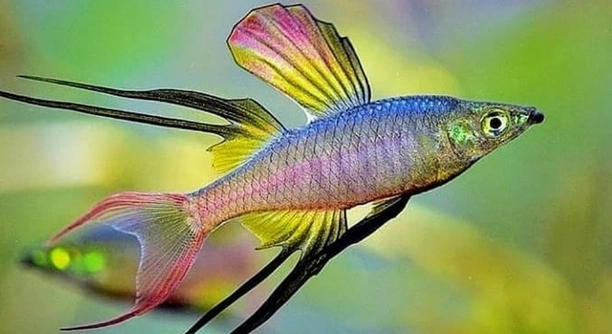
Have you ever noticed your Threadfin Rainbowfish disappearing in your aquarium without any warning? These colorful fish often seek out hiding spots, making them appear shy or elusive. Observing their behavior can reveal important insights.
Threadfin Rainbowfish commonly hide due to stress, changes in water conditions, the presence of aggressive tank mates, inadequate shelter, illness, or during breeding periods. Understanding these situations helps maintain their health and ensures a stable aquarium environment.
Recognizing why these fish hide can improve your aquarium setup and create a safer, more comfortable space for your Rainbowfish.
Stress in the Aquarium
Threadfin Rainbowfish are sensitive to changes in their environment, and stress can make them hide more often. Sudden loud noises, rapid movement near the tank, or overcrowding can overwhelm them. Even subtle changes in water temperature or pH levels may trigger hiding behavior. When stressed, these fish often retreat behind plants, decorations, or inside caves. They rely on these spots to feel secure while their bodies adjust. Over time, prolonged stress can affect their appetite, coloration, and overall health. Observing their reactions to small changes helps you maintain a calm, stable environment. Providing plenty of hiding spaces allows the fish to regulate stress naturally and prevents aggressive interactions with other tank mates. Keeping the tank peaceful, monitoring water parameters regularly, and avoiding sudden changes are essential steps for a healthy aquarium. Stress is often temporary, but consistent care ensures Rainbowfish remain confident and active.
Stress causes Threadfin Rainbowfish to hide frequently. Stable conditions and ample hiding spaces reduce anxiety and support healthy behavior.
By noticing stress-related hiding early, you can take action to protect your Rainbowfish. Regular observation, gentle handling, and maintaining water quality are simple but effective ways to minimize stress. Introducing slow changes, avoiding sudden temperature shifts, and separating aggressive fish can prevent prolonged anxiety. Plants, rocks, and other décor provide essential retreats, giving the fish confidence to explore the tank when comfortable. Watching for subtle signs, like darting movements or clamped fins, helps identify stress before it affects health. Over time, a consistent, calm environment strengthens their behavior patterns. Threadfin Rainbowfish thrive best when they feel safe, with spaces to retreat if needed. Ensuring adequate hiding spots is just as important as proper feeding and water maintenance. By addressing stress proactively, you encourage vibrant colors, active swimming, and social interactions among tank mates, creating a balanced and lively aquarium ecosystem.
Changes in Water Conditions
Even minor shifts in water parameters can cause Rainbowfish to hide. Sudden pH or temperature changes make them uneasy, pushing them to seek cover immediately.
Threadfin Rainbowfish are highly sensitive to their water environment. Rapid alterations in pH, hardness, or temperature can provoke hiding behavior as they attempt to acclimate. Consistent testing and careful adjustments are crucial for maintaining stability. Water quality issues like ammonia spikes, nitrate accumulation, or low oxygen levels can stress fish significantly. They may retreat to plants, dense decorations, or corners of the tank where water movement is calmer. Some Rainbowfish will isolate themselves until conditions normalize, avoiding interactions with other fish. Even new water from partial changes must match the existing tank parameters closely. Using a thermometer, water test kits, and gradual conditioning when adding water helps reduce hiding episodes. Adequate filtration and aeration maintain proper oxygen levels and reduce toxins. By observing water quality regularly, you can identify small shifts before they lead to prolonged hiding. Healthy, stable water ensures Rainbowfish remain active, colorful, and social.
Presence of Aggressive Tank Mates
Aggressive fish in the aquarium can intimidate Threadfin Rainbowfish, causing them to hide more frequently. Territorial behavior or chasing can make Rainbowfish retreat to safe spaces, avoiding conflicts and potential injury.
Threadfin Rainbowfish are naturally peaceful and can be easily stressed by more dominant or aggressive species. Frequent harassment from tank mates often forces them to hide behind plants, decorations, or in corners. Even minor chasing or nipping can cause lasting anxiety, reducing their willingness to swim openly. Providing calm, compatible tank mates and sufficient hiding areas helps reduce this stress. Observing interactions between fish is important to ensure a harmonious environment. Separation or rearranging the tank may be necessary if aggressive behavior persists, allowing Rainbowfish to regain confidence and swim freely without fear.
Hiding due to aggressive tank mates can affect feeding and social behavior. Fish may eat less or avoid areas with activity, impacting growth. Addressing tank aggression promptly ensures Threadfin Rainbowfish remain healthy and active, promoting a balanced aquarium ecosystem for all species.
Inadequate Shelter
Threadfin Rainbowfish need ample hiding spots, such as plants or rocks, to feel secure. A sparse tank encourages constant hiding and stress.
Without sufficient shelter, Rainbowfish feel exposed and vulnerable. They may retreat to the few available spaces, reducing swimming time and social interaction. Adding dense plants, caves, or ornaments helps them feel safe and more confident. Hiding spaces also allow them to rest and recover from minor stressors. Proper arrangement of décor ensures clear swimming paths while providing retreats, balancing security with freedom of movement.
Providing adequate shelter not only reduces hiding but also supports natural behaviors like schooling and exploration. Rainbowfish thrive when they can choose when to retreat or swim openly, fostering healthier activity levels. Consistent maintenance of these spaces, including plant trimming and decoration cleaning, keeps the tank functional. Fish can form territories within safe spots, minimizing conflicts and promoting calmer interactions. Over time, a well-structured environment encourages Rainbowfish to display vibrant colors, active swimming, and social engagement, making the aquarium more dynamic and visually appealing while ensuring the fish remain comfortable and stress-free.
Illness or Weakness
Threadfin Rainbowfish often hide when they feel unwell or weak. Illness reduces their energy, making them retreat to safe spots to conserve strength and avoid stress from other fish or movement in the tank.
Early signs of sickness include reduced activity, clamped fins, and loss of appetite. Immediate observation and water testing can help identify issues before they worsen. Providing a calm environment with clean water and proper nutrition supports recovery and encourages them to come out gradually.
Breeding Behavior
During breeding, Threadfin Rainbowfish may hide to prepare nests or protect eggs. Males and females both seek secluded areas to ensure the safety of offspring and reduce disturbances from other fish in the tank.
Sudden Environmental Changes
Rapid changes, such as light fluctuations, loud noises, or new decorations, can prompt Rainbowfish to hide. They prefer stable, predictable surroundings and retreat when adjustments are sudden.
Nighttime or Rest Periods
Rainbowfish often hide at night or during rest periods. Darkness signals safety, and hiding reduces exposure to potential threats while they rest.
Why does my Threadfin Rainbowfish hide all the time?
Rainbowfish may hide consistently due to stress, poor water conditions, aggressive tank mates, or lack of shelter. They are naturally shy and sensitive, so even small disturbances can trigger hiding. Ensuring stable water parameters, compatible fish, and plenty of hiding spots helps them feel secure and encourages normal swimming behavior.
How can I tell if my fish is stressed or sick?
Signs of stress or illness include clamped fins, dull coloration, reduced activity, rapid gill movement, and loss of appetite. Hiding more than usual is often an early indicator. Regular observation, water testing, and careful feeding habits can help identify problems early, allowing prompt treatment.
What type of hiding spaces do Rainbowfish prefer?
They prefer plants, caves, driftwood, or decorations that create secluded areas. Dense foliage or small caves mimic their natural environment. Arranging these in various parts of the tank allows the fish to choose spots according to their comfort level while still leaving open swimming areas.
Can aggressive tank mates cause long-term hiding behavior?
Yes, aggressive or territorial fish can intimidate Rainbowfish, causing prolonged hiding. Persistent harassment affects feeding, growth, and overall well-being. Separating aggressive species or rearranging tank décor can reduce conflict. Introducing calm, compatible fish and observing interactions carefully ensures Rainbowfish regain confidence and return to normal activity levels.
Do Rainbowfish hide during breeding, and why?
During breeding, both males and females seek secluded spaces to protect eggs and fry. Hiding reduces disturbances and stress, allowing successful reproduction. Providing dense plants or small caves in the tank helps support natural breeding behavior and ensures offspring have safe areas to develop.
How do sudden changes in the tank affect their behavior?
Rapid changes like new decorations, light fluctuations, or loud noises trigger hiding. Rainbowfish thrive in stable conditions, and sudden disturbances make them feel unsafe. Gradual adjustments and maintaining predictable routines allow the fish to adapt without excessive stress.
Is it normal for Rainbowfish to hide at night?
Yes, hiding during nighttime or rest periods is natural. Darkness signals safety, and they retreat to reduce exposure to potential threats. Providing secure spaces ensures they rest comfortably and reduces stress during these hours.
Can hiding affect their health?
Excessive hiding can reduce feeding and social interaction, impacting growth and coloration. Ensuring hiding spots are balanced with open swimming areas allows them to feel secure while maintaining proper nutrition and activity levels. Regular observation and tank maintenance help prevent long-term health effects.
What should I do if my Rainbowfish hides constantly?
Check water parameters, ensure sufficient hiding spaces, and remove aggressive tank mates. Monitor behavior, offer proper nutrition, and maintain a calm environment. Consistent care and patience allow Rainbowfish to regain confidence and return to active swimming and normal social interactions.
How can I encourage my Rainbowfish to be more visible?
Provide a stable, calm environment with safe, open swimming areas alongside hiding spots. Gentle interactions, regular feeding, and compatible tank mates build confidence. Over time, Rainbowfish learn they are safe, gradually spending more time swimming visibly and exhibiting natural colors and behaviors.
This FAQ addresses common reasons Rainbowfish hide and practical solutions to support their well-being. Observing patterns, adjusting the environment, and creating security helps maintain healthy, confident, and active fish in your aquarium.
Threadfin Rainbowfish are naturally active and colorful, but they also have a cautious side that makes them seek hiding spots. Hiding is a normal behavior for them, especially when they feel stressed, threatened, or unsure about their surroundings. It is important to understand that hiding is not always a sign of illness, though it can sometimes indicate that something in the tank needs attention. Observing when and how your Rainbowfish hide can give valuable clues about their environment, social dynamics, and overall health. Regular monitoring helps you notice subtle changes, such as shifts in swimming patterns, reduced appetite, or changes in coloration, which can indicate stress or potential problems that need addressing. Providing a calm and predictable environment encourages them to feel more secure, reducing excessive hiding and promoting normal activity.
Creating an ideal habitat involves paying attention to multiple factors, including water quality, tank mates, and available shelter. Water parameters such as pH, temperature, and hardness should be stable, as sudden fluctuations can trigger hiding behavior. Proper filtration, regular water changes, and careful testing are essential to maintaining safe conditions. Equally important is choosing compatible tank mates. Aggressive or overly dominant fish can intimidate Rainbowfish, causing prolonged hiding and affecting their growth and social behavior. Including plenty of hiding spaces like plants, rocks, or small caves allows the fish to retreat when they feel threatened or want to rest. These areas serve as a safe haven and help reduce stress. Balancing open swimming areas with these hiding spots allows Rainbowfish to explore comfortably while feeling secure, encouraging them to display their natural colors and behaviors more frequently.
Hiding is also influenced by life stages, breeding, and environmental changes. During breeding, Rainbowfish may seek seclusion to protect eggs and fry, which is a natural and healthy behavior. Similarly, nighttime or rest periods trigger hiding as part of their daily rhythm. Even minor environmental changes, such as rearranging decorations or introducing new fish, can make them retreat temporarily. Understanding these behaviors helps you provide better care and fosters a more comfortable environment. Paying attention to their patterns, addressing stressors, and maintaining a stable tank promotes long-term health and activity. By observing and responding thoughtfully, you can support your Rainbowfish in thriving, reducing unnecessary hiding while allowing them to feel safe and confident in their home. A well-maintained aquarium ensures they remain vibrant, active, and visually engaging for the entire time they are in your care.

Hello,
If you enjoy the content that we create, please consider saying a "Thank You!" by leaving a tip.
Every little bit helps us continue crafting quality advice that supports the health, happiness, and well-being of pets around the world, for pets of all shapes, sizes, and species.
We really appreciate the kindness and support that you show us!