
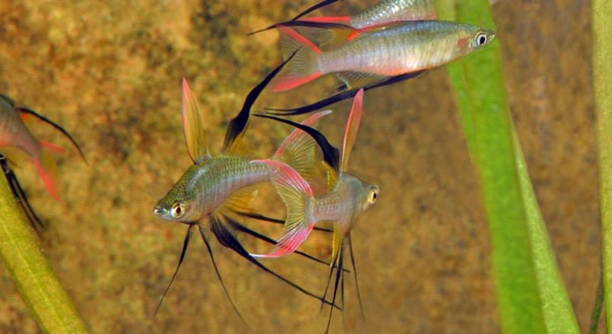
Have you ever watched your threadfins suddenly scatter apart, leaving their usual synchronized movements behind? Seeing them abandon their smooth, organized schools can be both surprising and a little concerning for any fish keeper.
Threadfins might stop schooling due to changes in water conditions, stress, or environmental disturbances. Factors such as temperature fluctuations, poor water quality, or sudden movements in their surroundings can disrupt their natural behavior and make them swim independently.
Recognizing what triggers these changes helps maintain a stable, stress-free environment where your threadfins can return to their natural schooling patterns.
Changes in Water Conditions
Threadfins are sensitive fish, and even small changes in water parameters can cause them to stop schooling. Fluctuations in temperature, pH, or ammonia levels often stress them out, making them seek solitude instead of moving together. Clean, stable water is essential for their comfort. When the balance is disrupted, their natural instincts drive them to act individually for safety. This behavior is their way of coping with discomfort or stress caused by unstable surroundings. Regular monitoring of water parameters ensures that your threadfins remain calm and continue their natural schooling patterns. Stability is the key to their consistent behavior.
Poor water quality can lead to a decrease in oxygen levels, which causes threadfins to feel threatened. When this happens, they spread out in search of more comfortable areas, breaking the unity of their school.
A consistent routine of water changes, proper filtration, and steady temperature regulation will help prevent this. Paying attention to these details creates an environment where your threadfins feel secure enough to swim together harmoniously. Maintaining this balance not only supports their physical health but also keeps their social behavior intact, allowing you to enjoy the graceful movement that makes them such fascinating fish to watch.
Stress and Environmental Disturbances
Stress plays a major role in how threadfins behave. Sudden noises, tapping on the tank, or rearranging decorations can easily make them anxious. When stressed, they lose coordination and start swimming separately instead of staying in sync.
Threadfins are highly perceptive and react to even the smallest changes in their environment. Relocating plants or introducing new fish can unsettle them, as they rely heavily on familiarity and stability. Maintaining a calm atmosphere helps them feel safe enough to return to their usual schooling habits. Stress can also come from overcrowding, aggressive tankmates, or inconsistent feeding schedules. These disruptions alter their sense of security and make them more likely to isolate. To prevent this, create a peaceful tank setup with proper hiding spaces and consistent care routines. Allow them time to adjust to any changes slowly, as threadfins thrive best when transitions happen gradually rather than suddenly.
Group Dynamics and Social Behavior
Threadfins rely on strong group coordination, and when that balance shifts, their schooling instinct weakens. Hierarchies, size differences, or the loss of a familiar fish can disrupt their rhythm and cause them to scatter rather than move together.
Social structure plays an important role in maintaining schooling behavior. When new fish are introduced or a dominant threadfin becomes aggressive, it can alter the group’s stability. Threadfins that feel threatened or out of place tend to separate from the group to reduce stress. Observing how they interact helps identify whether a social imbalance is forming. Keeping fish of similar size and temperament encourages cohesion and prevents territorial behavior. Creating an environment where every fish feels secure promotes natural schooling and prevents fragmentation caused by competition or stress.
It is also important to note that threadfins form bonds with familiar tankmates. Frequent changes in their group can make them uneasy. Minimizing disruptions allows them to rebuild their comfort and maintain smooth, synchronized movements within the aquarium.
Light and Visual Triggers
Lighting plays a subtle yet crucial role in influencing threadfin behavior. Inconsistent lighting schedules or overly bright conditions can confuse them and cause disorganization. Dimming the lights gradually during transitions helps reduce their stress and maintains a sense of normalcy.
Threadfins use visual cues to follow each other and maintain rhythm. Harsh lighting or sudden flashes interrupt these cues, breaking their coordination. A steady, soft light helps them see one another clearly and feel secure enough to stay close. Consistent lighting cycles also regulate their internal clocks, reinforcing routine behavior. If the tank is near a window, shifting daylight patterns may disturb them, especially if combined with artificial lighting. Using adjustable LED lights with a timer can mimic natural day and night cycles, giving your threadfins a reliable visual environment. Balanced lighting not only enhances their colors but also supports healthy, synchronized schooling behavior.
Feeding Patterns and Timing
Irregular feeding schedules can disrupt threadfin behavior, leading them to wander separately. When they do not know when to expect food, their focus shifts from schooling to searching individually. Consistency helps them associate feeding time with calm, predictable conditions.
Overfeeding or sudden changes in diet can also cause imbalance. Excess food affects water quality, leading to discomfort and stress. Feeding small, measured portions at the same time each day encourages unity, as threadfins tend to gather naturally during regular feeding routines.
Temperature Fluctuations
Threadfins react quickly to changes in temperature, even within a few degrees. A sudden drop or rise can make them restless and scatter away from their group. Maintaining stable water temperature using a reliable heater or chiller helps them stay calm and continue schooling normally.
Lack of Hiding Spots
An aquarium without enough hiding spaces can make threadfins feel exposed. When they sense no secure area to retreat, they separate and stay alert instead of swimming together. Adding plants, caves, or driftwood helps them regain confidence and return to coordinated schooling.
FAQ
Why do my threadfins suddenly stop schooling even though the water looks fine?
Even if the water seems clear, small changes in temperature, pH, or oxygen levels can stress threadfins. They are sensitive to fluctuations that might go unnoticed. Regular testing and maintaining stable conditions help keep their behavior predictable and schooling consistent.
Can stress from new tankmates cause my threadfins to separate?
Yes, introducing new fish can upset social dynamics. Threadfins rely on familiar companions for schooling. If a newcomer disrupts hierarchy or displays aggressive behavior, your fish may isolate. Allowing gradual introductions and monitoring interactions prevents prolonged stress.
How does feeding affect schooling behavior?
Irregular feeding times can cause threadfins to scatter while searching for food. Overfeeding may reduce water quality, indirectly stressing the fish. Consistent portion sizes at set times encourage them to gather and reinforce their schooling instinct.
Do temperature changes impact threadfin schooling?
Absolutely. Even minor fluctuations can make threadfins restless. They prefer a stable temperature that mimics their natural environment. Sudden drops or spikes make them seek safety individually rather than swimming in groups. Using a reliable heater or chiller is crucial.
Can lighting influence their behavior?
Threadfins rely on visual cues to maintain schooling. Bright, inconsistent, or rapidly changing lighting can confuse them. Gradual transitions and steady, soft lighting help them stay coordinated and calm. Timed LED lights can replicate natural day-night cycles for stability.
Does tank size affect schooling?
Yes, a tank that is too small limits their movement and forces overcrowding. This can cause stress and scattering. Adequate space allows threadfins to swim freely, follow each other, and maintain natural group behavior.
What role do hiding spots play?
Threadfins feel more secure with places to retreat. Lack of cover can make them anxious, leading to separation. Adding plants, caves, or driftwood creates safe zones that encourage relaxed, synchronized swimming.
Can illness affect schooling?
Sick or injured fish often isolate. Illness reduces energy and makes fish more cautious. Monitoring for signs of disease and treating promptly helps restore group behavior and overall tank health.
How do social hierarchies influence schooling?
Threadfins establish dominance subtly. If a dominant fish becomes aggressive or a smaller fish feels threatened, the school can break apart. Observing interactions and keeping compatible sizes and temperaments helps maintain unity.
Is water flow important for schooling behavior?
Yes, strong or uneven currents can disrupt coordinated swimming. Threadfins prefer gentle, consistent flow that allows them to move together naturally. Adjusting filters and pumps to create uniform currents encourages proper schooling.
Can changes in the environment outside the tank affect them?
Sudden vibrations, loud noises, or nearby construction can startle threadfins, causing them to scatter. They are sensitive to external disturbances. Minimizing sudden shocks and keeping the tank in a stable location helps maintain calm, cohesive behavior.
How long does it take for threadfins to resume schooling after stress?
Recovery depends on the cause. Minor stress from a brief disturbance may only take a few hours, while environmental changes or illness can take days. Providing stable water, consistent lighting, and a peaceful environment accelerates their return to normal behavior.
What preventive measures ensure consistent schooling?
Maintaining stable water parameters, regular feeding, adequate hiding spots, gentle lighting, proper tank size, and compatible companions all contribute. Observing daily behavior allows early detection of issues, ensuring your threadfins remain healthy and coordinated.
Can overcrowding permanently affect schooling?
Overcrowding creates constant stress and can lead to lasting social disruption. Fish may never fully regain coordinated swimming if space remains insufficient. Ensuring ample room per fish prevents long-term scattering and supports natural schooling instincts.
Do threadfins ever stop schooling naturally?
Occasionally, individual fish may explore or temporarily separate, but sustained school disruption usually signals environmental, social, or health-related stress. Maintaining stable conditions helps prevent these interruptions.
How do I know if the problem is serious?
If threadfins consistently avoid each other, show signs of illness, or stress indicators persist, it’s serious. Immediate assessment of water quality, tankmates, and environment is necessary to restore normal behavior.
Are there behavioral signs that predict schooling disruption?
Yes, restlessness, sudden hiding, or frequent changes in direction often precede scattering. Monitoring these subtle cues allows proactive adjustments before schooling completely breaks down.
Can temperature, lighting, and feeding all combine to cause issues?
Yes, multiple small stressors can compound, making threadfins more likely to separate. Addressing all environmental factors ensures stability, reducing cumulative stress and promoting natural schooling patterns.
Is it normal for threadfins to sometimes swim alone?
Brief solo swimming is natural, but prolonged isolation usually indicates stress, illness, or environmental imbalance. Consistent care and observation help restore healthy group behavior.
How often should I check water quality to prevent schooling problems?
Testing water at least weekly is recommended. Frequent checks allow early detection of temperature, pH, or chemical imbalances, helping maintain a stress-free environment where threadfins can school naturally.
Can stress from human interaction affect schooling?
Repeated tapping on the glass or sudden movements can startle threadfins. Minimizing disturbances helps maintain calm behavior and prevents temporary or prolonged school disruption.
Do diet changes affect their social behavior?
Yes, sudden diet shifts can cause temporary stress. Gradual introductions of new food prevent upset, ensuring threadfins continue their coordinated swimming without distraction or discomfort.
Is it necessary to isolate fish if schooling breaks down?
Isolation is only needed if a fish is sick or injured. Healthy fish usually return to normal schooling once environmental stability is restored, without permanent separation.
Can multiple factors occur at once?
Absolutely. Water changes, lighting shifts, tankmate introductions, and temperature fluctuations can combine, amplifying stress and causing sustained school disruption. Comprehensive management of all conditions ensures the group remains cohesive.
What is the most effective long-term approach to prevent schooling issues?
Consistency in water parameters, temperature, lighting, feeding, tank layout, and social structure creates a stable environment. Observing fish behavior daily allows proactive adjustments, keeping threadfins healthy, comfortable, and schooling naturally.
How do I restore normal schooling after disruption?
Identify the cause, correct water quality, stabilize temperature, ensure proper lighting, provide hiding spots, and maintain consistent feeding. Gradual reintroduction of tankmates and minimal disturbances helps threadfins regain confidence and return to synchronized movement.
Are there signs that schooling is fully restored?
Yes, fish swim in coordinated patterns, maintain even spacing, and respond to visual cues together. Calm, consistent group movement indicates that the environment and social dynamics are balanced.
Threadfins are fascinating fish, and their schooling behavior is one of the most interesting aspects of keeping them. When they swim together in synchronized patterns, it shows that they feel safe and comfortable in their environment. However, seeing them suddenly stop schooling can be unsettling. It is usually a sign that something in their surroundings has changed or that they are experiencing stress. Paying attention to water conditions, temperature, feeding schedules, and tank setup is crucial. Small adjustments can make a significant difference in helping your threadfins feel secure enough to return to their natural behavior. Observing them daily allows you to notice any subtle changes that could indicate a problem before it becomes serious. Consistent care and attention help maintain both their health and their social dynamics.
Environmental stability plays a major role in whether threadfins will continue to school smoothly. Changes in lighting, sudden noises, or even the presence of new tankmates can disrupt their patterns. Threadfins rely on visual cues to coordinate with one another, so inconsistent light or water movement can cause confusion and separation. Likewise, overcrowding or a lack of hiding spaces can make them feel exposed and anxious. Ensuring a calm environment with plenty of room and places to retreat allows them to feel safe. Maintaining proper water parameters, such as temperature and pH, further supports their well-being. When all these factors are managed properly, threadfins are more likely to resume and maintain their synchronized swimming, making your aquarium more visually appealing and closer to their natural behavior.
Understanding threadfins’ social behavior is also essential for their long-term care. They establish hierarchies and develop bonds with familiar tankmates, which influences how well they school. Disruptions in these relationships, such as introducing aggressive or very different-sized fish, can cause scattering. It is important to create a balanced community where every fish feels secure and confident. Regular feeding, gentle interactions, and gradual changes to the environment help preserve their schooling patterns. By providing stable conditions, attention to social dynamics, and a safe, predictable environment, threadfins are more likely to thrive and maintain the schooling behavior that is both natural for them and rewarding to observe. Over time, these consistent practices not only support their physical health but also encourage their social instincts, resulting in a more harmonious and engaging aquarium.

Hello,
If you enjoy the content that we create, please consider saying a "Thank You!" by leaving a tip.
Every little bit helps us continue crafting quality advice that supports the health, happiness, and well-being of pets around the world, for pets of all shapes, sizes, and species.
We really appreciate the kindness and support that you show us!