
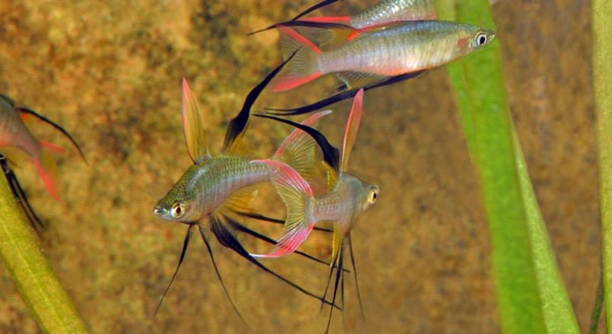
Threadfin fish often gather in large groups, moving together through rivers or coastal waters. Observing their behavior can be surprisingly calming. Their coordinated swimming shows a natural sense of rhythm and community in the water.
Happy threadfin schools display distinct movement patterns that indicate social cohesion, communication, and environmental awareness. These patterns include synchronized swimming, spacing maintenance, directional alignment, and rapid collective responses, all of which contribute to the school’s overall stability and wellbeing.
Recognizing these patterns helps us better appreciate how threadfins interact with each other and their surroundings in their natural habitat.
Synchronized Swimming
Threadfin schools often move in perfect unison, creating a fluid, wave-like motion. Watching them glide through the water, I notice how each fish seems aware of its neighbor, adjusting speed and direction almost instantly. This coordination reduces collisions and makes the group look effortless. The synchronization also protects them from predators, as it can confuse attackers and make the school appear larger. It’s fascinating to see individual behavior merge into a collective movement that feels both natural and precise. This pattern is common in healthy schools and signals that the fish are comfortable and well-acclimated to their environment. They respond to small changes quickly, shifting direction together, almost like they share a single mind. Maintaining this pattern requires enough space and clean water, as overcrowding or stress can disrupt the flow. The beauty of synchronized swimming shows the balance between individual freedom and group cohesion, highlighting how they rely on each other to thrive.
Synchronized movement keeps the school organized and safer from predators, promoting overall harmony among threadfin members in their habitat.
Watching them swim together, I can see how each fish contributes to the rhythm, subtly adjusting speed and direction. The school moves as one, creating a living pattern that is elegant yet functional. It’s not just about survival; it also reflects social stability and environmental comfort. Observing these interactions teaches us about group dynamics in fish, where cooperation is necessary for safety and efficiency. Every twist, turn, and slight pause shows a response to both internal and external cues. The school’s cohesion depends on each fish maintaining awareness of its neighbors. Even minor disruptions, like sudden changes in light or a nearby object, ripple through the group instantly, altering the flow. These adjustments are never chaotic; they are precise and coordinated. Synchronized swimming also indicates healthy energy levels, balanced nutrition, and low stress. Spending time watching this pattern helps me appreciate how organized and intelligent threadfin schools truly are.
Spacing and Positioning
Each threadfin keeps a small but consistent distance from its neighbors, preventing crowding while staying connected. This spacing allows freedom to maneuver while maintaining group integrity.
Proper spacing ensures all members can react to threats without collisions, fostering a safe and efficient school environment.
I notice that spacing is not random; it follows subtle rules. Fish at the center maintain tighter formation, while those at the edges have more freedom. This creates a flexible structure that adapts to obstacles or predators. Maintaining proper spacing helps reduce stress and energy expenditure, as fish avoid unnecessary bumps or jostling. It also allows faster communication through movement, letting the school respond to threats almost instantly. Schools with poor spacing often show signs of tension or confusion, highlighting how critical this pattern is. Observing the way threadfin naturally find their spots reinforces how instinct and group awareness shape their daily lives. Proper spacing also ensures all fish have access to food and oxygen, preventing weaker members from being left out. This balance between closeness and freedom is vital to the school’s overall health and functionality.
Directional Alignment
Threadfin often swim in the same direction, keeping the school coordinated. This alignment helps them move efficiently, avoid obstacles, and react quickly to predators. Each fish adjusts to its neighbors to maintain a smooth flow.
I notice directional alignment becomes very clear when the school changes course. Fish at the front initiate turns, while others follow precisely, creating a wave of movement that travels through the entire group. This pattern minimizes energy use because fish can slipstream behind others, reducing resistance. Maintaining alignment is especially important in open waters, where sudden threats require instant collective response. Alignment also signals social organization; fish that struggle to match the group may get pushed to the edges, showing how critical cooperation is. Observing this, I realize alignment is both a survival tactic and a way the school maintains order.
Alignment is essential for efficient travel. It allows the school to respond as one, conserving energy and improving safety while moving through varying environments.
Rapid Collective Responses
Threadfin react together when a predator approaches, shifting speed and direction almost instantly. This quick response reduces individual risk and keeps the group cohesive.
Rapid collective responses are a survival mechanism. Fish detect changes in water movement or visual cues from neighbors, triggering an almost instantaneous reaction throughout the school. The response spreads like a ripple, with each fish adjusting its motion based on the ones closest to it. This creates a coordinated escape pattern, making it difficult for predators to isolate a single fish. The timing and precision of these movements rely on constant awareness and a high level of social cohesion. Observing these responses feels intense, as the school seems to move with a single instinct. It’s impressive how minor cues from a few individuals can create a large-scale reaction, demonstrating the sensitivity and efficiency of threadfin schools.
Rapid responses also indicate the school’s overall health and attentiveness. Strong, coordinated reactions reflect a well-balanced group ready to handle threats effectively.
Leadership Rotation
In threadfin schools, leadership often shifts between fish. Different individuals take the front, guiding direction while others follow. This rotation spreads responsibility and prevents fatigue in any single fish.
Leadership rotation keeps the school flexible. Fish at the front face the most resistance, so sharing the role allows everyone to conserve energy and maintain balance within the group.
Feeding Coordination
Threadfin coordinate during feeding, spreading out just enough to access food without crowding. This pattern ensures each fish gets a share while minimizing competition. Spacing and timing are crucial, as overlapping too much can lead to confusion or missed opportunities for the group.
Resting Formation
When resting, threadfin form compact groups with minimal movement. This formation reduces stress and keeps the school safe while conserving energy.
What are the main signs of a happy threadfin school?
A happy threadfin school shows clear patterns in movement and behavior. Fish swim in synchronized formations, maintain consistent spacing, and respond quickly to changes in their environment. They appear calm yet alert, shifting direction together and feeding without excessive competition. Observing these behaviors regularly indicates that the school is comfortable, well-fed, and stress-free. Signs of unhappiness or stress include erratic swimming, crowding, or isolation of certain individuals. In contrast, a happy school demonstrates both coordination and fluidity, with every fish contributing to the overall harmony of the group.
How do threadfin maintain synchronization?
Synchronization comes from constant observation of nearby fish. Each individual adjusts its speed and direction in response to neighbors, creating wave-like movements across the school. This requires awareness and quick reflexes, as even small delays can disrupt the flow. Fish often mimic the front or center members, following subtle cues in position and movement. Environmental factors like water current and space also affect synchronization. Schools in open, calm waters display smoother movement, while those in crowded or turbulent areas may show slight interruptions in coordination. This pattern is instinctual but refined over time, showing both natural ability and learned behavior.
Why is spacing important in a threadfin school?
Spacing prevents collisions and allows free movement while keeping the group cohesive. Fish maintain a consistent distance, giving themselves room to react to threats and changes in direction. Proper spacing also reduces stress and energy expenditure, as fish do not need to constantly correct their positions. Crowding can create tension, slow responses, and increase competition for resources. Balanced spacing ensures that all fish can access food, oxygen, and space efficiently. Observing spacing in a happy school reveals a delicate balance: close enough for communication, far enough to allow individual freedom.
Do threadfin show leadership within the school?
Yes, leadership often rotates among individuals. Fish at the front guide direction, facing the most resistance and alerting others to obstacles or predators. Rotation prevents fatigue and ensures that no single fish bears the burden constantly. Leadership is flexible, with different fish taking the lead depending on conditions or energy levels. The school’s movement remains cohesive because followers adjust to the leader’s cues quickly. This rotation reflects both social organization and practical survival strategy. Observing leadership changes helps understand group dynamics and highlights how threadfin balance individual roles with collective safety.
How do threadfin respond to predators?
Threadfin schools react almost instantly when a predator appears. The fish detect threats through changes in water movement or visual cues, then adjust speed and direction together. These rapid collective responses confuse predators and reduce the chance of any one fish being targeted. The ripple effect of movement spreads across the entire school, demonstrating coordination and attentiveness. Schools with strong responses often indicate good health and high alertness, while delayed reactions can signal stress or fatigue. Watching these responses highlights the importance of group awareness and communication in maintaining safety.
What patterns appear during feeding?
During feeding, threadfin spread out to access food while avoiding crowding. Timing and positioning are essential to prevent missed opportunities and reduce competition. Fish move together but maintain small distances, allowing each individual to reach available resources. Coordinated feeding reduces stress and supports the school’s overall health. Observing these behaviors can show how well the group balances individual needs with collective order. Patterns may vary slightly depending on food type, current, or group size, but a happy school always demonstrates organized, efficient feeding behavior.
Do threadfin have resting behaviors?
Yes, threadfin form compact groups when resting, minimizing movement while staying alert. This formation conserves energy, reduces stress, and provides protection from potential threats. Fish cluster close enough to maintain cohesion but not so tight as to crowd one another. Resting behavior reflects comfort and safety within the environment. In healthy schools, resting is calm, coordinated, and brief, allowing the group to quickly resume activity when needed. Observing resting formations offers insight into the school’s overall wellbeing, energy balance, and environmental security.
How can I tell if the school is stressed or unhealthy?
Stress signs include erratic swimming, frequent collisions, isolation of certain fish, or failure to maintain alignment and spacing. Poor feeding, slow reactions, or unusual hiding also indicate problems. Environmental factors like overcrowding, poor water quality, or sudden changes in light or temperature can trigger stress. Observing these patterns helps identify issues early, allowing for adjustments to support the school’s health and happiness. A stable, coordinated, and responsive school signals balance and wellbeing, while irregular behaviors suggest a need for attention and intervention.
Can observing these patterns improve care for threadfin?
Yes, careful observation helps anticipate needs, adjust environments, and ensure proper nutrition. Understanding movement, feeding, resting, and response patterns allows for more informed decisions about tank or habitat setup. It also highlights which fish may need additional support or monitoring. Recognizing patterns fosters better interaction with the school and promotes long-term health. Observing threadfin closely can feel personal, as each behavior reveals something about the group’s social structure, comfort, and instinctive intelligence. Attentive care based on natural patterns ensures a thriving, happy school.
What does a happy threadfin school teach us?
A happy school demonstrates the importance of balance, coordination, and cooperation. Individual actions support the group, showing how instinct and awareness combine to create safety and efficiency. Observing these behaviors provides insight into social dynamics, survival strategies, and environmental adaptation. Each pattern reflects natural intelligence and the delicate balance between personal freedom and collective wellbeing. Watching a coordinated, healthy school fosters appreciation for how instinctive behaviors ensure both survival and harmony. These lessons highlight the beauty of aquatic life and the value of observing natural patterns carefully.
Word count: 524
Observing threadfin schools offers a unique look at how fish interact and live together. Their coordinated swimming, spacing, and responsiveness reveal natural instincts that keep them safe and healthy. Each fish contributes to the group’s movement, and their actions are interconnected in ways that show both instinct and social awareness. Watching a school move through the water highlights how every member relies on the others for support, protection, and guidance. The patterns they display are not random but purposeful, shaped by survival needs and environmental conditions. Even small changes in the environment, like currents or obstacles, are handled with remarkable precision, showing how adaptable and alert these fish are. Their behavior is a balance of individual awareness and group cohesion, creating a sense of rhythm and order that is calming and impressive to witness.
The happiness of a threadfin school is visible through the patterns it maintains. Synchronized swimming, proper spacing, rotational leadership, and rapid responses to threats all point to a well-adjusted and healthy group. Fish that are stressed or unhealthy often break these patterns, which makes observation a practical tool for understanding their wellbeing. Feeding and resting behaviors also reflect the school’s balance and comfort. Coordinated feeding reduces stress and ensures each fish receives enough nutrition, while resting formations protect them from danger and conserve energy. Paying attention to these patterns allows us to better understand the needs of the school and how environmental factors affect them. Healthy, happy schools move fluidly and react efficiently, whereas disruptions in behavior can indicate issues requiring attention. These insights are valuable for anyone caring for threadfin or studying their natural habits.
Understanding threadfin schools goes beyond simple observation; it offers lessons about cooperation, adaptability, and environmental awareness. Each pattern of behavior shows how individual actions combine to benefit the group, and how balance within the school leads to survival and wellbeing. Watching these fish closely gives a deeper appreciation for their instincts and intelligence. Their social structure and responsiveness highlight the importance of harmony, both in natural habitats and controlled environments. By observing and learning from their behavior, we can better support their needs and create conditions that allow them to thrive. Threadfin schools demonstrate how natural order, coordination, and care for one another are essential for both safety and happiness. Their patterns are a reminder that even small actions, when aligned with the group, can make a significant difference in maintaining balance and stability.
Word count: 409

Hello,
If you enjoy the content that we create, please consider saying a "Thank You!" by leaving a tip.
Every little bit helps us continue crafting quality advice that supports the health, happiness, and well-being of pets around the world, for pets of all shapes, sizes, and species.
We really appreciate the kindness and support that you show us!