
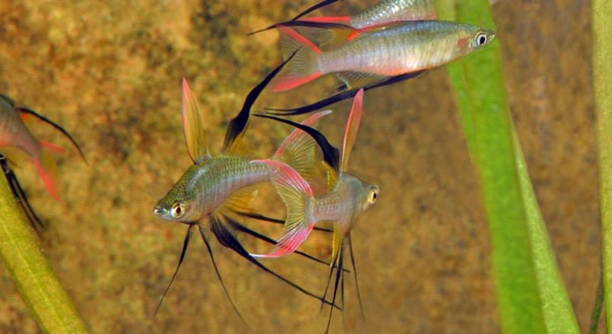
Have you ever noticed threadfins swimming in an unusual, upright position in the water? This sudden vertical movement can catch the eye of both casual observers and experienced anglers alike, hinting at changes in behavior.
Threadfins may swim vertically due to environmental stressors, changes in water temperature, or disruptions in their schooling patterns. Such behavior can indicate feeding shifts, predator avoidance, or physiological responses affecting their buoyancy and orientation.
Observing these shifts can reveal important clues about the fish’s environment and daily patterns, offering insight into their natural behavior and habits.
Environmental Triggers for Vertical Swimming
Changes in water temperature, oxygen levels, or salinity can affect threadfins, causing them to swim vertically. Warmer water can reduce oxygen availability, prompting the fish to adjust their position to access more oxygenated layers. Similarly, sudden changes in salinity may stress the fish, affecting their balance. Threadfins are also sensitive to pollution or debris in the water, which can interfere with their normal swimming patterns. When these environmental shifts occur, the fish may rise or tilt in the water to maintain equilibrium. Observing such behavior can help identify areas where conditions are less than ideal. Seasonal variations in water temperature can also influence their behavior, especially during feeding times. Understanding these triggers allows for better monitoring of threadfin populations. By keeping track of environmental changes, anglers and researchers can anticipate unusual swimming patterns. It also highlights the delicate balance threadfins maintain to survive and thrive in their aquatic habitat.
Sudden vertical swimming often signals that the fish are reacting to environmental stress or searching for food in new layers of water.
Monitoring water conditions carefully can help detect why threadfins change their swimming patterns. Small shifts in temperature or oxygen can have significant effects, and timely observations may prevent further stress. Careful attention to these factors provides a clearer understanding of their daily behavior and can improve fishing and conservation practices. Recognizing these environmental influences helps explain why threadfins sometimes display unusual vertical movement, connecting their behavior to natural responses rather than random activity. Observing these signals in real time can guide better decisions in habitat management and research studies, ensuring healthier fish populations.
Behavioral and Social Factors
Threadfins rely on schooling for protection and communication, and changes in group behavior can trigger vertical swimming.
Stress, feeding shifts, or the presence of predators can prompt individuals to alter their swimming angle. When a few fish move vertically, it can quickly influence the whole school. Social dynamics, such as competition for food or space, also contribute to this behavior. Vertical swimming can signal a temporary disruption in the hierarchy or a collective response to nearby threats. Feeding times may see fish adopting new positions to access prey more efficiently, sometimes rising to the surface or diving deeper than usual. These behavioral adaptations are natural responses that help threadfins survive in dynamic environments. Understanding the social context of vertical swimming provides insight into their interactions, both within schools and with other species. Observing these patterns over time allows for a better grasp of their collective intelligence and adaptability. Recognizing the role of social and behavioral factors ensures a more complete picture of why vertical swimming occurs.
Feeding Patterns and Vertical Movement
Threadfins often swim vertically when adjusting their position to feed. Rising or tilting helps them reach plankton, small fish, or other prey in different water layers. This movement can occur at dawn or dusk when feeding is most active.
Feeding habits strongly influence vertical swimming. Threadfins search for prey across varying depths, and shifting vertically allows them to exploit food sources efficiently. Schools may split briefly to access abundant patches, with some fish rising while others remain lower. This strategy ensures more consistent food intake for the group. Individual fish may also adjust their angle based on prey movement, water clarity, or current strength. Observing these patterns gives insight into their natural instincts and how they adapt to changes in food availability. These movements are essential for their growth, survival, and energy management.
Vertical swimming during feeding is also linked to predator avoidance. By changing depth or angle while hunting, threadfins reduce the risk of being targeted. Quick vertical adjustments allow them to respond to sudden threats while still pursuing prey. This dual-purpose behavior highlights the balance between feeding efficiency and safety. School coordination plays a key role, as the group’s collective response helps protect individuals while maximizing feeding success. Recognizing these patterns can improve understanding of their ecology and behavior in both natural and managed environments.
Physical Conditions and Buoyancy
Buoyancy issues can make threadfins swim vertically. Swim bladder health, water pressure, or injury may force fish into unusual positions until balance is restored.
Swim bladders control vertical movement, and any disruption can alter orientation. Changes in water pressure or minor injuries may interfere with normal buoyancy, causing fish to tilt or rise unexpectedly. Older or weaker fish may experience more pronounced effects. Water density and temperature can also impact buoyancy, requiring adjustments in swimming posture. Observing vertical swimming can indicate underlying physical conditions, helping researchers identify stress or health concerns. Regular monitoring of these factors is essential for maintaining healthy populations, particularly in areas where environmental conditions fluctuate frequently. Detecting buoyancy-related changes early can prevent more serious issues from developing and ensure long-term survival.
Physical stress from currents or collisions can further affect vertical swimming. Threadfins may compensate by adjusting their body angle or using fin movements to regain stability. Over time, repeated adjustments can influence energy use, feeding efficiency, and schooling coordination. Healthy swim bladder function is crucial for overall balance, allowing fish to navigate water layers effectively and respond to environmental or social cues. Understanding these physical influences helps explain why vertical swimming occurs and reinforces the importance of monitoring fish health alongside environmental factors.
Predators and Defensive Behavior
Threadfins may swim vertically to avoid predators. Quick changes in position can confuse threats and reduce the chance of being caught. This sudden shift is a natural response to nearby danger.
Schooling behavior strengthens defense. When a few fish rise or tilt, others follow, creating a coordinated escape pattern. This group movement enhances survival.
Reproductive Behavior
During spawning periods, vertical swimming can help threadfins find mates or suitable breeding locations. Rising or tilting may position them optimally for egg release and fertilization. These movements are often synchronized with other individuals, supporting reproductive success.
Water Quality and Pollution
Poor water quality can trigger vertical swimming. Low oxygen, high pollutants, or unusual chemical changes affect behavior and force fish to adjust depth. Monitoring water conditions can reveal early signs of stress in threadfin populations.
FAQ
Why do threadfins suddenly swim vertically?
Threadfins swim vertically due to a combination of environmental, behavioral, and physical factors. Changes in water temperature, oxygen levels, or salinity can stress them. Social behavior, feeding habits, predator presence, or buoyancy issues may also cause them to adjust their swimming angle to maintain balance and safety.
Is vertical swimming a sign of illness?
Not always. While buoyancy problems, swim bladder issues, or injuries can cause vertical swimming, it often reflects natural responses to environmental changes or feeding behavior. Observing the frequency and context of vertical swimming helps determine if it indicates health concerns.
Does this behavior happen in all threadfin species?
Yes, many threadfin species exhibit vertical swimming under certain conditions. Differences may exist depending on habitat, diet, and schooling patterns. Freshwater and saltwater populations may react differently to environmental stressors, but the overall behavior is common across the family.
How can water quality affect vertical swimming?
Low oxygen, sudden chemical changes, or pollutants can stress threadfins, prompting vertical swimming. Fish may rise to reach more oxygenated layers or adjust their angle to cope with denser or contaminated water. Regular monitoring of water conditions can reduce these stress responses.
Can predators trigger vertical movement?
Yes. Quick vertical shifts can help avoid predators by confusing them or moving to safer water layers. Schooling amplifies this behavior, as fish respond collectively, improving the survival chances of the group.
Does feeding influence this behavior?
Feeding strongly impacts vertical swimming. Threadfins adjust their position to access prey at different depths. Schools may split or tilt to capture food more efficiently. Timing, prey movement, and water clarity all influence how and when fish adopt these positions.
Are there seasonal patterns in vertical swimming?
Yes. Seasonal changes in water temperature, food availability, or breeding cycles can affect swimming patterns. Fish may rise more frequently during warmer months or near spawning periods when locating mates or feeding becomes critical.
How do injuries or swim bladder issues affect vertical swimming?
Injuries or swim bladder dysfunction can disrupt buoyancy, forcing threadfins into unusual positions. Affected fish may struggle to maintain normal orientation and show repeated vertical tilting. Observing these signs can indicate physical stress or health problems.
Can vertical swimming indicate social changes in schools?
Yes. Threadfins are social creatures. If a few individuals tilt or rise, others may follow, reflecting changes in hierarchy, feeding dynamics, or response to threats. School coordination is important for survival and maintaining proper social interactions.
How can observers distinguish natural behavior from stress signals?
Natural vertical swimming usually occurs during feeding, spawning, or social interactions. Stress-related vertical movement is often prolonged, erratic, or linked to poor water quality, injuries, or predator presence. Noting patterns, context, and water conditions helps determine the cause.
Does vertical swimming affect energy use?
Yes. Adjusting posture or depth requires more effort, especially in strong currents or while evading predators. Efficient schooling and coordinated movement reduce energy costs while maintaining access to food and safety.
Can this behavior be minimized in aquaculture or managed habitats?
Monitoring water quality, oxygen levels, and population density helps reduce unnecessary stress. Providing adequate space, proper feeding strategies, and consistent conditions encourages normal swimming patterns and reduces frequent vertical movement caused by environmental factors.
Is vertical swimming harmful to threadfins?
Occasional vertical swimming is natural and not harmful. Persistent or extreme vertical movement may indicate stress, injury, or poor water quality. Identifying the underlying cause ensures fish maintain good health and balanced behavior in their habitat.
How long do threadfins typically maintain vertical positions?
Most vertical movements are temporary, lasting from a few seconds to minutes. Sustained vertical positions are rare and usually reflect stress, buoyancy issues, or attempts to navigate environmental challenges effectively.
Does human activity influence vertical swimming?
Yes. Boats, fishing activity, pollution, or habitat changes can prompt threadfins to alter their swimming patterns. Avoiding sudden disturbances and maintaining clean, stable habitats helps reduce these behavioral shifts and keeps fish populations balanced.
Can vertical swimming be observed in captivity?
Yes. In aquariums or managed ponds, vertical swimming can still occur due to feeding, social interactions, or minor stress. Monitoring water quality, providing proper diet, and maintaining sufficient space minimizes stress-induced vertical movement while allowing natural behaviors.
Are there signs that indicate a school is stressed?
Erratic vertical swimming, rapid tilting, or repeated rises can signal stress. Changes in school cohesion, reduced feeding efficiency, or unusual movements often accompany environmental or physical stressors, providing early warnings for intervention.
Do younger threadfins behave differently from adults?
Juvenile threadfins may display more vertical movement while learning to navigate water layers and locate food. Adults generally have more stable swimming patterns but may still tilt or rise in response to environmental or social factors.
What should observers record when noticing vertical swimming?
Documenting water conditions, time of day, school size, feeding activity, and any nearby predators helps determine the reason behind vertical swimming. Consistent records support understanding patterns, health, and environmental impacts on threadfin behavior.
How often should vertical swimming be monitored in the wild?
Regular observation is beneficial, particularly during seasonal changes, feeding periods, or after environmental disturbances. Monitoring helps track fish health, population behavior, and habitat quality over time.
Does vertical swimming influence reproduction?
Yes. During spawning, vertical positioning can help threadfins release or fertilize eggs effectively. Coordinated movement ensures that mating success is maximized while reducing predation risk during this vulnerable period.
Can water temperature extremes trigger vertical swimming?
Temperature changes affect metabolism, oxygen consumption, and buoyancy. Threadfins may rise or tilt to adjust to warmer or cooler layers, helping them maintain optimal conditions for survival and activity.
Is vertical swimming more common in certain habitats?
Shallow, densely populated, or highly variable habitats tend to show more vertical swimming due to limited space, environmental fluctuations, or predator interactions. Stable, open-water habitats often see fewer pronounced vertical movements.
Can vertical swimming be used to study fish behavior?
Yes. Observing vertical swimming provides insights into feeding strategies, social dynamics, environmental stressors, and reproductive behavior. It is a useful tool for researchers and managers to understand threadfin ecology.
Does diet impact vertical swimming frequency?
Diet affects energy needs and feeding depth. Threadfins may adjust their position to reach specific prey, and changes in food availability can increase vertical movements as fish search for sufficient nourishment.
Are there signs of recovery after stress-related vertical swimming?
Yes. Fish that return to normal horizontal swimming, resume regular feeding, and maintain school cohesion are typically recovering from temporary stressors. Continuous monitoring ensures any lingering issues are addressed promptly.
Can vertical swimming indicate seasonal migration?
Occasionally. Vertical movements may be part of navigating to deeper or shallower waters during seasonal migrations, helping threadfins adjust to temperature, oxygen, or food availability along their route.
Is vertical swimming linked to lighting conditions?
Lighting can influence feeding and predator awareness. Threadfins may rise or tilt in response to dawn, dusk, or sudden changes in light intensity, affecting their visibility and activity levels.
Does human observation affect vertical swimming?
Presence of boats, divers, or fishing gear can trigger temporary vertical movements as fish respond to perceived threats. Limiting disturbance helps observe natural behavior more accurately.
How can vertical swimming patterns inform conservation efforts?
Monitoring these behaviors highlights environmental stressors, habitat quality, and fish health. Patterns of vertical swimming can guide interventions, habitat restoration, and management strategies to support sustainable threadfin populations.
Can vertical swimming indicate competition within schools?
Yes. Competition for food or space may cause some individuals to rise while others remain lower. This dynamic helps distribute resources and maintain balance within the group.
Is vertical swimming observed in other fish species?
Yes, many fish use vertical movement for feeding, predator avoidance, or buoyancy adjustments. Comparing threadfins with other species provides insights into common survival strategies.
Does vertical swimming affect fishing practices?
Anglers may notice changes in bite rates or school positions during vertical movements. Understanding these patterns can improve fishing strategies and timing for better success.
Are there visual signs that differentiate feeding from stress-related vertical swimming?
Feeding-related movements are often synchronized, smooth, and linked to prey. Stress-related vertical swimming tends to be erratic, prolonged, or associated with poor water conditions or predator presence.
Can vertical swimming be reduced with better habitat management?
Yes. Stable water quality, adequate space, controlled population density, and minimal disturbances reduce unnecessary stress, allowing threadfins to maintain normal swimming patterns while still exhibiting natural behaviors.
Does vertical swimming influence fish growth?
Occasional vertical movement has little impact, but prolonged stress or frequent buoyancy adjustments can increase energy use and reduce feeding efficiency, potentially affecting growth over time.
Can vertical swimming indicate changes in water currents?
Yes. Threadfins adjust their position in response to strong currents, seeking stability or optimal orientation. Sudden tilts or rises may indicate current shifts or turbulence in their environment.
Are there seasonal feeding strategies linked to vertical swimming?
Yes. Seasonal variations in prey availability may prompt vertical adjustments. Fish rise or tilt to access dense food patches, especially during periods of high nutritional demand.
How long do researchers monitor vertical swimming for study purposes?
Observation periods vary, from hours during feeding trials to weeks or months for seasonal studies. Long-term monitoring provides a clearer understanding of patterns and environmental influences.
Can vertical swimming signal reproductive readiness?
Yes. Fish may adopt vertical positions to facilitate spawning or coordinate movements with mates, increasing the likelihood of successful fertilization while minimizing exposure to predators.
Do threadfins recover quickly from temporary stress?
Typically, yes. Once environmental conditions improve or predators leave, fish usually return to horizontal swimming, resume feeding, and restore normal schooling patterns without lasting effects.
Can vertical swimming behavior help identify habitat preferences?
Observing where fish swim vertically can indicate preferred oxygen levels, feeding depths, and environmental conditions, offering valuable insight into their habitat requirements for conservation and management.
Is vertical swimming more visible at certain times of day?
Yes. Feeding peaks at dawn and dusk or periods of heightened predator activity make vertical movements more noticeable. Timing observations accordingly improves accuracy.
Does vertical swimming affect interactions with other species?
Yes. Tilting or rising can influence competition, predator-prey interactions, and schooling dynamics with other species, shaping the ecological balance of their environment.
Can vertical swimming indicate long-term environmental stress?
Persistent vertical movements combined with other behavioral changes may suggest ongoing environmental challenges, such as low oxygen, pollution, or chronic disturbance, highlighting the need for habitat assessment.
Does vertical swimming vary with water depth?
Yes. Fish adjust angles depending on depth, light penetration, and prey location. Deeper waters may see slower tilts, while shallow areas may require more rapid adjustments.
Are juvenile and adult vertical movements different?
Juveniles often show more vertical activity as they explore feeding areas and learn to navigate water layers, while adults usually move strategically for food, predators, or reproduction.
Can vertical swimming be an early warning system for water issues?
Yes. Unusual vertical behavior often appears before other visible signs of poor water quality, serving as an indicator for proactive monitoring and habitat management.
Does schooling size influence vertical swimming?
Larger schools tend to show synchronized vertical movements, while smaller groups may exhibit individual adjustments. Group size affects how quickly and uniformly fish respond to environmental or social cues.
Can vertical swimming affect survival rates?
Yes. Efficient vertical adjustments improve feeding, predator avoidance, and energy management, directly influencing survival. Stress-related movements, however, may increase risk if prolonged or frequent.
Does vertical swimming indicate learning or adaptation?
Yes. Threadfins adapt their movements to exploit food, avoid predators, and navigate changing conditions. Observing patterns over time reveals learning and behavioral flexibility in response to their environment.
How precise should observation be to study vertical swimming?
Recording depth, duration, school composition, environmental conditions, and context ensures accurate understanding of causes and implications, supporting meaningful research and conservation planning.
Are there tools to monitor vertical swimming remotely?
Yes. Sonar, underwater cameras, and sensors allow researchers to track movement patterns without disturbing fish, providing reliable data on behavior, health, and environmental interactions.
Does vertical swimming indicate seasonal migration routes?
Occasionally. Vertical adjustments help fish navigate between feeding or spawning areas, responding to temperature, oxygen, or prey availability along migratory paths.
Can vertical swimming patterns help manage fisheries?
Yes. Understanding behavior informs optimal fishing strategies, timing, and conservation practices, ensuring sustainable harvest while minimizing stress on threadfin populations.
Is vertical swimming more frequent in wild or managed habitats?
It can occur in both. Wild fish may respond more to predators or environmental fluctuations, while managed habitats may trigger movement due to crowding, feeding schedules, or water quality changes.
Can vertical swimming indicate reproductive success?
Yes. Coordinated vertical movements during spawning support effective fertilization and may reflect healthy social and environmental conditions conducive to reproduction.
Does vertical swimming affect energy expenditure?
Yes. Frequent adjustments in position require more effort, especially during feeding or predator evasion. Efficient movement reduces unnecessary energy use while maintaining survival strategies.
Are there differences in vertical swimming between males and females?
Minor differences may appear during spawning, as males and females adopt positions that facilitate mating or egg release. Otherwise, behavior is largely similar.
Can vertical swimming indicate competition for resources?
Yes. Fish may rise or tilt to access food or space, reflecting social dynamics and competition within the school.
Does vertical swimming vary with seasonally changing water temperatures?
Yes. Temperature affects metabolism, oxygen needs, and buoyancy. Fish adjust depth and angle accordingly to maintain comfort and efficiency.
Can vertical swimming behavior be predicted?
To some extent. Observing environmental cues, feeding times, predator presence, and social interactions allows researchers to anticipate vertical movements and plan observations or interventions.
Does vertical swimming affect interactions with humans?
Yes. Boating, fishing, or diving can temporarily trigger vertical movement as fish respond to disturbances, highlighting the importance of minimizing stress during observation.
Can vertical swimming provide insight into ecosystem health?
Yes. Frequent or unusual vertical movements may reflect changes in water quality, prey availability, or predator dynamics, offering valuable information about overall habitat conditions.
Is vertical swimming more common in certain age groups?
Juveniles tend to show more frequent vertical adjustments as they learn to feed, avoid predators, and navigate layers, while adults use it more strategically.
Can vertical swimming behavior be incorporated into fishery management?
Yes. Understanding patterns helps optimize feeding schedules, habitat design, and monitoring efforts to support healthy, sustainable threadfin populations.
Does vertical swimming indicate seasonal reproductive cycles?
Yes. During spawning, vertical positioning supports mating, egg release, and coordination with other fish, contributing to reproductive success.
Are there long-term effects of stress-related vertical swimming?
Repeated stress may reduce energy efficiency, growth, and reproductive output. Monitoring behavior ensures early detection and intervention to maintain health and population stability.
Can vertical swimming indicate predator density?
Yes. Frequent evasive tilting or rising may reflect high predator presence, revealing pressure points in the habitat and guiding conservation actions.
Does vertical swimming vary between day and night?
Yes. Feeding patterns, predator activity, and light conditions influence when vertical movements are most noticeable, with dawn and dusk being particularly active times.
Can vertical swimming patterns indicate seasonal food availability?
Yes. Shifts in depth or angle often correspond to prey abundance, helping fish maximize feeding efficiency and maintain energy balance.
Does vertical swimming help threadfins avoid crowding?
Yes. Adjusting position allows individuals to maintain space in dense schools, reducing conflict and optimizing feeding and movement efficiency.
Can vertical swimming behavior signal habitat degradation?
Persistent unusual vertical movement may indicate declining water quality, pollution, or insufficient oxygen, signaling the need for habitat assessment and management.
How do researchers measure vertical swimming precisely?
Using sonar, underwater cameras, sensors, and detailed observational records allows accurate tracking of position, duration, and context, supporting scientific analysis of behavior.
Are vertical movements linked to fish health monitoring?
Yes. Observing unusual tilting or prolonged vertical swimming helps detect illness, buoyancy problems, or environmental stress before more severe effects occur.
Does vertical swimming have seasonal peaks?
Yes. Feeding, spawning, and environmental shifts influence when vertical movement is most frequent, often corresponding with higher metabolic or reproductive demands.
Can vertical swimming affect schooling cohesion?
Occasional vertical adjustments are natural, but prolonged or erratic movements may temporarily disrupt school coordination, impacting feeding efficiency and predator avoidance.
Are vertical swimming behaviors inherited or learned?
Both. Fish instinctively adjust for feeding and predator avoidance, while social learning and observation within schools refine timing and execution of movements.
Does vertical swimming correlate with migration behavior?
Sometimes. Vertical adjustments can help threadfins navigate water layers during migrations, optimizing oxygen intake, energy use, and predator avoidance along their route.
Can vertical swimming influence fish population studies?
Yes. Observing patterns informs researchers about behavior, habitat preference, health, and environmental stressors, contributing to more accurate population assessments.
Does vertical swimming affect reproductive timing?
Yes. Positioning helps synchronize spawning with environmental conditions and other individuals, supporting successful fertilization and survival of offspring.
Are there differences in vertical swimming between freshwater and saltwater populations?
Minor differences exist due to water density, prey types, and environmental conditions, but the overall behavior remains common across habitats.
Can vertical swimming be an indicator of predator-prey balance?
Yes. Frequent evasive movements or synchronized tilting can reflect predator presence and prey availability, offering insights into ecological dynamics.
Does vertical swimming increase during environmental disturbances?
Yes. Changes in water quality, currents, or human activity can trigger more frequent vertical movements as fish adjust to maintain balance and safety.
Are vertical swimming patterns consistent across seasons?
No. Feeding, reproduction, temperature, and predator activity all cause seasonal variations, making observation timing critical for accurate understanding.
Can vertical swimming indicate water temperature stress?
Yes. Fish may rise or tilt to reach optimal temperature layers, reflecting their sensitivity to environmental changes and metabolic needs.
Does vertical swimming behavior vary with fish size?
Larger fish may make slower, more deliberate adjustments, while smaller fish can tilt quickly, reflecting differences in energy requirements and maneuverability.
Can vertical swimming patterns help predict feeding hotspots?
Yes. Observing where fish rise or tilt during feeding indicates areas of high prey density, assisting in ecological studies and management decisions.
Does vertical swimming influence predator evasion success?
Yes. Quick adjustments in depth and angle reduce detection and capture probability, demonstrating an important survival strategy for threadfins.
Are there long-term studies on vertical swimming?
Yes.
Threadfins are fascinating fish, and their occasional vertical swimming can tell us a lot about their environment and behavior. This movement is not random; it often reflects natural responses to changes in water conditions, feeding habits, social interactions, or physical health. Observing these patterns helps us understand how threadfins interact with their surroundings and maintain balance in a dynamic ecosystem. While vertical swimming might look unusual at first, it is part of their adaptive behavior, allowing them to adjust to oxygen levels, currents, or prey availability. By paying attention to these movements, we can gain insight into the health of the fish and the quality of their habitat. Watching threadfins shift angles, rise, or tilt provides valuable information about their daily life, even without complex equipment or invasive observation methods.
Many factors influence vertical swimming, and it is often the result of multiple triggers happening at once. Environmental conditions, such as water temperature, salinity, or oxygen levels, play a significant role, but behavioral patterns are equally important. Feeding strategies, predator avoidance, social dynamics within schools, and reproductive behavior all contribute to why a threadfin might tilt or rise. Physical health also matters; issues with the swim bladder, injuries, or stress can affect buoyancy and orientation. Understanding these combined influences provides a clearer picture of why threadfins behave this way. It also shows how adaptable they are. Threadfins are able to respond quickly to changes, whether they come from their surroundings or from interactions with other fish. This flexibility is crucial for survival, helping them navigate challenges in the water efficiently while still maintaining energy for feeding, reproduction, and social cohesion.
Observing vertical swimming can be valuable for anyone interested in the behavior of threadfins, whether in the wild or in managed habitats. It highlights how sensitive fish are to their environment and how small changes can impact their daily activities. Careful observation of these movements can indicate water quality issues, stress in the population, or shifts in feeding patterns. Over time, tracking vertical swimming helps paint a broader picture of ecosystem health and fish well-being. It also reminds us that fish behavior is complex and interconnected, with each movement serving a purpose. By understanding these behaviors, we can better manage habitats, support conservation efforts, and ensure that threadfins have the best conditions for thriving. Vertical swimming may seem simple at first glance, but it is a window into the many ways threadfins interact with their world and adapt to the challenges they face.
Word count: 407

Hello,
If you enjoy the content that we create, please consider saying a "Thank You!" by leaving a tip.
Every little bit helps us continue crafting quality advice that supports the health, happiness, and well-being of pets around the world, for pets of all shapes, sizes, and species.
We really appreciate the kindness and support that you show us!