
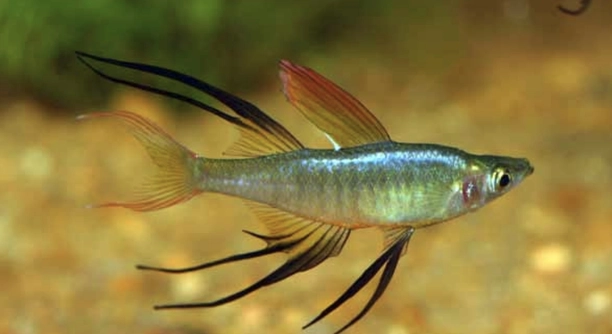
Threadfin fish are delicate creatures that require careful attention when kept in home aquariums. Even a seemingly healthy tank can pose hidden challenges that affect their comfort and overall well-being, making proper preparation essential.
Several common factors indicate that an aquarium may not be suitable for threadfin fish. These include inappropriate water flow, insufficient swimming space, lack of hiding areas, poor water quality, incompatible tank mates, inadequate temperature regulation, and improper lighting conditions, all of which can stress the fish.
Recognizing these signs early helps ensure your threadfin thrives and prevents potential long-term health issues in its environment.
Strong Water Flow
Threadfin fish prefer gentle water currents, and strong water flow can overwhelm them. In tanks with high-powered filters or pumps, these fish may struggle to swim properly. They can become stressed, which affects their appetite, immune system, and overall activity. Even moderate currents can cause them to hide constantly, making it difficult to monitor their health. Adjusting the filter output or using baffles can help reduce excessive water movement. Observing the fish regularly is important, as signs of fatigue or hiding indicate the flow is too strong. Tank design also plays a role; open spaces with no areas to rest increase stress. Plants or decorations can help provide calm zones.
Maintaining gentle water flow ensures threadfin fish move comfortably, feed well, and exhibit natural behaviors, contributing to a healthier environment for long-term care.
Providing areas where water moves slower allows the fish to rest and reduces stress while still keeping the tank oxygenated and clean.
Limited Swimming Space
Threadfin fish are active swimmers and require ample horizontal space. In cramped tanks, they may exhibit erratic swimming or lethargy, which signals discomfort. Small tanks restrict natural movement, leading to muscle weakness and poor health over time. Even if the water quality is excellent, limited space creates an environment that feels unsafe, causing the fish to hide or avoid interaction. Avoid overcrowding with other species, as this further limits swimming room. Decorations and plants should be arranged to maximize open water areas. A minimum tank length of three times the fish’s body size is recommended. Observing their behavior will indicate if they feel comfortable or constrained.
Providing sufficient swimming space supports natural activity patterns and reduces stress, which improves growth, feeding behavior, and overall vitality.
Inadequate swimming space can lead to long-term health issues, including stunted growth and weakened immunity. Proper tank planning ensures threadfin fish thrive while remaining active and stress-free. Open areas encourage exploration and maintain strong physical development, while careful placement of decorations balances stimulation without crowding. Monitoring daily activity helps identify whether adjustments are needed to improve comfort and well-being.
Lack of Hiding Spots
Threadfin fish feel vulnerable without places to hide. Open tanks without plants, rocks, or caves can make them stressed, reducing their appetite and activity levels. Hiding spots give them security and a sense of control over their environment, which is crucial for their well-being.
Without adequate hiding spots, threadfin fish may constantly dart around or remain in corners, showing signs of chronic stress. Stress affects their immune system, making them more susceptible to disease. Decorations, dense plants, or smooth rocks create safe areas that mimic natural environments, allowing the fish to retreat when threatened. Regular observation of their behavior can help determine whether the tank setup provides enough security.
Even with proper water quality and temperature, a lack of hiding places can prevent threadfin fish from thriving. They need areas to rest, escape from strong currents, and feel safe from other tank mates. Balancing open swimming space with sheltered zones encourages natural behavior, reducing stress and promoting better growth. Thoughtful tank design improves overall health and helps the fish display normal, active behaviors without constant fear.
Poor Water Quality
Threadfin fish are highly sensitive to water conditions. High ammonia, nitrite, or nitrate levels can cause illness, lethargy, and even death. Regular testing and maintenance are essential to keep water safe and stable for these delicate fish.
Improper filtration, overfeeding, or infrequent water changes can quickly degrade water quality. Even small fluctuations in pH, temperature, or hardness may stress threadfin fish. Maintaining a stable environment with clean, oxygenated water helps reduce disease risks. Using a reliable filter, performing partial water changes weekly, and avoiding overstocking ensures the tank remains balanced.
Monitoring water parameters daily provides insight into potential problems before they affect the fish. Consistent maintenance, including removing uneaten food and debris, prevents buildup of harmful substances. Threadfin fish thrive in well-oxygenated, clean water with steady temperature and chemical balance. Adjustments like adding plants or using a gentle bubbler can support water quality. Ensuring optimal conditions encourages healthy growth, active swimming, and strong immune function, helping threadfin fish live longer and more comfortably.
Incompatible Tank Mates
Threadfin fish are peaceful and do not do well with aggressive or overly active species. Housing them with larger, territorial fish can cause stress, injuries, or constant hiding. Choosing compatible tank mates is essential for a calm, healthy environment.
Even smaller, nippy fish can disturb threadfins. Overcrowding amplifies stress and reduces swimming space. Observing interactions and making adjustments ensures harmony and prevents long-term health issues.
Improper Temperature
Threadfin fish thrive within a specific temperature range. Water that is too warm or too cold disrupts metabolism, reduces immunity, and increases susceptibility to disease. Maintaining a stable, moderate temperature supports overall health and activity.
Inadequate Lighting
Excessive or harsh lighting can stress threadfin fish, causing them to hide or become lethargic. Moderate, consistent lighting encourages natural behavior and supports plant growth, creating a balanced tank environment.
FAQ
How often should I check water parameters for threadfin fish?
Threadfin fish are highly sensitive, so testing water regularly is important. Checking ammonia, nitrite, nitrate, and pH levels at least twice a week helps catch problems early. Regular testing ensures the environment remains stable, preventing stress and health issues.
Can threadfin fish live with other species?
They can coexist with calm, peaceful fish of similar size. Avoid aggressive, territorial, or nippy species that may chase or harm them. Observing their behavior helps determine compatibility. Overcrowding should also be avoided to maintain swimming space and reduce stress.
What is the ideal tank size for threadfin fish?
Threadfin fish need ample horizontal swimming space. A minimum tank length of three times their body size is recommended. This allows natural swimming, prevents muscle weakness, and reduces stress. Open areas with some hiding spots balance activity and security.
How many hiding spots should I provide?
Multiple hiding spots are recommended. Threadfin fish feel secure in plants, rocks, or caves. Hiding areas allow them to retreat from stronger currents, other tank mates, or perceived threats. Observing whether the fish frequently hide or dart around indicates if more shelter is needed.
How do I reduce strong water currents?
Use adjustable filters or add baffles to reduce excessive flow. Dense plants and decorations can also create calmer zones. Threadfin fish require gentle currents to swim comfortably and conserve energy. Maintaining moderate flow supports health and natural behaviors.
What is the best temperature range for threadfin fish?
A stable, moderate temperature is essential. Sudden fluctuations or extremes can disrupt metabolism and weaken immunity. A heater with a reliable thermostat helps maintain consistent water temperature. Monitoring daily prevents stress and potential health issues.
How often should I perform water changes?
Partial water changes once a week are ideal for threadfin fish. Removing uneaten food and debris helps maintain water quality. Regular maintenance prevents harmful buildup of ammonia, nitrites, or nitrates, supporting fish health and promoting active behavior.
What type of lighting is suitable?
Moderate, consistent lighting works best. Harsh or excessive light stresses threadfin fish, causing them to hide or become inactive. Lighting should also support live plants if present, helping create natural hiding spots and balanced oxygen levels.
How can I tell if my threadfin is stressed?
Signs of stress include constant hiding, erratic swimming, reduced appetite, and color fading. Regular observation helps identify changes in behavior. Addressing water quality, tank mates, or environmental issues can reduce stress and improve health.
What should I feed threadfin fish?
Provide a varied diet of high-quality flake, pellet, and occasional live or frozen foods. Balanced nutrition supports growth, immune function, and energy. Overfeeding can harm water quality, so portion control is important. Observation ensures all fish are eating adequately.
How do I maintain a peaceful tank environment?
Limit aggressive or fast-moving species, avoid overcrowding, and provide hiding spots. Gentle water flow and stable temperature reduce stress. A well-maintained tank encourages natural behavior, healthy growth, and long-term comfort for threadfin fish.
Are threadfin fish sensitive to changes in tank setup?
Yes, sudden changes in decorations, water chemistry, or lighting can stress them. Gradual adjustments and careful observation help them adapt. Stability and consistency in the environment are key for thriving threadfin fish.
Can poor water quality cause disease?
Yes, high ammonia, nitrite, or nitrate levels weaken the immune system and increase susceptibility to infection. Regular testing, partial water changes, and proper filtration prevent these issues, ensuring the fish remain healthy and active.
How do I know if my tank is overcrowded?
Signs include limited swimming space, constant hiding, and aggressive behavior. Ensuring enough open areas and spacing between fish prevents stress, supports movement, and maintains water quality. Calculating the tank’s capacity relative to fish size helps maintain balance.
Is it necessary to quarantine new fish?
Yes, quarantining new arrivals helps prevent introducing disease or parasites. Observing them separately for a few weeks ensures they are healthy before mixing with threadfin fish, protecting the existing tank population.
How can I improve my threadfin’s well-being?
Maintain stable water conditions, moderate temperature, gentle currents, proper lighting, adequate swimming space, and multiple hiding spots. Balanced nutrition and compatible tank mates further support health. Regular observation ensures issues are addressed promptly, promoting a calm, thriving environment.
Threadfin fish require a carefully maintained environment to thrive. Their sensitivity to water quality, temperature, and tank setup means that even small mistakes can affect their health. Observing the fish regularly and responding to their behavior is key to providing a suitable habitat. Ensuring proper water conditions, such as stable pH, low ammonia, nitrite, and nitrate levels, helps prevent stress and illness. Using a reliable filter, performing consistent partial water changes, and monitoring temperature can create a safe and stable environment. These measures allow the fish to remain active, healthy, and display natural behaviors. Consistency in maintenance reduces the risk of long-term health problems and supports overall well-being.
The physical layout of the tank plays an equally important role. Threadfin fish need ample swimming space to remain active, as well as hiding spots to feel secure. Open areas combined with plants, rocks, or small caves provide a balance between movement and shelter. Strong water currents should be avoided, as they can exhaust the fish and prevent normal activity. Lighting should be moderate and consistent, supporting both the fish and any live plants present in the tank. Choosing compatible tank mates is also essential. Peaceful, similarly sized fish allow threadfins to move comfortably and reduce stress from aggression or competition. A thoughtfully arranged tank encourages natural behavior, supports growth, and minimizes unnecessary tension.
Feeding and monitoring behavior complete the care routine. A varied diet of high-quality flakes, pellets, and occasional live or frozen foods ensures proper nutrition. Overfeeding should be avoided to maintain water quality and prevent illness. Watching the fish for changes in swimming, hiding, or appetite provides early indicators of potential issues. Small adjustments to water flow, temperature, or tank layout can improve comfort if stress is observed. By maintaining stable conditions, providing sufficient space and shelter, and monitoring health and diet, threadfin fish can thrive in a home aquarium. Following these practices creates a balanced and safe environment, allowing the fish to grow, remain active, and maintain strong health over time.

Hello,
If you enjoy the content that we create, please consider saying a "Thank You!" by leaving a tip.
Every little bit helps us continue crafting quality advice that supports the health, happiness, and well-being of pets around the world, for pets of all shapes, sizes, and species.
We really appreciate the kindness and support that you show us!