
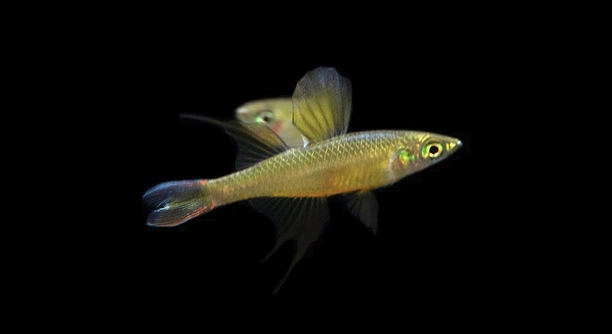
Threadfins are known for their graceful movements and preference for sheltered areas in the water. Observing them can be rewarding, especially when they settle in familiar hiding spots that provide comfort and security. Their behavior is often predictable yet fascinating.
Threadfins may ignore a favorite hiding spot due to changes in environmental conditions, predator presence, or competition for resources. Stress, water quality, and availability of alternative shelter influence their choice, altering their habitual patterns and making them seek safer or more advantageous locations.
Understanding why threadfins shift locations can help in managing habitats and observing natural behaviors more effectively. There are subtle factors at play that impact their choices in surprising ways.
Environmental Changes Affecting Threadfins
Threadfins are sensitive to shifts in their surroundings. Temperature fluctuations, changes in water clarity, and altered currents can make a familiar hiding spot less appealing. Even small variations in salinity or oxygen levels can influence their comfort. Over time, these changes may cause threadfins to explore new areas that offer more stable conditions. Seasonal shifts also play a role, as the availability of food and shelter changes. Threadfins are cautious by nature, so any perceived risk can prompt them to avoid areas they once frequented. Observing these behaviors provides insight into their adaptability and survival strategies. They often return to preferred spots once conditions stabilize, but repeated disturbances may lead to permanent relocation. For those managing habitats or monitoring populations, understanding how environmental factors impact their choices is essential. Simple adjustments, like maintaining consistent water quality, can encourage threadfins to stay in familiar zones while ensuring their health and safety.
Environmental stress can subtly change where threadfins hide, even if the spot seems unchanged.
Threadfins rely on consistency in their habitat to feel secure. When conditions shift, they reassess safety and food availability. Avoiding previously safe areas can be a protective behavior. Predators, human activity, and competition with other fish can reinforce this caution. Careful observation and minor habitat adjustments can support threadfins in returning to preferred areas. Their patterns are not random; they reflect careful assessment of risks and comfort.
Predators and Competition
Predators nearby can make threadfins skip familiar hiding spots.
Predators significantly influence threadfin behavior, often prompting them to seek alternative refuges. When predatory fish, birds, or larger aquatic animals are present, threadfins avoid areas where they might be vulnerable. Competition with other fish for food or shelter also drives relocation, as dominant species can displace smaller threadfins. The combined pressure of predators and competitors forces threadfins to adapt by finding safer or less contested locations. Over time, repeated threats may permanently shift their usual patterns, especially if new hiding spots consistently provide better safety and resources. Maintaining a balance in the habitat, with adequate cover and minimal disturbances, supports threadfins in remaining active and secure. Recognizing these dynamics helps observers understand why their behavior changes and allows for better management of aquatic environments. By monitoring predator presence and resource availability, it is possible to predict where threadfins may hide next, ensuring their well-being and supporting natural behaviors.
Food Availability
Threadfins will avoid hiding spots that no longer provide easy access to food. Changes in prey abundance or water movement can make a location less practical for feeding.
Food scarcity directly affects where threadfins choose to linger. When a favored hiding spot no longer offers sufficient access to prey, they are likely to explore new areas. Insects, small crustaceans, and plankton may shift locations with currents or seasonal cycles. Threadfins respond quickly to these changes, balancing safety with the need to feed efficiently. Even minor reductions in available food can cause them to abandon a previously reliable shelter, emphasizing how closely their behavior is tied to resource availability.
Over time, threadfins develop preferences for spots that consistently provide both shelter and feeding opportunities. If these conditions change, they relocate, sometimes repeatedly, until they find an area that meets both needs. This adaptive behavior shows their instinctive ability to prioritize survival, highlighting the close relationship between food presence and hiding choices. Maintaining balanced prey populations in a habitat supports threadfins’ comfort and encourages stable use of familiar shelters.
Water Quality
Poor water quality can push threadfins away from their usual hiding spots.
Threadfins are highly sensitive to water quality factors like oxygen levels, pollution, and temperature. Even small shifts can make an area unlivable, prompting them to seek cleaner spaces. Regular monitoring of water conditions helps maintain stable habitats.
Changes in oxygen levels or chemical composition can reduce comfort and increase stress, influencing threadfins’ decisions. Pollutants, algae blooms, and human-induced disturbances create environments they instinctively avoid. These fish respond to subtle cues, relocating to areas with healthier conditions. Maintaining clear, well-oxygenated water ensures they continue to utilize preferred hiding spots and remain active. A stable environment supports their natural patterns, reducing unnecessary movement and potential exposure to predators.
Consistent water quality directly impacts threadfin behavior. Fluctuations in temperature, pH, or turbidity can force them to explore new areas. Even if a hiding spot is structurally ideal, degraded water conditions make it unsuitable. Observing how threadfins respond to these changes can guide better habitat management. Ensuring optimal oxygenation, minimal pollutants, and temperature stability allows them to remain in familiar locations, promoting healthy routines and supporting feeding, reproduction, and social behaviors.
Social Dynamics
Threadfins may avoid favorite hiding spots due to social interactions. Dominant fish or groups can make certain areas less accessible or comfortable.
Competition and social hierarchies influence where threadfins choose to stay. They often move to less crowded or safer spaces to avoid conflict and maintain access to resources.
Breeding Behavior
During breeding periods, threadfins alter their typical patterns. Mating needs, egg-laying locations, and protective behaviors can all influence which hiding spots are used or avoided. They prioritize areas that support reproductive success over previously preferred shelters.
Seasonal Shifts
Changes in season can prompt threadfins to relocate. Temperature shifts, altered currents, and food migration affect their choice of hiding spots, encouraging them to explore more suitable areas.
FAQ
Why do threadfins ignore a hiding spot they usually like?
Threadfins often avoid favorite spots because of environmental changes, predator presence, or social dynamics. Even small shifts in water temperature, oxygen levels, or currents can make a familiar area feel unsafe. They prioritize safety and food access, so any factor reducing comfort or resources can prompt relocation.
Can food availability really change their hiding behavior?
Yes, threadfins are highly influenced by prey availability. If a hiding spot no longer provides easy access to insects, small crustaceans, or plankton, they will explore other areas. Efficient feeding is essential for survival, so even a small reduction in food can cause them to abandon a spot.
Do predators always cause them to move?
Predators are a major influence on threadfin behavior. The presence of larger fish, birds, or other threats makes them seek safer areas. Even if a spot is ideal for hiding and feeding, repeated encounters with predators will lead them to choose alternative refuges.
How does water quality affect hiding spot choices?
Poor water quality can make previously preferred spots unsuitable. Low oxygen levels, pollution, or temperature fluctuations create stress. Threadfins instinctively move to areas with better water conditions, which ensures their safety, health, and ability to feed effectively. Stable, clean water encourages them to remain in familiar spots.
Do social interactions change their behavior?
Yes, competition and hierarchy influence threadfin movement. Dominant fish may take over a preferred spot, pushing others to seek less crowded areas. Threadfins adjust their location to avoid conflict, maintain access to food, and stay in safe zones, showing their social awareness and adaptability.
Does breeding affect where they hide?
Breeding periods significantly influence threadfin behavior. They select areas suitable for mating, egg-laying, or protecting young. Even if a spot is usually safe, it may be avoided if it does not support reproductive needs. This behavior ensures survival of the next generation.
Are seasonal changes important?
Seasonal shifts impact temperature, currents, and food distribution. Threadfins respond by relocating to areas that remain comfortable and well-supplied. They follow patterns that maximize safety and efficiency, showing adaptability to changing conditions. Seasonal migrations or temporary relocations are normal in their behavior.
Can repeated disturbances cause permanent relocation?
Yes, continuous changes in environment, predators, or social pressure can make threadfins permanently abandon a hiding spot. Once a location is consistently uncomfortable or risky, they find alternative areas that reliably meet their safety, feeding, and shelter needs.
How can habitat management encourage threadfins to stay?
Maintaining stable water quality, consistent food supply, and minimal disturbances encourages threadfins to remain in familiar hiding spots. Providing sufficient shelter and monitoring predator presence helps reduce unnecessary relocation and supports natural behavior. Careful habitat management benefits both the fish and overall ecosystem health.
Is it normal for them to switch spots frequently?
Yes, occasional movement is normal. Threadfins balance safety, feeding, and social interactions. Short-term relocations allow them to adapt to environmental changes or temporary threats without permanently abandoning their preferred areas. Observing these movements gives insight into their natural behavior.
Do threadfins return to old hiding spots?
Often, yes. If conditions improve—better water quality, increased food, reduced threats—they may return. Threadfins are adaptable but show strong preference for familiar shelters once comfort and safety are restored. Patience and proper habitat conditions support this behavior.
Can multiple factors influence movement at once?
Absolutely. Threadfins respond to combinations of predators, social hierarchy, food availability, water quality, and seasonal changes. The interaction of these factors determines whether they remain in a spot or explore alternatives. Understanding these layers explains many behavior patterns.
How can observing threadfins help understand their needs?
Watching their movements and hiding choices shows how environmental, social, and biological factors affect them. Patterns of relocation reveal stress points, preferred conditions, and natural instincts. Careful observation helps maintain healthy habitats and supports their well-being over time.
Are some threadfins more likely to move than others?
Individual differences exist. Younger or less dominant fish often relocate more frequently to avoid competition. Experienced or dominant individuals may stay longer in preferred spots if conditions are favorable. Personality and hierarchy influence behavior alongside environmental factors.
Is it possible to predict where they will hide next?
Patterns can be anticipated based on habitat conditions, predator presence, food availability, and social structure. While exact predictions are difficult, understanding these factors allows observers to make informed guesses about where threadfins are likely to move and settle.
Do threadfins ever use multiple hiding spots simultaneously?
Yes, they may rotate between locations depending on safety, food, and comfort. Using multiple refuges spreads risk and ensures access to resources. This flexible approach is a natural strategy to adapt to changing conditions and reduce vulnerability.
Threadfins are fascinating fish that demonstrate a mix of instinct and adaptability in their behavior. Their choice of hiding spots is influenced by a variety of factors, ranging from environmental conditions to social interactions. Even locations that once seemed perfect can be abandoned when water quality shifts, predators appear, or food becomes scarce. Observing these patterns shows how responsive threadfins are to their surroundings. They balance safety, comfort, and the need to feed, making decisions that reflect both survival instincts and careful assessment of risk. Understanding these factors can provide valuable insight for anyone managing aquatic habitats or monitoring fish populations, as it highlights the subtle ways behavior can change over time.
One of the most noticeable aspects of threadfin behavior is how sensitive they are to changes in their environment. Even minor fluctuations in temperature, oxygen levels, or water clarity can make a previously favored hiding spot less appealing. Similarly, social dynamics and competition among fish can push threadfins to explore new areas, while the presence of predators encourages them to prioritize safety over comfort. Food availability is another important factor, as threadfins require consistent access to prey to maintain their energy and health. Seasonal shifts, breeding needs, and long-term habitat changes all play a role in guiding their movements. By paying attention to these influences, it becomes clear that their behavior is far from random. Instead, threadfins adjust carefully to maintain a balance between survival and efficiency, moving when necessary and returning when conditions improve.
Maintaining a stable and supportive environment can help threadfins feel secure and remain in familiar areas. Clean water, sufficient oxygen, steady food supply, and minimal disturbances encourage them to use preferred hiding spots. Observing their movements and responses to different conditions also provides insight into what they need to thrive. Over time, it is possible to recognize patterns and anticipate how threadfins might respond to changes in their habitat. Their adaptability is remarkable, showing a combination of instinct, experience, and environmental awareness. By understanding the factors that influence their behavior, it is easier to support their well-being and maintain balanced aquatic habitats. Threadfins offer a clear example of how animals interact with their environment, and studying these interactions allows for more effective management and a deeper appreciation of their natural behaviors.

Hello,
If you enjoy the content that we create, please consider saying a "Thank You!" by leaving a tip.
Every little bit helps us continue crafting quality advice that supports the health, happiness, and well-being of pets around the world, for pets of all shapes, sizes, and species.
We really appreciate the kindness and support that you show us!