
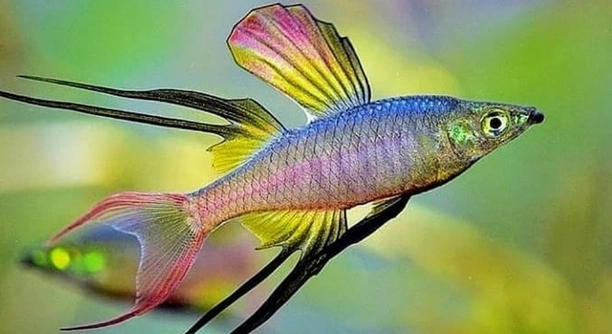
Have you ever noticed how certain fish seem more confident when swimming alongside others, gliding gracefully through the water as a group instead of darting off alone?
Threadfin Rainbowfish can indeed display braver behavior when kept in groups. This phenomenon, known as the “social buffering effect,” allows them to feel safer and more secure among peers. Group presence reduces perceived threats, encouraging bolder exploration and calmer reactions to stress.
Their collective behavior reveals how social dynamics shape individual courage within aquatic life, highlighting the delicate balance between companionship and survival instincts in their underwater world.
Understanding Group Behavior in Threadfin Rainbowfish
Threadfin Rainbowfish are naturally social and thrive in groups, where they find comfort and stability. When surrounded by others of their kind, they are less likely to startle easily and more willing to explore their surroundings. This collective behavior is not just about companionship—it directly influences how they respond to potential threats. In a group, individuals rely on subtle cues from one another, forming a shared awareness of safety. This sense of unity reduces stress and promotes natural swimming patterns. Without the reassurance of a group, these fish often appear timid, hiding more frequently and showing less vibrant coloration, which can indicate stress or insecurity.
Living in groups benefits them beyond emotional comfort. Their feeding habits become more synchronized, allowing them to eat confidently and maintain good health. The presence of others creates a balance that encourages both social interaction and natural confidence.
In aquariums, this dynamic mirrors their natural environment. Group living allows them to display genuine behavior, swim freely, and remain alert without fear. Observing them interact closely highlights the importance of community in their well-being. A small school not only enhances their appearance but also helps sustain their overall vitality.
The Science Behind Bravery in Numbers
Research on fish behavior has shown that group living can significantly alter how individuals respond to stress. When one fish detects danger, the group’s quick, coordinated response helps reduce overall anxiety.
Scientific studies suggest that the presence of others triggers a physiological effect known as social buffering. This process lowers stress hormone levels, helping Threadfin Rainbowfish manage fear more effectively. In smaller groups or isolation, the lack of shared awareness can heighten sensitivity to changes, making them more cautious and less active. Conversely, within larger groups, their confidence rises, and they engage in more exploratory swimming. Environmental enrichment, stable tank conditions, and the presence of fellow fish all work together to create a sense of assurance. Observing this behavior in controlled environments confirms that social interaction directly influences their stress management and activity levels. In essence, the group’s structure supports both emotional balance and physical health, reinforcing the natural bravery seen in these graceful fish.
Environmental Factors That Influence Confidence
Lighting, water flow, and tank setup all affect how Threadfin Rainbowfish express bravery. Dim lighting and calm currents often make them feel safer, encouraging more natural movement. Harsh lights or sudden disturbances can trigger fear and reduce their confidence.
A well-planted tank creates a sense of security and allows them to interact more freely. Plants, rocks, and driftwood serve as hiding spots that reduce anxiety, giving them spaces to retreat when startled. Balanced water parameters also play a key role in maintaining their calmness. Poor conditions increase stress levels, making them appear skittish and withdrawn. When their surroundings mimic their natural habitat, they display richer colors, smoother movements, and more synchronized swimming. These environmental details, though simple, have a strong impact on their comfort and behavior.
Providing a stable, gentle environment fosters steady confidence. Threadfin Rainbowfish thrive when their habitat supports natural exploration without constant disruption or change. Consistency helps them adapt better, reinforcing group trust and overall health. Watching them glide peacefully through a balanced tank shows just how much comfort influences courage. Their behavior reflects the care given to maintaining a stable, soothing aquatic space.
How Group Size Impacts Behavior
The number of fish in a group directly affects their sense of safety and boldness. Smaller groups often lead to more cautious behavior, while larger ones promote relaxed swimming and natural social interaction.
A group of at least six Threadfin Rainbowfish creates an ideal balance. It allows each individual to feel supported without overcrowding the tank. In smaller groups, they may become more alert and hide frequently, sensing vulnerability. Larger groups distribute attention evenly, making each fish less likely to feel exposed. This balance also enhances their natural schooling behavior, leading to more graceful, unified swimming patterns. Proper group size encourages stable hierarchy and social cooperation. When conditions are right, their confidence becomes visible through brighter colors, steady movements, and calm feeding behavior. A well-sized group truly brings out the beauty and assurance these fish are known for.
The Role of Observation and Interaction
Watching Threadfin Rainbowfish closely helps identify changes in behavior and comfort. Frequent hiding, dull coloration, or erratic swimming can signal stress. Consistent observation allows quick adjustments to tank conditions, ensuring they remain confident and display natural social behaviors.
Gentle interaction, such as slow movements around the tank, helps them feel secure. Avoiding sudden noises or bright lights encourages calm swimming. Over time, they begin associating human presence with safety rather than threat, strengthening their sense of stability in the environment.
Feeding Behavior and Group Confidence
Feeding time reveals much about a group’s overall comfort. Threadfin Rainbowfish that feel secure will eat together calmly, showing trust in their surroundings. When anxious, they may hesitate or retreat during feeding. Group feeding encourages unity and helps reduce stress-related competition. Maintaining consistent feeding schedules strengthens this behavior.
Maintaining Long-Term Stability
Consistency is key to preserving their confidence. Regular maintenance, balanced water quality, and stable lighting routines support a calm atmosphere. When the environment remains predictable, Threadfin Rainbowfish continue to thrive, displaying graceful, synchronized movements that reflect their comfort and security within the group.
FAQ
How many Threadfin Rainbowfish should I keep together?
Keeping at least six individuals is recommended to encourage natural schooling and confidence. Smaller groups may make them timid, while very large groups can lead to overcrowding. Six to eight fish usually creates a balanced environment where they feel secure and interact naturally without stress.
Can Threadfin Rainbowfish become braver in a smaller tank?
Yes, but only if environmental conditions are ideal. Proper plants, hiding spots, gentle water flow, and stable water parameters can help them feel safe. Even in smaller spaces, group presence is essential for reducing fear and promoting natural behavior.
Does tank decoration impact their confidence?
Absolutely. Plants, rocks, and driftwood provide hiding spots and resting areas. These features reduce stress, giving fish opportunities to explore without feeling exposed. A well-decorated tank encourages bold swimming, calmer interactions, and natural feeding habits.
How does lighting affect their bravery?
Dim or natural-like lighting often makes Threadfin Rainbowfish feel safer, reducing stress and promoting active swimming. Harsh or bright lights can make them skittish, hiding more frequently and showing less vibrant coloration. Gradual lighting changes also help maintain calm behavior.
Does feeding influence group confidence?
Feeding is closely tied to security. Fish that feel safe will eat together calmly, while anxious individuals may hesitate or hide. Consistent feeding schedules help reinforce comfort, reduce stress, and encourage synchronized behavior during mealtime.
Can their behavior indicate stress levels?
Yes. Dull coloration, erratic swimming, or frequent hiding are signs of stress. Observing these behaviors helps identify issues early, such as poor water quality, inadequate group size, or environmental disturbances, allowing corrective action to maintain their well-being.
Will adding new fish affect group bravery?
Introducing new fish can temporarily cause hesitation or skittish behavior. Gradual introductions, quarantine periods, and ensuring adequate space reduce stress and allow the group to adjust while maintaining overall confidence.
Does water quality impact their willingness to explore?
Stable water parameters are crucial. Poor quality, fluctuating temperature, or incorrect pH increases stress, making fish timid and withdrawn. Maintaining clean, balanced water supports active exploration, synchronized swimming, and visible vibrant colors.
Do Threadfin Rainbowfish show leadership within groups?
Some individuals may take the lead in swimming or exploring, but overall group behavior remains cooperative. Leadership is subtle and helps maintain coordination, ensuring the group moves safely while reducing fear in less confident members.
How can I encourage bolder behavior over time?
Provide consistent environmental stability, balanced water quality, group companionship, and gentle interaction. Over time, fish begin to feel secure and display more confident swimming, synchronized group movement, and natural feeding behavior. Gradual exposure to mild stimuli without sudden disturbances also helps build bravery.
Can group bravery improve their health?
Yes, confident fish tend to feed better, maintain vibrant coloration, and show lower stress levels, supporting immune function and overall well-being. Groups that feel secure demonstrate natural activity patterns that contribute to long-term health.
Is there a risk of aggression in larger groups?
Threadfin Rainbowfish are generally peaceful. Proper group size and sufficient space prevent territorial disputes. Providing plants and hiding spots ensures individuals can retreat if needed, maintaining harmony and reinforcing group confidence.
How long does it take for fish to show increased bravery in groups?
It can vary, but generally, consistent conditions and stable group presence allow noticeable behavioral changes within a few weeks. Over time, they become more willing to explore, feed confidently, and interact socially without frequent hiding.
Does water current affect their bravery?
Gentle water flow encourages natural swimming and exploration. Strong or erratic currents can stress fish, causing them to hide more. Maintaining consistent, moderate currents helps them feel secure while promoting coordinated group movement.
Can I use this knowledge to help other schooling fish?
Yes. The principles of group size, stable environment, consistent feeding, and gentle interaction apply to many schooling species. Ensuring security, comfort, and social cohesion promotes natural behavior and reduces stress across similar fish species.
Final Thoughts
Threadfin Rainbowfish are fascinating creatures that reveal how social behavior impacts confidence and overall well-being. Observing them in a group shows a clear difference compared to when they are alone. In groups, these fish move more freely, explore their environment without hesitation, and display brighter, healthier colors. Their natural curiosity emerges when they feel safe and supported by peers. This behavior reflects not only their instinct for survival but also the way social dynamics influence emotional stability. A single fish may appear timid and skittish, hiding behind plants or near tank edges, while a group of six or more will swim with coordinated grace, demonstrating the benefits of shared presence. The contrast is striking and highlights why group living is so important for their confidence.
Providing a stable, well-maintained environment enhances their ability to be brave and active. Factors such as water quality, temperature, lighting, and gentle water flow directly affect how comfortable the fish feel in their surroundings. Proper tank decoration, including plants, driftwood, and rocks, offers both security and opportunities for exploration. These elements allow Threadfin Rainbowfish to retreat when they feel threatened and rejoin the group when they are ready. Feeding routines also play a role, as fish that eat together without fear tend to feel more secure overall. Even minor disturbances, such as sudden noises or abrupt changes in lighting, can temporarily reduce their confidence. Paying attention to these details and maintaining consistency helps ensure the fish remain calm, healthy, and willing to interact naturally within the group.
Understanding the social and environmental needs of Threadfin Rainbowfish provides insight into their behavior and long-term health. Their bravery is not simply a personality trait—it is shaped by their surroundings, companionship, and the stability of their environment. By prioritizing group living, stable conditions, and gentle care, it is possible to support their natural instincts and encourage confident behavior. Over time, this approach promotes not only visible signs of health, such as vibrant coloration and active swimming, but also a more harmonious aquarium dynamic. Observing the changes in behavior when these fish feel secure and supported can be both informative and rewarding. Their group interactions serve as a reminder that confidence in any living creature often stems from a balance of safety, support, and consistency. By providing these conditions, Threadfin Rainbowfish can thrive, displaying their natural grace and boldness while enriching the environment in which they live.

Hello,
If you enjoy the content that we create, please consider saying a "Thank You!" by leaving a tip.
Every little bit helps us continue crafting quality advice that supports the health, happiness, and well-being of pets around the world, for pets of all shapes, sizes, and species.
We really appreciate the kindness and support that you show us!