
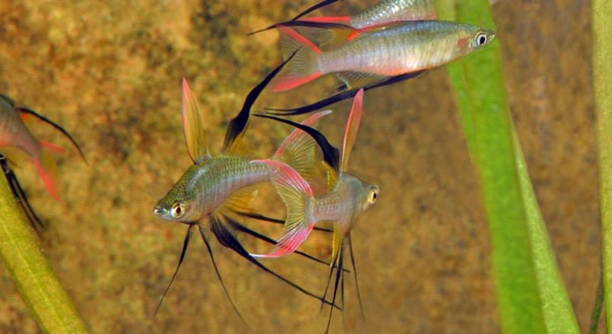
Are your threadfin fish showing unusual swimming patterns in your tank? Observing their behavior closely often reveals that tank setup plays a crucial role in their natural movement. Small changes can make a big difference in their comfort.
Designing aquariums that mimic the natural habitats of threadfin species can significantly enhance their behavior. Incorporating varied water flow, appropriate hiding spots, and open swimming areas encourages instinctual movement, social interaction, and reduces stress in captive environments.
These tank designs provide both a healthier environment and a visually engaging aquarium. They help threadfin fish express natural behaviors consistently.
Open Swimming Zones
Providing open swimming zones in a threadfin tank is essential for their natural movement. These fish are active swimmers and need space to glide freely without obstacles. Large, unobstructed areas reduce stress and allow them to perform schooling behavior naturally. Position decorations and plants around the edges rather than the center, creating a clear path for swimming. Open zones also support proper exercise, which promotes overall health, stronger muscles, and better immune function. In smaller tanks, threadfins can become tense or aggressive if they feel confined, so prioritizing horizontal swimming space is important. Pairing open areas with moderate water flow enhances movement, mimicking their natural rivers or estuaries. Observing them in these zones allows you to notice social interactions, feeding behaviors, and preferred swimming patterns. Adjustments to tank layout may be necessary as the fish grow, ensuring continuous comfort. The goal is a balance between open space and enriching elements for stimulation.
Open swimming zones reduce stress and encourage active schooling. Fish use these areas to move naturally and maintain health efficiently.
Clear open spaces create a visually appealing tank while promoting natural schooling behavior. Threadfins can glide freely, interact socially, and maintain a healthy lifestyle in an environment that mirrors their natural habitat.
Varied Water Flow
Threadfin fish thrive in tanks with varied water flow. Gentle currents near plants and stronger flows in open areas mimic their natural environment.
Creating a gradient of water movement allows threadfins to exercise naturally while providing calmer spots for resting. Strong currents in open zones encourage swimming endurance, while gentle flows near hiding spots prevent exhaustion. Placement of filters, pumps, and stones can help establish these areas, ensuring the tank doesn’t become stagnant. Varying flow also stimulates natural foraging, as threadfins chase drifting food, supporting both physical and mental health. Over time, the fish learn to navigate currents efficiently, displaying more natural behavior patterns. Adjusting flow intensity periodically prevents boredom and keeps fish engaged, while also distributing oxygen evenly. Careful observation ensures that water speed is suitable for all fish, as too strong a current may tire them or disrupt schooling. Combining varied water flow with thoughtful tank layout promotes a dynamic, naturalistic habitat that encourages health, activity, and well-being.
Natural Hiding Spots
Hiding spots reduce stress and give threadfins a sense of security. Plants, rocks, and driftwood create areas where fish can retreat when they feel threatened or need rest.
Position decorations to allow easy access without overcrowding the tank. Dense plant clusters near the sides and corners work best. This setup not only provides refuge but also encourages exploration. Threadfins often alternate between open swimming and brief retreats, mimicking their behavior in the wild. Using a mix of tall and short plants adds vertical complexity, giving fish options at different depths. Smooth rocks and driftwood create gentle barriers without sharp edges, maintaining safety. Consistent hiding spaces help reduce aggression and improve social interactions. Threadfins show calmer, more natural behavior when these secure zones are available. Observing them using these spots reveals patterns in hierarchy and preference, which can guide further tank adjustments. Balancing hiding spots with open swimming areas ensures both activity and comfort, creating a healthier environment overall.
Hiding spots are essential for reducing stress and encouraging exploration. They support natural behavior and social balance.
Creating secure areas encourages exploration while maintaining comfort. Threadfins use these spots to rest, hide, and interact naturally, balancing activity with safety.
Substrate Variation
Substrate variation enriches the tank and supports natural foraging behavior. Fine sand, gravel, and smooth pebbles offer sensory differences and encourage natural movement.
Threadfins often sift through substrate in search of food. Mixing textures creates interest and stimulates instinctive digging and searching. Sand areas allow gentle movement and reduce abrasion on delicate fins, while gravel sections provide stability for plants and decorations. Smooth pebbles can create small barriers or pathways, adding complexity to the tank floor. Variation in depth also affects water flow locally, offering microenvironments that mimic rivers or estuaries. By observing substrate use, adjustments can be made to encourage natural patterns, prevent stagnation, and maintain cleanliness. Regular cleaning and monitoring prevent debris accumulation while preserving the benefits of varied textures. This approach combines practicality with behavioral enrichment, keeping threadfins active, healthy, and engaged in their environment.
Substrate variation provides sensory stimulation and promotes natural foraging. Fish interact with textures, enhancing activity, curiosity, and overall well-being.
Live Plants
Live plants improve water quality and create natural hiding areas. Threadfins use plants for shelter, rest, and occasional foraging.
Fast-growing species like hornwort or water wisteria help maintain oxygen levels and provide visual barriers. They reduce stress and simulate natural habitats effectively.
Floating Elements
Floating elements offer shade and subtle water movement. Threadfins feel safer and can rest beneath them when needed.
Floating plants like duckweed or frogbit create soft light diffusion, reducing aggression. They also enhance the tank’s aesthetic while supporting natural behavior patterns.
Layered Tank Structure
Layered tank structures mimic riverside environments. Rocks, driftwood, and plant tiers create multiple swimming planes, allowing fish to explore vertically and horizontally. This setup encourages natural schooling, foraging, and resting behaviors. Threadfins can navigate through different zones, promoting active movement while reducing territorial disputes and stress.
FAQ
How much space do threadfin fish need in a tank?
Threadfin fish require ample swimming space. A minimum of 50 gallons is recommended for a small group, but larger tanks allow more natural schooling and reduce stress. Open swimming areas combined with hiding spots create a balanced environment where fish can explore freely while having refuge when needed.
What type of water flow is best for threadfin fish?
Varied water flow is ideal. Gentle currents near plants and stronger flows in open zones mimic their natural habitat. This encourages exercise, supports foraging behavior, and helps maintain oxygen levels throughout the tank. Adjustable pumps or filters can create microenvironments suitable for all individuals.
Which plants work well with threadfin tanks?
Fast-growing, hardy plants are best. Hornwort, water wisteria, and java fern provide hiding spots and oxygenate the water. Floating plants like duckweed or frogbit offer shade and break up light, helping threadfins feel secure. Arranging plants in clusters and along edges ensures open swimming areas remain available.
Do threadfins need substrate variation?
Yes, substrate variation enhances natural behavior. A mix of sand, gravel, and smooth pebbles allows fish to forage and explore textures. Sand areas are gentle on fins, while gravel supports plant roots. Varying depth also influences water flow locally, creating microhabitats that reduce boredom and promote activity.
How can I reduce stress in my threadfin tank?
Stress can be reduced through a combination of tank layout and environmental enrichment. Open swimming zones, secure hiding spots, and varied water flow help fish feel safe. Consistent water quality, proper filtration, and stable temperature are also critical. Observing behavior regularly helps identify stress signals early.
Can threadfin fish be kept with other species?
Threadfins are generally peaceful but may become territorial if the tank is overcrowded. Compatible species include other mid- to large-sized community fish. Avoid aggressive or fin-nipping species. Proper tank size, ample hiding spots, and varied water flow minimize conflicts while supporting social behavior.
How often should I clean a threadfin tank?
Regular maintenance is key. Partial water changes of 20–30% weekly help maintain water quality. Cleaning substrate carefully, pruning plants, and removing debris ensures the tank stays healthy. Proper filtration and monitoring of water parameters prevent stress and illness in the fish.
Do threadfin fish require specific lighting conditions?
Moderate lighting works best. Bright light can cause stress, while too little light may inhibit plant growth. Using floating plants or adjustable lighting helps create shaded areas. A consistent day-night cycle supports natural rhythms, encouraging normal feeding and swimming behavior.
Is diet important for natural behavior?
Yes, diet directly impacts activity and well-being. Threadfins are omnivorous and benefit from a mix of high-quality flakes, pellets, and occasional live or frozen foods. Feeding small portions multiple times a day encourages natural foraging and prevents overfeeding, which can affect water quality and fish health.
How do I monitor if threadfins are behaving naturally?
Observe swimming patterns, social interactions, and feeding behavior. Active schooling, exploration of open zones, and use of hiding spots indicate comfort. Lethargy, constant hiding, or aggression may signal stress. Adjust tank layout, water flow, or social structure as needed to encourage natural behavior.
What is the ideal temperature and pH for threadfin fish?
Threadfins thrive in slightly warm, stable conditions. Temperatures between 75–82°F and a pH around 6.5–7.5 are suitable. Maintaining stability is more important than exact numbers. Fluctuations in temperature or pH can stress fish and disrupt normal behavior patterns.
Can I use decorations for enrichment?
Yes, decorations like rocks, driftwood, and artificial plants add vertical and horizontal complexity. They create pathways, hiding areas, and resting spots. Arranging them thoughtfully ensures fish can navigate freely while experiencing a stimulating environment that supports natural schooling and exploration.
How long does it take for threadfins to adapt to a new tank?
Adaptation can take several days to a few weeks. Providing a stable environment with proper water flow, hiding spots, and familiar substrates helps them acclimate. Observing feeding and swimming behavior allows you to monitor comfort levels and make gradual adjustments.
Can tankmates impact threadfin behavior?
Yes, the presence of other fish influences schooling and social interactions. Peaceful, similarly sized species encourage natural behavior, while aggressive or overly active fish can stress threadfins. Proper tank design and space allocation mitigate negative interactions and promote balanced social dynamics.
Are there signs of poor tank design affecting threadfins?
Signs include lethargy, erratic swimming, constant hiding, and aggression. Poorly arranged plants, insufficient swimming space, or uniform water flow can cause stress. Adjusting layout, adding hiding spots, or varying water flow often restores natural behavior and overall health.
Can I encourage breeding behavior in a home tank?
Providing optimal conditions such as open swimming zones, varied water flow, and secure hiding spots can encourage natural breeding behaviors. A healthy diet, stable water parameters, and minimal stress increase the likelihood of successful spawning. Observing social dynamics helps identify compatible pairs.
Do floating plants affect water parameters?
Yes, floating plants reduce light intensity, absorb nutrients, and provide shelter. They help control algae growth and create shaded areas. While they slightly alter oxygen distribution, they support a more natural environment that promotes stress-free behavior in threadfins.
Is it necessary to rearrange the tank occasionally?
Occasional rearrangement prevents boredom and encourages exploration. Moving decorations, plants, or substrate slightly can stimulate natural foraging and swimming patterns. However, changes should be gradual to avoid stressing the fish and should maintain balance between open spaces and secure hiding areas.
How do I know if threadfins are healthy?
Healthy threadfins are active, have vibrant coloration, and display normal schooling behavior. They explore the tank, forage naturally, and rest in hiding spots as needed. Signs of illness or stress include faded colors, clamped fins, erratic swimming, or refusal to eat. Consistent care promotes long-term well-being.
Can I keep juvenile and adult threadfins together?
Yes, but space is critical. Juveniles may hide or be outcompeted by adults if the tank is too small. Ensuring open swimming zones, multiple hiding spots, and consistent feeding prevents aggression and supports natural behavior for all ages.
What are common mistakes in designing a threadfin tank?
Common mistakes include overcrowding, insufficient hiding spots, uniform water flow, and lack of substrate variation. Neglecting water quality or using incompatible tankmates also disrupts natural behavior. Observing fish regularly and making thoughtful adjustments ensures a thriving, natural environment.
How often should I check water parameters?
Weekly monitoring of temperature, pH, ammonia, nitrite, and nitrate is recommended. Consistent checks prevent stress and support natural behavior. Quick intervention in case of fluctuations protects health and maintains a stable environment for schooling and exploration.
Are driftwood and rocks necessary?
They are not strictly necessary but highly beneficial. Driftwood and smooth rocks create vertical and horizontal structures, resting spots, and microhabitats. These elements reduce aggression, provide shelter, and enhance the tank’s natural feel, encouraging threadfins to behave as they would in rivers or estuaries.
How do I balance hiding spots and open areas?
The key is proportion. At least 50–60% of the tank should be open for swimming, with hiding spots distributed along edges and corners. This balance allows schooling, exploration, and rest, supporting natural activity and reducing stress in a captive environment.
Can lighting affect behavior?
Lighting influences activity and stress levels. Moderate light with shaded areas encourages normal movement and resting patterns. Avoid overly bright or constant light, as it can cause aggression, stress, and reluctance to use open swimming zones or hiding spots.
Is tank size more important than decoration?
Yes, tank size is critical for natural movement. Even with decorations, a small tank restricts swimming and schooling behavior. Prioritize open space, then add hiding spots and enrichment to simulate a natural, comfortable environment.
Do temperature fluctuations impact activity?
Threadfins are sensitive to sudden changes. Stable temperatures maintain energy, encourage schooling, and support natural foraging. Fluctuations can lead to lethargy, hiding, or stress-related behaviors, reducing overall well-being. Monitoring heaters and water circulation prevents these issues.
How long can threadfins live in captivity?
With proper care, threadfins can live 5–8 years or longer. A well-designed tank with open spaces, varied water flow, hiding spots, and balanced diet supports longevity while allowing them to display natural behaviors throughout life.
Are there signs that tank design is optimal?
Signs include active swimming, frequent use of hiding spots, natural schooling, healthy coloration, and consistent feeding. Fish should explore different zones, interact socially, and appear relaxed, indicating the environment meets both physical and behavioral needs.
Can feeding methods affect behavior?
Yes, feeding small portions multiple times a day encourages foraging and reduces competition. Scatter feeding or using sinking pellets simulates natural food searching, keeping fish active and engaged while preventing overfeeding and maintaining water quality.
Is it important to maintain water clarity?
Yes, clear water improves stress levels and visibility for social interaction. Proper filtration, regular water changes, and debris removal prevent buildup of waste while supporting natural schooling and exploration behaviors.
Do threadfins need a tank with both vertical and horizontal space?
Yes, layered tank structures allow exploration in multiple planes. Vertical space supports resting and hiding in taller plants or driftwood, while horizontal space enables schooling and free swimming. This combination mimics natural habitats and encourages full range of natural behaviors.
How do I prevent aggression among threadfins?
Balanced tank design, sufficient open swimming zones, and evenly distributed hiding spots reduce conflicts. Avoid overcrowding and choose compatible tankmates. Observing social interactions allows timely adjustments to layout, feeding, and flow to maintain harmony and encourage natural schooling behavior.
Can environmental enrichment reduce disease risk?
Yes, stimulation through varied substrates, plants, and flowing water reduces stress, strengthening immunity. Healthy, active fish are less prone to infections, and well-maintained tanks prevent buildup of harmful bacteria, ensuring threadfins display natural behaviors consistently.
What should I do if fish seem inactive?
Check water quality, flow, temperature, and tank layout first. Inactivity may indicate stress, poor design, or illness. Adjusting hiding spots, flow patterns, or feeding methods often restores activity, encouraging natural swimming and social interaction.
How important is consistent care for natural behavior?
Consistency in water changes, feeding, and observation supports predictable routines, reducing stress. Threadfins thrive when environments remain stable, allowing them to focus on natural swimming, schooling, and foraging rather than coping with frequent changes or disturbances.
Are there any quick fixes to improve behavior?
Simple adjustments like adding open swimming zones, hiding spots, varied substrate, or floating plants can quickly encourage natural activity. Observing behavior after changes ensures improvements are effective and supports long-term well-being.
How do I choose the right tankmates?
Select peaceful, similarly sized species that won’t compete aggressively for space or food. Tankmates should tolerate the same water parameters. Proper spacing, hiding areas, and monitoring interactions ensure harmonious social dynamics and support threadfin natural behaviors.
Does tank lighting schedule matter?
Yes, a consistent day-night cycle supports normal activity, feeding, and rest patterns. Sudden changes in light can stress fish, causing hiding, aggression, or inactivity. A gradual transition with moderate light ensures natural behavior throughout the day.
How can I simulate seasonal changes?
Adjusting light intensity, flow patterns, and temperature slightly can mimic seasonal variation. This encourages natural responses such as increased activity or subtle behavioral shifts, keeping threadfins engaged and promoting overall health.
Are there any common mistakes in feeding?
Overfeeding or offering only one type of food can disrupt water quality and reduce natural foraging behavior. Providing a varied diet in controlled portions encourages searching, exploration, and balanced nutrition, supporting health and activity.
How often should tank layout be reviewed?
Reviewing layout every few months helps identify areas for improvement. Observing movement patterns, social interactions, and substrate use ensures the environment continues to support natural behavior and reduces stress or boredom.
Can tank size affect lifespan?
Yes, insufficient space limits exercise, increases aggression, and causes stress. Adequate tank size supports schooling, foraging, and exploration, contributing to overall health and longevity. Larger tanks also allow for enrichment and layered structures that encourage natural behaviors.
Do threadfins need specialized filtration?
Filtration that maintains water clarity, oxygenation, and moderate currents is essential. Adjustable flow helps create microenvironments, supporting both activity and resting zones. Proper filtration prevents stagnation, reduces stress, and encourages natural swimming and foraging behaviors.
Can tank design influence breeding success?
Yes, providing open swimming zones, hiding spots, varied flow, and stable conditions encourages natural courtship and spawning behavior. A balanced environment with minimal stress increases the likelihood of successful reproduction.
How can I tell if hiding spots are adequate?
Fish should use hiding areas without over-crowding. Calm resting, reduced aggression, and frequent exploration indicate the right balance. Too few hiding spots lead to stress, while too many can limit schooling and open swimming behavior.
Is it necessary to change substrate types periodically?
Not necessary, but occasional rearrangement or adding small areas of different textures can stimulate foraging and exploration. Maintaining cleanliness and monitoring behavior ensures enrichment without causing stress or habitat disruption.
Do all threadfins behave the same?
Individual differences exist. Some may be more active, shy, or aggressive. Observing preferences for hiding, swimming zones, or foraging helps tailor the tank environment to meet the needs of all fish, supporting natural behavior for the group.
Can decorations impact water flow?
Yes, placement of rocks, driftwood, and plants affects current distribution. Thoughtful arrangement ensures varied flow, promotes exercise, prevents stagnant zones, and maintains oxygen levels. This encourages natural swimming patterns and reduces stress in the tank environment.
Are microhabitats important?
Yes, creating areas with slightly different flow, lighting, and substrate types allows fish to choose conditions that suit their current behavior or mood. Microhabitats support resting, foraging, and social interactions, enhancing overall well-being and natural behavior expression.
Do threadfins need temperature ramps or gradients?
Gradients are beneficial but not required. Slight variation in temperature across zones can mimic natural environments, allowing fish to choose preferred conditions. Maintaining stability is more critical than creating large fluctuations, ensuring comfort and normal activity.
Can tank size compensate for fewer decorations?
Partially. Larger tanks allow more swimming space and reduce stress, even with minimal decorations. However, enrichment through hiding spots, substrate variation, and floating plants still improves behavior and supports natural activity.
How do I balance open areas with enrichment?
Prioritize at least half the tank as open swimming space. Distribute hiding spots, plants, and substrate variations along edges and corners. This ensures schooling, exploration, and foraging while maintaining safety and comfort.
Are there benefits to observing behavior daily?
Daily observation helps identify stress, illness, or layout issues early. It allows timely adjustments to flow, hiding spots, or tankmates, ensuring threadfins maintain natural swimming, social, and foraging behaviors consistently.
Does tank orientation matter?
Placement near windows or areas with sudden light changes can stress fish. Stable, consistent lighting and minimal external disturbance help maintain natural behavior and reduce hiding or aggressive tendencies.
Can tank design influence coloration?
Yes, a comfortable, stress-free environment enhances natural coloration. Open swimming zones, hiding spots, varied flow, and proper lighting reduce stress, allowing threadfins to display healthy, vibrant colors.
Is it important to have backup equipment?
Yes, maintaining flow, filtration, and temperature is crucial. Backup pumps, heaters, or filters prevent sudden disruptions that can stress fish and alter behavior. Consistent conditions support natural activity and overall health.
Do substrate depth and type affect breeding?
Yes, sand or fine gravel allows natural digging behavior for spawning. Proper depth and texture support egg deposition and help maintain water quality, creating conditions conducive to natural reproductive behaviors.
Can rearranging plants too often stress fish?
Yes, frequent or drastic changes can cause stress and reduce activity. Gradual adjustments maintain enrichment while allowing fish to acclimate, supporting natural exploration and schooling patterns.
Are there advantages to using driftwood over artificial decorations?
Driftwood provides natural surfaces for biofilm, shelter, and microhabitats. It can slightly lower pH, simulating rivers or estuaries. While artificial decorations are safe, driftwood enhances realism and encourages natural behaviors like exploring and hiding.
How can I tell if water flow is too strong?
Signs include constant resistance swimming, fatigue, or avoidance of certain zones. Adjusting pump speed or using flow deflectors creates balanced currents suitable for activity, foraging, and resting without overexertion.
Is it better to have a taller or wider tank?
A wider tank is preferable for schooling and horizontal swimming, while moderate height allows vertical exploration. The combination supports full-range movement, natural foraging, and resting behavior.
Do seasonal temperature changes affect behavior?
Yes, gradual seasonal variations can influence activity levels, feeding, and social behavior. Simulating mild changes while maintaining overall stability keeps fish engaged without causing stress or illness.
Can adding rocks and plants in layers improve behavior?
Layered arrangements create vertical zones for hiding, resting, and exploring. Fish can navigate different planes, promoting activity and natural interactions while maintaining a sense of security.
Are there risks to overcrowding a threadfin tank?
Overcrowding increases aggression, stress, and competition for food and hiding spots. Adequate space, flow, and enrichment prevent conflict and ensure schooling, exploration, and natural foraging behaviors are maintained.
How important is oxygenation for threadfins?
Proper oxygenation supports active swimming and reduces stress. Aeration through flow, plants, or air stones ensures fish can move freely, forage, and interact naturally without fatigue or respiratory issues.
Do threadfins need seasonal diet changes?
Minor adjustments can mimic natural availability of foods. Including live, frozen, and plant-based items keeps them engaged in foraging behavior and supports overall health without drastic changes that stress fish.
Can lighting color influence behavior?
Subtle shifts in light spectrum can reduce stress and encourage natural activity. Avoid harsh or flickering light, as it can trigger hiding or erratic swimming patterns. Natural or warm-toned lighting is usually best.
Are there signs that enrichment is sufficient?
Active exploration, balanced use of hiding spots, schooling, and frequent foraging indicate successful enrichment. Fish appear healthy, engaged, and stress-free, showing full range of natural behaviors.
How do I maintain a balance between natural behavior and aesthetics?
Arrange open swimming areas and hiding spots while using
Final Thoughts
Creating a tank that supports natural threadfin behavior requires careful planning and attention to detail. Open swimming zones, varied water flow, and secure hiding spots form the foundation of a well-balanced environment. Each element contributes to the physical and mental well-being of the fish, allowing them to exhibit natural swimming, schooling, and foraging behaviors. By prioritizing open space, threadfins have room to move freely, exercise, and interact socially. Observing them in these zones provides insight into their preferences and social hierarchy, which can guide future adjustments. The tank should feel spacious and structured, offering both activity and comfort without overcrowding.
Substrate variation and live plants add another layer of enrichment, giving fish opportunities to explore and forage as they would in the wild. Sand, gravel, and smooth pebbles stimulate natural digging behavior while supporting plant growth and water quality. Live plants create hiding areas, provide shade, and contribute to oxygenation, while floating plants add subtle light diffusion and shelter. Driftwood and rocks introduce vertical and horizontal complexity, offering resting spots, microhabitats, and visual interest. Thoughtful arrangement of these elements ensures that open swimming zones remain available while still providing enrichment. Regular monitoring and occasional adjustments help maintain balance and prevent stress. Layered structures, combined with varied flow and lighting, encourage natural exploration and activity. These design considerations support a healthy, engaging environment that promotes both behavior and well-being.
Maintaining consistent care is equally important in promoting natural behavior. Regular water changes, monitoring of temperature and pH, and proper feeding schedules keep fish comfortable and active. Providing a varied diet encourages natural foraging and prevents overfeeding, which can impact water quality and fish health. Observing behavior daily allows quick identification of stress or discomfort, enabling adjustments to tank layout, flow, or enrichment. Thoughtful selection of tankmates and adequate space further reduces aggression and competition, supporting social harmony. By combining proper design, enrichment, and consistent care, threadfins can thrive in captivity, displaying the behaviors that make them unique. A well-planned tank benefits not only the fish but also the overall aesthetic and enjoyment of the aquarium, creating a space that is both functional and natural.

Hello,
If you enjoy the content that we create, please consider saying a "Thank You!" by leaving a tip.
Every little bit helps us continue crafting quality advice that supports the health, happiness, and well-being of pets around the world, for pets of all shapes, sizes, and species.
We really appreciate the kindness and support that you show us!