
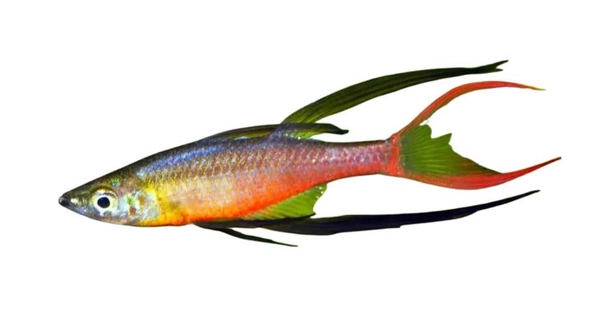
Do your aquariums sometimes feel too static, leaving your fish unengaged? Threadfin Rainbowfish are lively and often respond noticeably when changes occur in their surroundings. Moving decorations can catch their attention and shift their behavior subtly.
Threadfin Rainbowfish typically react to moving decorations by displaying increased curiosity and activity. They may swim around the new object, investigate it from different angles, and adjust their positions within the tank. This behavior reflects their natural alertness and social dynamics.
Observing their reactions can reveal insights into their temperament and preferences, helping you create a more stimulating and comfortable environment for your fish.
Observing Initial Reactions
When I first added a gently swaying decoration to the tank, the Threadfin Rainbowfish immediately noticed. Their fins flared slightly, and they swam closer to inspect the new movement. Some stayed near the glass, watching intently, while others approached cautiously. Their behavior shifted from routine swimming to short bursts of curiosity-driven investigation. I noticed subtle changes in group dynamics too, as some fish led the approach while others hung back, observing from a distance. Even minor movements in decorations, like a slow drift from water flow, can spark these reactions. It was interesting to see how quickly they adapted, balancing caution with exploration. Over time, they became more comfortable with the new element, integrating it into their swimming patterns. Watching these small interactions revealed their social awareness and attentiveness. The gentle movement of objects can stimulate mental activity and encourage more active swimming, which supports overall health and engagement in the aquarium environment.
Some fish approached faster than others, showing a clear range of curiosity levels among the group.
Their responses highlight the importance of introducing movement gradually. This ensures they feel safe while encouraging natural behaviors. Repeated exposure can reduce hesitation and allow more timid fish to participate. Observing which fish investigate first can also provide insight into social hierarchies. Over time, they learn to distinguish harmless decorations from potential threats, improving their confidence and exploration skills. Movement in the tank creates subtle enrichment, promoting activity without stressing the fish. I noticed that rotating decorations or slightly adjusting their placement keeps their interest alive, preventing the environment from becoming too predictable. Even minor changes can foster engagement, allowing fish to express natural instincts like chasing, inspecting, and gentle schooling around the object. Understanding these patterns helps maintain a balanced tank and supports the overall well-being of each fish. By paying attention to these small signals, I could enhance their habitat effectively, making it stimulating yet safe.
Long-Term Effects of Moving Decorations
Repeated exposure to moving decorations encourages more consistent activity. Threadfin Rainbowfish gradually swim with increased confidence, often returning to explore the same area. Their interactions with the object become predictable and less cautious over time, showing adaptation to the change.
Over a longer period, moving elements in the aquarium can improve both physical and mental stimulation for Threadfin Rainbowfish. When decorations shift gently or flow with water currents, the fish remain alert and engaged, avoiding stagnation in their daily patterns. This movement encourages swimming, exploration, and social interaction, all of which contribute to healthier behavior and reduced stress. I noticed that when new movements were introduced at intervals, the fish showed renewed curiosity and subtle schooling adjustments around the decoration. It is also clear that varying the type and size of the object affects their responses differently, allowing for tailored enrichment. Continuous observation ensures that the decorations do not startle or overwhelm them, maintaining a calm environment. Over months, the fish displayed improved coordination, with leaders guiding others and the group adjusting its positions dynamically. Movement helps the fish exercise naturally and remain mentally alert, enhancing overall tank harmony and providing a more engaging setting for each individual.
Types of Movement That Attract Attention
Even subtle motion can catch the attention of Threadfin Rainbowfish. Gentle swaying or drifting in the current often prompts them to investigate and swim closer. Sudden, jerky movements may startle some, causing temporary retreat or cautious observation.
I observed that decorations moving slowly in the water tend to keep the fish interested longer. When a small ornament drifted with the flow, the fish approached repeatedly, inspecting from different angles. This slow, predictable motion seemed to be less intimidating and encouraged natural curiosity. Fast or erratic movement, however, often caused a few fish to dart away, returning only after they felt safe again. Maintaining a balance between noticeable motion and gentle flow keeps the environment stimulating without creating unnecessary stress. Consistent movement allows the fish to anticipate the action, creating a sense of familiarity and engagement.
Different types of motion also influence group behavior. Some fish lead the investigation while others follow, showing subtle social coordination. Rotation, tilt, or oscillation of objects affects individual approaches differently. By varying movement type and frequency, the tank stays engaging. Observing how each fish reacts helps me choose decorations that promote natural swimming patterns and mental stimulation. Certain flowing elements can encourage short bursts of activity, while slow, rhythmic motions help fish feel secure as they explore. Over time, movement patterns become part of their routine, enhancing interaction with the environment and supporting overall well-being.
Placement and Interaction
Positioning decorations strategically affects how Threadfin Rainbowfish interact with them. Placing objects near open swimming areas encourages closer examination and social grouping.
I found that when moving items were placed in central areas, the fish approached more frequently. Decorations positioned near hiding spots caused a mix of cautious inspection and avoidance. By adjusting placement slightly each week, I could monitor changes in behavior and identify preferences. Certain areas became favored exploration zones, while others were approached only occasionally. This variation maintained engagement and encouraged more active swimming throughout the tank. Strategic placement also helped avoid territorial disputes, as each fish had space to investigate safely without stress. Observing these patterns made it clear that placement is as important as motion when fostering interaction.
Placement can also influence schooling patterns and interaction with other fish. By alternating positions, I noticed shifts in group dynamics, with different fish taking the lead in exploration. This kept their environment mentally stimulating while supporting healthy social behaviors. Objects placed near plants or open areas allow multiple approaches, balancing curiosity and safety. Adjusting height and orientation of moving decorations impacts swimming routes and encourages diverse movement patterns. Regularly changing positions without drastic disruption ensures the fish stay attentive, promoting natural instincts and overall tank harmony. By monitoring their reactions, I could fine-tune placement to maximize engagement and reduce stress, creating a lively and balanced aquarium environment.
Responses to Quick Movements
Threadfin Rainbowfish react quickly to sudden changes in their environment. A swift-moving decoration can startle them, causing brief bursts of swimming or retreat to familiar hiding spots.
Some fish recover quickly, returning to inspect the object after assessing it is not a threat. Others may remain cautious for longer, showing variation in temperament within the group.
Benefits of Gentle Motion
Introducing gentle, consistent movement encourages natural swimming patterns and keeps the fish mentally active. Threadfin Rainbowfish tend to follow flowing decorations, which can improve coordination and promote social interaction. Over time, subtle motion reduces lethargy and helps maintain overall health, creating a more dynamic and engaging environment for all the fish.
Avoiding Overstimulation
Too much movement can overwhelm the fish and lead to stress. Moderation in motion ensures they remain curious without feeling threatened.
FAQ
How do Threadfin Rainbowfish usually react to new decorations?
Threadfin Rainbowfish are naturally curious and attentive to changes in their environment. When a new decoration is introduced, they often swim closer to investigate, observing from different angles. Some may approach immediately, while others take a more cautious route. Initial reactions can include slight flaring of fins, circling the object, or brief pauses in movement. Over time, most fish adjust, integrating the decoration into their swimming patterns. Repeated exposure to safe, moving objects encourages exploration and reduces hesitation, allowing the fish to become comfortable and confident in their surroundings.
Can moving decorations stress Threadfin Rainbowfish?
Yes, decorations that move too quickly or unpredictably can cause stress. Sudden jerky movements may startle some fish, causing them to dart away or hide for extended periods. It is important to balance motion with safety, using gentle, slow-moving objects that stimulate curiosity without overwhelming them. Observing each fish’s behavior is key—some will tolerate faster motion, while others need gradual introduction. Stress signs include rapid breathing, hiding, or reduced swimming activity. Controlled motion helps maintain mental engagement and reduces the risk of prolonged stress, supporting the overall well-being of the group.
How often should I introduce moving decorations?
Introducing movement intermittently works best. Frequent, minor adjustments keep the fish interested without causing confusion or stress. I typically rotate or slightly reposition decorations once a week, ensuring the environment remains stimulating. This schedule allows the fish to recognize safe movement patterns while retaining curiosity. Avoid changing multiple elements at once, as too many new stimuli can be overwhelming. Observing their responses after each change helps determine whether the timing and frequency are appropriate. Consistent but moderate adjustments promote mental activity, social engagement, and healthy exploration behaviors.
Do all Threadfin Rainbowfish react the same way?
No, individual fish display a range of reactions. Some are bolder, approaching new or moving decorations immediately, while more timid fish may observe from a distance. Social dynamics influence these responses, as leaders often guide the group in exploration. Over time, shy fish usually gain confidence as they see others interacting safely. Variation in temperament is normal and should be considered when introducing decorations. By watching these differences, I can adjust motion speed, placement, and type of decoration to accommodate all fish, ensuring a balanced and engaging environment.
What type of motion is most effective?
Slow, rhythmic, and predictable motion tends to be most effective. Gentle swaying or drifting along with water currents encourages exploration without startling the fish. Fast, erratic movement can trigger avoidance behaviors or temporary stress. Rotating objects, tilting, or oscillating decorations subtly can maintain interest, keeping the environment dynamic. I’ve found that alternating types of gentle motion over time prevents habituation, encouraging the fish to remain alert. Observing how each fish interacts with the movement allows fine-tuning to enhance engagement while ensuring the tank remains calm and safe.
Does placement affect interaction with moving decorations?
Yes, placement is crucial. Decorations positioned near open swimming areas encourage active investigation, while objects near hiding spots may be approached more cautiously. Adjusting height, orientation, and location keeps the tank stimulating and allows different fish to explore comfortably. Strategic placement prevents territorial disputes and supports natural schooling behavior. I rotate positions gradually, noting which spots attract more interest and which areas are avoided. This helps maintain a dynamic environment while reducing stress. Proper placement combined with subtle movement enhances engagement, mental stimulation, and social interaction for Threadfin Rainbowfish.
Can moving decorations improve fish health?
Yes, gentle movement promotes physical activity, which supports muscle development and overall fitness. It also encourages mental stimulation, reducing boredom and lethargy. Active fish tend to display healthier swimming patterns and improved social behaviors. Over time, I noticed that regular exposure to moving decorations results in more confident and dynamic swimming, better coordination, and a more balanced group dynamic. Subtle enrichment through motion can help prevent inactivity-related issues and maintain a vibrant, lively aquarium environment. Careful observation ensures decorations remain safe and engaging for all fish.
How do I know if the fish are comfortable with the decoration?
Comfort is indicated by calm, repeated inspection and normal swimming patterns around the object. Fish that linger, circle, or approach without hesitation are generally comfortable. Signs of discomfort include prolonged hiding, rapid darting away, or avoidance of the area. Gradual introduction and consistent monitoring help the fish acclimate at their own pace. Adjusting motion speed, placement, or type of decoration can improve comfort. Over time, fish become familiar with moving elements, responding with curiosity rather than fear, which is the best indicator that they feel safe and engaged in their environment.
Should I change decorations often?
Regular but moderate changes maintain interest without overwhelming the fish. Slight repositioning or rotation once a week keeps the tank dynamic. Too frequent or drastic changes can increase stress. Observing their responses after adjustments helps determine the right pace. Gradual variation in movement and placement prevents boredom while promoting natural behaviors and healthy activity levels. By balancing novelty and familiarity, I can keep the aquarium engaging while supporting the fish’s physical and mental well-being.
Can moving decorations encourage social interaction?
Yes, moving objects often prompt group behavior. Fish follow each other around decorations, with bolder individuals leading exploration. This encourages coordination and schooling, strengthening social bonds. Different types of motion can elicit varied responses, promoting interaction and engagement. I noticed that rotating decorations or slightly adjusting positions encourages more collective investigation, creating a balanced and socially active environment. Careful observation allows me to foster these interactions safely, helping maintain harmony within the group while keeping the aquarium stimulating.
Final Thoughts
Watching Threadfin Rainbowfish interact with moving decorations has been both fascinating and insightful. These fish are naturally curious, and even small changes in their environment can elicit noticeable reactions. When a new object is introduced, whether it drifts gently or sways slightly with the current, they often swim closer to inspect it. Some approach immediately, while others observe from a distance before gradually investigating. Their reactions highlight individual differences in temperament, with some fish showing boldness and others caution. Over time, the fish learn to recognize which movements are harmless, integrating the objects into their normal swimming patterns. Even minor variations in motion or placement can encourage exploration, keeping the fish active and engaged. Observing these behaviors has made it clear how sensitive they are to their surroundings and how subtle environmental changes can shape their daily activity and social interactions.
Introducing moving decorations also has benefits beyond simple curiosity. Gentle motion encourages natural swimming patterns and promotes physical activity, which is important for maintaining overall health. Threadfin Rainbowfish respond to slow, rhythmic movements by following the objects, circling them, and adjusting their positions in coordination with one another. This movement stimulates their mental activity and can reduce signs of lethargy. Placement plays an equally important role: objects positioned near open swimming areas or among plants invite different approaches and foster social dynamics. By adjusting the orientation, height, or location of a decoration, it is possible to guide exploration and create a stimulating environment without causing stress. Over time, repeated exposure allows fish to become confident in approaching moving objects, showing calm and consistent behavior. This balance of curiosity, physical activity, and mental stimulation contributes to a healthier, more natural aquarium setting, benefiting both the individual fish and the group as a whole.
Consistency and moderation are key when using moving decorations in the tank. Sudden, fast, or unpredictable movement can startle the fish and temporarily disrupt their behavior, while gentle, slow motion encourages investigation and interaction. Rotating or repositioning decorations periodically keeps their environment dynamic without overwhelming them. Observing the fish closely allows for adjustments based on temperament, group behavior, and comfort levels. Over time, I have seen that well-managed motion supports mental stimulation, encourages natural behaviors, and improves social interaction among the fish. By paying attention to how they respond and gradually introducing changes, it is possible to create an engaging and safe environment that supports their health and well-being. Maintaining this balance ensures that the aquarium remains interesting, lively, and enjoyable for the fish while making it easier to manage their behavior and care for their needs.
Word count: 410

Hello,
If you enjoy the content that we create, please consider saying a "Thank You!" by leaving a tip.
Every little bit helps us continue crafting quality advice that supports the health, happiness, and well-being of pets around the world, for pets of all shapes, sizes, and species.
We really appreciate the kindness and support that you show us!