
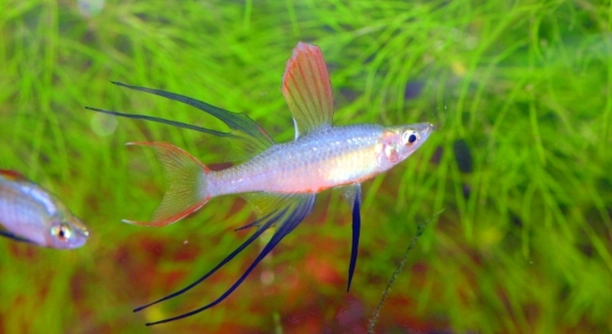
Do your Threadfin Rainbowfish seem alert whenever you enter the room? These small, colorful fish often show lively movements around feeding times. Their bright colors and energetic swimming make them a charming addition to any home aquarium.
Threadfin Rainbowfish can recognize feeding routines through visual and environmental cues. They respond consistently to signals such as light changes, movement near the tank, or the presence of feeding tools, demonstrating learned anticipation without conscious reasoning.
Observing their behavior closely can reveal fascinating patterns about their daily habits and interactions in the aquarium.
How Threadfin Rainbowfish Learn Feeding Times
Threadfin Rainbowfish are quick learners when it comes to their daily feeding schedule. Over time, they begin to notice subtle patterns in their environment, like the sound of water movement from your hand or the specific time of day when you approach the tank. These fish are highly observant and can distinguish between ordinary activity and moments that signal food. Their reactions often include swimming closer to the surface, gathering near feeding spots, or becoming more active. This learned anticipation is not instinctive but develops through repeated exposure to consistent cues. You may notice that even without food immediately present, your fish still display lively behavior at usual feeding times, indicating their recognition of the routine. Consistency in feeding times helps reinforce this behavior and keeps your fish engaged. Observing these patterns provides insight into how sensitive and responsive these small fish can be.
They respond quickly to predictable signals, showing awareness of their feeding schedule without confusion or delay.
By tracking their reactions over several weeks, you can see how Threadfin Rainbowfish adjust their movements and behavior based on routine. Consistent timing, combined with familiar cues like the presence of a feeder or changes in light, strengthens their recognition. They may swim energetically when the tank is quiet, gathering near the feeding area, or closely watch your hand as it approaches the water. These fish can differentiate between random movements and actual feeding signals, demonstrating a clear understanding of the pattern. Learning is gradual, but their memory and attention to environmental details allow them to anticipate food reliably. This behavior illustrates their ability to adapt to human care routines, making feeding times a predictable and enjoyable interaction. Consistent care and observation improve their well-being and help maintain an engaging environment in the aquarium.
Tips to Encourage Feeding Awareness
Regular feeding times are key to helping Threadfin Rainbowfish learn. Keeping a consistent schedule allows them to anticipate food efficiently.
Using visual and auditory signals consistently can reinforce recognition. Approaching the tank at the same time, tapping gently, or using specific feeding tools helps fish associate these cues with food. Over time, they become more responsive and active when these signals appear. This not only makes feeding smoother but also strengthens their engagement with the environment. Adjusting lighting and minimizing distractions during feeding can further improve their recognition and maintain calm behavior, promoting a stable routine that benefits both fish and caretaker.
Recognizing Feeding Cues
Threadfin Rainbowfish quickly notice repeated patterns in their environment. Movements, sounds, and lighting changes signal that feeding is about to happen. Their reactions show anticipation rather than instinct.
These fish can associate specific actions with food, such as the sound of a feeder or the shadow of your hand above the tank. Over time, they learn to respond to these cues consistently, gathering near the surface or swimming actively. This behavior shows their ability to remember and adapt, highlighting how observant they are in daily routines.
Consistent environmental signals strengthen their feeding awareness. Threadfin Rainbowfish begin to differentiate between normal activity and feeding-related cues. Their reactions become more predictable, and they display heightened activity when food is expected. Maintaining a steady routine ensures they remain engaged, healthy, and responsive to their surroundings, making feeding a smoother and more enjoyable experience for both the fish and caretaker.
Factors Affecting Feeding Recognition
Lighting and tank environment directly influence how well Threadfin Rainbowfish recognize feeding times. Dim or inconsistent lighting may reduce their response speed.
Fish respond best when signals are clear and consistent. Sudden changes in tank setup, water movement, or feeding tools can confuse them. Repetition and predictability help strengthen their recognition. Over several weeks, they adjust to cues and anticipate feeding with precision. Quiet surroundings allow them to focus on routine, improving overall activity levels. Observing their behavior under consistent conditions shows their learning ability and the importance of structured feeding practices.
Visual Signals
Threadfin Rainbowfish respond strongly to visual cues. Movement near the tank, shadows, or the appearance of feeding tools immediately draws their attention.
Bright colors and reflections also capture their focus. They often swim toward areas where light indicates activity, showing clear recognition of feeding moments.
Timing and Routine
Regular feeding schedules help Threadfin Rainbowfish anticipate meals. They adjust their activity patterns based on when food usually appears. Over time, this consistency allows them to show excitement even before food is present, demonstrating learned behavior. Observing these patterns helps understand how routines shape their daily habits.
Environmental Stability
A stable environment enhances feeding recognition. Sudden changes in tank setup, decorations, or water conditions can disrupt their learned patterns and reduce responsiveness.
FAQ
Do Threadfin Rainbowfish really know when feeding time is coming?
Yes, they respond to consistent cues such as your approach, hand movements, or the sound of feeding tools. Over time, these signals create a pattern they recognize. Their response is not instinctive but learned, showing that they can anticipate feeding reliably when cues remain consistent.
How quickly do they learn feeding routines?
Most Threadfin Rainbowfish begin responding within a week or two if feeding times and signals are consistent. Some may take slightly longer, depending on individual behavior and the overall tank environment. Consistency and minimal distractions help speed up learning.
Do they need visual cues to recognize feeding?
Visual cues play a major role. They notice movement, shadows, and changes in light around the tank. These cues help them associate certain actions with food, allowing them to respond even before it is introduced.
Can they rely on sound alone to anticipate feeding?
Yes, auditory cues can be effective. Repeated sounds, like tapping the tank or shaking a feeder, help fish recognize feeding moments. Combining sound with visual cues usually strengthens their learning and responsiveness.
Does the type of food affect their recognition?
Not directly. While fish may show more excitement for preferred foods, the recognition comes from the feeding routine rather than the specific type of food. Consistency in timing and cues matters more than food variety.
Will changes in the schedule confuse them?
Sudden changes in feeding times can disrupt their learned pattern. Threadfin Rainbowfish rely on consistency to anticipate food, so irregular schedules may reduce their activity and responsiveness. Gradual adjustments are better if a change is necessary.
How does tank environment affect their feeding recognition?
A stable environment is crucial. Sudden changes in lighting, decorations, or water conditions can confuse fish and reduce their response to cues. Keeping the tank predictable ensures they maintain their learned feeding behavior.
Do they show excitement even without food?
Yes, once they learn the routine, they often display activity at expected feeding times, even if food isn’t immediately present. This demonstrates anticipation and memory, reflecting their ability to associate cues with meals.
Can multiple fish in the tank influence each other’s recognition?
Absolutely. Threadfin Rainbowfish often respond to each other’s behavior. If one fish recognizes a feeding cue and moves toward the surface, others quickly follow, reinforcing group anticipation. Social learning can enhance the overall responsiveness of the tank.
What if they don’t respond to feeding cues?
If a fish does not respond, check for environmental changes, illness, or stress. Some fish may be slower learners or feel intimidated by others. Ensuring consistent cues, calm surroundings, and proper care usually improves their response over time.
Is it beneficial to use specific feeding signals?
Yes. Using consistent signals such as hand movements, tapping, or specific feeding tools helps them associate actions with meals. This makes feeding smoother, reduces stress, and strengthens their learned behavior, making them more engaged and active during feeding times.
Do they remember these cues long-term?
Threadfin Rainbowfish can retain recognition for weeks or months if feeding patterns remain consistent. Memory fades if cues stop for long periods, but they usually relearn quickly once the routine resumes. Their ability to anticipate feeding demonstrates both memory and adaptability.
How can I reinforce feeding recognition?
Keep feeding times consistent, use clear visual and auditory cues, minimize sudden tank changes, and observe responses closely. Repetition and routine are key. Over time, the fish will anticipate meals reliably, making feeding predictable and less stressful for both fish and caretaker.
Can stress affect their response to feeding cues?
Yes. Stress from overcrowding, poor water quality, or aggressive tank mates can reduce their responsiveness. Maintaining a healthy environment ensures that they remain alert and active, improving recognition and overall well-being.
Do they show excitement differently for morning versus evening feedings?
Threadfin Rainbowfish adjust to the schedule but may show subtle differences based on natural activity patterns. Morning feedings often trigger more immediate activity, while evening feedings may be slightly calmer, depending on individual fish behavior and tank conditions.
Are younger fish slower to recognize feeding routines?
Juveniles may take longer to respond, as they are still developing awareness and learning patterns. Consistency in cues and feeding times is especially important for younger fish to help them quickly adapt to the routine.
Can changing food types disrupt recognition?
Occasionally, a new food may cause temporary hesitation, but learned cues generally override food type. They will resume anticipation once they associate the new food with the established routine, showing flexibility in learning behavior.
How do I know if they are anticipating food correctly?
Signs include swimming near the surface, gathering around the feeding area, or becoming more active at usual feeding times. These behaviors indicate that they have learned the routine and can predict meals accurately.
Is it necessary to feed at the exact same time daily?
Exact timing isn’t mandatory, but consistency matters. Feeding within a regular window helps them recognize the routine. Minor variations are acceptable, but large inconsistencies may reduce their anticipation and activity.
Can they forget if the routine is interrupted?
Prolonged interruptions can weaken their learned recognition, but they usually relearn quickly once the routine resumes. Short breaks generally don’t cause permanent loss of anticipation. Their memory is strong enough to pick up cues again with consistent practice.
Do Threadfin Rainbowfish react differently in a community tank?
Yes. They may be influenced by other species’ behavior. Calm, consistent surroundings and predictable cues help them maintain recognition even in mixed tanks. Observing interactions ensures feeding routines remain effective.
Is using feeding signals beneficial for health?
Consistent feeding cues reduce stress and improve activity, which supports overall health. Predictable routines encourage natural behavior, maintain appetite, and enhance well-being, making care easier and the fish more responsive.
Do they respond better to certain feeding locations?
Yes. They often gather near familiar spots where food is regularly provided. Keeping feeding areas consistent helps reinforce learning and ensures they recognize the routine without confusion.
Can they anticipate multiple feedings per day?
Threadfin Rainbowfish can recognize several feeding sessions if routines are consistent. They adjust behavior to each schedule, showing clear anticipation and memory for multiple daily meals. Proper spacing prevents overfeeding and supports healthy activity levels.
Are feeding cues necessary if using automatic feeders?
Even with automatic feeders, visual or auditory cues help reinforce recognition. Fish may still respond to movement or shadows, maintaining engagement and ensuring they learn the association between signals and food.
Does group size affect recognition speed?
Smaller groups may learn slightly faster due to less competition, while larger groups benefit from social learning. Fish often observe and mimic the behavior of others, improving overall feeding anticipation across the tank.
How can I observe their learning progress?
Monitor behavior before, during, and after feeding times. Note activity levels, positioning in the tank, and responses to cues. Consistent observation allows you to see gradual learning and ensures that feeding routines remain effective and predictable.
Is patience important for teaching feeding cues?
Absolutely. Some fish take longer to respond, and maintaining consistency and calm is essential. Over time, repeated cues strengthen their learning, resulting in reliable recognition and smoother feeding sessions.
Do environmental distractions reduce recognition?
Yes. Excess noise, sudden movement, or frequent tank rearrangements can interfere with learning. Minimizing distractions ensures that fish focus on cues and retain anticipation for feeding consistently.
Can they recognize human presence as part of feeding?
Threadfin Rainbowfish often associate your approach with food. They may become alert when you are near the tank, showing recognition of both cues and the caretaker’s presence.
Is it normal for some fish to be less responsive?
Yes. Individual differences exist. Some fish may be shy, slower to learn, or less active. Maintaining consistent routines and minimizing stress encourages better participation in feeding recognition over time.
Does their age affect memory retention for feeding cues?
Younger fish are still learning, while adult fish generally retain recognition longer. Regular practice helps all ages maintain anticipation and ensures that they respond reliably to routine cues.
Are feeding cues useful for other fish behaviors?
Yes. Recognizing patterns in feeding can extend to general activity and interaction. Predictable routines encourage alertness, reduce stress, and promote healthy behavior throughout the day.
Can feeding cues reduce aggression in the tank?
Consistent cues help fish anticipate meals calmly. Reduced uncertainty decreases competition and aggression, especially during group feeding, resulting in a more peaceful environment.
Do they respond to changes in feeder type?
Minor changes may cause hesitation initially, but learned recognition is strong. They quickly adapt once they associate the new feeder with established cues.
Is observation key to improving feeding recognition?
Yes. Careful observation helps identify effective cues, timing, and potential distractions. Adjusting routines based on behavior ensures fish respond consistently and remain engaged during feeding.
Can Threadfin Rainbowfish anticipate irregular treats?
They may respond to random treats, but recognition is strongest with consistent patterns. Irregular feedings do not create strong anticipation unless combined with repeated cues.
Are visual, auditory, and timing cues all necessary?
Not all are required, but combining them strengthens learning. Visual cues, sounds, and consistent timing together improve recognition and reliability.
Does anticipation behavior indicate good health?
Generally, yes. Active response at feeding times reflects alertness, energy, and well-being. Lack of response may indicate stress, illness, or environmental issues that need attention.
How long does it take for them to relearn cues after a break?
Relearning is usually quick, often within a few days of consistent signals. Their memory allows them to pick up cues again efficiently with regular exposure.
Can different tank mates affect recognition?
Yes. Aggressive or overly active tank mates can interfere, while calm companions may enhance social learning. Observing interactions ensures feeding cues remain effective.
Do they respond to shadows or reflections?
Yes. Movement and reflections often trigger recognition. They associate these changes with food, demonstrating their sensitivity to environmental cues.
Is it better to feed in the same spot each time?
Yes. Consistent feeding locations reinforce recognition. Fish gather predictably, improving engagement and reducing stress during feeding sessions.
Can recognition be measured?
Behavioral observation is the best measure. Activity levels, positioning, and response to cues indicate how well they anticipate feeding. Consistency shows effective learning.
Do younger and older fish learn differently?
Younger fish may take longer, while adults usually adapt quickly. Consistent routines benefit all ages and maintain predictable behavior.
Is it important to minimize interruptions during feeding?
Yes. Calm, predictable sessions ensure recognition remains strong and fish remain focused, reducing stress and improving anticipation.
Can feeding cues improve overall tank activity?
Yes. Anticipation encourages movement, exploration, and interaction, promoting healthier and more alert behavior throughout the day.
Do they respond differently to morning versus evening cues?
Slight variations exist. Morning activity may be higher, but consistent cues ensure reliable recognition at any time of day.
Can recognition reduce food waste?
Yes. Fish that anticipate feeding tend to eat promptly, reducing leftover food and keeping water quality stable.
Does using the same feeder help?
Yes. Familiar feeders reinforce learned cues, making anticipation more reliable and feeding smoother overall.
Are repeated cues necessary for long-term learning?
Consistent repetition strengthens memory. Skipping cues may reduce responsiveness, while repeated exposure ensures lasting recognition and predictable behavior.
Do they show excitement differently depending on food type?
Preferred foods may elicit stronger initial reactions, but routine recognition remains the main factor driving anticipation.
Is social learning important in groups?
Yes. Fish observe each other and mimic behavior, improving overall recognition and responsiveness in the tank.
Can environmental stress erase learned feeding patterns?
Stress can reduce activity and responsiveness temporarily. Maintaining a calm, stable environment supports continued recognition and learning.
How do I encourage hesitant fish to respond?
Use consistent cues, calm surroundings, and positive reinforcement through repeated exposure. Patience and observation help slower learners catch up.
Does anticipation vary with tank size?
Larger tanks may require clearer signals to reach all fish, but recognition develops similarly if cues are consistent and noticeable.
Can learned feeding patterns influence other behaviors?
Yes. Predictable routines encourage alertness, reduce stress, and promote regular activity, impacting overall tank dynamics positively.
Are feeding cues beneficial for multiple daily meals?
Consistent cues for each session help fish anticipate accurately without overfeeding, supporting healthy routines and activity levels.
Do they react to caretakers differently than to automatic feeders?
They respond more actively to human presence due to combined visual and auditory cues, though automatic feeders can reinforce routine effectively.
Is it normal for some fish to be less engaged?
Yes. Individual temperament varies. Consistent cues and calm conditions help all fish participate over time.
How do I maintain recognition over months?
Keep consistent schedules, cues, and feeding locations. Regular observation ensures continued anticipation and engagement, supporting overall well-being.
Does consistent feeding reduce stress in new fish?
Yes. Predictable routines help new arrivals adapt quickly, providing stability and encouraging natural behavior in unfamiliar environments.
Can fish relearn after moving to a new tank?
They usually adapt within days if cues, schedules, and feeding locations remain consistent, showing strong learning capacity.
Do environmental enrichments interfere with recognition?
Not if cues remain clear. Decorations and plants may add interest, but predictable signals ensure recognition remains strong.
Are learned feeding behaviors linked to better growth?
Yes. Predictable routines encourage regular eating, supporting consistent nutrition, energy levels, and overall health.
Can recognition cues help with selective eating?
Yes. Using consistent signals encourages fish to approach food reliably, reducing picky or missed meals.
Do fish remember multiple types of cues simultaneously?
Threadfin Rainbowfish can respond to visual, auditory, and timing cues together, strengthening recognition and anticipation effectively.
Is it better to train in small groups?
Smaller groups allow easier observation and clearer cue reinforcement. Larger groups benefit from social learning but may require more patience.
Do feeding cues support overall tank harmony?
Yes. Predictable routines reduce stress, aggression, and competition, promoting a calmer and healthier environment for all fish.
Can learned feeding patterns help identify health issues?
Decreased response or irregular anticipation may indicate illness, stress, or environmental problems, making recognition a useful behavioral indicator.
Does anticipation increase over time?
Yes. With consistent cues and routines, Threadfin Rainbowfish become more alert and responsive, showing clear, repeated patterns of anticipation.
Can recognition training be enjoyable?
Yes. Observing responses and engaging in consistent feeding routines creates a smoother, more predictable experience for both caretaker and fish.
Do fish react differently to new caretakers?
They may take time to recognize a new person, but consistent cues help them adapt quickly, restoring anticipation behavior.
How long should feeding sessions last for recognition?
Short, consistent sessions are best. Overly long feedings may reduce attention, while brief, predictable routines reinforce anticipation and engagement.
Can feeding cues affect nighttime behavior?
Indirectly. Predictable routines create a structured day-night cycle, supporting regular activity and rest patterns in the tank.
Do fish anticipate human gestures?
Yes. They can associate hand movements, tapping, or shadows with feeding, showing recognition of human signals as part of the routine.
Is repetition more important than type of cue?
Consistency and repetition outweigh cue type. Regular exposure to the same signals ensures lasting recognition and predictable behavior.
Can learned anticipation reduce stress during water changes?
Yes. Predictable routines overall create a calmer environment. Fish that recognize cues are more alert and less stressed during minor disruptions.
Does anticipation vary by individual temperament?
Yes. Some fish are naturally more alert or bold, while others are cautious. Consistent cues help all fish respond over time.
Are feeding cues more effective at specific times of day?
Consistency matters more than timing. Morning or evening sessions work if signals are reliable, though some fish may be slightly more active in the morning.
Can learned behavior influence social interactions?
Yes. Predictable feeding routines reduce aggression, encourage group cohesion, and promote healthier social behavior among tank mates.
Do fish anticipate changes in water conditions for feeding?
No. They rely on visual, auditory, and timing cues, not water chemistry, for anticipating meals.
Is patience essential when establishing cues?
Absolutely. Gradual, consistent reinforcement is key to building recognition and anticipation without causing stress or confusion.
Can feeding cues be combined with other training?
Yes. Positive reinforcement using visual and auditory signals can support additional behaviors, improving overall responsiveness and engagement in the tank.
Do they retain anticipation through seasonal changes?
Yes, if feeding routines remain consistent. Environmental changes like light or temperature shifts have minimal impact if cues are clear and repeated.
Are cues effective in community tanks?
Yes. Clear, predictable signals help Threadfin Rainbowfish respond even with other species present, though social dynamics may slightly influence timing.
Can recognition help prevent overfeeding?
Yes. Fish that anticipate feeding reliably often eat promptly and efficiently, reducing leftover food and maintaining cleaner tank conditions.
Do fish respond differently to fast versus slow feeding?
They adapt to both, but predictable pacing combined with consistent cues helps maintain attention and proper intake without stress.
Can feeding recognition indicate intelligence?
Yes. Their ability to learn, remember, and anticipate shows cognitive awareness and adaptability within their environment.
Are younger fish more responsive to visual cues?
Often, yes. Juveniles rely on clear visual signals to learn routines, while adults may integrate multiple cues more efficiently.
Does anticipation behavior vary with diet type?
Minor differences exist, but recognition relies more on cues and routine than on the specific food offered.
Can learned feeding patterns influence activity outside feeding times?
Yes. Predictable routines promote alertness, movement, and exploration throughout the day, supporting overall health and natural behavior.
Are cues useful for acclimating new fish?
Yes. Clear, repeated signals help new fish adjust to schedules and environment, reducing stress and supporting learning.
Do environmental distractions reduce memory retention?
Excessive noise or tank changes can interfere, but consistent cues help maintain anticipation despite minor disruptions.
Is observation the best way to adjust cues?
Yes. Monitoring behavior allows fine-tuning of signals, timing, and location, ensuring recognition remains strong and predictable.
Can learned anticipation support multiple species in a tank?
Yes. Threadfin Rainbowfish respond well to cues even with other species, helping establish predictable feeding routines for mixed tanks.
Do fish ever forget feeding cues completely?
Rarely. Short interruptions may reduce responsiveness temporarily, but consistent exposure quickly restores recognition and anticipation behavior.
Can anticipation indicate overall well-being?
Yes. Active, alert response at feeding times reflects health, energy, and engagement with the
Threadfin Rainbowfish are fascinating little fish that quickly learn to recognize feeding routines. Their responses are shaped by consistent visual, auditory, and timing cues, which help them anticipate meals. Observing their behavior reveals a lot about how sensitive and adaptable they are. They often swim to the surface or gather near familiar feeding spots, showing clear recognition of routine rather than acting purely on instinct. Over time, these learned behaviors become predictable, and the fish begin to adjust their activity according to expected feeding times. Maintaining a consistent schedule is key, as irregular feeding can reduce responsiveness and cause unnecessary stress. By keeping the environment stable and predictable, with clear signals such as hand movements, shadows, or specific feeding tools, these fish can reliably anticipate food. Their memory and attentiveness are remarkable for such small creatures, and noticing these patterns can be both enjoyable and informative for anyone caring for them.
Regular routines and clear cues not only improve recognition but also benefit the overall well-being of Threadfin Rainbowfish. They thrive in stable conditions where their environment and feeding patterns are consistent. Sudden changes in lighting, tank decorations, or water conditions can disrupt their learned behavior, so it’s important to minimize unnecessary alterations. Social dynamics also play a role, especially in community tanks. Fish often observe each other and mimic reactions, which can enhance group anticipation and make feeding more organized. Younger fish may take longer to learn routines, but with repetition and patience, they gradually become as responsive as adults. Feeding cues can even reduce stress and aggression by creating a predictable environment, allowing the fish to focus on food instead of competing or reacting to unexpected disturbances. Over weeks and months, these behaviors become ingrained, and fish can retain recognition of cues for extended periods, demonstrating both memory and adaptability.
Understanding and supporting their learning process enhances the experience of caring for Threadfin Rainbowfish. Observing their reactions provides insight into their daily patterns and allows caretakers to adjust feeding strategies for maximum benefit. Using consistent timing, familiar feeding locations, and clear visual or auditory signals helps the fish respond reliably, which contributes to better nutrition, activity levels, and overall health. Patience and attention are important, as individual fish may vary in responsiveness, and environmental factors can influence their behavior. By maintaining predictable routines and monitoring their reactions, caretakers can ensure a calm, engaging, and healthy environment. Recognizing their ability to anticipate meals highlights not only their intelligence but also the importance of consistent care. In the end, predictable feeding routines, stable surroundings, and careful observation create a smoother and more enjoyable experience for both Threadfin Rainbowfish and their caretakers, supporting the long-term well-being and happiness of these vibrant fish.

Hello,
If you enjoy the content that we create, please consider saying a "Thank You!" by leaving a tip.
Every little bit helps us continue crafting quality advice that supports the health, happiness, and well-being of pets around the world, for pets of all shapes, sizes, and species.
We really appreciate the kindness and support that you show us!