
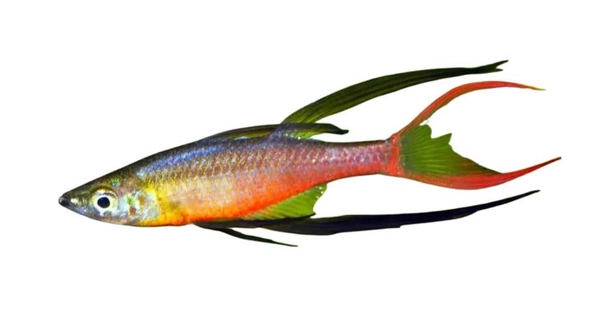
Many fish owners enjoy keeping threadfin in their home aquariums or ponds. Observing their feeding habits can be both enjoyable and informative. Healthy threadfin display energy, curiosity, and regular appetite patterns throughout the day.
Poor threadfin health is often indicated by irregular feeding behavior. Signs include reduced appetite, slow response to food, spitting out pellets, or inconsistent consumption patterns. Recognizing these signs early allows timely intervention and supports proper aquatic health management.
Monitoring feeding patterns consistently is crucial for maintaining threadfin well-being. Small changes in behavior can provide important clues to overall health status and prevent serious problems.
Reduced Appetite
Sometimes I notice my threadfin pushing food around without eating much. A lack of interest in meals is often the first visible sign that something isn’t right. This can happen slowly, where the fish nibble only a little, or suddenly, where they ignore food completely. Reduced appetite can result from water quality issues, stress, or illness. If it continues for more than a day or two, it is a signal to check their environment and feeding routine. A healthy threadfin usually approaches food quickly and eats eagerly.
A diminished appetite in threadfin often signals underlying health problems requiring prompt attention to avoid further complications.
Watching feeding closely helps identify issues early. Noticing which foods are ignored or if eating slows can guide corrective steps. Sometimes it’s as simple as adjusting temperature or checking for tank contamination. Other times, it may need a veterinarian’s evaluation to prevent worsening conditions. Maintaining a consistent feeding schedule supports both appetite and overall health, helping fish recover more quickly.
Spitting Out Food
Threadfin sometimes bite and then release food repeatedly. This behavior can indicate difficulty swallowing or digestive discomfort.
Repeated spitting out food often points to internal stress or irritation. Observing this consistently is critical for timely care.
Spitting out food can be caused by poor water conditions, parasites, or unsuitable food size. If food is too large or dry, the fish may struggle to eat it properly. Internal infections or organ problems can also make swallowing painful or uncomfortable. Identifying the exact reason requires careful observation. Check tank cleanliness, temperature, and pH, as environmental stressors can worsen feeding problems. Offering smaller, softer food pieces may encourage eating while reducing stress on the digestive system. Monitoring the fish’s overall behavior, such as swimming patterns and energy levels, provides additional clues. Early intervention improves recovery chances.
Slow Feeding Response
I notice my threadfin sometimes takes longer to approach food. This slow reaction can signal weakness or low energy levels.
A delayed feeding response often indicates fatigue, illness, or stress. Fish that are normally active may hover near the bottom or swim sluggishly when food is offered. Environmental factors like poor water quality, low oxygen levels, or sudden temperature changes can affect energy levels. Internal issues, including infections or organ stress, can also reduce responsiveness. Consistent observation helps distinguish between temporary changes and persistent health concerns. Adjusting tank conditions and monitoring feeding closely can improve response over time.
Slow feeding can also result from competition or anxiety in crowded tanks. Some threadfin may hesitate to eat if others dominate the feeding area. Separating the fish temporarily or providing multiple feeding points can encourage consistent eating habits. Tracking their daily behavior alongside water parameters provides a clearer picture of health. Timely action at the first signs of slow response often prevents more serious issues from developing, supporting long-term well-being.
Uneaten Food Accumulation
Uneaten food often gathers at the tank bottom. This buildup can be an early sign that threadfin are struggling to eat properly.
When food consistently remains uneaten, it indicates feeding issues. This can happen due to poor appetite, difficulty swallowing, or illness. Excess food can also affect water quality, increasing ammonia and nitrite levels, which further harms the fish. Observing which types of food are rejected provides clues about dietary preferences or digestive problems. Adjusting portion sizes and removing leftover food promptly helps maintain a clean environment and reduces health risks.
Uneaten food is often linked to internal or external stressors. Threadfin with digestive issues may chew but fail to consume food effectively. In some cases, parasites or infections can cause discomfort, making them avoid eating. Environmental factors like overcrowding, strong currents, or sudden lighting changes can also deter proper feeding. Maintaining consistent feeding schedules and offering small, manageable portions encourages better consumption. Monitoring both behavior and water parameters together helps ensure threadfin remain healthy, preventing longer-term complications from poor feeding habits.
Gulping Air While Eating
I sometimes see my threadfin gulping air while feeding. This behavior can indicate stress or oxygen deficiency in the tank.
Gulping air repeatedly during meals may also suggest digestive discomfort. Fish may struggle to swallow or process food properly, signaling a need to check water quality and feeding practices.
Uneven Eating Among Tank Mates
Some threadfin eat faster while others barely touch food. This uneven eating can point to competition, stress, or weaker health in certain fish.
Uneven eating patterns can also result from illness or low energy. Fish that consistently eat less may develop deficiencies over time, affecting growth and immune response. Observing and addressing these differences early helps maintain overall tank health.
Loss of Interest in Favorite Food
My threadfin occasionally ignore foods they normally enjoy. A sudden disinterest often signals underlying health problems.
Ignoring preferred foods can indicate internal issues, stress, or environmental changes. Monitoring this behavior allows early detection and intervention, improving the chances of recovery.
FAQ
How can I tell if my threadfin is sick just by watching its feeding habits?
Watching feeding closely gives a lot of clues. Reduced appetite, spitting out food, slow response, and ignoring favorite foods are common signs of stress or illness. Uneaten food accumulation and uneven eating among tank mates can also indicate health problems. Observing the fish daily helps catch these signs early, which is important for preventing serious complications. Environmental factors like water quality, temperature, and overcrowding can worsen feeding problems. Keeping a routine feeding schedule and noting any changes in behavior provides a clear picture of your fish’s health over time.
Why does my threadfin sometimes spit out food?
Spitting out food is often caused by digestive discomfort, parasites, or internal infections. Food that is too large or dry can also make swallowing difficult. Environmental stressors, like poor water conditions or strong tank currents, may worsen the behavior. Offering smaller, softer food pieces can encourage eating while reducing strain on the digestive system. Monitoring other behaviors, like swimming patterns or energy levels, alongside feeding, helps identify whether the problem is temporary or a persistent health concern. Acting quickly when this behavior appears can prevent further complications.
Is reduced appetite always a sign of illness?
Not always. Reduced appetite can result from temporary stress, sudden water changes, or environmental disturbances. However, if low appetite persists for more than a day or two, it often signals an underlying health issue. Poor water quality, internal infections, parasites, or nutritional deficiencies are common causes. Consistent observation helps differentiate between normal variation and a concerning pattern. Adjusting feeding practices, portion sizes, and tank conditions can sometimes restore appetite, but persistent reduction may require veterinary evaluation.
What does slow feeding response indicate?
A slow response to food can indicate low energy, stress, or illness. Healthy threadfin usually approach food quickly and eat eagerly. Fatigue from overcrowding, low oxygen levels, or sudden temperature changes can slow feeding. Internal health issues, like infections or organ stress, can also make fish hesitant to eat. Observing other behaviors, such as swimming or resting patterns, provides additional clues. Sometimes offering smaller or softer food portions encourages more prompt eating. Acting early when slow feeding is noticed helps prevent worsening conditions and supports recovery.
Why does uneaten food keep building up in the tank?
Uneaten food often signals feeding problems. Fish may ignore food due to poor appetite, digestive discomfort, or illness. Excess food can also reduce water quality, raising ammonia or nitrite levels, which further harms the fish. Adjusting portion sizes and removing leftovers promptly reduces risks. Tracking which types of food are rejected helps identify dietary issues or health problems. Environmental stressors like overcrowding or strong tank currents can also discourage proper feeding. Keeping a clean tank and monitoring daily feeding habits ensures a healthier environment and improves threadfin well-being.
How can I prevent uneven eating among my threadfin?
Uneven eating can result from competition, stress, or weaker health in certain fish. Providing multiple feeding points or temporarily separating weaker fish encourages consistent consumption. Monitoring daily behavior helps identify individuals that consistently eat less, allowing adjustments in feeding practices. Environmental factors, such as overcrowding or strong currents, may need correction. Offering smaller, manageable portions can help all fish access food equally. Maintaining a routine feeding schedule and observing interactions during feeding improves overall tank health and prevents long-term nutritional deficiencies in weaker fish.
What should I do if my threadfin loses interest in its favorite food?
Loss of interest in preferred foods often signals internal issues, stress, or changes in the environment. Check water parameters, tank cleanliness, and feeding routines first. Offering softer or smaller pieces of food can encourage eating. If the behavior persists, consider separating the fish or consulting a veterinarian. Monitoring other signs like sluggish swimming, spitting food, or uneven eating helps identify whether the disinterest is temporary or a symptom of a bigger problem. Prompt attention ensures the fish maintains proper nutrition and prevents long-term health decline.
Can environmental changes affect feeding behavior?
Yes, sudden changes in temperature, pH, or water quality can stress threadfin and reduce appetite. Overcrowding, strong currents, or improper lighting may also interfere with feeding. Consistent observation and gradual adjustments in tank conditions help maintain healthy feeding patterns. Small, frequent feedings and monitoring leftover food ensure proper nutrition while reducing stress.
How often should I monitor my threadfin’s feeding habits?
Daily observation is ideal. Noting appetite, speed of eating, food rejection, and interactions with tank mates helps detect early signs of health issues. Regular monitoring allows timely intervention, improving recovery chances and maintaining overall well-being. Maintaining logs or simple notes can track subtle changes that may otherwise go unnoticed.
What immediate steps can I take if I notice poor feeding signs?
Check water quality, temperature, and oxygen levels first. Remove uneaten food promptly, offer smaller or softer portions, and observe other behaviors. If signs persist, separate affected fish and consult a veterinarian. Early action can prevent serious health complications and support recovery. Consistent care and observation are key to keeping threadfin healthy.
Word count: 507
Observing the feeding habits of threadfin is one of the simplest and most effective ways to monitor their health. Fish cannot verbally tell us when something is wrong, so their behavior becomes our main indicator. Small changes, like slower eating, spitting out food, or avoiding meals, are often the earliest signs of health issues. Paying attention to these patterns allows you to act quickly and prevent problems from escalating. Even subtle behaviors, such as gulping air or ignoring favorite foods, can indicate stress or internal problems that need addressing. A consistent routine of feeding and observation provides a clearer picture of each fish’s well-being, helping ensure they remain active and healthy.
Maintaining a stable and suitable environment is equally important for feeding success. Water quality, temperature, oxygen levels, and tank cleanliness directly influence appetite and energy. Poor water conditions can make fish more susceptible to illness, reduce appetite, and increase uneven feeding among tank mates. Providing the right type and size of food is another key factor. Threadfin may reject large or hard pellets, while smaller, softer portions encourage proper consumption. Monitoring leftover food and adjusting portion sizes prevents overfeeding, which can deteriorate water quality and harm the fish. By combining careful observation with good environmental practices, you create conditions that support healthy feeding behaviors and overall longevity.
Early intervention is crucial for addressing feeding-related issues. Noticing reduced appetite, slow response, or other unusual behaviors should prompt immediate checks of water parameters and feeding routines. Temporary stressors like sudden temperature changes or overcrowding can often be corrected quickly, while persistent signs may require professional evaluation. Taking these steps ensures that health problems are caught before they become severe. Consistent care, observation, and minor adjustments in diet or environment can make a significant difference in maintaining the vitality of threadfin. By focusing on these practices, you can promote strong, active fish that eat well, grow steadily, and thrive in a healthy tank environment.
Word count: 407

Hello,
If you enjoy the content that we create, please consider saying a "Thank You!" by leaving a tip.
Every little bit helps us continue crafting quality advice that supports the health, happiness, and well-being of pets around the world, for pets of all shapes, sizes, and species.
We really appreciate the kindness and support that you show us!