
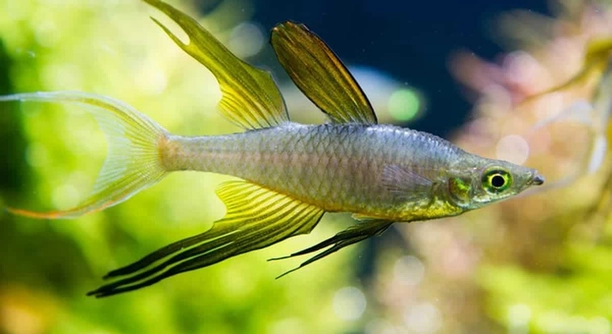
Keeping threadfin tanks full can seem lively and cheerful, but overcrowding often brings hidden challenges. Fish need space to swim freely and establish territories, otherwise stress and behavioral problems can quietly start to appear in your aquarium.
Overcrowded threadfin tanks commonly lead to poor water quality, increased aggression, stunted growth, disease outbreaks, reduced oxygen levels, competition for food, and general stress. Each of these problems can negatively impact fish health and require careful management to prevent long-term damage.
Understanding the signs and causes of overcrowding is essential for maintaining a healthy, balanced tank environment and ensuring your fish thrive in their aquatic home.
Poor Water Quality
Overcrowding in a threadfin tank can quickly deteriorate water quality. Too many fish produce excessive waste, which increases ammonia and nitrite levels. Even with regular filtration, the system can struggle to keep up. High waste levels lead to cloudy water, unpleasant odors, and a stressful environment. Fish exposed to poor water quality often develop weakened immune systems, making them more vulnerable to disease. Regular water testing is essential to monitor these changes. Adjusting feeding routines and performing more frequent water changes can help maintain balance. Overcrowding also affects pH stability. Sudden shifts in pH can shock your fish, causing unusual behavior or even mortality. Plant life and decorations may also suffer, as algae growth can spike in nutrient-rich conditions. Proper maintenance routines become more demanding when fish density is high, requiring careful planning to ensure every fish remains healthy and safe. Monitoring tank conditions daily helps prevent small issues from becoming serious problems.
High waste levels directly reduce oxygen and stress fish, increasing disease risks.
Keeping your tank clean involves balancing fish numbers, filtration, and feeding schedules. Regular water changes, substrate cleaning, and monitoring chemical levels are crucial. Overcrowding accelerates waste buildup, so planning tank population and filtration capacity can prevent water quality problems before they start. Proper care ensures healthier, more active fish and a more stable aquatic environment.
Increased Aggression
Overcrowding often triggers aggression among threadfin fish. Limited space leads to territorial disputes and constant chasing, which can result in injuries. Fish may nip fins, damage scales, or stress one another continually. Observing these interactions helps identify which fish are most affected. Adjusting tank layout with hiding spots or barriers can reduce tension, though sometimes removing excess fish is necessary. Stress from aggression can suppress immune responses, increasing vulnerability to infections. Aggressive behavior also impacts feeding, as some fish dominate while others are left hungry. Recognizing early signs of aggression, such as chasing, sudden color changes, or hiding, is key. Overcrowded tanks amplify competition for space and food, making it difficult for peaceful species to thrive. Strategic planning, careful observation, and maintaining proper fish numbers are essential to creating a calmer and healthier tank environment.
Aggression in crowded tanks can escalate quickly, causing injuries and stress.
Careful tank management, including strategic hiding places, balanced feeding, and population control, can prevent fights. Removing overly aggressive fish, rearranging decorations, and providing enough space ensures a safer environment. Observing fish behavior daily allows timely intervention, reducing stress-related illnesses and helping all fish coexist peacefully.
Stunted Growth
Overcrowded tanks limit resources, causing threadfin fish to grow more slowly. Competition for food and space restricts development, and constant stress affects metabolism, preventing fish from reaching their full size.
Limited access to food and space directly impacts growth rates. Smaller, weaker fish often struggle to compete, leaving them undernourished. Stress hormones can slow digestion and energy use, further inhibiting growth. Fish may appear smaller than their age suggests, and long-term overcrowding can permanently stunt development. Observing size differences and adjusting tank population or feeding routines can help restore healthier growth patterns.
Even with proper nutrition, stunted growth persists if tank density is too high. Providing extra space, supplementing food for weaker fish, and monitoring their behavior helps maintain steady development. Growth improves when stress is reduced and fish have sufficient territory, leading to healthier, more vibrant individuals that thrive over time.
Disease Outbreaks
High fish density increases the risk of disease transmission. Parasites, bacteria, and fungal infections spread faster in crowded conditions, and weakened immune systems make fish more vulnerable.
Overcrowding stresses threadfin fish, lowering their resistance to pathogens. Minor wounds from chasing or fin-nipping become entry points for infections. Water quality issues, common in dense tanks, further exacerbate susceptibility. Quarantining new fish, maintaining strict hygiene, and monitoring for early symptoms are essential preventive measures. Early intervention with proper treatment can prevent widespread outbreaks, but persistent overcrowding often undermines recovery, creating cycles of recurring illness.
Diseases in crowded tanks can escalate rapidly, affecting all fish. Regular observation, balanced feeding, water management, and isolation of sick individuals are crucial. Maintaining moderate fish numbers and proper filtration reduces the risk of outbreaks and supports overall tank health.
Reduced Oxygen Levels
Overcrowded tanks lower oxygen availability. Too many fish consume oxygen faster than it can be replenished, leaving weaker individuals gasping or lethargic. Proper aeration becomes critical to avoid suffocation.
Insufficient oxygen stresses fish, slows metabolism, and reduces overall activity. Stronger fish may survive, but smaller or weaker fish often suffer. Monitoring oxygen levels and improving water circulation can help maintain a healthy environment.
Competition for Food
In dense tanks, not all threadfin fish get enough food. Dominant fish often eat more, leaving weaker ones undernourished. Unequal feeding can stunt growth and increase stress, requiring careful observation and supplemental feeding strategies to ensure all fish receive proper nutrition.
Chronic Stress
Constant crowding keeps fish on high alert. Chronic stress weakens immune systems, reduces appetite, and affects behavior. Fish may hide or act aggressively, which increases vulnerability to disease and slows growth.
Behavioral Changes
Overcrowding triggers unusual behaviors. Fish may chase more, hide constantly, or stop schooling properly. Watching behavior closely helps identify stress early and guide corrective action.
FAQ
How can I tell if my threadfin tank is overcrowded?
Signs of overcrowding include fish appearing stressed, chasing each other excessively, or hiding frequently. Water may become cloudy or develop a strong odor, and growth can slow. Observing behavior and monitoring tank conditions daily is the simplest way to detect crowding.
What is the best way to reduce overcrowding?
Reducing fish numbers is the most effective solution. You can rehome excess fish or divide them into another tank. Improving filtration, aeration, and providing hiding spaces can help temporarily, but lowering density ensures long-term health and stability.
How often should I test water in a crowded tank?
Water testing should be done at least twice a week in high-density tanks. Focus on ammonia, nitrite, nitrate, and pH levels. Frequent testing helps catch problems early before fish become sick or stressed.
Can I prevent stunted growth in a crowded tank?
Partial prevention is possible by feeding smaller, frequent meals and ensuring weaker fish receive enough food. Increasing space or moving some fish to another tank is more effective. Stress reduction and proper nutrition together improve growth chances.
What are the most common diseases in overcrowded threadfin tanks?
Fin rot, ich, fungal infections, and bacterial infections are frequent. Overcrowding increases transmission risk, and minor injuries from chasing provide entry points. Early detection and treatment are essential, along with maintaining clean water.
How do I improve oxygen levels in a crowded tank?
Adding air stones, increasing surface agitation, and using higher-capacity filters helps. Plants can provide some oxygen, but mechanical aeration is often necessary in dense setups. Monitoring fish behavior, like gasping at the surface, indicates oxygen shortages.
Are hiding spots important in dense tanks?
Yes, hiding spots reduce aggression and stress. Plants, rocks, or decorations give fish places to retreat, helping maintain a calmer environment. Hiding spaces are especially important for weaker or more timid individuals.
Does overcrowding affect breeding?
Overcrowding can inhibit breeding. Stress lowers fertility, and territorial disputes make spawning difficult. Providing sufficient space and reducing stress are necessary for successful reproduction.
Can frequent water changes help with overcrowding problems?
Yes, they help maintain water quality by lowering waste levels and replenishing oxygen. However, water changes alone cannot fully counteract overcrowding; reducing fish density is still essential for long-term tank health.
How can I tell if a fish is stressed from crowding?
Stress signs include erratic swimming, hiding, fin clamping, loss of appetite, and color fading. Consistently monitoring behavior helps catch stress early, allowing intervention before illness develops.
Is it safe to keep plants in an overcrowded tank?
Plants can help absorb some waste and provide hiding spots. However, too many fish may uproot them, damage leaves, or overconsume nutrients. Hardy, fast-growing plants work best in dense environments.
What should I do if disease spreads in a crowded tank?
Isolate sick fish immediately if possible. Treat affected individuals with appropriate medication and improve water quality. Reducing fish numbers or creating a quarantine tank helps control outbreaks.
Can overcrowding affect fish lifespan?
Yes, long-term overcrowding reduces lifespan due to chronic stress, increased disease, and poor growth. Proper density, nutrition, and care are key to ensuring fish live full, healthy lives.
How do I plan the ideal number of threadfin fish for my tank?
Research the adult size of threadfin fish and tank volume. A general rule is one fish per 2–3 gallons, adjusted for filtration and swimming space. Prioritize space for movement and territory to prevent stress and aggression.
What daily care routines help prevent overcrowding issues?
Feed evenly, monitor behavior, and check water quality. Clean filters and perform partial water changes as needed. Observing fish closely ensures early detection of stress, aggression, or disease, keeping the tank healthier overall.
This FAQ provides practical guidance for managing overcrowded threadfin tanks, addressing behavior, water quality, health, and long-term care to support a balanced and thriving aquatic environment.
Overcrowding in threadfin tanks is a common issue that many fish keepers face, especially when the tank seems lively and full. While it may seem exciting to have many fish swimming together, too many fish in one tank can quickly lead to problems that affect their health and behavior. Fish need space to swim, hide, and establish territories, and without it, stress levels rise. Stress affects the immune system, making fish more vulnerable to disease and slower to recover from minor injuries. Overcrowding can also create competition for food, which leads to weaker fish being undernourished while more aggressive ones dominate. Water quality suffers as well, since filters can only handle a certain amount of waste. High ammonia and nitrite levels can appear quickly, creating an unhealthy environment. Chronic stress, poor growth, and even shortened lifespans are all linked to keeping too many fish in a confined space. Understanding these risks is the first step toward creating a healthier and more balanced tank.
Maintaining the right number of threadfin fish in a tank is essential to prevent these issues. Planning for the adult size of each fish, monitoring their behavior, and making sure each one has enough space are key factors in keeping a stable environment. Proper filtration and aeration can help, but they cannot fully compensate for overcrowding. Regular water changes and careful observation of fish behavior are crucial to detecting problems early. Providing hiding spots, plants, and decorations can reduce aggression and stress, giving weaker or timid fish a place to retreat. Feeding routines also play an important role; spreading meals throughout the day and ensuring all fish receive adequate nutrition helps prevent stunted growth and imbalance among the tank inhabitants. Sometimes, the most effective solution is to reduce the number of fish, either by rehoming or transferring some to another tank. While it can feel difficult to part with fish, it ensures the long-term health and well-being of the remaining population.
Ultimately, keeping a threadfin tank healthy requires attention, planning, and consistent care. Overcrowding might seem harmless at first, but its effects build over time, impacting water quality, fish health, and overall tank harmony. Observing the tank daily, noting behavioral changes, and responding promptly to any signs of stress or disease are practical steps to prevent serious problems. Even small adjustments, like rearranging decorations, adding extra feeding spots, or temporarily separating aggressive fish, can make a noticeable difference. By prioritizing proper density and creating a supportive environment, fish are more likely to thrive, grow well, and display natural behaviors. Careful management not only improves fish health but also makes the tank more enjoyable to watch, as the fish are active, vibrant, and calm. Overcrowding is not just a matter of space—it directly affects every aspect of fish life. Taking the time to address it shows a commitment to maintaining a balanced and healthy aquatic habitat, ensuring that the threadfin fish in your care can live longer, happier lives.

Hello,
If you enjoy the content that we create, please consider saying a "Thank You!" by leaving a tip.
Every little bit helps us continue crafting quality advice that supports the health, happiness, and well-being of pets around the world, for pets of all shapes, sizes, and species.
We really appreciate the kindness and support that you show us!