
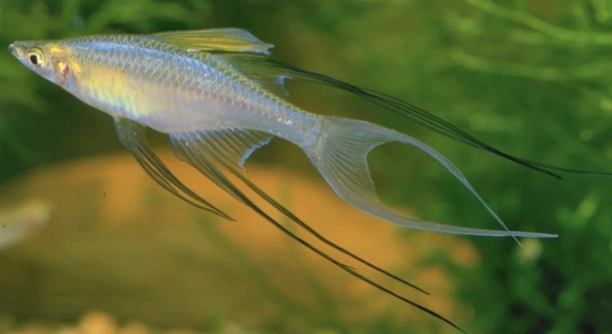
Threadfins are known for moving together in tight schools across the water. Yet sometimes, they suddenly break away, scattering in different directions. This behavior can seem puzzling even to those who enjoy watching them swim peacefully.
Threadfins may separate from their school primarily due to environmental cues or perceived threats. Sudden changes in water temperature, the presence of predators, or shifts in food availability can trigger dispersal, prompting individuals to temporarily leave the group for survival purposes.
Observing these splits can reveal much about their instincts and the subtle ways they respond to their surroundings. It shows how adaptable and alert these fish really are.
How Predators Influence Threadfin Behavior
Threadfins are very alert to threats in their environment. When a predator approaches, even subtly, the school may suddenly scatter. This reaction is a survival instinct, giving individuals a better chance to avoid being caught. Sometimes, the disruption is minor, like a shadow passing overhead, and the fish quickly regroup. Other times, a larger predator or repeated disturbances can keep the school separated longer. In such situations, threadfins rely on quick movements and sudden turns to confuse their attacker. Their silvery bodies reflect light in the water, making it harder for predators to focus on one target. Observing these escapes closely, I noticed that the fish at the edges often act first, signaling the rest to follow. The speed and coordination of these movements are fascinating, showing that even small fish can display complex defensive tactics. This behavior highlights the importance of vigilance and the instinctual mechanisms that ensure their survival.
Threadfins often return to the school once the threat has passed, regrouping safely and continuing their usual activities.
Even small changes in predator presence can significantly affect how threadfins move together. They constantly adjust spacing, speed, and direction based on environmental cues. Each separation and reunion demonstrates a balance between caution and social behavior, showing that their schooling patterns are highly adaptable and finely tuned to survival needs.
Food and Environmental Factors
Threadfins sometimes leave the group when chasing food or exploring new feeding areas.
Availability of plankton, small crustaceans, or baitfish can influence schooling patterns. When food is scattered, individuals may break from the school to access resources more efficiently. Changes in water temperature, salinity, or currents also impact their movements. Warmer areas can increase metabolism, prompting faster foraging, while shifts in currents might carry food away, forcing temporary separation. I’ve noticed that threadfins in these conditions are still aware of their peers, keeping a loose formation rather than wandering entirely alone. The separation is often strategic; fish return when feeding is complete or when the school moves toward safer zones. Studying these behaviors reveals how sensitive threadfins are to both external and social cues, showing that schooling is not just instinct but also a dynamic response to the immediate environment. Maintaining a flexible approach ensures both survival and access to essential resources.
Social Dynamics Within Schools
Threadfins sometimes separate due to interactions within the school itself. Dominant individuals may push others away, causing temporary splits. These brief separations help maintain balance and order among the group.
Social structure in threadfin schools is subtle but important. Fish establish spacing and roles, with some acting as leaders and others following cues. When disagreements or competition for position occur, a few fish may break off temporarily, moving slightly ahead or to the side. These separations are usually short-lived, as the school naturally reforms once the tension decreases. Observing this, I realized the group’s cohesion depends not just on survival instincts but also on small social negotiations that happen constantly beneath the water’s surface.
These interactions show that threadfins are more than reactive animals. Their social behavior contributes to schooling efficiency, feeding coordination, and predator avoidance. Individual movements, even brief separations, are part of a system that keeps the school functioning smoothly, demonstrating the importance of subtle, ongoing communication among members.
Reactions to Environmental Changes
Threadfins often split when water conditions shift suddenly. Temperature fluctuations or strong currents can push parts of the school in different directions, disrupting cohesion.
Environmental changes impact their movement significantly. Sudden storms, shifts in tide, or changes in salinity can create zones that are uncomfortable or unsafe. Threadfins respond by adjusting their positions, sometimes leaving the main school temporarily. These responses are instinctive but also adaptive, showing that fish balance risk and comfort continuously. I noticed in warmer waters that fish move faster and spread out more, while cooler currents can slow them, tightening the group. Such adjustments ensure that individuals find optimal conditions while still maintaining some social connection, highlighting the fine line between separation and unity.
Communication and Signaling
Threadfins rely on visual and lateral line signals to stay connected. Sudden movements or changes in direction can signal others to split or regroup.
Even subtle shifts in position send messages through the school. These signals help fish coordinate responses to predators, food, or environmental changes without verbal cues.
Mating and Reproductive Behavior
During mating periods, threadfins may temporarily leave the school to find partners or suitable spawning areas. This behavior allows individuals to maximize reproductive success while minimizing competition. Observing this, I noticed males often swim ahead, showing off fin displays or chasing rivals, while females carefully assess potential mates. These separations are brief but strategic, as the school remains close enough to offer protection. Even during this period, social awareness is maintained; fish constantly monitor peers’ positions. This balance between individual reproductive needs and group safety illustrates how separation is sometimes necessary for life’s critical stages.
Human Activity Effects
Boating, fishing, and water pollution can cause threadfins to break from schools. They respond quickly to unfamiliar disturbances, often scattering before regrouping safely.
FAQ
Why do threadfins sometimes leave their school suddenly?
Threadfins can separate due to threats, food availability, environmental changes, or social interactions. Predators, sudden currents, or temperature shifts often trigger these movements. Even minor disturbances, like shadows or noises, may cause temporary dispersal. Observing this, I noticed that the fish at the edges usually react first, signaling others to follow.
Is it dangerous for a threadfin to leave its school?
Leaving the school can increase risk from predators, but the behavior is often brief and strategic. Fish rely on speed, maneuverability, and reflective scales to confuse threats. Separations also allow them to access food or favorable conditions without constant interference from the group.
Do environmental changes always cause separation?
Not always. Minor shifts, like gentle currents or slight temperature differences, may only make the school adjust spacing. Stronger changes, like storms or sudden temperature drops, are more likely to split the school temporarily. Threadfins are sensitive to their surroundings and adjust constantly.
How do social dynamics affect schooling?
Dominance hierarchies and subtle competition influence movements. Fish may move slightly ahead or aside when jostling for position, creating temporary gaps. These brief splits are part of maintaining order and balance within the school. Once tensions settle, the school usually reforms quickly.
Do threadfins separate when mating?
Yes. During spawning, individuals may leave the main group to find partners or suitable areas. Males often swim ahead to display or compete, while females evaluate. The school remains nearby, providing safety while allowing reproductive activity.
Can human activity trigger school separation?
Boats, fishing, or loud disturbances can cause threadfins to scatter. Even minor interference, like water vibrations or shadows from swimmers, can trigger temporary dispersal. After the threat passes, fish usually regroup, showing how adaptable they are to sudden disturbances.
Do all threadfins react the same way?
Individual responses vary. Fish at the edges tend to react faster, while those in the center may remain more stable. Younger or smaller individuals may be more cautious, separating sooner to avoid danger. Observing these patterns revealed the school’s flexibility and nuanced communication.
How long do threadfins stay separated?
Most separations are brief, lasting minutes to hours, depending on the cause. Predator presence or environmental stress may extend the duration, but fish often reunite when conditions improve. Temporary splits are a normal and necessary part of survival.
Can food scarcity cause separation?
Yes. When resources are unevenly distributed, individuals may leave to feed more efficiently. Once food is plentiful or the school moves to a new area, the separated fish return. This behavior shows how schooling balances survival with individual needs.
Are separated threadfins stressed?
Separation can increase stress due to vulnerability, but it is also a natural, adaptive behavior. Fish rely on instincts and social cues to minimize danger, and the temporary split allows them to respond to immediate needs while maintaining overall group cohesion.
Do environmental cues trigger reunion?
Yes. Changes such as predator absence, restored food sources, or favorable currents encourage regrouping. Threadfins monitor peers and surroundings constantly, ensuring that separations are brief and purposeful. Observing this behavior shows how survival and social behavior are intertwined.
How do threadfins communicate during separation?
They use body movements, fin displays, and lateral line sensing to signal direction, danger, and spacing. Even when separated, these subtle cues keep individuals aware of the group’s position. Watching them respond made me appreciate their coordinated instinctual communication.
Can separation impact long-term schooling behavior?
Temporary separations rarely disrupt long-term cohesion. Schools adapt and adjust, with fish returning to established patterns once conditions normalize. These splits demonstrate flexibility, showing that survival often requires brief independence within a highly social system.
Do threadfins always reunite after separation?
Usually, yes. Separation is rarely permanent unless extreme environmental conditions or predation risk prevent it. The fish instinctively return to the school for protection, feeding efficiency, and social stability, highlighting the balance between independence and group survival.
How can observing these behaviors help us?
Watching threadfins separate and reunite teaches about survival instincts, social dynamics, and environmental sensitivity. It also provides insight into how fish respond to threats and resources, deepening appreciation for their adaptability and coordination in natural habitats.
This FAQ section highlights the main reasons behind threadfin separations, showing that the behavior is natural, adaptive, and essential for survival, reproduction, and social balance. By observing these patterns, I realized how finely tuned these fish are to their environment and each other.
Threadfins are fascinating fish because their behavior reflects a delicate balance between survival, social interaction, and environmental awareness. Observing them, it is clear that separating from their school is not random or chaotic but a strategic response to specific circumstances. Predators, changes in food availability, and environmental factors like water temperature or currents all play a role in prompting temporary splits. Even human activity, such as boats or fishing, can cause the school to disperse momentarily. Each time the fish separate, they rely on instincts and subtle communication cues to stay safe and maintain awareness of the rest of the group. These behaviors show that threadfins are highly adaptable and capable of making quick decisions that benefit both the individual and the school as a whole. Watching this unfold can feel almost like seeing a complex system in motion, where each movement is purposeful and precise.
The social dynamics within the school also contribute to these separations. Threadfins have hierarchies and roles that influence how they interact with each other. Dominant individuals may move ahead, while others follow or adjust their positions slightly, creating temporary gaps in the school. During mating periods, separations are often necessary for reproductive success, allowing fish to find suitable partners or spawning areas while remaining connected enough to retain protection. Even during these times, the fish show awareness of each other’s positions, highlighting that their schooling behavior is more than instinct—it is a combination of social understanding, environmental responsiveness, and survival strategy. Observing these patterns over time reveals a lot about their coordination, adaptability, and the way small, individual decisions contribute to the stability of the group.
Finally, understanding why threadfins separate from their schools gives insight into the complexity of their behavior and the environments they navigate. Temporary splits are a natural part of life for these fish, helping them respond to immediate challenges while maintaining long-term cohesion. These behaviors demonstrate that threadfins are not simply reactive but are constantly assessing risk, opportunities for feeding, and social dynamics. Even minor shifts in the environment or the presence of predators can trigger changes in movement, showing how finely tuned their instincts are. By paying attention to these patterns, it becomes easier to appreciate how adaptable, resilient, and socially aware threadfins are. Their ability to separate and reunite efficiently reflects a balance between independence and group safety, illustrating the subtle but critical strategies they use to survive. Watching and understanding these behaviors can inspire greater respect for these fish and the natural systems they rely on.
Word count: 417

Hello,
If you enjoy the content that we create, please consider saying a "Thank You!" by leaving a tip.
Every little bit helps us continue crafting quality advice that supports the health, happiness, and well-being of pets around the world, for pets of all shapes, sizes, and species.
We really appreciate the kindness and support that you show us!