
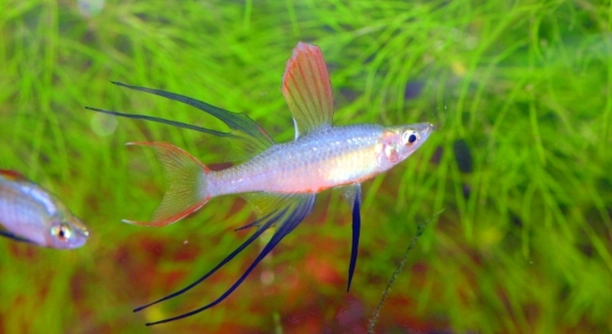
Threadfins are graceful fish often seen gliding through coastal waters, yet sometimes they gather and swim in tight, circular patterns. These behaviors can appear puzzling, sparking interest among observers who notice their unusual, synchronized movements in the ocean.
Threadfins sometimes swim in tight circles as a method of schooling for protection and communication. This behavior helps them maintain cohesion, confuse predators, and coordinate movements efficiently, reflecting an adaptive strategy that enhances their survival and social interaction within groups.
Observing this behavior provides insight into their social dynamics and natural instincts, revealing patterns that are both fascinating and essential to their survival.
The Science Behind Circular Swimming
Threadfins’ circular swimming is a fascinating adaptation that serves multiple purposes. By moving in tight circles, they create a compact formation that reduces vulnerability to predators. This schooling behavior increases their chances of survival, as it confuses larger fish and makes it harder for predators to single out one individual. Additionally, circular swimming allows threadfins to communicate through subtle movements, vibrations, and positioning within the group. These patterns are not random; each fish responds to the motions of its neighbors, maintaining balance and cohesion. Researchers have observed that threadfins adjust their swimming speed and direction in response to changes in the environment, including currents, food availability, and the presence of other species. The synchronized behavior also conserves energy, as fish take advantage of the water flow created by others in the circle. Over time, this instinctive pattern has become an essential part of their daily behavior, supporting both survival and social interaction within the school.
This circular movement also allows threadfins to locate food more efficiently.
The mechanism behind this behavior combines instinct and environmental cues. Threadfins rely on vision and the lateral line system, which detects changes in water pressure, to maintain coordination. When one fish changes direction, others adjust, preserving the circular formation. This pattern is often seen near feeding grounds or areas with higher predator activity. By swimming in circles, threadfins can herd smaller prey, keeping them within reach while minimizing their own risk. Researchers note that younger threadfins are more likely to follow this pattern strictly, learning from older, experienced fish. The repetitive motion also strengthens muscle memory and helps maintain group cohesion even in strong currents. Observing threadfins in this behavior highlights their adaptability and intelligence, revealing how natural instincts and environmental interactions shape their survival strategies.
Environmental Triggers
Changes in water temperature, salinity, and current often prompt circular swimming.
These conditions influence threadfins’ positioning, feeding habits, and predator avoidance. When water becomes murky or currents shift, the fish rely on group coordination to navigate safely. In addition, areas with abundant plankton or small fish attract schools, where circular swimming facilitates efficient foraging. Environmental stressors, including nearby predators or human activity, can intensify this behavior. Strong currents make it more energy-efficient to move in a circular pattern rather than individually. The presence of other schooling fish may also encourage threadfins to adopt tight formations, reinforcing safety in numbers. By responding to these external cues, threadfins demonstrate a remarkable ability to adjust behavior quickly, ensuring both survival and effective interaction with their surroundings. Observing these patterns in natural habitats can provide insight into the delicate balance between instinct and environmental influence in marine species.
Predatory Defense
Circular swimming provides threadfins with a practical defense against predators. By keeping the group tightly packed, individual fish are less likely to be singled out. This behavior also creates confusion, making it harder for predators to target prey effectively while maintaining group cohesion.
The tight circles reduce vulnerability by minimizing gaps between fish, which predators could exploit. When a predator approaches, threadfins adjust their speed and direction in unison, often creating a swirling pattern that disorients attackers. This coordinated motion is instinctive and honed over time, ensuring each fish reacts quickly to threats. Younger fish observe and mimic the older members, learning the subtle cues necessary to maintain the protective formation. This collective response not only enhances safety but also reinforces social bonds within the school.
The circular motion also allows threadfins to monitor multiple directions at once. With their lateral line system, they detect pressure changes caused by nearby predators. This system, combined with visual cues from other fish, ensures that the school can react almost instantaneously to potential danger. The efficiency of this method reduces the need for frantic escapes, conserving energy while maintaining safety. Over time, threadfins have perfected this defensive strategy, balancing survival instincts with energy management and social interaction.
Feeding Efficiency
Circular swimming helps threadfins maximize feeding opportunities in groups. Moving in coordinated circles herds smaller prey and concentrates food sources, reducing wasted energy and ensuring more fish can access resources simultaneously.
By swimming in patterns, threadfins create a controlled zone where plankton and smaller fish are easier to catch. This strategy allows the group to feed efficiently while minimizing dispersal of prey. Fish at the outer edges push prey toward the center, where others can take advantage. Timing and positioning are critical; a fish that moves too quickly or slowly risks missing food or disrupting the circle. Researchers have observed that threadfins adjust their swimming speed based on prey density, maintaining optimal spacing and coordination. Younger fish often follow experienced members, learning how to maintain the formation while feeding effectively. This behavior demonstrates how instinct, environmental awareness, and social interaction combine to support survival.
Coordinated feeding also reduces competition within the school. Fish are less likely to chase the same prey individually, which increases overall efficiency. By maintaining the circular pattern, threadfins ensure that each member receives an adequate share, supporting growth and energy conservation. This strategy also allows the school to remain alert for predators while feeding, balancing nourishment and safety. Environmental factors, such as water clarity and current strength, influence how tightly the group circles, showing adaptability to changing conditions. Over time, this method has become an essential part of their daily routine.
Social Coordination
Circular swimming strengthens social bonds within threadfin schools. Each fish adjusts to the movements of others, maintaining harmony. This behavior ensures that the group functions as a single unit, responding quickly to threats and environmental changes while preserving safety and cohesion.
This coordination also teaches younger fish essential survival skills. By following experienced members, they learn how to maintain formation, detect predators, and find food efficiently. These interactions are vital for developing instincts and understanding group dynamics, which will support them throughout their lives in the wild.
Communication Signals
Threadfins use subtle body movements and fin adjustments to communicate during circular swimming. These signals convey direction, speed, and alertness, ensuring the group remains synchronized and responsive.
Energy Conservation
Swimming in tight circles reduces individual energy expenditure. The fish take advantage of water currents generated by their neighbors, minimizing resistance and allowing longer periods of movement without fatigue.
Environmental Awareness
Circular swimming enhances awareness of surroundings. Each fish monitors pressure changes and movements in the water, helping the group navigate safely and respond quickly to predators or shifts in currents.
FAQ
Why do threadfins swim in circles instead of straight lines?
Threadfins swim in circles to stay together and protect themselves from predators. This behavior reduces gaps between fish, making it harder for predators to target an individual. Circling also allows them to coordinate movements and communicate subtle cues through body and fin motions, maintaining group harmony.
Does circular swimming help threadfins find food?
Yes. Moving in tight circles allows threadfins to herd smaller prey and concentrate food in one area. Fish on the outer edges push prey toward the center, giving the entire school better access. This coordinated feeding reduces competition within the group and ensures more energy-efficient foraging.
Are younger threadfins better at circling or older ones?
Older, experienced threadfins usually lead the patterns, while younger fish follow. This way, the younger ones learn proper coordination, predator awareness, and energy-efficient swimming. Observing and mimicking older members is a critical part of their development, ensuring the school maintains safety and cohesion.
Do threadfins always swim in circles?
No. Threadfins swim in circles mainly when feeding, avoiding predators, or navigating challenging currents. In calmer waters with minimal threats, they may move in straight lines or looser formations, conserving energy while still remaining part of the school. Circling is a flexible, adaptive behavior.
How do threadfins communicate while swimming in circles?
Communication occurs through subtle movements of the body and fins. Each fish can signal changes in speed, direction, or alertness. The lateral line system detects water pressure changes, allowing them to respond almost instantly to one another. This ensures the group remains coordinated and can react quickly to any disturbance.
Does circular swimming save energy?
Yes. The formation allows threadfins to take advantage of water currents created by other fish. Swimming in circles reduces resistance, letting each fish expend less energy than if swimming individually. This strategy is especially useful when feeding or maintaining alertness for extended periods.
Do environmental factors influence circular swimming?
Absolutely. Currents, water clarity, predator presence, and food availability all affect how tightly threadfins swim in circles. Strong currents may make tighter circles more efficient, while murky water increases reliance on group coordination and lateral line signals for navigation and predator detection.
Can circular swimming prevent predators from attacking?
It helps. The tight formation confuses predators, making it difficult to single out one fish. The swirling motion and coordinated direction changes create a disorienting pattern, giving threadfins a better chance to escape and minimizing individual risk.
Do threadfins always maintain perfect circles?
Not always. The circles can vary in size, shape, and speed depending on environmental conditions, school size, and predator presence. Flexibility is part of the strategy, allowing them to adapt to changing circumstances while maintaining overall group cohesion.
Is this behavior unique to threadfins?
No. Many schooling fish exhibit circular swimming for protection and feeding. However, threadfins are particularly noted for the precision and consistency of their circular formations, reflecting a combination of instinct, social learning, and environmental awareness that supports their survival.
How long can threadfins maintain circular swimming?
The duration depends on purpose and conditions. During feeding or predator avoidance, the school may circle for extended periods, sometimes several minutes. Energy conservation strategies, environmental factors, and the age of the fish influence how long the pattern is sustained before switching to other formations or behaviors.
Does circular swimming have social benefits?
Yes. It strengthens social bonds, teaches younger fish essential survival skills, and ensures coordinated group behavior. The interaction fosters trust and cohesion within the school, improving collective responses to threats and optimizing feeding efficiency.
Can human activity affect this behavior?
Human activity, such as boating, fishing, or pollution, can disturb threadfins and disrupt circular swimming. Sudden changes in water conditions may force schools to scatter or alter their patterns, reducing feeding efficiency and increasing vulnerability to predators.
Do threadfins practice circular swimming in captivity?
In controlled environments like aquariums, threadfins may exhibit circular swimming, especially when placed in groups. The behavior persists as a natural instinct, though space limitations and artificial conditions may affect formation size and tightness.
Why is understanding circular swimming important?
Studying this behavior provides insight into threadfins’ survival strategies, social dynamics, and environmental adaptability. Understanding how they interact, communicate, and conserve energy helps researchers and conservationists protect them in their natural habitats.
How can observing this behavior help humans?
Observing threadfins’ patterns can inform sustainable fishing practices, aquaculture strategies, and marine ecosystem management. It highlights the importance of group behavior in survival and energy efficiency, offering lessons on coordination and adaptability applicable beyond marine biology.
Are all threadfins equally skilled at circular swimming?
Skill varies by age, experience, and health. Older, experienced fish are more precise and consistent, while younger or weaker individuals may struggle to maintain formation. The group compensates, ensuring the school remains effective and cohesive even with varying abilities.
Does circular swimming affect mating behavior?
Indirectly. Staying in cohesive groups ensures that fish remain healthy, well-fed, and alert to predators. Strong schools improve survival, which in turn increases opportunities for reproduction. Coordinated behavior may also help display fitness during seasonal mating periods.
Can circular swimming indicate stress or danger?
Yes. Sudden increases in circle speed, tightness, or frequency often indicate predators nearby or environmental stress. Observing changes in the pattern can reveal how threadfins respond to threats and adjust behavior to maintain safety.
What happens if a threadfin leaves the circle?
Leaving the circle increases vulnerability to predators and reduces feeding efficiency. Other fish may adjust to maintain cohesion, while the lone individual faces higher risks. This reinforces the importance of group behavior for survival, teaching younger fish to stay within the formation.
Are there variations in circular swimming across different regions?
Regional differences exist due to predator types, water conditions, and food availability. Threadfins adapt circle size, speed, and formation style to local conditions, showing flexibility and environmental awareness in their schooling behavior.
Do threadfins ever switch between circular and other formations?
Yes. Depending on feeding, navigation, or threat levels, they may transition between circular, linear, or loosely organized formations. This flexibility allows the school to adapt efficiently to changing circumstances while maintaining overall cohesion.
Is circular swimming genetically instinctive or learned?
It is a combination. Instinct provides the basic behavior, while observation and practice teach younger fish how to execute circles effectively within a group. Social learning ensures the school maintains coordination and effectiveness across generations.
How precise are threadfins in maintaining circles?
Precision varies. Experienced fish maintain near-perfect formations, while younger fish are less coordinated. Environmental factors, school size, and predator presence influence the exact tightness and symmetry of the circle, demonstrating adaptability in behavior.
Do predators ever overcome circular swimming?
Yes. While circling reduces risk, determined predators may attack successfully, especially when the school is small or environmental conditions favor the predator. Circling increases survival odds but does not guarantee complete protection.
Can circular swimming be observed year-round?
Behavior can be observed throughout the year, but frequency and intensity vary with feeding cycles, seasonal predator activity, and environmental conditions. It remains a core survival strategy, adapting as needed to maintain efficiency and safety.
Does schooling and circular swimming impact fish health?
Yes. Effective coordination reduces stress, conserves energy, and improves feeding efficiency. Healthy schools maintain strong social structures, enhancing individual and collective well-being while supporting growth and long-term survival in natural habitats.
How long has circular swimming been part of threadfin behavior?
It is an evolutionary trait shaped over generations. The consistent use of circular formations demonstrates its survival advantage, showing how instinctive behavior and social learning reinforce each other to ensure the species thrives.
Can human observation disrupt circular swimming?
Careless observation, boating, or fishing can disrupt formations, forcing schools to scatter or change patterns. Minimal disturbance and awareness of their natural behavior are essential when studying or interacting with threadfins.
What is the most important takeaway about circular swimming?
Circular swimming is vital for threadfin survival, feeding, social learning, and predator avoidance. It reflects instinct, adaptability, and group coordination, offering a clear example of how marine species navigate challenges together.
How can scientists measure circular swimming efficiency?
Researchers track speed, circle size, cohesion, and response time to predators. Observations of energy use, feeding success, and social interactions provide insight into the effectiveness of the behavior under varying conditions.
Do threadfins ever swim in multiple overlapping circles?
Yes. Large schools may form multiple interlocking circles to manage space, coordinate feeding, or evade predators. This complex behavior demonstrates advanced social awareness and spatial coordination within the group.
Can circular swimming be mimicked in artificial environments?
Yes. In aquariums or research tanks, threadfins exhibit circular swimming when in groups. The size, tightness, and duration may vary due to space limitations, but the instinctive behavior persists, showing its strength as a survival strategy.
Is there a connection between circular swimming and migration?
While circular swimming is not primarily for migration, it aids during movements by conserving energy, maintaining group cohesion, and coordinating navigation. This strategy supports longer travel periods without excessive fatigue.
Does food scarcity affect circular swimming?
Yes. Scarce food may tighten circles to maximize efficiency, concentrate prey, and reduce energy waste. Schools adjust patterns to maintain feeding success while conserving energy under challenging conditions.
Are there studies that quantify circular swimming benefits?
Research shows improved predator avoidance, energy conservation, and feeding efficiency. Observational and experimental studies confirm that schools using circular patterns outperform less coordinated groups in survival and resource acquisition.
Do threadfins teach each other circular swimming intentionally?
While not intentional in a human sense, older fish provide cues that younger members follow. Social learning ensures that essential behaviors, including circular swimming, are passed down, maintaining school effectiveness across generations.
Can circular swimming indicate overall health of a threadfin school?
Yes. Consistent, well-coordinated circular swimming suggests a healthy, alert, and cohesive group. Disrupted patterns may indicate stress, illness, or environmental challenges impacting the school’s overall well-being.
How adaptable is circular swimming to environmental changes?
Threadfins adjust speed, circle size, and formation tightness to adapt to currents, predators, and food availability. This flexibility demonstrates resilience and the ability to maintain survival strategies under varied conditions.
Does circular swimming influence breeding success?
Indirectly. Effective schooling ensures fish remain healthy, well-fed, and alert to predators, which supports reproduction. Strong social bonds and coordination contribute to overall fitness and mating opportunities.
Are there differences between male and female threadfins in circular swimming?
No significant differences have been observed. Both genders participate equally, following the same patterns for feeding, predator avoidance, and social learning, ensuring the school functions efficiently as a unit.
Can technology help study circular swimming more accurately?
Yes. High-speed cameras, sonar tracking, and computer modeling allow precise measurements of formation, speed, and coordination. These tools provide deeper insights into social behavior, energy efficiency, and adaptive strategies.
Do threadfins respond to threats outside their species?
Yes. Predators of various types trigger circular swimming. The behavior is not specific to a single predator but is a general survival strategy applied whenever the school perceives danger.
Is there a risk of injury within tight circles?
Minor collisions can occur, especially in large schools or fast movements. However, the benefits of protection, energy conservation, and coordinated feeding outweigh the risks, making circular swimming advantageous overall.
Does circular swimming have seasonal variations?
Patterns may vary with temperature, predator activity, and prey availability. During certain seasons, schools may circle more frequently or for longer periods to optimize feeding and protection, reflecting adaptability to environmental changes.
Can circular swimming behavior evolve over time?
Yes. Behavioral traits that improve survival and feeding efficiency are reinforced through natural selection. Circular swimming demonstrates how instinct and social learning evolve together, shaping the species’ survival strategies.
Do all fish in the circle contribute equally?
Most do, but position affects effort. Fish on the outside experience more water resistance, while inner fish conserve energy. Rotation within the circle may occur to balance energy expenditure across the school.
How do threadfins recover after disrupted circles?
When disturbed, fish quickly regroup using visual cues and lateral line signals. Recovery speed depends on experience, school size, and environmental conditions. Experienced fish often guide the formation back to effective patterns efficiently.
Does size of the school affect circular swimming?
Yes. Larger schools can form bigger, more complex circles, sometimes with overlapping layers. Smaller schools create tighter circles to maintain cohesion and protection, showing adaptability based on group size.
What is the most surprising fact about circular swimming?
The precision and coordination of threadfins, especially in larger schools, is remarkable. Even without a leader directing each move, the school maintains cohesion, energy efficiency, and predator defense through instinct and subtle communication.
Do threadfins prefer specific water depths for circular swimming?
Depth preference varies with food availability, predator presence, and currents. Schools adjust vertical positioning while maintaining circular patterns, demonstrating spatial awareness and adaptability.
Can circular swimming indicate environmental changes?
Yes. Changes in circle size, frequency, or tightness can signal shifts in currents, predator activity, or water quality, making this behavior a useful indicator for researchers monitoring marine ecosystems.
Is there a limit to how tight a circle can be?
Physical space and fish size limit tightness. Circles cannot be smaller than the combined body lengths without causing collisions. Fish adjust formation to optimize protection and feeding while avoiding injury.
Do threadfins rest while swimming in circles?
Swimming in formation allows energy conservation but not full rest. They rely on reduced resistance and coordinated movements to minimize fatigue while staying alert to predators and environmental changes.
How does water clarity affect circular swimming?
In murky water, fish rely more on lateral line signals than visual cues, sometimes tightening circles to stay coordinated. Clear water allows looser formations with easier visual monitoring of neighbors.
Are there other fish that copy threadfins’ circular swimming?
Other schooling fish exhibit similar behaviors, though specifics vary by species. Circular swimming is a common strategy for protection and feeding efficiency, showing convergent behavioral evolution across different fish groups.
Does circular swimming have long-term benefits for the school?
Yes. It improves survival, feeding efficiency, social learning, and energy conservation. These benefits support growth, reproduction, and overall health of the school across generations.
Can predators adapt to circular swimming?
Some predators learn to attack from angles that exploit gaps or disruptions, but the swirling motion and collective response still provide significant protection, making it a highly effective defense strategy.
Do threadfins adjust circles based on group composition?
Yes. Age, size, and experience of fish influence formation. Older fish often lead, while younger ones follow, balancing energy expenditure, coordination, and protective benefits for the entire group.
How does circular swimming affect individual fitness?
It reduces risk from predators, conserves energy, and improves feeding success. These advantages increase survival, growth, and reproductive potential, contributing directly to individual fitness within the school.
Are there studies linking circular swimming to fish intelligence?
Observations suggest advanced social awareness, coordination, and learning, which reflect cognitive abilities. The ability to maintain formation, respond to environmental cues, and teach younger fish highlights adaptability and problem-solving skills in threadfins.
Is circular swimming more common in certain threadfin species?
Some species exhibit it more consistently, often related to habitat type, predator density, and schooling tendencies. Coastal species with higher predator exposure tend to rely more on tight circular formations.
Do threadfins ever break the circle for exploration?
Occasionally, individuals may leave briefly to investigate food or surroundings, but they usually return quickly. The overall pattern prioritizes cohesion and protection over individual exploration.
Can circular swimming be observed at night?
Yes, though activity may be reduced. Fish rely more on lateral line cues than vision in low-light conditions, maintaining cohesion while responding to predators and environmental changes.
Does circular swimming affect oxygen consumption?
Energy-efficient movement reduces unnecessary exertion, lowering oxygen use compared to uncoordinated swimming. Conserved energy supports longer periods of activity and better overall health.
How quickly can a school switch from straight swimming to circular swimming?
Transition is often immediate, triggered by predators, currents, or feeding needs. Fish respond to neighbors’ movements, lateral line signals, and environmental cues, creating a rapid shift in formation with minimal disruption.
Do threadfins in captivity exhibit natural circle sizes?
Circle size may shrink due to tank space, but behavior persists. Fish adapt formation to available area while maintaining coordination, demonstrating instinctive behavior even in artificial environments.
Are there risks of collision in large circles?
Minor collisions can occur, but coordinated movement and spacing reduce injuries. Tight circles balance protection with collision risk, showing the efficiency of this adaptive behavior.
Can circular swimming patterns indicate aging or health decline?
Yes. Slower responses, inconsistent coordination, or gaps may indicate weaker or aging fish. Monitoring patterns can provide insight into individual and group health.
Does circular swimming occur in both shallow and deep waters?
Yes. Threadfins adapt the behavior to various depths, adjusting circle size and speed according to currents, predator presence, and prey availability while maintaining cohesion.
How does schooling density influence circle formation?
Higher density can tighten circles, improving protection and coordination. Lower density may create looser formations, reducing efficiency but maintaining some level of cohesion.
Are circular swimming patterns predictable?
They are generally consistent under stable conditions but can change rapidly with environmental shifts. Flexibility ensures that threadfins respond effectively to threats, food sources, and currents.
Do threadfins practice circular swimming in isolation?
No. This behavior relies on group dynamics. Individual fish cannot maintain the protective, coordinated benefits of circling alone, making it inherently social.
How long has circular swimming been observed by scientists?
Documented over decades, studies show it is a consistent behavior across generations, highlighting its evolutionary importance and relevance for survival, feeding, and social learning.
Is circular swimming influenced by predator type?
Yes. Presence of larger, faster predators can tighten circles and increase speed. Smaller or slower threats may result in looser formations, demonstrating adaptive flexibility.
Does circular swimming improve learning in younger fish?
Yes. Following experienced fish teaches movement coordination, predator awareness, and feeding strategies, ensuring younger members develop skills essential for survival.
Can circular swimming be interrupted by environmental hazards?
Pollution, debris, and human activity may disrupt formations. Fish quickly respond to disturbances, but repeated interruptions can reduce feeding efficiency and increase stress levels.
Does circular swimming affect migration timing?
While not directly tied to migration, energy conservation and coordination during circling help fish prepare for longer movements, supporting endurance and group cohesion during seasonal relocation.
**Are all thread
Final Thoughts
Threadfins’ circular swimming is more than just a curious behavior; it is a vital part of their survival. By moving in tight circles, these fish protect themselves from predators, improve feeding efficiency, and maintain social cohesion. This behavior reflects a combination of instinct, environmental awareness, and learned skills. Each fish responds to its neighbors, using subtle body movements and fin adjustments to communicate. The group’s coordination allows them to react quickly to threats and changes in their surroundings. Over time, this pattern has become essential for the species, demonstrating how natural instincts and social learning work together to support survival in the ocean. Observing threadfins swim in circles highlights the complexity of their behavior, showing that even simple movements have deep biological and ecological significance.
Circular swimming also serves as an energy-saving strategy. By swimming in formation, each fish benefits from the water currents created by others, reducing resistance and minimizing energy expenditure. This allows threadfins to sustain movement for longer periods, whether they are feeding, avoiding predators, or navigating currents. Younger fish learn these energy-efficient patterns by following older, experienced members, ensuring that the skill is passed down through generations. The formation not only protects individuals but also reinforces the stability of the entire school. Through this behavior, threadfins balance their need for nourishment with safety and efficiency, demonstrating an impressive adaptability to both environmental conditions and social dynamics.
Understanding threadfins’ circular swimming provides insight into their daily lives and survival strategies. The behavior illustrates how fish interact, communicate, and respond collectively to challenges in their environment. Factors like water currents, predator presence, and prey availability all influence the patterns and tightness of their circles. Even subtle variations in formation can indicate changes in the environment or the health of the school. Studying these behaviors helps researchers and conservationists better understand marine ecosystems and the delicate balance that supports species like threadfins. Beyond scientific interest, observing this instinctive, coordinated movement can also inspire appreciation for the intelligence and adaptability of marine life. Circular swimming is not just a defense mechanism or feeding strategy; it is a clear reflection of how threadfins navigate the challenges of their habitat, ensuring survival, energy efficiency, and social cohesion.

Hello,
If you enjoy the content that we create, please consider saying a "Thank You!" by leaving a tip.
Every little bit helps us continue crafting quality advice that supports the health, happiness, and well-being of pets around the world, for pets of all shapes, sizes, and species.
We really appreciate the kindness and support that you show us!