
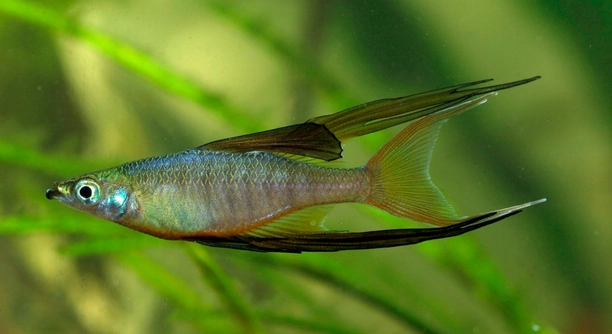
Do you ever find yourself setting up a community tank and wondering which fish will live together peacefully? Threadfins and dwarf gouramis are both popular choices, admired for their colors and gentle presence in home aquariums.
Threadfins can be kept with dwarf gouramis under controlled conditions. Both species require similar water parameters, careful monitoring of tank size, and attention to individual temperaments to minimize stress and ensure a harmonious environment for all inhabitants.
While their interactions may seem simple at first, there are subtle details in behavior and care that influence compatibility. Observing these closely can make a significant difference for a balanced tank.
Understanding Threadfin Behavior
Threadfins are active fish that enjoy open swimming space and gentle water currents. They are generally peaceful but can become territorial when stressed or cramped. Observing their behavior early is key, as even small signs of aggression can affect tank harmony. Threadfins prefer hiding spots like plants or driftwood, which help them feel secure. Their schooling instincts mean they do best in small groups, reducing stress and encouraging natural movement. Feeding habits also play a role: they need a varied diet including live or frozen foods alongside high-quality flakes or pellets. Monitoring how they respond to dwarf gouramis is important, as temperaments can differ between individual fish. Proper tank size, stable water conditions, and attention to social cues allow both species to thrive without unnecessary conflict, making coexistence achievable with patience and preparation.
Observing them regularly ensures minor issues don’t escalate, keeping your tank peaceful.
Threadfins may display subtle dominance behaviors like nipping or chasing. While not always harmful, these actions should be monitored closely. Providing adequate space, hiding spots, and maintaining clean water can reduce tension. Dwarf gouramis are usually calm but may react to sudden movements or overcrowding. Balancing feeding schedules and avoiding overstocking helps both species feel secure. The right combination of companions and environmental care allows threadfins and dwarf gouramis to coexist with minimal stress. Regular observation, along with understanding each species’ natural tendencies, ensures that both fish thrive in a shared habitat, fostering a visually appealing and stable tank.
Tank Setup Tips
A tank over 30 gallons is ideal for housing threadfins with dwarf gouramis. Proper filtration and gentle flow mimic their natural conditions, keeping water clean and oxygenated.
Aquascaping should include floating plants, caves, and open swimming areas. Floating plants reduce light intensity and offer hiding places, helping shy dwarf gouramis feel safe. Threadfins benefit from open areas for schooling and movement. Substrate choice can influence fish behavior; a soft, sandy bottom is preferred for bottom grazers. Regular water testing is essential, as both species are sensitive to sudden changes in pH, ammonia, or nitrate levels. Heating and maintaining a stable temperature around 75–80°F ensures comfort. Introducing fish gradually allows each species to acclimate. Consistent maintenance and observation make a significant difference in reducing stress and promoting natural behavior.
Proper planning of space, decorations, and water conditions ensures a peaceful coexistence, allowing both threadfins and dwarf gouramis to display their best qualities in a healthy, well-balanced tank environment.
Feeding Compatibility
Threadfins and dwarf gouramis both thrive on a varied diet. Providing a mix of flakes, pellets, and occasional live or frozen foods keeps them healthy and reduces competition during feeding times.
Feeding both species requires attention to their preferences. Threadfins tend to swim actively while searching for food, often chasing smaller particles quickly. Dwarf gouramis are slower eaters, preferring sinking or mid-water foods. Offering multiple feeding spots helps prevent stress and ensures that both fish get enough nutrition. Avoid overfeeding, as leftover food can pollute the tank and lead to water quality issues. Timing meals consistently encourages routine behavior and minimizes aggressive interactions around food.
Monitoring feeding behavior also helps detect early signs of illness or stress. If a threadfin becomes overly aggressive or a gourami refuses food, adjustments in portion size, type of food, or feeding location may be necessary. Maintaining balance in diet supports both species’ growth, vibrant colors, and overall health, making their coexistence smoother and more sustainable.
Water Parameters
Both species require warm, stable water between 75–80°F and a slightly acidic to neutral pH of 6.5–7.5 for optimal health.
Water quality is critical for harmony in a shared tank. Threadfins are sensitive to ammonia and nitrites, while dwarf gouramis can be affected by sudden temperature changes or high nitrate levels. A reliable filtration system and regular partial water changes help maintain stability. Testing water weekly ensures pH, hardness, and chemical levels remain consistent. Avoid drastic fluctuations, as both fish can become stressed and prone to disease. Adequate aeration and gentle flow mimic natural conditions, supporting normal swimming and schooling behaviors. Observing water clarity and fish activity provides clues about tank health. Regular maintenance, paired with attention to subtle behavioral changes, ensures both species thrive in a clean and stable aquatic environment.
Tank Mates Considerations
Other peaceful fish can be added if the tank is large enough. Avoid aggressive or fin-nipping species that may stress threadfins or dwarf gouramis.
Observing new additions closely helps prevent conflict. Choosing compatible species supports a balanced, calm environment, allowing all fish to display natural behaviors without tension.
Breeding Behavior
Dwarf gouramis may become territorial during breeding, especially around floating plants. Threadfins generally ignore these interactions but require extra space to avoid stress. Proper separation or tank adjustments during this period can help maintain harmony and prevent aggression from escalating between species.
Common Health Issues
Both species are susceptible to waterborne illnesses if conditions fluctuate. Maintaining clean, stable water and observing for unusual behavior or appetite loss prevents disease. Regular monitoring and prompt intervention support long-term health for threadfins and dwarf gouramis.
Observation Tips
Daily observation of swimming patterns, color, and feeding behavior helps detect early signs of stress. Acting early prevents long-term issues and maintains a peaceful tank.
FAQ
Can threadfins and dwarf gouramis live together long-term?
Yes, they can coexist long-term if proper tank size, water parameters, and compatible diets are maintained. Monitoring behavior is important to ensure neither species becomes stressed or aggressive. Adequate hiding spots, floating plants, and open swimming areas help reduce territorial disputes.
Do threadfins require more space than dwarf gouramis?
Threadfins are active swimmers and do need more open space than dwarf gouramis. A tank of at least 30 gallons is recommended for a small group of threadfins alongside gouramis. Open swimming areas combined with plants and decor provide balance and reduce stress for both species.
Will dwarf gouramis bully threadfins?
Generally, dwarf gouramis are peaceful and will not intentionally bully threadfins. However, during breeding periods or if stressed, they may become territorial. Observing interactions and providing ample space prevents minor displays of dominance from escalating into harmful behavior.
How should I feed both species?
Feed multiple areas of the tank to prevent competition. Threadfins are faster and more active eaters, while dwarf gouramis are slower and prefer mid-water or sinking foods. Include a mix of flakes, pellets, and occasional live or frozen foods for balanced nutrition. Avoid overfeeding to maintain water quality.
Do water conditions affect compatibility?
Absolutely. Both species thrive in stable water between 75–80°F with a slightly acidic to neutral pH of 6.5–7.5. Sudden changes in temperature, ammonia spikes, or high nitrates can stress either species, potentially causing aggression or illness. Regular testing and maintenance are essential.
Can threadfins damage plants?
Threadfins are generally gentle but may uproot delicate plants while swimming actively. Using heavier plants, anchored decor, or floating plants helps protect vegetation and creates safe zones for both species to explore.
How do I handle breeding periods?
Dwarf gouramis may become territorial during breeding, especially around floating plants or bubble nests. Threadfins typically ignore these activities but need space to avoid accidental stress. Temporarily adjusting tank layout or providing extra hiding spots ensures all fish remain safe.
What are common health concerns?
Both species are sensitive to poor water quality. Common issues include fin rot, ich, and stress-related diseases. Observing appetite, coloration, and swimming behavior can help detect early signs. Maintaining clean water, stable temperature, and proper diet reduces risk of illness.
Can juveniles be kept with adults?
Juveniles of either species should be monitored closely. Adult threadfins are generally gentle, but overcrowding or limited space can cause minor chasing. Ensuring adequate space, hiding spots, and consistent feeding minimizes stress for younger fish.
Is tank size the most important factor?
Tank size plays a crucial role in maintaining peace. Threadfins need room to swim, while dwarf gouramis prefer areas with plants. A minimum of 30 gallons is recommended for a small group, but larger tanks improve compatibility and reduce stress for both species.
How often should water changes occur?
Weekly partial water changes of 20–25% help maintain water stability. Monitoring nitrate, ammonia, and pH levels ensures conditions remain safe. Consistent maintenance prevents stress, supports health, and helps both species coexist peacefully.
Are there signs of stress to watch for?
Signs include hiding excessively, loss of appetite, faded colors, or aggressive chasing. Early detection allows adjustments in tank layout, water parameters, or feeding to restore harmony. Regular observation is key to long-term success with these species.
Can other fish species be added safely?
Peaceful tank mates are possible if space allows. Avoid aggressive or fin-nipping fish. Small tetras, rasboras, or peaceful catfish can complement the tank. Introduce new species gradually and monitor interactions closely to maintain stability and avoid conflict.
What decorations are best for coexistence?
Use floating plants, driftwood, and open swimming zones. Floating plants reduce stress for dwarf gouramis, while open spaces allow threadfins to swim freely. Caves and rock formations offer hiding spots, helping both species feel secure and reducing minor territorial displays.
How long does it take to adjust?
Most fish adjust within a few days to a week. Individual temperaments vary, so close observation during this period is essential. Gradual acclimation, consistent feeding, and stable water conditions help both species settle comfortably together.
This FAQ covers common concerns about keeping threadfins with dwarf gouramis, providing practical guidance for maintaining a peaceful, healthy aquarium. Proper space, feeding, water management, and observation ensure these fish coexist successfully without stress or conflict.
Final Thoughts
Keeping threadfins and dwarf gouramis together can be a rewarding experience when approached with careful planning. Both species are generally peaceful, and their contrasting behaviors can complement each other in a well-maintained tank. Threadfins are active swimmers who enjoy open space, while dwarf gouramis tend to move more slowly and prefer sheltered areas with plants. Providing a combination of open swimming zones and hiding spots allows both species to feel secure, reducing the likelihood of stress or conflict. Paying attention to tank size is crucial, as a cramped environment can lead to territorial behaviors or chasing, even among typically gentle fish. A minimum of 30 gallons is recommended for a small group of threadfins with dwarf gouramis, but larger tanks offer better opportunities for harmonious coexistence.
Water quality and stability play a key role in maintaining a peaceful tank. Both threadfins and dwarf gouramis are sensitive to fluctuations in temperature, pH, and chemical levels such as ammonia, nitrites, and nitrates. Keeping the water consistently within the ideal range of 75–80°F and a slightly acidic to neutral pH of 6.5–7.5 is essential. A reliable filtration system, regular partial water changes, and weekly testing help maintain this stability. Observing the fish daily provides early indicators of stress or illness, such as changes in appetite, swimming patterns, or coloration. Addressing small issues quickly prevents them from escalating into larger problems, ensuring both species remain healthy and comfortable. Simple adjustments like adding extra hiding places or adjusting feeding methods can go a long way in reducing tension and encouraging natural behaviors.
Feeding habits and nutrition are also important for successful coexistence. Threadfins are active eaters who chase food quickly, while dwarf gouramis prefer slower, mid-water or sinking foods. Offering a varied diet of flakes, pellets, and occasional live or frozen foods, distributed in multiple areas of the tank, ensures that both species receive enough nutrition without competition. Monitoring feeding behavior also helps identify potential health concerns early. Providing an environment that meets the physical, social, and dietary needs of both species encourages harmony and allows them to thrive together. With proper planning, consistent care, and close observation, a community tank containing threadfins and dwarf gouramis can be peaceful, visually appealing, and rewarding for anyone interested in keeping both species.

Hello,
If you enjoy the content that we create, please consider saying a "Thank You!" by leaving a tip.
Every little bit helps us continue crafting quality advice that supports the health, happiness, and well-being of pets around the world, for pets of all shapes, sizes, and species.
We really appreciate the kindness and support that you show us!