
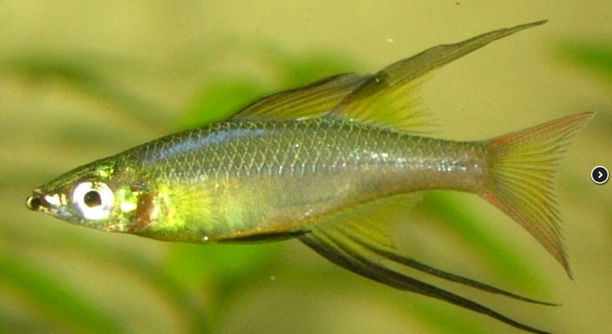
Threadfins are fascinating fish known for their subtle and striking color changes. These shifts are not random; they often reflect the fish’s current mood or environmental reactions. Observing these patterns can reveal much about their behavior and well-being.
Threadfins display seven distinct color changes that correspond to specific moods. These variations, including darkening, brightening, and subtle hue shifts, indicate states such as aggression, stress, mating readiness, and relaxation, offering a reliable visual cue for researchers and hobbyists alike.
Recognizing these signs allows better understanding and care for threadfins. Each color change tells a story that reflects their emotional and physical state in the environment.
Darkening of the Body
Threadfins often darken when they feel threatened or stressed. This shift in pigmentation helps them blend with shadows or signal discomfort. It can occur suddenly if a predator appears or if their environment changes rapidly. Observing these changes can help in adjusting tank conditions. Feeding routines, water temperature, and tank companions all influence their stress levels. Some threadfins show subtle darkening first around the head or fins before the entire body changes. Maintaining a calm environment reduces these stress indicators. Bright lighting or sudden movement can trigger these shifts. It is also common during handling or tank cleaning. Being attentive to these subtle color cues can prevent long-term health issues. Monitoring their behavior alongside color changes provides a complete picture of their mood. Consistent observation is key.
Darkening usually signals discomfort or unease and should prompt immediate attention to tank conditions.
Providing a stable environment minimizes stress. Proper filtration, gradual lighting, and gentle handling keep threadfins calm and help maintain their natural coloration over time.
Brightening and Vibrant Hues
A sudden brightening of a threadfin often reflects excitement or mating readiness. They can intensify their colors to communicate attraction or dominance within a group. Bright colors make them more noticeable to mates and help establish social hierarchy. Environmental enrichment, such as plants or open swimming areas, encourages this display. Healthy nutrition also supports vibrant coloration. Vitamins, proper protein, and consistent feeding schedules contribute to intensity and longevity of colors. Brightening may also occur after a period of rest or when moving to a new tank. Observing these changes can be rewarding, as it reveals their active and alert state. Lighting affects perception, so proper aquarium lighting enhances the visibility of these vibrant hues. Over time, regular observation allows recognition of individual patterns and behaviors. This knowledge is helpful for breeding or social management within aquariums.
Brightening indicates alertness or readiness, providing insight into their social interactions.
Tracking these changes over time helps identify preferences and interactions. Recognizing patterns in color intensity supports healthier care and better understanding of their needs. Observing brightening alongside behavior offers a clear view of mood and activity levels in threadfins, ensuring their well-being and optimal social environment.
Fading Colors
Fading in threadfins usually signals fatigue or illness. Their colors become dull, especially along the fins and body edges. Stress from poor water quality or insufficient nutrition can accelerate this effect. Regular monitoring of tank conditions helps prevent prolonged fading.
Fading often starts subtly, making it easy to overlook. Low oxygen levels, improper pH, or sudden temperature changes can trigger this shift. Diet plays a crucial role; deficiencies in vitamins or protein reduce pigment intensity. Extended stress or illness worsens fading, affecting overall health and behavior. Observing feeding habits, energy levels, and swimming patterns alongside color changes provides a better understanding of their condition. Prompt action in adjusting environment or diet can restore vitality and help prevent further decline.
Some threadfins may show uneven fading, with certain areas like the dorsal fin paling first. This uneven pattern can indicate localized stress or minor infections. Addressing water quality, diet, and tank enrichment can reverse these changes. Maintaining stable routines, gentle handling, and clean conditions reduces the likelihood of repeated fading episodes. Consistent observation ensures timely intervention, helping threadfins regain their full coloration and remain active, healthy, and comfortable in their habitat.
Reddening of Fins
Red fins in threadfins often indicate excitement, aggression, or reproductive readiness. The color signals intention to other fish and helps establish dominance. Watching social interactions alongside color changes provides insight into their behavior.
Reddening is sometimes subtle, appearing first along fin edges or tips. Increased blood flow to these areas causes the noticeable hue. Aggressive displays, territorial disputes, or mating behaviors trigger this response. Nutrition and water quality also influence intensity, as healthy fish display more vibrant red tones. Overcrowding or stress can exaggerate redness, leading to frequent displays. Recognizing these signals aids in managing tank dynamics and preventing conflicts among individuals. Observation of timing, frequency, and context of reddening helps distinguish between aggression, excitement, or stress-related changes.
Excessive reddening may indicate overexertion or irritation, requiring intervention. Adjusting tank layout, providing hiding spaces, and monitoring social hierarchies supports balanced interactions. Ensuring proper diet and maintaining clean, stable water conditions promotes natural coloration without stress. Keeping records of these changes can reveal patterns, helping predict behavior and plan tank management. Reddening, when observed carefully, becomes a reliable indicator of mood, health, and social dynamics within a threadfin community.
Pale Stripes
Pale stripes on threadfins usually signal low energy or stress. The markings become lighter, especially after a period of inactivity or environmental changes. Observing these shifts can help in adjusting tank conditions quickly.
Pale stripes may appear during illness or when nutrition is lacking. Stress from overcrowding or sudden water changes can also trigger the effect. Consistent care, proper diet, and stable water parameters help maintain healthy coloration and reduce these pale patterns.
Dark Fin Edges
Darkened edges along the fins often indicate aggression or heightened alertness. This change signals intentions to other fish and helps define territory within the tank. Monitoring these signs ensures safer social dynamics and prevents conflicts.
Bluish Tint
A bluish tint can appear when threadfins are calm or relaxed. This subtle color shift often develops after feeding or in low-stress conditions. Regular observation of these hints allows a better understanding of their overall comfort and mood.
FAQ
How can I tell if my threadfin is stressed?
Stress in threadfins is often shown through color changes like darkening or fading. Other signs include erratic swimming, hiding more than usual, or reduced appetite. Sudden environmental changes, overcrowding, or poor water quality can trigger these behaviors. Regular observation and stable tank conditions help identify stress early.
Why do threadfins change color after feeding?
After feeding, threadfins may display brighter or more vibrant hues. This is a natural response linked to increased activity and alertness. It signals satisfaction and energy. Ensuring a balanced diet with proper nutrients supports these color shifts and keeps fish healthy.
Are color changes linked to mood or health?
Yes, color changes are closely tied to mood and overall health. Darkening or fading can indicate stress, illness, or fatigue, while brightening and vibrant colors often signal alertness, excitement, or reproductive readiness. Observing these patterns helps track both behavior and wellbeing.
Can lighting affect color perception in threadfins?
Lighting can strongly influence how colors appear. Bright, natural-spectrum lighting enhances visibility of subtle changes, while dim or inconsistent lighting can make shifts harder to notice. Adjusting lighting gradually helps maintain natural coloration and reduces stress.
Do all threadfins show the same color patterns?
No, individual fish can vary in how they display color changes. Genetics, age, and environmental factors all contribute to differences. Some may have more pronounced darkening, while others show subtle hints of fading or bluish tint. Recognizing each fish’s unique pattern helps in proper care.
How often should I monitor their colors?
Daily observation is ideal. Noting changes in behavior alongside coloration provides a complete picture of their mood and health. Quick adjustments to water quality, diet, or tank layout can prevent long-term problems if color changes indicate stress or illness.
What does reddening of fins indicate?
Red fins typically signal excitement, aggression, or readiness to breed. It’s a communication tool among fish for establishing dominance or attracting mates. Excessive reddening, however, can point to irritation or overexertion, signaling the need for careful monitoring and tank management.
Is fading always a sign of illness?
Not always. Temporary fading can occur from fatigue, mild stress, or minor environmental changes. Persistent or uneven fading, particularly combined with lethargy or reduced appetite, usually signals illness or nutritional deficiencies and requires intervention.
Can color changes help with breeding threadfins?
Absolutely. Brightening and vibrant coloration often indicate reproductive readiness. Observing these shifts helps determine the optimal timing for pairing or separating fish to encourage successful breeding while minimizing stress.
How can I maintain consistent coloration?
Stable tank conditions, proper nutrition, and minimal stress are key. Regular water testing, balanced diets rich in vitamins and protein, and thoughtful tank arrangements support natural colors. Gradual changes in environment or lighting prevent sudden stress-related color shifts.
Do environmental changes affect all color changes equally?
Different moods and responses are triggered by specific factors. Stress-related darkening or fading reacts strongly to water quality and handling, while brightening for mating or social displays responds more to social cues and nutrition. Understanding these connections ensures better management of their environment.
What should I do if multiple color changes happen at once?
Multiple changes at once may indicate stress, illness, or social conflict. Assess water parameters, diet, and tank dynamics carefully. Observing which colors appear first or dominate can help determine the root cause. Prompt intervention helps prevent health decline.
Are subtle shifts important to notice?
Yes, subtle shifts often provide early warning signs of mood changes or health issues. Noticing small changes in stripe intensity, fin edge color, or body tint allows preventive action before more severe problems develop. Consistent observation is crucial.
Can diet influence specific colors?
Yes, diet affects intensity and vibrancy. Pigment-rich foods, balanced protein, and vitamin supplements enhance brightening and maintain natural hues. Poor nutrition can lead to fading or dull colors over time. Monitoring diet is essential for healthy coloration.
How long do color changes typically last?
Duration varies depending on the cause. Stress or temporary environmental shifts may cause short-lived changes, while reproductive or social displays can last longer. Illness-related fading or darkening can persist until conditions or health are corrected. Tracking patterns over time is helpful.
Is it normal for colors to return slowly?
Yes, after stress or illness, color restoration can be gradual. Ensuring stable conditions, proper diet, and minimal disturbances supports recovery. Rapid changes are uncommon unless environmental conditions improve drastically or treatment is applied.
Can handling affect colors?
Handling can trigger temporary darkening or fading. Gentle handling and minimizing direct contact reduce stress-related shifts. Avoid unnecessary movement or tank disturbances when monitoring or cleaning to keep threadfins calm and maintain their natural colors.
Should I separate fish showing extreme color changes?
If color changes indicate aggression, illness, or severe stress, separation may be necessary. Observing interactions and adjusting tank layout can prevent conflicts and allow affected fish to recover in a calmer environment. Early intervention ensures safer conditions for all fish.
Are color changes predictable?
To some extent. Observing individual behavior patterns, environmental preferences, and social interactions allows prediction of typical color shifts. Each fish has unique responses, so patterns emerge with consistent observation, helping manage mood and health proactively.
How do I document changes effectively?
Keeping a daily log of color shifts, behavior, feeding, and environmental conditions is useful. Photos and notes help track trends and identify issues early. This method ensures precise monitoring and supports timely adjustments to maintain threadfin well-being.
Can stress from tankmates affect colors?
Yes, aggressive or dominant tankmates can trigger darkening, fading, or fin reddening. Providing hiding spaces, proper tank size, and monitoring social interactions reduces these stress-induced color changes and promotes a calmer, healthier environment for all threadfins.
Do older threadfins show different color patterns?
Age can influence intensity and frequency of color changes. Older fish may display more subdued brightening or slower recovery from stress-related fading. Monitoring older individuals carefully ensures their health and comfort despite natural age-related variations.
Are seasonal changes important for coloration?
Seasonal changes in lighting, temperature, or day length can subtly influence coloration. Maintaining consistent conditions in aquariums helps reduce stress-related shifts and supports stable, natural color patterns year-round.
Can water pH affect color changes?
Yes, extreme or fluctuating pH levels can cause stress-related darkening or fading. Regular monitoring and maintaining optimal pH supports healthy coloration and prevents prolonged stress responses. Stable chemistry is key for vibrant and consistent colors.
How quickly should I react to unusual changes?
Immediate attention is important if changes are sudden or combined with abnormal behavior. Assess tank conditions, diet, and social dynamics. Early response prevents prolonged stress or health issues and helps restore natural coloration effectively.
Is it normal for colors to vary throughout the day?
Yes, minor fluctuations can occur based on activity, lighting, and feeding. Subtle variations are normal, but persistent or extreme shifts indicate stress, illness, or environmental issues needing attention. Observation and context help determine normal versus concerning changes.
Can supplements enhance mood-related colors?
Certain vitamin and carotenoid supplements can improve brightening and vibrancy, especially during reproductive or active periods. Supplements should complement a balanced diet to support health and natural coloration without causing imbalance.
Do males and females show different patterns?
Yes, males often display more vibrant colors for mating and dominance. Females may show subtler changes. Recognizing these distinctions helps understand social hierarchy and reproductive behavior in mixed groups.
Can overcrowding suppress color changes?
Overcrowding increases stress, which can lead to fading, darkening, or unusual patterns. Providing adequate space, hiding spots, and proper tank management allows natural color shifts to occur without constant stress interference.
Is temperature a factor in color shifts?
Yes, sudden or extreme temperature changes can trigger stress-related fading or darkening. Maintaining stable, species-appropriate temperatures supports consistent coloration and overall health. Gradual adjustments reduce the risk of negative effects.
How long does it take for color recovery after stress?
Recovery varies by individual and stress severity. Minor shifts may correct within hours, while prolonged stress or illness may take days or weeks. Stable conditions, diet, and minimal disturbance support faster and more complete recovery of natural colors.
Are certain colors more sensitive to changes?
Yes, bright or vibrant colors like red or blue often respond more quickly to mood or health changes, while subtle hues like pale stripes or bluish tint may be slower to shift. Recognizing sensitive areas helps track early signs effectively.
Can tank decorations influence color changes?
Yes, hiding spots, plants, and substrate color can affect perceived color intensity. Providing comfortable, enriched environments allows natural expression of colors, reducing stress-related darkening or fading and encouraging normal social behavior.
Do color changes indicate hunger?
Sometimes, brightening or fin movement can signal anticipation of feeding. Dull or faded colors may also indicate insufficient nutrition. Observing these patterns helps ensure proper feeding and dietary balance.
Are frequent color changes a concern?
Frequent shifts can indicate environmental stress, illness, or social tension. Tracking triggers and correlating with other behaviors helps identify causes and implement corrective measures. Regular monitoring prevents prolonged issues and supports healthy mood regulation.
How important is consistency in observation?
Daily, consistent observation ensures early detection of mood or health issues. Tracking subtle shifts, social interactions, and environmental conditions allows for proactive care and stable color expression, ensuring the long-term well-being of threadfins.
What is the best way to interpret multiple signals together?
Combining color changes with behavior, appetite, and environmental factors gives the clearest understanding. Isolated shifts may be normal, but patterns across multiple signals help distinguish stress, excitement, or illness, guiding appropriate responses for healthier, happier fish.
Can water hardness impact coloration?
Yes, unsuitable water hardness can stress threadfins, causing fading, darkening, or dulling. Maintaining appropriate hardness levels supports natural coloration, overall health, and behavioral stability within the tank environment.
How can I prevent color-related stress?
Stable water parameters, balanced diet, proper tank size, minimal handling, and careful social management reduce stress. Consistency in care encourages natural coloration and allows threadfins to display moods without adverse health effects.
Is it necessary to consult experts for unusual changes?
Consulting a veterinarian or experienced aquarist is recommended if color changes are sudden, persistent, or accompanied by illness. Professional advice ensures accurate diagnosis, treatment, and long-term management for optimal fish health.
Can seasonal lighting adjustments be beneficial?
Gradual changes in lighting to mimic natural cycles support normal behavior and coloration. Abrupt or extreme shifts may cause stress and unwanted color changes. Consistency with gentle transitions maintains comfort and natural expression.
Do color changes affect social interactions?
Yes, visible changes like reddening or brightening influence dominance, mating, and territorial behavior. Recognizing these cues helps manage tank dynamics, prevent aggression, and promote harmonious interactions among threadfins.
Are juvenile threadfins’ color changes different from adults?
Juveniles often show subtler changes, with less intense brightening or fin coloration. Observing patterns in young fish helps anticipate adult behaviors and prepare for social and environmental management as they mature.
How can I track long-term color patterns?
Maintaining logs with notes, photos, and dates allows tracking of patterns over weeks or months. Long-term observation reveals trends, supports predictive care, and helps identify recurring stressors or seasonal influences.
Is tank size critical for color expression?
Yes, adequate space allows natural movement, social interaction, and territory establishment, which supports healthy mood-based color changes. Small or overcrowded tanks often increase stress-related fading or darkening, limiting natural expression.
Can illness be the only reason for color change?
Not always. Mood, social status, diet, environmental factors, and stress also influence coloration. Illness is a concern if changes are persistent, combined with lethargy, loss of appetite, or abnormal behavior. Observation and context are crucial.
Do threadfins recover colors faster in groups or alone?
It depends. Some recover quicker when stressors from tankmates are removed, while others regain coloration faster with social support. Monitoring individual behavior helps determine the best approach for recovery.
Are fin edges more sensitive than body color?
Yes, fin edges often reflect mood and stress faster than overall body coloration. Changes here can provide early warning signs of aggression, excitement, or discomfort, allowing timely interventions.
How do I know if a color change is permanent?
Permanent changes are usually linked to aging, chronic stress, or long-term illness. Observing trends, environmental stability, and diet over time helps distinguish temporary shifts from lasting alterations.
Can color changes indicate reproduction cycles?
Brightening, reddening, or intensified patterns often signal readiness to breed. Recognizing these cues supports timing for pairing or tank adjustments for successful reproduction.
What role does water clarity play in color perception?
Cloudy or murky water can obscure subtle color changes, making it difficult to interpret mood or health. Maintaining clean water ensures accurate observation and proper evaluation of threadfin conditions.
Do stress-relief techniques improve coloration?
Yes, methods like gradual lighting adjustments, hiding spaces, reduced handling, and stable tank conditions help reduce stress, allowing colors to return to natural brightness and vibrancy.
How does social hierarchy affect color changes?
Dominant fish often display brighter colors or intensified fin edges, while submissive individuals may darken or fade. Recognizing these patterns helps maintain balance and reduce aggression in the tank.
Are there signs that predict aggressive behavior?
Reddening of fins, darkened body areas, and rapid swimming can precede aggressive acts. Monitoring these indicators allows timely intervention to prevent fights and maintain a stable environment.
Can seasonal feeding schedules influence color?
Yes, adjusting diet to match activity levels or reproductive cycles supports natural brightening and reduces fading. Consistent, balanced nutrition enhances color expression and overall health throughout seasonal variations.
Is water flow important for color expression?
Moderate, stable water flow supports natural activity and reduces stress, allowing normal color expression. Excessive currents may trigger darkening or fading, while stagnant water can contribute to health-related changes.
Do reflections in the tank affect color perception?
Yes, mirrors or reflective surfaces can alter perceived intensity of colors. Careful placement of decorations and lighting ensures accurate observation of true coloration and mood-related shifts.
Can color changes indicate fatigue?
Yes, fading, pale stripes, or dull fins often appear when threadfins are tired. Providing quiet periods, consistent feeding, and stable water parameters supports recovery and maintains healthy coloration.
Are tank plants helpful for color stability?
Plants provide hiding spots, reduce stress, and create natural lighting effects. This environment supports natural expression of mood-related colors, encourages comfort, and reduces stress-induced shifts.
Can sudden water changes trigger multiple color changes?
Yes, abrupt changes in temperature, pH, or clarity often cause darkening, fading, and fin reddening simultaneously. Gradual adjustments prevent these stress-induced shifts and allow threadfins to adapt comfortably.
How does seasonal temperature fluctuation impact mood colors?
Temperature swings influence metabolism, energy, and stress levels. Stable seasonal temperatures prevent prolonged fading or darkening, supporting consistent mood-related color expression and overall health.
Is monitoring necessary during breeding periods?
Yes, breeding increases brightening, fin reddening, and activity. Careful observation ensures balanced interactions, reduces aggression, and supports optimal reproductive success. Adjustments in tank environment may be needed to maintain stability.
Do substrate colors influence perceived coloration?
Yes, dark or light substrates affect contrast and visibility of color shifts. Choosing appropriate substrate enhances natural hues, making subtle mood-related changes easier to observe.
Can water additives influence color changes?
Some additives may enhance brightness or stabilize water conditions, indirectly supporting color expression. Only safe, recommended products should be used to avoid stress or adverse reactions.
Do seasonal daylight hours affect coloration?
Changes in day length influence activity and mood, indirectly impacting color. Gradual adjustments in lighting mimic natural cycles, supporting consistent expression of colors without stress.
Are behavioral changes more reliable than color alone?
Yes, observing activity, appetite, and social interactions alongside color changes gives a fuller understanding of mood and health. Color alone may not reveal the full picture, but combined signals improve accuracy.
How can I prepare for unexpected color changes?
Keeping emergency tools like water testing kits, hiding spaces, and backup filtration ready allows quick response. Documenting normal patterns helps distinguish sudden changes from normal variations, ensuring timely intervention.
Can seasonal water chemistry shifts impact color?
Yes, fluctuations in hardness, pH, or minerals can stress fish, causing fading or darkening. Maintaining stable parameters throughout seasonal variations ensures consistent coloration and health.
Do color changes affect feeding behavior?
Yes, faded or darkened colors often coincide with reduced appetite, while brightening can indicate readiness to feed. Observing these cues helps tailor feeding schedules and dietary adjustments.
Is it common for multiple color signals to overlap?
Yes, stress, social behavior, and reproductive readiness may produce overlapping color changes. Context, observation, and history help interpret these signals accurately.
How can I educate myself further about threadfin colors?
Reading research papers, aquarium guides, and keeping logs of personal observations supports deeper understanding. Consistent monitoring and practical experience reveal patterns not easily found in general references.
Can sudden loud noises trigger color changes?
Yes, abrupt disturbances often cause darkening or fading due to stress. Minimizing sudden noises and vibrations supports calmer behavior and stable color expression.
Are seasonal temperature dips or spikes harmful for color?
Sudden changes in temperature can cause immediate darkening, fading, or stress-induced reddening. Gradual adjustments prevent these effects and maintain consistent mood-related color expression.
Do color changes revert naturally without intervention?
Temporary changes may revert once stressors are removed or environmental conditions stabilize. Persistent changes require careful monitoring, dietary adjustments, or medical intervention to restore natural coloration.
Can observing multiple fish at once help interpret colors?
Yes, comparing individuals helps identify unusual changes and distinguish normal variation from stress or illness. Group observation provides context for social and environmental influences.
Do substrate and lighting work together to influence color perception?
Yes, the combination affects visibility and contrast, altering how mood-related colors appear. Proper setup ensures accurate observation and reduces stress-induced shifts.
Are subtle fin movements linked to color changes?
Yes, subtle fin twitching or positioning often accompanies reddening or brightening. Observing these micro-behaviors enhances understanding of mood and social intentions.
Can seasonal dietary adjustments support color health?
Yes, seasonal variation in protein or pigment-rich foods enhances brightening and natural hues, supporting both mood expression and overall health.
Is water temperature consistency more important than lighting for color?
Both matter, but temperature stability directly affects metabolism and stress, influencing multiple color changes. Consistent lighting supports visibility but does
Threadfins are remarkable fish, and their color changes offer a clear window into their moods and overall well-being. Each shift in hue, from darkening to brightening, fading, or subtle tints, carries a meaning that reflects how they feel in their environment. Paying attention to these signals can make caring for them more effective and rewarding. Observing threadfins regularly allows you to notice subtle changes that may indicate stress, excitement, or fatigue before these issues escalate. Even small shifts, like a pale stripe or a slight reddening of the fins, can provide important clues about their current state. Understanding these signals helps ensure that tank conditions, diet, and social interactions support their health and comfort.
Maintaining a stable environment is essential for supporting natural coloration. Water quality, temperature, lighting, and tank layout all influence how threadfins display their colors. Sudden changes in these conditions can trigger stress-related darkening or fading, while gradual adjustments help them adapt without discomfort. Nutrition also plays a key role. A balanced diet rich in vitamins, proteins, and pigments promotes vibrant colors and supports the physiological processes behind these changes. Monitoring both diet and behavior together provides a clearer understanding of their needs. When combined with attention to social dynamics and stress levels, these measures allow threadfins to express their colors naturally and consistently, creating a visually engaging and healthier tank environment.
Color changes are not only indicators of mood but also of long-term health. Consistently dull or faded colors may signal illness or nutritional deficiencies, while bright, vibrant displays indicate alertness and well-being. Observing these patterns over time can help identify recurring issues or seasonal influences, guiding better care strategies. Recording color changes, alongside behavioral and environmental notes, allows for accurate assessment and timely intervention when needed. By learning to read the subtle messages in their coloration, caretakers can improve both the daily lives and the overall health of their threadfins. A careful, consistent approach ensures they remain active, comfortable, and visually striking, allowing their natural patterns to shine and providing valuable insights into their emotional and physical state.

Hello,
If you enjoy the content that we create, please consider saying a "Thank You!" by leaving a tip.
Every little bit helps us continue crafting quality advice that supports the health, happiness, and well-being of pets around the world, for pets of all shapes, sizes, and species.
We really appreciate the kindness and support that you show us!