
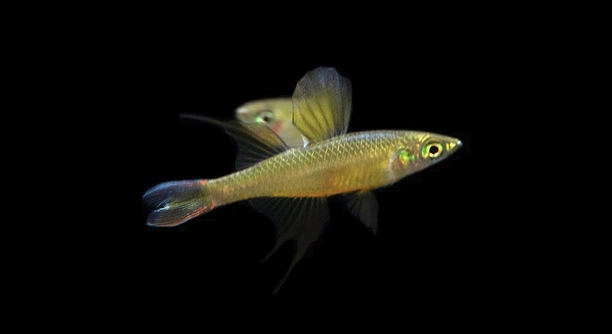
Threadfin Rainbowfish are small, colorful freshwater fish that brighten home aquariums with their shimmering scales. Many aquarists enjoy observing their behaviors and movements, noticing subtle differences in how each fish interacts with its environment and tank mates.
Research indicates that Threadfin Rainbowfish do exhibit individual personalities. Variations in activity levels, feeding habits, and social interactions suggest that each fish can behave consistently differently from others, reflecting unique temperaments influenced by genetics, environment, and early experiences.
Observing these differences adds a new layer of enjoyment to keeping Threadfin Rainbowfish, making their care more engaging and rewarding for aquarists.
Recognizing Personality Traits in Threadfin Rainbowfish
Threadfin Rainbowfish display distinct behaviors that can help identify their personalities. Some fish are more adventurous, exploring the tank actively, while others prefer to stay near plants or decorations. Certain individuals may be bold during feeding time, rushing to the front of the tank, whereas others hang back and observe. Social interactions also vary: some fish are more dominant, chasing or nudging others, while some remain calm and avoid conflict. Over time, patterns emerge, showing consistency in behavior that signals individuality. These traits are not just random; they are influenced by both genetics and environmental factors such as tank size, hiding spots, and companions. Observing these differences can make maintaining the tank more engaging, as it allows you to anticipate how each fish reacts to changes, such as new decorations, tankmates, or feeding schedules. Recording behaviors helps track each fish’s unique personality over weeks or months, making care more tailored.
Recognizing these traits improves overall tank harmony and allows adjustments for individual needs.
By paying attention to these subtle differences, I noticed my more timid fish gradually became more confident when given extra hiding spots. Meanwhile, the boldest fish continued exploring, even after several months. Feeding routines became more predictable, with some fish eagerly taking food first and others waiting. Tank decorations also influenced behavior, as certain fish preferred swimming around open spaces while others lingered in shaded areas. Understanding these patterns made it easier to manage aggression, ensure all fish received proper nutrition, and create a stable environment that respected individual personalities. Over time, the diversity in behavior made the tank more dynamic, turning observation into a rewarding experience. Consistency in these behaviors confirms that Threadfin Rainbowfish, like many other species, have personalities worth noting.
Impact of Environment on Personality
Tank setup plays a major role in shaping fish behavior.
Environmental factors such as tank size, water quality, hiding spots, and companions directly influence how Threadfin Rainbowfish behave. Larger tanks encourage exploration, while smaller tanks may increase stress and reduce activity. Plants, rocks, and ornaments provide hiding places that help timid fish feel secure, which can reveal their true personality when they feel safe. Even the placement of feeding zones impacts boldness, as fish may compete or take turns depending on confidence. Water temperature, pH, and clarity also affect activity levels. Regular changes or disturbances can alter behavior temporarily, but stable conditions allow personality traits to emerge consistently. Companions within the tank further influence social interactions; some fish become more dominant or submissive depending on the group. Observing how these factors interplay allows owners to create an environment that supports natural behaviors. Adjusting these elements helps each fish express individuality while maintaining harmony. A thoughtfully arranged tank not only improves fish welfare but also highlights the subtle personalities that make each Threadfin Rainbowfish unique.
Feeding Habits and Individual Behavior
Feeding time highlights personality differences in Threadfin Rainbowfish. Some fish are quick and assertive, swimming to the front immediately, while others hang back, taking their time or waiting for others to eat first. These habits remain consistent over time.
I noticed that certain fish always swam straight to the top when food was added, clearly showing their eagerness and confidence. Others waited near plants or tank edges, cautiously approaching only after a few seconds. These patterns helped me understand which fish are more dominant and which are more cautious. Adjusting feeding strategies, such as spreading food in different areas, allowed all fish to get their share without stress or conflict. Observing feeding behaviors over weeks made it clear that these habits reflect more than appetite—they indicate comfort levels, boldness, and social ranking within the tank.
Tracking feeding patterns also helped me manage aggression during mealtime. Some fish became territorial near the food, while others consistently avoided confrontation. By observing these behaviors, I could separate food areas or adjust the amount given to ensure all fish remained healthy and stress-free. The differences in feeding habits are small but meaningful, showing personality traits like confidence, caution, and adaptability. Over time, these subtle cues provided insight into each fish’s character, making me more attentive to individual needs and interactions.
Social Interactions Among Threadfin Rainbowfish
Interactions between tankmates reveal unique personalities and social preferences. Some fish naturally take on leadership roles, exploring first and asserting dominance, while others prefer to stay in groups or follow more confident individuals.
Dominant fish often swim boldly through the tank, chasing or nudging others gently, establishing a pecking order without causing harm. Submissive fish may retreat to corners or hiding spots, showing patience and caution. Over weeks, these behaviors remain consistent, reflecting individual temperaments rather than random movement. I noticed my bolder fish would often initiate group swims or lead exploration, while shy fish only followed when they felt secure. The balance between these traits helps maintain harmony, with each fish finding its comfort zone and role within the group. Social patterns also become clearer when adding new tankmates, as existing fish respond differently depending on personality, either welcoming newcomers or showing caution. Observing these interactions closely allows for better management of group dynamics and ensures all fish coexist peacefully.
Response to Tank Changes
Threadfin Rainbowfish react differently to changes in their environment. Some adapt quickly to new decorations, lighting, or water parameters, while others become cautious or hide until they feel secure. Individual responses are consistent over time.
I observed that a few fish explored new plants immediately, showing curiosity and confidence. Others stayed in familiar areas for hours or days, gradually adjusting. These reactions highlighted which fish are bolder and which are more reserved. Consistent observation during changes helps manage stress and ensures all fish remain healthy, while also allowing their personalities to shine in different situations.
Interaction with Other Species
When housed with different fish, Threadfin Rainbowfish display varied levels of social comfort. Some engage actively, swimming alongside newcomers or interacting freely, while others maintain distance and observe quietly. These differences highlight individual temperaments and tolerance levels, making compatibility important for mixed-species tanks.
Daily Activity Patterns
Daily routines can reveal personality traits. Certain fish remain highly active throughout the day, exploring every corner, while others prefer calm periods and minimal movement. Tracking these patterns helps understand energy levels, preferences, and how personalities influence overall tank dynamics.
Stress Responses
Stress responses vary among Threadfin Rainbowfish. Some react strongly to sudden movements or loud noises, while others remain relatively calm. Recognizing these differences allows for adjustments in care and tank management.
FAQ
How can I tell if my Threadfin Rainbowfish has a unique personality?
Observing consistent behavior over time is the best way to notice individuality. Some fish may always be bold, exploring new areas or swimming near the front of the tank, while others prefer hiding spots and cautious movements. Feeding habits, reactions to tank changes, and social interactions all reveal personality traits. Recording behaviors daily or weekly helps track differences and identify patterns. I found that my more reserved fish became confident only in familiar areas, while my bolder fish remained adventurous no matter the changes.
Do personalities change as Threadfin Rainbowfish grow?
While core traits tend to remain consistent, some behaviors evolve as fish mature. Juveniles are often more cautious or shy, gradually showing confidence as they grow. Environmental stability and social experiences also influence changes in activity levels and boldness. I noticed my fish became more social after a few months, particularly in larger tanks with plenty of hiding spots. Bold fish maintained their curiosity, while timid fish learned to explore more gradually. Age and maturity play a role, but each fish’s unique temperament remains recognizable.
Can Threadfin Rainbowfish become aggressive toward each other?
Aggression is usually mild and linked to establishing hierarchy rather than true hostility. Dominant individuals may chase or nudge others, but this behavior rarely causes harm if the tank is properly sized and contains enough hiding spots. I arranged my tank with plenty of plants and decorations, which helped prevent prolonged conflicts and allowed each fish to express personality without stress. Recognizing which fish are naturally more dominant or passive helps manage interactions and maintain harmony.
How do tank conditions affect their personalities?
Stable water parameters, sufficient space, and proper decorations significantly influence behavior. Fish in cramped or stressful environments may become shy or overly cautious, masking natural personalities. I adjusted tank layout and added more plants, which encouraged shy fish to explore and express their curiosity. Lighting and feeding locations also play roles: bright lights or crowded feeding areas can temporarily stress some fish, while calm conditions allow true temperament to emerge.
Do Threadfin Rainbowfish interact differently with other species?
Yes, social comfort varies widely. Some Threadfin Rainbowfish actively engage with new tankmates, while others maintain distance. I observed that bolder fish often swim near newcomers, while timid fish wait and observe. Compatibility depends on temperament and tank setup, ensuring peaceful interactions and reducing stress.
Will their personalities affect breeding behavior?
Personality traits can influence spawning and parental interactions. Confident, active fish often dominate breeding spots and courtship, while reserved fish may wait for safer moments. Providing adequate space and hiding areas encourages all fish to participate comfortably. In my experience, even shy individuals eventually showed interest once they felt secure, highlighting the importance of considering personality in breeding management.
How can I encourage shy Threadfin Rainbowfish to show more personality?
Gradual exposure to new areas, gentle feeding, and safe hiding spots help timid fish build confidence. I added plants and small decorations strategically, allowing reserved fish to explore at their own pace. Consistent routines, minimal disturbances, and observing without interference also encourage shy fish to reveal their natural behaviors over time.
Is it normal for some Threadfin Rainbowfish to be more active at night?
Yes, activity patterns vary individually. Some fish are naturally more exploratory during low light, while others prefer daytime activity. I noticed that my more cautious fish moved slowly in the morning but became active in dimmer lighting, highlighting differences in energy levels and comfort zones. Tracking daily routines helps understand these individual preferences and ensures feeding schedules match activity patterns.
Can I use personality traits to improve tank management?
Absolutely. Recognizing individual behaviors helps tailor feeding strategies, tank layout, and social management. Bold fish may need less encouragement to eat or explore, while timid fish benefit from quieter areas and gradual exposure to changes. I found that adjusting the environment according to personalities reduced stress and encouraged natural behaviors, making the tank more balanced and enjoyable.
Do personalities make them more fun to watch?
Yes, each fish’s unique behavior adds depth to observation. Over time, I could predict which fish would explore first, which would linger, and how they interacted. Noticing these differences makes daily care and observation more engaging and rewarding. Tracking individual personalities turns routine tank maintenance into a richer experience.
Final Thoughts
Threadfin Rainbowfish are small but captivating fish, and their individual personalities make them more than just colorful additions to a tank. Each fish has unique behaviors that become visible through daily observation. Some are bold and adventurous, exploring the tank and approaching food immediately, while others are more cautious, staying near plants or hiding spots. These differences are consistent and provide insight into each fish’s temperament. Over time, noticing these traits helps you understand how each fish reacts to changes, interacts with tankmates, and responds to feeding. Even small variations, like preferring a certain corner of the tank or swimming more actively at specific times, reflect personality. Observing these subtle differences can make caring for Threadfin Rainbowfish a more engaging and rewarding experience.
Creating an environment that supports individual personalities is essential. Tank size, decorations, hiding spots, and stable water conditions all influence how confident or cautious a fish becomes. I noticed that shy fish gradually became more comfortable when extra plants and safe spaces were added, while bold fish continued to explore freely. Feeding routines also highlighted personality traits, with dominant fish reaching food first and timid fish taking a more measured approach. By arranging the tank to provide security for all fish, it is possible to reduce stress and encourage natural behaviors. Personality differences are not just entertaining—they are practical for managing the tank. Understanding each fish’s tendencies helps maintain harmony, ensure proper nutrition, and create a more balanced social environment for all inhabitants.
Tracking the personalities of Threadfin Rainbowfish adds depth to daily care. Observing activity levels, social interactions, and responses to changes allows you to notice patterns over time. I found that documenting behaviors helped predict how fish would respond to new tankmates, decorations, or feeding methods. Bold and shy fish often require different strategies to thrive, and tailoring the environment accordingly ensures that all fish feel secure. While these fish are small, their behavior is complex, and each personality contributes to the overall dynamic of the tank. Paying attention to these differences not only improves care and reduces stress but also makes watching the fish more enjoyable. Seeing how individual fish react, adapt, and interact reveals the richness of their personalities and emphasizes the value of observing them closely.

Hello,
If you enjoy the content that we create, please consider saying a "Thank You!" by leaving a tip.
Every little bit helps us continue crafting quality advice that supports the health, happiness, and well-being of pets around the world, for pets of all shapes, sizes, and species.
We really appreciate the kindness and support that you show us!