
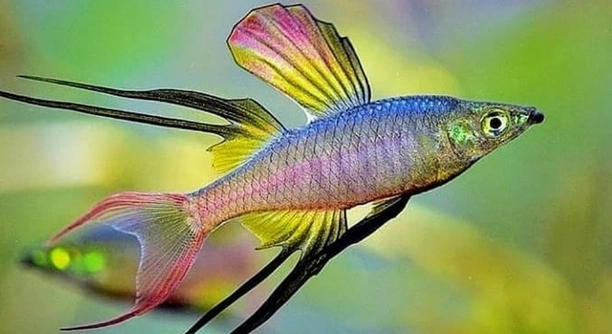
Threadfin Rainbowfish are small, shimmering fish often kept in home aquariums. Many owners notice them chasing their reflections, darting rapidly along glass surfaces, creating a lively and captivating display that draws attention and fascination.
Threadfin Rainbowfish chase their reflections primarily due to territorial instincts and social behavior. They perceive their mirrored image as another fish intruding in their space, prompting displays of aggression and interaction, which are natural responses to establish dominance and social hierarchy.
Observing this behavior offers insight into their natural instincts and provides a glimpse into the complex social life of these colorful fish. It also highlights the importance of understanding aquarium dynamics.
Understanding Their Reflection Behavior
When I first noticed my Threadfin Rainbowfish chasing their reflection, I was surprised by how determined they were. These small, agile fish move quickly along the glass, often bumping into it lightly while following the image they see. This behavior is not random. In the wild, these fish establish territories and react strongly to other fish that enter their space. Even in an aquarium, their instincts remain. The reflection on the glass simulates another fish entering their area. It triggers a mix of curiosity and defensiveness. Watching them, I realized it is both a form of play and a way to assert dominance. These bursts of movement also help them release energy and stay active, which is important in a contained environment. Understanding this behavior helps ensure they are comfortable, reducing stress and promoting healthier interactions within the tank.
Reflections act as a trigger for their natural instincts. This behavior is consistent among Threadfin Rainbowfish in captivity and observation.
Keeping a fish tank involves more than feeding. Providing space, hiding spots, and understanding behavior patterns ensures your fish thrive. Recognizing when chasing reflections is normal helps manage the tank environment. Watching them interact with reflections can also be surprisingly entertaining, giving a glimpse of their personality. It’s important to remember that this activity is instinctual, not aggressive, and does not necessarily indicate poor care. By observing their patterns, you can make small adjustments, such as repositioning decorations or adding plants to break lines of sight, which can reduce obsessive chasing. Over time, these measures promote a more relaxed and natural behavior, improving overall fish well-being and making the aquarium experience more enjoyable.
How to Manage Reflection Chasing
Minimizing excessive chasing starts with simple adjustments. Mirrors or shiny surfaces should be limited in the tank to reduce constant triggers.
Adding plants, rocks, or decorations can break up reflections and give the fish more visual boundaries. Providing sufficient swimming space helps them expend energy in healthier ways. Keeping multiple fish of similar size can sometimes diffuse aggression, as social hierarchies become more stable, reducing repeated attacks on reflections. Observing your fish regularly allows you to notice patterns in behavior, such as specific areas they target most frequently. Adjusting lighting and tank positioning can also reduce intense reflections that provoke chasing. Over time, these small changes create a calmer, more balanced environment. Consistent care, including water quality maintenance and proper nutrition, supports overall health, which makes the fish less reactive. In my experience, making these adjustments allowed my Threadfin Rainbowfish to display natural behaviors without constant stress, creating a more harmonious tank environment for everyone involved.
Feeding and Energy Levels
Threadfin Rainbowfish are active swimmers that need a balanced diet. Their chasing behavior is often linked to high energy levels, which proper feeding can help manage.
Providing a mix of high-quality flakes, live food, and occasional frozen options ensures they receive essential nutrients. Overfeeding should be avoided, as it can lead to lethargy or water quality issues. Feeding smaller amounts multiple times a day matches their natural feeding patterns and keeps them energetic without overwhelming the tank. Observing their behavior after feeding can indicate whether they are receiving the right portions and types of food.
I noticed when I adjusted feeding schedules, my fish spent less time obsessively chasing reflections. They still exhibited bursts of activity, but it was more playful than aggressive. This approach maintains their health and keeps their energy balanced, helping prevent stress-induced behavior that can affect tank harmony. Watching them swim freely after proper feeding feels rewarding, knowing their needs are met.
Tank setup also plays a role in their activity. Decorations and hiding spots help channel energy positively, preventing frustration and repetitive chasing.
Social Behavior and Tank Dynamics
Threadfin Rainbowfish are social creatures that interact constantly with other fish. Their chasing reflections can be influenced by the presence or absence of tank mates. A single fish may perceive its reflection as another competitor, while groups distribute attention, reducing obsessive behavior.
I arranged my aquarium to include multiple compatible fish and noticed a significant decrease in reflection chasing. The fish engaged more with each other, displaying natural schooling behavior and cooperative swimming patterns. Plants and rocks create visual barriers, reducing constant triggers from reflections. Observing these interactions over time helped me understand their social hierarchy, including which fish are more dominant or shy. Proper tank size is crucial, as overcrowding can increase stress and aggressive chasing. Providing both horizontal swimming space and vertical hiding areas allowed my fish to express natural behavior, maintain social balance, and reduce repetitive chasing. These adjustments improved the overall atmosphere of the tank, making it more dynamic and less stressful for all fish.
Lighting and Reflection Control
Bright lighting can intensify reflections, encouraging chasing behavior. Adjusting light intensity or positioning can reduce mirrored images on the glass.
I found that angling the light away from reflective surfaces helped my fish focus on swimming naturally, rather than obsessively following their own image. Simple changes made a noticeable difference.
Tank Decorations and Hiding Spots
Adding plants, rocks, and ornaments creates visual barriers that break up reflections. These additions provide hiding spots and enrichment, reducing repetitive chasing. Fish engage with their environment, promoting natural behavior.
Observation and Routine
Regular observation helps identify patterns in reflection chasing. Noting times, triggers, and responses allows adjustments in feeding, lighting, or tank layout to maintain a balanced environment.
Water Quality Maintenance
Clean water supports healthy behavior. Poor water conditions can increase stress and trigger more chasing. Consistent water changes and monitoring keep fish calm and active.
FAQ
Why do Threadfin Rainbowfish chase their reflections so often?
Threadfin Rainbowfish chase reflections because of natural territorial instincts. In a tank, a mirrored surface simulates another fish entering their space, prompting aggressive or defensive displays. This behavior is normal, especially in single-fish tanks or small setups where reflections are more noticeable. I noticed my fish reacted more strongly near certain corners where light created sharp reflections. Breaking lines of sight with plants or decorations significantly reduced the intensity of chasing while allowing them to remain active.
Is reflection chasing harmful to my fish?
Chasing reflections is not usually harmful, as long as it does not lead to constant stress or injury. Minor bumping into the glass is normal, but persistent obsessive behavior can indicate insufficient stimulation or a lack of hiding spots. When I added taller plants and rocks, my fish spent more time swimming naturally and less time chasing their mirrored image. Monitoring their behavior ensures that chasing remains a normal expression of energy rather than a stress reaction.
Can having multiple fish reduce reflection chasing?
Yes, adding compatible tank mates can reduce obsession with reflections. Social interactions provide alternative stimulation and establish a hierarchy that limits aggressive displays toward reflections. I added two more Threadfin Rainbowfish, and the chasing behavior decreased noticeably. The fish focused more on schooling together than engaging with their own images. Proper tank size is essential, as overcrowding can cause additional stress or competition. A balanced social environment keeps behavior natural and engaging for all fish in the aquarium.
Does tank size affect chasing behavior?
Tank size directly impacts how frequently fish encounter reflections. Smaller tanks increase the likelihood of mirrored images triggering chasing. In my experience, upgrading to a slightly larger tank allowed more space for natural swimming and exploration. Fish became less fixated on reflections, and activity appeared more playful than aggressive. Ensuring adequate horizontal and vertical space, along with decorations to break up open sightlines, supports mental stimulation while reducing obsessive chasing.
How does lighting influence chasing?
Lighting can either worsen or reduce reflection chasing. Bright, direct light often creates sharp reflections that catch the fish’s attention. I experimented by dimming the lights slightly and repositioning fixtures, which significantly reduced reflection-driven activity. Using diffuse lighting or placing the tank away from strong external light sources helps maintain calmer behavior without affecting overall visibility. Proper lighting balances the aesthetic of the tank with the fish’s comfort.
What decorations work best to minimize chasing?
Plants, rocks, and other ornaments create barriers that break up reflected images. Tall plants and layered decorations provide hiding spots and visual relief. I noticed my fish became more engaged with these elements rather than their reflection. Natural-looking layouts with sufficient swimming space encourage exploration, reducing stress-related chasing. Decorations also simulate natural environments, making fish more comfortable and promoting healthy social interaction.
Should I change feeding routines to control chasing?
Feeding schedules can influence energy levels and reflection-chasing intensity. Smaller, frequent meals keep energy balanced, reducing obsessive behavior. When I split daily portions into two feedings instead of one, chasing became less frantic, and fish engaged in more natural swimming and social interaction. Proper nutrition and regular feeding patterns contribute to both physical health and behavior management.
Can chasing reflections indicate aggression toward other fish?
Not necessarily. Reflection chasing is mostly directed at perceived intruders, not tank mates. Aggression toward real fish is usually more prolonged and includes chasing, nipping, or territorial defense. Observing interactions carefully distinguishes normal reflection behavior from actual aggression. My fish displayed strong reflection chasing but remained calm around real tank mates, showing that it was a natural territorial response rather than social hostility.
How can I tell if chasing is excessive?
Excessive chasing involves nonstop activity, signs of stress, or injury from repeated collisions with the glass. In my tank, I noticed this only when the tank layout created continuous reflections. Introducing barriers, additional fish, or enrichment elements helped reduce intensity. Monitoring frequency and duration helps determine whether intervention is needed to prevent stress or harm.
Can reflections be completely eliminated?
Completely removing reflections is difficult, but their impact can be minimized. Using matte backgrounds, adjusting lighting, and arranging decorations reduces mirrored surfaces. I placed a dark background and added tall plants along the glass edges, which helped my fish focus on swimming freely instead of fixating on their reflection. These changes promote a calmer, healthier environment.
Are some fish more prone to reflection chasing than others?
Yes, individual temperament and energy levels play a role. Some Threadfin Rainbowfish are naturally more territorial or curious, making them more likely to chase reflections. I observed variation even among fish of the same size and age; some ignored reflections entirely, while others were highly reactive. Recognizing these differences helps tailor tank setup and enrichment strategies to each fish’s behavior.
Does water quality influence reflection chasing?
Poor water quality can heighten stress, which may increase obsessive chasing. Maintaining stable conditions, including regular water changes, proper filtration, and monitoring parameters like temperature and pH, helps reduce stress-induced behaviors. In my experience, consistent water maintenance kept my fish calmer and more engaged in natural swimming, lessening time spent on reflection chasing.
Can behavioral enrichment reduce chasing?
Yes, adding objects that encourage exploration, like floating plants or interactive ornaments, redirects energy away from reflections. I included new plants and rearranged rocks periodically, and chasing decreased noticeably. Enrichment mimics natural habitats, encourages physical activity, and provides mental stimulation, resulting in calmer, more balanced fish behavior.
Is chasing more common in young or adult fish?
Chasing is more pronounced in young, energetic fish, though adults may also engage in it. Juvenile fish have higher activity levels and are more reactive to reflections. I observed younger Rainbowfish in my tank were particularly persistent with mirrors, while older fish showed interest but were less obsessive. This behavior naturally decreases with maturity, though environmental factors still influence its intensity.
Does reflection chasing affect breeding behavior?
Chasing reflections does not directly interfere with breeding but can indicate stress if excessive. Calm, well-stimulated fish are more likely to display normal courtship behaviors. In my experience, managing reflections and ensuring sufficient hiding spots supported both social interaction and breeding readiness. Healthy, relaxed fish showed increased interaction with each other, facilitating natural mating patterns.
Final Thoughts
Threadfin Rainbowfish are fascinating, energetic fish that bring life and color to an aquarium. Their habit of chasing reflections can seem unusual at first, but it is a natural expression of their instincts. In the wild, these fish establish territories and interact socially with other fish, and reflections in a tank simulate the presence of another fish. This behavior is not harmful on its own, but observing it can provide insight into how the fish perceives its environment. It also helps in understanding energy levels, social needs, and natural tendencies. Watching my own Rainbowfish, I realized that reflection chasing is a combination of play, curiosity, and territorial instinct. Their bursts of movement are impressive to observe and reflect their lively personalities. Recognizing this behavior as normal helps set realistic expectations for aquarium care. It also encourages more thoughtful tank design to support both mental and physical well-being.
Proper tank setup plays a significant role in managing reflection chasing. Decorations, plants, and rocks can break up reflective surfaces and provide hiding spots, reducing obsessive behavior. A well-planned layout offers both open swimming areas and sheltered zones, allowing fish to explore, rest, or avoid perceived intruders. Tank size is equally important; a small tank increases the likelihood of frequent encounters with reflections, while a larger space allows fish to move freely without constant triggers. Lighting adjustments also make a difference, as bright or direct light can create strong reflections that provoke chasing. In my experience, small changes like repositioning lights or adding taller plants near glass edges made the fish calmer and more engaged in natural swimming rather than fixation on reflections. Balanced feeding routines further support this, as energy is expended in healthy activity rather than stress-driven chasing.
Understanding the social aspect of Threadfin Rainbowfish also helps in managing their behavior. These fish are naturally social, and having compatible tank mates can reduce obsessive attention to reflections. When multiple fish are present, they interact with each other, forming social hierarchies that distract from mirrored images. Observing behavior over time allows for adjustments in feeding, tank arrangement, and enrichment to support natural activity. Maintaining clean water and stable conditions further ensures their health and comfort, as stressed fish are more likely to chase reflections excessively. Reflection chasing is a normal, instinct-driven behavior that, when understood, can be managed to create a balanced and visually engaging aquarium. Watching these fish thrive under careful care demonstrates that attention to both environmental and social factors fosters healthier, happier, and more natural behavior in Threadfin Rainbowfish.

Hello,
If you enjoy the content that we create, please consider saying a "Thank You!" by leaving a tip.
Every little bit helps us continue crafting quality advice that supports the health, happiness, and well-being of pets around the world, for pets of all shapes, sizes, and species.
We really appreciate the kindness and support that you show us!