
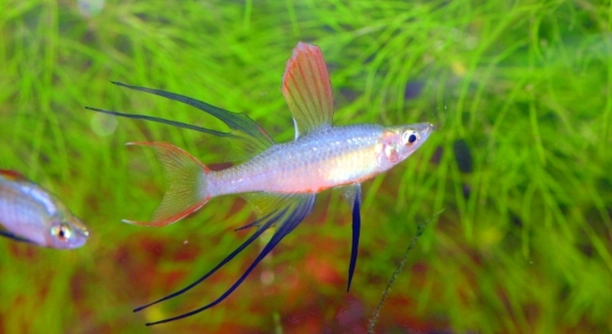
Do you ever find yourself arranging your aquarium and wondering if your Threadfin Rainbowfish notice the changes? These small, colorful fish are active and engaging, often catching the eye as they swim gracefully around their tank environment.
Threadfin Rainbowfish demonstrate a moderate ability to recognize their tank setup. Research indicates they can identify familiar structures, territories, and objects, which influences their swimming patterns, feeding behavior, and stress levels, highlighting their environmental awareness within controlled aquatic spaces.
Observing these fish closely can reveal subtle reactions to rearrangements, feeding schedules, and new decorations, offering insight into their adaptability and interaction with their habitat.
How Threadfin Rainbowfish Interact With Their Environment
Threadfin Rainbowfish are naturally curious and responsive to their surroundings. They tend to explore areas of the tank repeatedly, often returning to familiar hiding spots or decorations. Observations show that they can quickly adapt to minor changes in tank layout, although sudden major rearrangements may cause temporary stress. These fish rely on visual cues and spatial memory to navigate, which helps them establish territories and avoid potential threats. Their schooling behavior also influences how they perceive space; they often mirror the movements of other fish, creating patterns that indicate comfort or discomfort. Regular feeding routines and consistent lighting further reinforce recognition of the environment. Aquarists have noticed that these fish may linger near areas where they expect food, showing an understanding of cause and effect within their habitat. Overall, the interaction between Threadfin Rainbowfish and their environment is both dynamic and informative.
Their responsiveness to familiar decorations highlights their memory and routine-based learning in tank environments.
Monitoring these interactions can help ensure the fish remain healthy. Changes to the setup should be gradual, allowing fish to adjust. Observing swimming patterns, feeding behavior, and schooling reactions provides insight into their comfort levels. Noticing hesitation, avoidance, or unusual clustering may indicate stress or confusion. Simple additions, like plants or hiding spaces, can encourage natural behaviors and reduce tension. Maintaining a consistent routine for feeding and lighting also strengthens their ability to recognize the setup. Careful observation over weeks can reveal patterns, showing which areas they favor and how they respond to changes. This knowledge allows aquarists to create a stable, engaging environment that supports both physical health and behavioral enrichment. The subtle cues in their movements often tell more about their comfort than visible signs of stress. Understanding these patterns helps maintain a balanced and well-structured tank environment.
Signs Threadfin Rainbowfish Recognize Their Setup
Threadfin Rainbowfish often swim confidently around familiar areas, showing recognition of the tank layout.
Fish may respond to rearrangements by pausing, inspecting, or exploring new sections before resuming normal behavior. They can remember feeding locations and preferred hiding spots, demonstrating spatial awareness. Observing these reactions over time provides a clear picture of their adaptability. Recognizing familiar objects can also reduce stress and promote natural schooling behavior. Gradual changes in decor allow them to adjust without anxiety, supporting overall well-being. Visual markers, like plants or stones, help reinforce environmental recognition, while consistency in water parameters ensures comfort. The combination of routine, structure, and familiar landmarks forms the basis of their environmental memory and recognition skills. Aquarists can use this understanding to optimize tank setup for healthier, more confident fish.
Monitoring Threadfin Rainbowfish responses requires patience and attention to detail. Changes in swimming patterns, hesitation near new objects, or clustering in familiar areas indicate awareness and adaptation. Fish that quickly resume normal behavior after minor rearrangements show a strong recognition of their environment. Routine feeding spots and consistent hiding areas reinforce these patterns, helping reduce stress and encourage exploration. Aquarists can enhance recognition by introducing subtle landmarks or gentle rearrangements, which stimulate mental activity without causing distress. Additionally, observing interactions within the school can reveal hierarchy, territory preference, and comfort levels. Recognition also impacts feeding behavior; fish tend to anticipate meals when familiar cues are present. This understanding supports informed decisions about tank design, placement of decorations, and the timing of changes. Maintaining consistency while offering gentle environmental enrichment leads to healthier, more confident Threadfin Rainbowfish that thrive in their aquarium setting.
Tank Familiarity and Stress Levels
Threadfin Rainbowfish show less stress in familiar tanks. Sudden changes in layout or lighting can make them pause or hide, indicating discomfort. Gradual adjustments help them adapt and maintain normal swimming and feeding patterns, reducing overall stress.
Familiar tank structures provide safety cues for Threadfin Rainbowfish. When decorations or plants are consistent, fish navigate confidently, exhibiting natural behaviors. Stress indicators such as erratic swimming, darting, or hiding decrease when they recognize their environment. Regular feeding times strengthen their spatial memory, associating specific locations with meals. Fish can also establish territories around familiar objects, which supports social structure and reduces aggressive interactions. A stable environment encourages schooling and coordinated movement, reflecting comfort and adaptation. Observing these behaviors helps aquarists understand the impact of environmental familiarity on well-being.
Maintaining a consistent tank layout promotes both physical and mental health for Threadfin Rainbowfish. Slowly introducing new objects allows them to explore without stress. Watching their interactions with familiar and new items reveals adaptability and preferences. Stress management is also supported by steady water parameters, adequate hiding spots, and predictable feeding. Fish often return to recognized areas even after exploring new sections, showing memory and environmental awareness. Consistency encourages confidence, leading to active swimming, regular feeding, and natural schooling. Understanding these patterns aids in creating a secure and enriching habitat.
Recognizing Changes and Adaptation
Threadfin Rainbowfish can adapt to gradual changes, demonstrating memory and learning through exploration and cautious interaction with new objects.
When changes are introduced slowly, these fish assess their surroundings and gradually incorporate new elements into their daily routine. They often circle or pause near new decorations, observing and learning before fully engaging. Over time, they integrate these changes, adjusting swimming paths and hiding preferences. Memory plays a significant role; fish remember areas associated with feeding and safety. Repeated exposure reinforces recognition and reduces stress responses. Monitoring reactions allows aquarists to gauge adaptability and ensure environmental modifications support health. Behavioral observation highlights how changes influence confidence and comfort within the tank.
Fish exhibit varying rates of adaptation depending on personality and social dynamics. Some quickly explore and accept new structures, while others remain cautious. Adjusting tank elements incrementally allows hesitant individuals to observe from a distance without becoming stressed. Recognition of familiar items remains strong, guiding swimming patterns and feeding behavior. Aquarists can encourage adaptation by introducing small landmarks or rearrangements that stimulate curiosity without overwhelming the fish. Consistency in water conditions, lighting, and feeding routines enhances the adjustment process. Tracking individual responses helps identify preferred areas, safe zones, and interactions within the school, providing a clear picture of environmental adaptation and memory.
Memory and Spatial Awareness
Threadfin Rainbowfish rely on memory to navigate their tank. They remember hiding spots, feeding areas, and familiar objects, which helps them move confidently and reduces stress.
Spatial awareness guides their interactions with other fish. They avoid crowded zones and maintain comfortable distances, showing recognition of both environment and social space.
Responses to Rearrangement
When tank elements are rearranged, Threadfin Rainbowfish often investigate cautiously. They pause near new objects and swim around familiar areas to reestablish patterns.
These fish gradually integrate changes, adjusting swimming paths and hiding preferences while maintaining established feeding routines. Observation of these behaviors highlights adaptability and environmental recognition over time.
Environmental Cues and Behavior
Visual cues such as plants, rocks, and decorations influence movement and activity. Threadfin Rainbowfish use these markers to navigate and feel secure.
Consistency in Tank Conditions
Maintaining stable water parameters and feeding schedules reinforces recognition and comfort. Fish respond positively to predictable environments, showing less stress and more natural behavior.
FAQ
Can Threadfin Rainbowfish remember their tank layout?
Yes, Threadfin Rainbowfish can remember their tank setup to a notable extent. They recall hiding spots, feeding areas, and familiar decorations. This memory helps them navigate efficiently, reduces stress, and supports natural behaviors like schooling and territory preference. Observing repeated visits to certain areas is evidence of this recognition.
How quickly do they adapt to changes?
Adaptation varies depending on the size of the change and individual temperament. Minor adjustments, like moving a plant slightly, are usually accepted within hours or days. Larger rearrangements may require several days or weeks, during which fish often pause, inspect, and gradually explore new areas.
Do they show signs of stress with sudden changes?
Yes, sudden alterations in tank layout, lighting, or decor can trigger stress. Indicators include hiding, erratic swimming, and reduced feeding. Gradual changes reduce anxiety and allow fish to assess new objects safely while maintaining comfort and routine.
Do all Threadfin Rainbowfish react the same way?
No, individual personalities affect reactions. Some are bold and explore new items quickly, while others remain cautious and stick to familiar zones. Social dynamics also play a role, as dominant fish may claim new territory first, influencing others’ behavior.
How do feeding routines influence recognition?
Consistent feeding times and locations strengthen environmental memory. Fish learn to associate certain areas with food and often swim toward these spots in anticipation. This routine encourages confidence, reduces stress, and supports structured interactions within the school.
Can decorations impact their sense of familiarity?
Absolutely. Visual markers like plants, rocks, and ornaments provide reference points for navigation. Recognizable objects help Threadfin Rainbowfish establish territories, feel secure, and maintain natural behaviors. Removing or significantly altering these markers can temporarily confuse or stress them.
Do they interact differently with familiar vs. new objects?
Yes, fish approach familiar objects confidently while investigating new items cautiously. They may circle, pause, or hover near unfamiliar decorations before integrating them into their routine. Over time, they treat new objects like any other part of the environment once comfort is established.
How does schooling behavior affect recognition?
Schooling amplifies environmental awareness. Fish often follow peers’ paths, learning which areas are safe or preferable. Collective exploration of changes reduces individual stress, and coordination among school members reflects recognition of both physical space and social dynamics.
Is it better to rearrange the tank gradually?
Yes, gradual adjustments are more effective. Incremental changes allow fish to explore without stress and integrate new elements naturally. This method supports memory retention, reduces anxiety, and preserves normal swimming, feeding, and social behaviors.
Do water conditions affect their recognition ability?
Stable water parameters are crucial. Sudden changes in temperature, pH, or clarity can distract or stress fish, making environmental recognition less effective. Consistency ensures that their memory and adaptation focus on the layout rather than coping with physical discomfort.
Can older fish recognize their environment better than younger fish?
Older fish tend to show stronger recognition due to experience. They have established routines, learned hiding spots, and developed spatial memory. Younger or newly introduced fish may require more time to familiarize themselves with the tank and develop confidence in their surroundings.
How can aquarists encourage adaptation to new objects?
Introduce changes slowly, starting with one new decoration at a time. Allow fish to observe from a distance, maintaining familiar areas for comfort. Repeating exposure and keeping feeding routines consistent helps fish integrate new objects without stress, gradually reinforcing environmental recognition.
Do they retain memory of their tank if moved?
When moved to a new tank, memory of the previous setup is less relevant. They need time to establish recognition of the new environment. Using familiar decorations or similar layouts can ease the transition and reduce stress during acclimation.
Are there long-term benefits to stable tank layouts?
Yes, consistent layouts support reduced stress, improved feeding behavior, natural schooling, and better overall health. Fish develop strong environmental memory, confidently navigate the tank, and maintain predictable social interactions, which collectively contribute to well-being and longevity.
Can changes in lighting affect their recognition?
Lighting can influence visibility and comfort. Sudden changes may confuse fish temporarily, affecting their perception of familiar landmarks. Maintaining consistent lighting schedules helps reinforce environmental recognition and supports normal activity patterns.
Do Threadfin Rainbowfish respond to human interaction differently in familiar tanks?
They often show more confidence in familiar setups. Fish may swim closer to the glass or follow movement when they feel secure, reflecting both recognition of the environment and routine human presence, which can positively impact observation and care.
How do hiding spots contribute to recognition?
Hiding spots act as reference points and safety zones. Fish return to these areas regularly, reinforcing spatial memory and reducing stress. Changing or removing these locations can disrupt routines and cause temporary disorientation, highlighting their importance in environmental recognition.
Are their reactions to changes immediate or gradual?
Reactions are typically gradual. Fish pause and explore before adjusting behavior. Immediate responses may include hesitation or circling, but full adaptation occurs over hours to days, depending on the magnitude of change and the fish’s personality.
Does tank size influence their ability to recognize setups?
Yes, smaller tanks make recognition easier due to fewer landmarks and simpler navigation. Larger tanks require more memory and spatial awareness, and fish may take longer to familiarize themselves with all areas, especially when new objects are introduced.
What role does repetition play in environmental memory?
Repetition strengthens memory and recognition. Regular movement through familiar areas, repeated feeding locations, and consistent hiding spots reinforce spatial awareness. Over time, this repetition helps Threadfin Rainbowfish respond confidently to changes and maintain natural behaviors in their tank.
Final Thoughts
Threadfin Rainbowfish are more aware of their surroundings than they may seem at first glance. Observing them over time reveals patterns in their movement, interactions, and responses to changes in their tank. They rely on familiar decorations, hiding spots, and feeding locations to navigate confidently, showing that memory and spatial awareness are important aspects of their behavior. Even small adjustments to their environment can influence swimming patterns or cause temporary hesitation, demonstrating how attuned they are to their surroundings. By paying attention to these subtle signals, aquarists can better understand the fish’s comfort levels and preferences. Over time, this understanding helps create a tank environment that supports both physical health and behavioral enrichment. Fish that recognize their environment tend to swim more confidently, feed more consistently, and exhibit natural schooling behavior. These observations highlight the importance of consistency in tank layout and routine. Changes, when necessary, should be gradual to allow the fish to adjust without stress. Recognizing that these fish form routines and establish territories emphasizes that a well-structured tank benefits both their mental and physical well-being.
Environmental recognition is closely tied to stress management. Threadfin Rainbowfish respond noticeably to sudden or major changes in their tank setup. Signs such as hiding, erratic swimming, or hesitation indicate that the fish are assessing their surroundings and may feel uncomfortable. Gradual introductions of new plants, ornaments, or other decorations allow the fish to explore safely and integrate the new elements into their routine. Similarly, maintaining consistent lighting and water conditions supports environmental recognition, as it ensures the fish focus on spatial cues rather than coping with physical stressors. Feeding schedules also play a significant role. When fish can anticipate food at familiar locations, it reinforces their spatial memory and reduces anxiety. Observing these patterns provides insight into how fish perceive and interact with their environment. This level of awareness also underscores the value of patience in aquarium management. By giving fish time to adjust to changes and by maintaining familiar cues, aquarists can create an environment that feels secure and predictable, which supports both natural behavior and overall well-being.
Maintaining a stable, well-organized tank benefits Threadfin Rainbowfish in multiple ways. Familiar structures and consistent routines encourage exploration, natural schooling, and social interactions within the group. Fish that recognize their environment tend to display more confident and relaxed behavior, which reduces stress and promotes better feeding and growth. At the same time, small, gradual changes can be used to enrich the environment without causing disruption, stimulating curiosity and engagement. Observing how each fish responds individually allows aquarists to tailor adjustments to the needs of the group and the personalities of individual fish. Environmental recognition is not just about memory but also about building confidence and stability in their daily lives. Understanding these factors helps aquarists make informed decisions when arranging the tank, introducing new objects, or managing feeding routines. By prioritizing familiarity, stability, and gradual adaptation, aquarists ensure that Threadfin Rainbowfish enjoy a healthy, comfortable, and enriched environment where they can thrive and exhibit natural behavior consistently.

Hello,
If you enjoy the content that we create, please consider saying a "Thank You!" by leaving a tip.
Every little bit helps us continue crafting quality advice that supports the health, happiness, and well-being of pets around the world, for pets of all shapes, sizes, and species.
We really appreciate the kindness and support that you show us!