
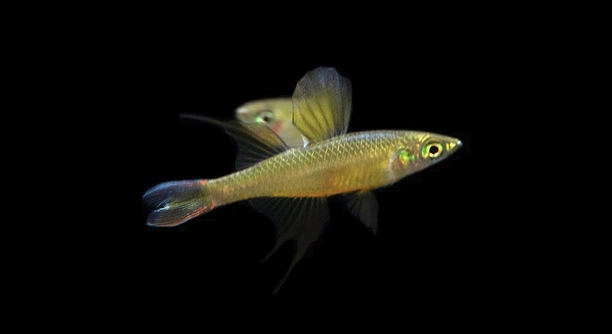
Are your tank-bound threadfins showing signs of unease when new fish are introduced? These sensitive creatures respond to changes in their environment with subtle and observable behaviors that reflect their comfort and adaptability in shared spaces.
Threadfins exhibit a variety of reactions when encountering new tankmates, ranging from cautious observation to territorial displays. Some may retreat to corners, while others investigate actively, and a few show aggressive tendencies to establish dominance or protect resources.
Recognizing these behaviors is essential for maintaining harmony in your aquarium. Observing threadfins closely allows for timely adjustments that promote a stable and peaceful aquatic environment.
Cautious Observation
When a new fish enters the tank, threadfins often begin with cautious observation. They may hover near familiar structures, watching the newcomer without approaching. This behavior is a natural way for them to assess potential threats and gauge the temperament of other fish. They rely heavily on visual cues and subtle movements to decide whether it is safe to interact. Some threadfins may stay close to the substrate or plants, seeking cover while still keeping an eye on their environment. Over time, these cautious fish gradually adjust, showing curiosity in short bursts before retreating again. Observing this pattern helps aquarists understand the social dynamics in the tank and predict which fish may require extra monitoring. By providing hiding spots and maintaining consistent water conditions, stress is minimized, allowing threadfins to approach newcomers on their own terms. This careful observation ensures both safety and the development of positive interactions.
Gradual exposure reduces stress and helps threadfins adapt without immediate confrontation, encouraging smoother integration with new tankmates.
Cautious observation is a key stage in acclimating threadfins. Their behavior indicates comfort levels and signals when intervention is necessary. By understanding these early reactions, tank owners can prevent potential aggression, ensuring peaceful coexistence. Threadfins use this period to map out territory, determine hierarchy, and establish a sense of security. Providing a structured environment with plants and decorations enhances their confidence. Even shy threadfins benefit from seeing newcomers from a safe distance, gradually learning that their presence is not threatening. This phase is critical for long-term harmony, and monitoring behavior closely allows for proactive adjustments. Proper introduction methods, including feeding in separate zones and maintaining stable water parameters, help reduce stress. Over days or weeks, the cautious threadfins begin showing interest and exploration without signs of fear or aggression. Recognizing and respecting these reactions ensures that the tank remains balanced and the fish remain healthy.
Territorial Displays
Threadfins sometimes assert dominance with territorial displays when new tankmates appear.
Territorial behavior may include chasing, fin flaring, or occupying prime spots in the tank. This behavior is not always aggressive but establishes hierarchy and protects resources. Observing these actions helps prevent stress and injury. Threadfins typically moderate their displays once boundaries are recognized, ensuring coexistence. Maintaining clear territories and providing multiple hiding spots reduces conflict, while consistent feeding routines minimize competition. Over time, these displays become less frequent as fish establish a balanced social order, allowing for a calmer environment. Understanding the nuances of these behaviors is essential to ensure the long-term health and comfort of all tank inhabitants. By responding appropriately, owners can encourage stable interactions while respecting the natural instincts of threadfins.
Territorial displays serve as a communication method among threadfins, allowing them to signal dominance and negotiate space. Aggression can escalate if the environment is overcrowded or hiding spots are limited. Providing enough space and visual barriers can prevent conflicts. Some threadfins may repeatedly patrol specific areas, particularly near feeding zones, demonstrating ownership and vigilance. Observing these behaviors allows for proper tank management and strategic placement of new fish. Not all threadfins respond identically; individual temperament influences the intensity of displays. Aquarists can separate overly aggressive individuals temporarily to reduce stress on the group. Awareness of territorial tendencies helps guide future introductions, ensuring new additions do not trigger undue stress. Consistency in tank maintenance, feeding schedules, and environmental stability supports peaceful interactions. Over time, fish often settle into their designated zones, reducing disputes. Monitoring both subtle and overt signals is key to maintaining a harmonious community aquarium.
Tentative Interaction
Threadfins often approach new tankmates cautiously, engaging briefly before retreating. These tentative interactions help them gauge the behavior and temperament of the newcomer while minimizing risk of conflict.
During tentative interaction, threadfins may swim close to the new fish, showing interest through slow, measured movements. They often stop periodically, observing reactions carefully before moving closer or backing away. This behavior is a mix of curiosity and caution, allowing them to evaluate whether the newcomer is a threat or potential companion. Tank layout influences this process, as open spaces encourage interaction, while dense plants may provide comfort zones for retreat. Over repeated encounters, threadfins learn the boundaries and habits of new tankmates, gradually building confidence to explore without fear. Feeding schedules and tank conditions also affect these interactions, as stable routines reduce anxiety. Observing the subtleties of tentative interaction provides insight into the social adaptation of threadfins and helps maintain a balanced aquarium.
Threadfins may combine swimming near newcomers with subtle fin movements, signaling interest without aggression. This gradual approach reduces stress and encourages peaceful coexistence over time.
Retreat and Hiding
Threadfins often retreat when feeling threatened by new tankmates, seeking secure areas to reduce stress. Their behavior may involve staying near plants, rocks, or corners to feel protected.
Hiding is a natural response that allows threadfins to assess their environment safely. They may spend hours or even days observing from secluded spots, monitoring the newcomer’s behavior. This retreat ensures they are not caught off guard, which could provoke unnecessary aggression or injury. The presence of multiple hiding spots is essential to reduce stress, as it allows each fish to claim a safe area. Over time, threadfins may emerge gradually, testing interactions in short, controlled bursts. Tankmates that are overly active or aggressive can prolong hiding periods, so monitoring behavior is crucial. Understanding this instinctive retreat helps owners provide a secure environment that promotes healthy social adjustment and reduces overall tension in the aquarium.
Some threadfins may combine hiding with slow, cautious movements around the tank. This strategy balances safety with observation, allowing them to respond quickly if needed.
Curious Approach
Threadfins sometimes swim closer to new tankmates, showing curiosity. They move slowly, inspecting the newcomer while maintaining a safe distance, signaling interest without aggression.
This behavior helps threadfins understand potential threats and allies. Gradual observation allows them to gauge how other fish behave, establishing comfort before full interaction.
Social Mimicking
Threadfins may copy the movements of new tankmates. This social mimicking helps them adapt to group behavior and establish familiarity in the shared environment. By following patterns, they learn acceptable swimming paths and feeding routines, reducing conflict and promoting peaceful coexistence.
Sudden Darting
Some threadfins respond to new fish with sudden darting. Quick movements allow them to escape perceived threats or reposition themselves safely within the tank.
How can I tell if my threadfins are stressed by new tankmates?
Signs of stress in threadfins include hiding more than usual, refusing food, or darting quickly around the tank. They may also display clamped fins, rapid breathing, or reduced interaction with their environment. Monitoring these behaviors early helps prevent long-term health issues.
What should I do if my threadfins are hiding constantly?
Provide additional hiding spots using plants, rocks, or decorations to help them feel secure. Avoid sudden changes in lighting or water conditions, as these can increase stress. Gradually introduce tankmates while allowing threadfins time to adjust at their own pace.
Is aggression common when introducing new fish?
Some aggression is normal as threadfins establish territory and hierarchy. This often includes chasing, fin flaring, or brief displays of dominance. Aggression usually decreases once boundaries are recognized, but consistent monitoring is necessary to prevent injury.
How long does it take for threadfins to adjust to new tankmates?
Adjustment times vary depending on the personality of the threadfins and the behavior of the newcomers. Some may acclimate within days, while others require weeks. Patience is essential, as forcing interaction can increase stress and trigger aggression.
Can I mix threadfins with other species safely?
Yes, with careful planning. Choose tankmates that are similar in size and temperament, avoiding overly aggressive or extremely passive fish. Providing multiple hiding spots, feeding zones, and open swimming areas reduces conflict and encourages peaceful coexistence.
Do threadfins need extra care during introductions?
Threadfins benefit from slow, controlled introductions. Using a divider initially or rearranging the tank to reduce territorial claims helps them adapt safely. Regular observation and stable water conditions support a smoother transition and reduce stress-related behaviors.
How do I reduce stress during feeding times?
Feed in multiple locations to prevent competition and reduce territorial disputes. Maintaining a consistent feeding schedule reassures threadfins, while using sinking or floating foods appropriate for their habits encourages natural foraging behavior and minimizes stress.
What role does tank layout play in behavior?
Tank layout directly influences how threadfins interact. Open spaces allow exploration, while dense planting or rocks provide security. Rearranging decor during introductions can prevent established territories from triggering aggression and help balance social interactions.
When should I separate aggressive individuals?
If chasing, nipping, or fin damage occurs consistently, temporary separation is recommended. Using a tank divider or quarantine tank allows fish to calm down, reducing injury risk and giving both newcomers and residents time to adjust peacefully.
How can I encourage positive interactions?
Gradual exposure, stable water parameters, and ample space promote safe interaction. Observing subtle cues, like slow approaches or fin movements, helps you understand comfort levels. Over time, threadfins build confidence and begin exploring together without stress.
Are there long-term effects of stress from new tankmates?
Chronic stress can impact immune function, growth, and overall health. Ensuring proper acclimation, providing hiding spots, and monitoring behavior reduces the risk of long-term consequences and supports a stable, harmonious tank environment.
Can lighting and water conditions influence reactions?
Yes, sudden changes in light or fluctuations in temperature, pH, or salinity can heighten stress. Maintaining stable, appropriate conditions helps threadfins feel secure and better adapt to new tankmates, reducing sudden darting or hiding behaviors.
What should I observe first when introducing a new fish?
Focus on initial reactions, such as cautious swimming, retreats, or subtle flaring. These early behaviors indicate comfort levels and help identify potential conflicts. Regular observation allows for timely intervention to maintain a peaceful environment.
Do threadfins ever initiate contact with new tankmates?
Yes, once they feel safe, threadfins may swim closer, mirror movements, or explore alongside new fish. These actions indicate increasing confidence and social acceptance, showing that the introduction is progressing successfully.
How important is patience during integration?
Patience is critical. Forcing interactions or rushing introductions can lead to prolonged hiding, aggression, or stress-related health issues. Allowing threadfins to explore and adjust at their own pace ensures smoother long-term relationships and a healthier, calmer tank.
Are some threadfins more social than others?
Individual temperament varies. Some are naturally curious and bold, approaching newcomers quickly, while others remain cautious. Recognizing these differences allows tailored strategies for each fish, ensuring all members adjust safely and stress is minimized.
What tools can help manage interactions?
Using dividers, rearranging decor, and providing extra hiding spots are effective tools. Observing reactions during feedings and adjusting tank layout helps reduce conflict and encourages peaceful coexistence between threadfins and newcomers.
Can stress affect feeding behavior?
Yes, stressed threadfins may eat less or avoid certain areas. Monitoring feeding habits ensures they receive adequate nutrition. Offering food in multiple spots and maintaining routine reduces stress-related feeding problems.
How do I know if integration is successful?
Successful integration is indicated by reduced hiding, minimal chasing, and gradual exploration together. Threadfins that swim confidently around new tankmates, share feeding zones, and show normal activity levels demonstrate peaceful coexistence.
Are there signs of long-term compatibility?
Consistent calm interactions, shared territories without aggression, and mutual foraging behaviors suggest compatibility. Observing these indicators helps predict stable social dynamics and maintain a harmonious aquarium environment.
How often should I monitor interactions?
Regular observation during the first days and weeks is essential. Monitoring allows for early detection of stress, aggression, or health issues, helping maintain balance and ensuring all fish adapt safely.
Does tank size affect reactions?
Larger tanks reduce conflict by providing space to establish territories and avoid direct confrontation. Sufficient room allows threadfins to explore, retreat, and interact at their own pace, improving social adaptation and reducing stress.
How can I encourage shy threadfins to interact?
Gradual exposure, consistent feeding, and strategically placed hiding spots encourage shy threadfins to emerge. Avoid sudden movements or rearrangements, and allow them to approach new tankmates on their own schedule.
Are there behavioral cues indicating acceptance?
Positive cues include slow approaches, mirroring movements, relaxed fins, and shared feeding areas. Recognizing these signs shows that threadfins feel safe and are building social connections within the tank.
What should I avoid during introductions?
Avoid sudden introductions, overcrowding, or abrupt changes in lighting or water. Minimizing stressors ensures threadfins can assess newcomers safely and reduces the risk of aggression or prolonged hiding behaviors.
How do I manage multiple new fish at once?
Introduce in stages if possible, providing space and hiding spots. Observing individual reactions helps identify potential conflicts. Gradual integration ensures smoother adaptation and reduces stress for all inhabitants.
Can decorations influence social interactions?
Yes, plants, rocks, and other structures create territories and safe zones. Thoughtful placement supports exploration, reduces aggression, and allows threadfins to retreat when necessary, promoting a balanced tank environment.
What long-term strategies support peaceful coexistence?
Maintaining stable water conditions, providing hiding spots, observing interactions, and avoiding sudden changes are key. Regular feeding routines, adequate space, and gradual introductions encourage confidence and lasting harmony among tankmates.
Is it normal for threadfins to revert to hiding occasionally?
Yes, even after successful integration, occasional retreat is natural. Changes in tank dynamics, lighting, or minor stressors can prompt temporary hiding. Allowing them space to adjust maintains comfort and reduces unnecessary conflict.
How do I prevent future conflicts?
Monitor territorial behavior, provide multiple hiding spots, avoid overcrowding, and introduce new fish gradually. Observing individual temperaments and adjusting the tank environment proactively minimizes stress and maintains peace over time.
Can environmental enrichment reduce stress?
Yes, adding plants, rocks, or varied substrates encourages natural exploration, provides security, and reduces boredom. Enrichment supports both physical activity and mental stimulation, improving overall well-being for threadfins.
How does feeding order affect interactions?
Feeding in multiple zones prevents competition and minimizes chasing or aggression. Threadfins can eat at their own pace, reducing stress and encouraging harmonious interaction with newcomers.
Are reactions different for juveniles versus adults?
Juveniles may be more timid, hiding or darting frequently, while adults assert territory more clearly. Recognizing age-based differences helps tailor introduction strategies and ensures smoother integration.
How do I handle persistent aggression?
Separate aggressive individuals temporarily and observe behavior. Rearrange territories or provide additional hiding spots. Persistent monitoring and gradual reintroduction reduce injury risk and allow all fish to acclimate safely.
Can threadfins form bonds with certain tankmates?
Yes, some threadfins develop preferred companions, swimming and feeding together. Positive associations indicate comfort and can guide future introductions to maintain social balance and reduce stress.
Do water temperature fluctuations impact behavior?
Yes, sudden temperature changes increase stress and may trigger hiding or aggression. Maintaining stable, appropriate temperatures supports normal behavior and smoother adaptation to new tankmates.
How important is gradual acclimation?
Gradual acclimation is essential for reducing stress, preventing aggression, and encouraging positive interactions. Threadfins need time to observe, explore, and learn about new tankmates safely.
Can I anticipate reactions based on personality?
Yes, bolder threadfins interact quickly, while shy individuals may require more time. Recognizing personality differences allows tailored strategies for introductions and long-term harmony.
How do I balance multiple reactions at once?
Monitor interactions closely, noting hiding, aggression, curiosity, and tentative behavior. Adjust tank layout, feeding zones, and introduction pace to accommodate all personality types, ensuring a stable social environment.
Are some reactions temporary?
Yes, behaviors like darting, hiding, or aggression often diminish as threadfins adjust. Temporary reactions indicate assessment rather than permanent incompatibility, highlighting the importance of patience and observation.
What is the best approach for long-term tank harmony?
Provide stable water conditions, ample space, hiding spots, gradual introductions, and regular monitoring. Observing individual behaviors ensures that threadfins and newcomers coexist safely, minimizing stress and maintaining a balanced aquarium environment.
Do threadfins communicate during these reactions?
Yes, fin displays, swimming patterns, and positioning signal intentions. Observing these cues allows for better management of interactions and prevents misunderstandings that could lead to aggression or stress.
How can I support shy newcomers?
Place them near hiding spots initially, reduce bright lighting, and allow observation without direct interaction. Gradual exposure and stable routines help them acclimate safely alongside established threadfins.
Are reactions influenced by past experiences?
Yes, previous interactions with aggressive or timid fish shape how threadfins respond. Recognizing past behavior helps predict reactions and plan introductions accordingly.
Do threadfins require individual attention during introductions?
Yes, monitoring each fish’s response ensures that stress, aggression, or fear is addressed promptly. Tailoring approaches to individual behavior reduces risk and supports smooth integration.
How do I know when the tank is balanced?
Peaceful swimming, minimal chasing, shared feeding zones, and normal activity levels indicate balance. Threadfins that interact confidently without stress suggest successful integration.
Can I prevent future stress by managing tank dynamics?
Yes, providing space, hiding spots, proper feeding, and gradual introductions reduces stress. Ongoing observation and adjustments maintain harmony and encourage healthy social behavior.
How often should I adjust the environment?
Adjust only when necessary, such as introducing new fish or managing aggression. Frequent changes can increase stress, while thoughtful modifications support confidence and positive interactions.
Do threadfins’ reactions change over time?
Yes, as they become familiar with tankmates and environment, initial hiding, darting, or aggression usually diminishes. Monitoring ensures that changes indicate healthy adaptation rather than stress.
Can observing reactions prevent long-term issues?
Yes, careful observation identifies stress, aggression, or health concerns early. Timely interventions maintain harmony and ensure the long-term well-being of threadfins and their tankmates.
Are multiple hiding spots always necessary?
Providing multiple hiding spots reduces stress, prevents conflicts, and allows shy fish to observe safely. Adequate coverage supports natural behaviors and improves overall tank harmony.
Do reactions vary depending on tank size?
Yes, smaller tanks intensify territorial behaviors and stress. Larger tanks allow space to retreat, explore, and coexist peacefully, making integration smoother.
Can feeding type influence behavior?
Yes, preferred foods may encourage confident exploration, while competition for limited resources can trigger aggression. Multiple feeding areas reduce conflict and stress.
Is it normal for reactions to fluctuate daily?
Yes, changes in light, water conditions, or tank activity can alter behavior temporarily. Consistent routines and careful observation help maintain stability.
How do I manage long-term coexistence?
Maintain stable water, adequate space, feeding zones, and hiding spots. Monitor individual behavior and adjust introductions gradually to support peaceful interactions and long-term harmony.
What is the most important factor in successful integration?
Patience, observation, and providing a secure environment are key. Understanding individual behavior and adjusting conditions ensures threadfins and newcomers coexist safely and comfortably.
Are reactions always predictable?
Not entirely. Personality, past experiences, and environment influence reactions. Careful monitoring and flexibility in management help address unexpected behaviors effectively.
Do threadfins adapt to multiple newcomers simultaneously?
Yes, if introductions are staged and sufficient hiding spots exist. Gradual exposure reduces stress and allows each fish to adjust safely without overwhelming the established group.
How can I reduce long-term stress?
Stable water parameters, consistent feeding, adequate space, hiding spots, and careful introductions minimize chronic stress. Observing behaviors ensures a balanced, harmonious environment.
Are darting and flaring normal reactions?
Yes, both are natural responses to assess threats or establish boundaries. Monitoring intensity and frequency prevents escalation into aggression or injury.
Do reactions indicate social hierarchy?
Yes, chasing, territory occupation, and subtle displays help threadfins establish a pecking order. Recognizing these behaviors informs management of interactions and space allocation.
Can I predict compatibility before introductions?
Observing temperament, size, and activity levels provides guidance, but behavior in a shared tank is the most accurate indicator. Gradual, monitored introductions remain essential.
Are reactions influenced by feeding competition?
Yes, limited food or high competition can trigger chasing, darting, or hiding. Providing multiple feeding zones and consistent schedules reduces stress.
Do threadfins ever ignore newcomers completely?
Yes, some individuals may observe passively without direct interaction. This behavior indicates comfort with distance and helps maintain peace in the tank.
Can reactions differ between morning and evening?
Yes, threadfins may be more active during certain periods, affecting hiding, darting, or curiosity. Observing at different times provides a complete understanding of behavior.
How can I prevent bullying?
Provide hiding spots, maintain space, and monitor interactions. Separating aggressive individuals temporarily and reintroducing gradually minimizes bullying and ensures safety for all fish.
Is it normal for shy fish to suddenly approach newcomers?
Yes, once confidence increases, shy threadfins may explore and interact briefly. Gradual progression indicates successful acclimation and reduced stress.
Do threadfins respond differently to male and female newcomers?
Responses are usually based on temperament and size rather than gender. Territorial displays and cautious observation occur regardless of sex.
Are environmental changes more stressful than new tankmates?
Significant changes, such as water fluctuations or rearranged decor, can trigger hiding or darting. Maintaining stability alongside gradual introductions reduces stress.
How often should I check for injuries after introductions?
Daily checks during the first week and then regularly afterward ensure early detection of damage from aggression. Quick intervention prevents worsening and supports recovery.
Can reactions predict future compatibility?
Yes, early signs like cautious interaction, reduced aggression, and gradual exploration indicate potential for peaceful coexistence over time. Monitoring helps plan long-term tank management.
Is it normal for dominant threadfins to patrol constantly?
Yes, patrolling establishes boundaries and reinforces hierarchy. Providing space and hiding spots allows others to coexist without conflict.
Do reactions differ if newcomers are larger or smaller?
Yes, size influences aggression, darting, and territorial behavior. Proper matching of size and temperament reduces stress and promotes peaceful integration.
Can temperature or lighting changes exaggerate reactions?
Yes, sudden shifts can trigger hiding, darting, or aggression. Maintaining consistent conditions helps threadfins adapt safely to new tankmates.
Are repeated introductions stressful?
Multiple introductions in short periods increase stress and hiding. Staging introductions with adequate observation allows smoother adjustment and minimizes chronic stress.
How do I ensure all fish are eating properly?
Monitor feeding zones, provide multiple areas, and observe individual intake. Adjust strategies for shy or subordinate fish to ensure proper nutrition.
Do threadfins ever form alliances?
Yes, some may swim or feed together, indicating social bonds. Recognizing alliances helps understand social structure and manage interactions effectively.
Are reactions stronger in smaller tanks?
Yes, limited space increases territorial displays, chasing, and hiding. Adequate room reduces stress and allows natural behaviors.
How can I support peaceful coexistence long-term?
Stable water, consistent routines, ample hiding spots, monitored interactions, and gradual introductions ensure a balanced and harmonious environment for threadfins and all tankmates.
Do reactions change with age?
Juveniles may be more cautious or shy, while adults assert territory. Understanding age-related behavior helps manage introductions effectively.
Is temporary separation sometimes necessary?
Yes, separating aggressive or overly stressed fish reduces injury risk and provides time to adjust before reintegration.
Can enrichment reduce negative reactions?
Yes, plants, rocks, and varied substrates encourage exploration, reduce boredom, and provide safe zones, decreasing aggression and stress-related behaviors.
Are some threadfins naturally bolder than others?
Yes, personality influences curiosity, aggression, and hiding tendencies. Tailoring introduction strategies to individual temperaments promotes smoother integration.
Does feeding order matter?
Yes, allowing timid fish access to food without competition reduces stress and ensures proper nutrition, supporting healthier interactions.
Do reactions indicate overall health?
Abnormal hiding, darting, or aggression may signal stress or illness. Monitoring behavior helps detect health issues early.
How can I maintain a balanced tank over time?
Regular observation, stable conditions, proper space, hiding spots, feeding routines, and gradual introductions support long-term harmony and minimize stress for threadfins and tankmates.
Is monitoring behavior more important than water parameters?
Both are crucial. Stable water prevents stress, while observing behavior ensures social harmony. Combining both approaches provides the best care.
Do reactions differ when introducing multiple species?
Yes, temperament, size, and activity influence interactions. Gradual introductions and observation reduce conflicts and allow safe adaptation.
How do I prevent territorial disputes?
Provide ample space, multiple hiding spots, and staggered introductions. Monitoring behavior
Final Thoughts
Introducing new tankmates to threadfins requires patience and careful observation. These fish react in many ways, from cautious observation and tentative interaction to sudden darting or territorial displays. Each reaction serves a purpose, helping threadfins assess their environment and determine how to interact safely. Understanding these behaviors allows aquarists to manage the tank more effectively and maintain harmony. Providing enough space, hiding spots, and a stable environment supports natural behaviors while minimizing stress. Over time, threadfins usually adjust to newcomers, gradually building confidence and learning to coexist peacefully. Observing their responses closely is essential for addressing potential issues before they escalate into aggression or injury.
Threadfins’ reactions are influenced by several factors, including personality, tank layout, water conditions, and the temperament of other fish. Some individuals are naturally bolder and approach new tankmates quickly, while others remain cautious and prefer to observe from a distance. These differences are normal and should guide the introduction process. For example, shy or timid threadfins benefit from additional hiding places and gradual exposure to newcomers, allowing them to adjust at their own pace. Dominant individuals may need more space or temporary separation to prevent excessive chasing or fin damage. Feeding strategies, such as providing multiple feeding areas and consistent schedules, also help reduce competition and stress. Careful attention to these details ensures that each fish can find comfort and security within the shared environment.
Maintaining a harmonious aquarium is an ongoing process. Even after threadfins and newcomers have settled, occasional stress or territorial behavior may still occur, especially with changes in tank dynamics or environmental factors. Regular observation is important to monitor health, behavior, and interactions. Adjustments such as rearranging decorations, adding hiding spots, or managing aggressive individuals may be necessary to maintain balance. A stable, well-structured environment encourages natural behaviors and reduces conflict, supporting the overall well-being of all fish. Ultimately, patience, careful monitoring, and attention to the specific needs of each threadfin and tankmate are key to creating a thriving community. By respecting their natural instincts and providing a secure environment, aquarists can foster positive interactions, reduce stress, and ensure that threadfins and their companions coexist safely and comfortably over the long term.

Hello,
If you enjoy the content that we create, please consider saying a "Thank You!" by leaving a tip.
Every little bit helps us continue crafting quality advice that supports the health, happiness, and well-being of pets around the world, for pets of all shapes, sizes, and species.
We really appreciate the kindness and support that you show us!