
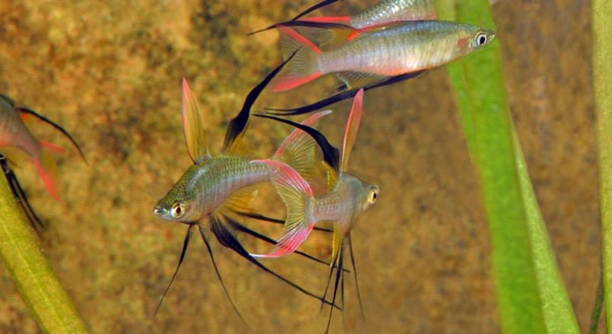
Do you ever notice your threadfin fish looking dull under certain lighting, losing the vibrant hues that usually make them stand out? Lighting plays a surprisingly significant role in how their colors appear to the eye.
Seven types of lighting are known to flatten threadfin coloration. These include overly harsh fluorescent lights, low-intensity LEDs, high-wattage incandescent bulbs, direct sunlight, certain halogen setups, standard office lighting, and mixed-spectrum lighting that lacks proper balance, affecting pigmentation visibility.
Understanding which lights impact your threadfin’s color can help you maintain its natural vibrancy. Small changes in lighting can make a noticeable difference in their appearance.
Fluorescent Lighting Effects
Fluorescent lights are commonly used in aquariums because they are energy-efficient and widely available. However, they can create a flattened appearance in threadfin coloration. The harsh, uniform light emitted tends to wash out subtle hues, particularly reds and blues, which are essential for showing off the fish’s natural vibrancy. Threadfins exposed to fluorescent lighting for prolonged periods may appear paler and less striking than under natural or balanced light sources. Many hobbyists notice that the same fish under daylight or LED setups looks brighter and more defined. This effect is not permanent, but it can influence the overall perception of color in the aquarium, affecting both enjoyment and photographic results. Adjusting the placement or type of fluorescent bulb can mitigate some of this impact. Alternating light cycles or supplementing with other light types can help maintain more natural pigmentation without causing stress to the fish, ensuring they retain their visual appeal.
Fluorescent lighting can make threadfin colors appear muted, especially the deeper reds and blues that define their vibrancy.
Threadfin fish under continuous fluorescent lighting often show reduced contrast between body patterns and fins. The light tends to scatter, eliminating the depth that makes certain color zones pop. Over time, this can result in a consistently duller look, even if the fish are healthy. Introducing a mix of lighting types or limiting fluorescent exposure allows colors to return gradually. Observing the fish at different times of day under varied lighting can help identify which setups enhance their natural shades, providing a balanced and attractive display in the aquarium.
Low-Intensity LED Lighting
Low-intensity LEDs are a popular choice for minimal energy consumption. They provide soft illumination but often fail to bring out the vibrancy in threadfin fish.
LEDs with weak output reduce the visibility of subtle color variations. Blues, greens, and reds may appear faded, giving the fish a washed-out look. Consistently low light can cause the fish to lose their visual appeal.
Threadfin coloration depends heavily on light intensity. Low-powered LEDs do not stimulate the pigments effectively, resulting in a subdued appearance. Adjusting LED output to a higher intensity or using LEDs designed for aquarium color enhancement can significantly improve how the fish look. Positioning lights strategically above the tank ensures the colors reflect naturally, giving the fish a more dynamic and vibrant presence. In many cases, combining moderate-intensity LEDs with short periods of natural daylight produces the most balanced visual results without stressing the fish. Observation and gradual adjustments are key to enhancing their natural coloration while maintaining a healthy environment.
Direct Sunlight Exposure
Direct sunlight can quickly flatten threadfin colors, making them appear pale or washed out. The intensity overwhelms natural pigments, especially during peak daylight hours, reducing the visual depth of reds, blues, and silvers.
Extended sunlight exposure often causes the reflective scales to lose contrast, diminishing the fish’s overall vibrancy. The brightness can make subtle patterns almost invisible, leaving the fish with a muted appearance. Additionally, sunlight increases water temperature and algae growth, which may indirectly affect coloration. Managing sunlight exposure with shaded areas or indirect lighting can preserve the fish’s natural hues while keeping the tank environment stable and healthy.
Many aquarists notice that fish colors revive when moved to controlled lighting. Balancing sunlight with aquarium lighting prevents the overexposure that flattens coloration. Using blinds, diffusers, or positioning the tank away from direct windows helps maintain the visual intensity of the threadfin’s scales and patterns, ensuring a consistent display throughout the day. Proper observation and gradual adjustment of light levels allow for both vibrant colors and a safe, comfortable environment for the fish.
High-Wattage Incandescent Lighting
High-wattage incandescent bulbs can overwhelm threadfin coloration, causing reds and blues to lose their intensity. The heat and strong glow often mask subtle gradients that make these fish visually striking.
The excessive warmth from incandescent lights can create reflections that wash out pigment depth. Threadfins under this lighting appear flatter and less detailed, as the bright, yellowish glow diminishes natural contrasts. Long-term exposure may stress the fish slightly, affecting both coloration and behavior. Adjusting wattage or switching to a softer, balanced light source can restore pigment visibility and maintain a healthier tank environment.
Balancing light intensity is essential for showcasing threadfin patterns effectively. Incandescent bulbs produce uneven light distribution, which can exaggerate some areas while flattening others. Positioning the light further from the tank or using diffusers softens the effect, preventing over-brightening. Some aquarists combine lower-wattage bulbs with LEDs to highlight color zones without overwhelming natural pigment. Careful management ensures threadfins maintain their visual appeal while avoiding unnecessary stress caused by extreme brightness, keeping the aquarium both attractive and comfortable for the fish.
Standard Office Lighting
Standard office lighting often lacks the spectrum needed to highlight threadfin colors properly. The cool, uniform light can make their scales appear dull and flat.
The absence of warm or balanced tones suppresses the vibrancy of reds and silvers. Threadfins under this light may look washed out and less defined, diminishing their natural appeal.
Mixed-Spectrum Lighting
Mixed-spectrum lighting that is unbalanced can flatten threadfin coloration by emphasizing some wavelengths while neglecting others. This uneven light distribution reduces the visibility of subtle color patterns.
Threadfins exposed to improperly balanced mixed-spectrum lighting often show muted blues and reds. Over time, the inconsistent illumination can make the fish appear less lively, as certain pigments fail to reflect fully. Adjusting the spectrum to cover both cool and warm tones allows natural coloration to emerge. Properly calibrated mixed-spectrum lighting enhances the depth and contrast of scales, restoring the visual vibrancy that makes threadfins stand out in the tank while maintaining a stable, healthy environment.
Halogen Lighting
Halogen bulbs can flatten threadfin colors by producing intense, concentrated light that overwhelms delicate pigmentation, especially in reds and blues.
FAQ
How can I prevent threadfin colors from flattening under aquarium lighting?
Maintaining proper lighting is essential to preserve threadfin vibrancy. Using balanced LED lighting or natural daylight with controlled intensity helps the fish reflect their full spectrum of colors. Avoid prolonged exposure to overly harsh lights, such as direct sunlight or high-wattage incandescent bulbs, as they wash out subtle pigmentation. Rotating lighting schedules and combining soft illumination with moderate intensity enhances depth in scales without stressing the fish. Observing the fish under different setups helps determine which lighting conditions best highlight their natural reds, blues, and silvers.
Can changing the type of light improve dull coloration quickly?
Switching to a more appropriate light type can improve appearance relatively quickly, often within a few days. LED systems designed for color enhancement or moderate mixed-spectrum bulbs help bring out muted reds and blues. Incremental adjustments allow the fish to adapt while restoring vibrancy. Gradual exposure to the new light avoids shocking their senses and prevents stress-induced color fading. It is also important to maintain water clarity and cleanliness, as murky water combined with inappropriate lighting reduces the effectiveness of any changes made.
Is there a difference between natural sunlight and artificial lighting for threadfin color?
Yes, there is a significant difference. Natural sunlight contains a full spectrum of wavelengths, which can highlight all areas of the fish’s coloration. However, too much direct sunlight can flatten colors and increase water temperature. Artificial lighting, when carefully balanced, can simulate sunlight without creating these issues. LED or mixed-spectrum bulbs allow precise control over intensity and wavelength, providing consistent results. Unlike sunlight, artificial lighting can be adjusted to suit the tank’s conditions, giving threadfins the opportunity to display their colors fully without the risk of overexposure.
Do water conditions affect how lighting impacts threadfin colors?
Absolutely. Water clarity and quality are just as important as lighting. Cloudy or dirty water scatters light and diminishes pigment visibility. Maintaining proper filtration and performing regular water changes ensures that light penetrates evenly, allowing the scales to reflect their natural hues. Temperature and pH also influence pigment expression. Proper conditions combined with balanced lighting enhance the fish’s appearance and prevent flattening, making both visual and environmental care essential for maintaining vibrant coloration.
How long does it take for threadfin colors to return after correcting lighting issues?
The return of full coloration can vary depending on the severity of prior flattening and the fish’s health. Typically, mild flattening can improve within days to a week after adjusting lighting. More pronounced dulling may take several weeks, as pigments gradually recover. Consistent, balanced lighting along with stable water conditions accelerates recovery. Observing subtle changes in red and blue zones helps track progress. Patience is important, as rapid shifts in lighting or environmental conditions can stress the fish and further suppress coloration rather than restore it.
Are certain bulbs better for enhancing threadfin colors?
Yes, bulbs that provide balanced, full-spectrum light are best. Moderate-intensity LEDs or carefully calibrated mixed-spectrum bulbs highlight natural reds, blues, and silvers effectively. Avoid low-intensity or overly warm bulbs, which can flatten colors. The placement of the bulb above the tank also matters; even distribution ensures all parts of the fish are illuminated evenly, avoiding shadows that reduce pigment visibility. Some aquarists combine different bulb types in rotation to maintain vibrancy throughout the day. Choosing bulbs designed specifically for aquariums or color enhancement ensures threadfins look their best.
Can stress impact how lighting affects color?
Stress plays a major role in color flattening. Even with ideal lighting, stressed threadfins can appear dull or muted. Causes of stress include overcrowding, aggressive tankmates, or sudden changes in water parameters. Proper lighting combined with a calm environment allows pigments to express naturally. Gradual light changes and stable routines help reduce stress and improve color consistency. Maintaining a balanced habitat ensures that the fish’s natural hues remain visible, rather than being suppressed by environmental or emotional factors.
Is it possible to permanently damage threadfin coloration with the wrong lighting?
Long-term exposure to overly harsh or unbalanced lighting can reduce pigment intensity, but permanent damage is rare if water conditions and nutrition are adequate. Recovery is possible with proper adjustments, though it may take time for pigments to fully redevelop. Avoid continuous direct sunlight, high-wattage bulbs, or excessively low-intensity light. Combining good lighting practices with proper tank care supports vibrant, sustainable coloration and reduces the risk of long-term flattening effects.
Can adjusting the duration of lighting improve color?
Yes, controlling light duration is important. Threadfins exposed to overly long periods of intense light may appear flattened or stressed. Limiting lighting to 8–10 hours per day mimics natural cycles and allows pigments to develop fully. Gradual changes in duration prevent sudden stress and support consistent coloration. Combining timed exposure with balanced intensity ensures that the fish’s natural reds, blues, and silvers are highlighted effectively while maintaining a healthy, comfortable tank environment.
Do diet and nutrition interact with lighting to affect coloration?
Diet enhances the effect of proper lighting. Nutrient-rich food containing carotenoids and other color-enhancing compounds supports pigment development. Even with perfect lighting, inadequate nutrition can make threadfins look dull. Combining a balanced diet with carefully controlled light intensity ensures that the fish reach their full color potential, providing the most visually striking display possible. Monitoring both factors together allows for predictable and sustainable results in maintaining vibrant coloration over time.
Final Thoughts
Threadfin coloration is highly influenced by lighting, and understanding how different types of light affect their appearance is essential for maintaining their natural vibrancy. Many common lighting options, such as fluorescent bulbs, low-intensity LEDs, and high-wattage incandescent lights, can flatten colors if not properly managed. Each light source interacts differently with the pigments in the fish’s scales, which is why observation and careful adjustments are so important. By choosing appropriate lighting and controlling its intensity and duration, you can preserve the depth and contrast that make threadfins visually striking. Attention to lighting not only enhances their colors but also contributes to a healthier, more stable aquarium environment, which is essential for the well-being of all tank inhabitants.
Proper lighting management works hand-in-hand with other factors in maintaining threadfin vibrancy. Water quality, tank placement, and stress levels all influence how colors appear under light. Clean, clear water allows light to penetrate evenly and reflect off the scales, making reds, blues, and silvers more pronounced. Stressful conditions, such as overcrowding, aggressive tankmates, or sudden changes in water parameters, can suppress pigment expression even with ideal lighting. Observing the fish daily helps identify changes in appearance, allowing timely adjustments in lighting or environment. Combining these practices ensures that the fish can display their full coloration naturally and consistently. Lighting alone will not solve all color issues; maintaining balanced nutrition and a stable habitat is equally important for sustaining long-term vibrancy.
Consistency and gradual adjustments are key when working with threadfin lighting. Sudden changes in intensity, type, or duration can shock the fish, leading to temporary or longer-term color flattening. Gradual introduction of new bulbs, changes in light cycles, or adjustments in tank placement gives the fish time to adapt while minimizing stress. Pairing this with a balanced diet that supports pigmentation ensures the natural colors are enhanced rather than suppressed. Monitoring how the fish respond to these changes allows you to fine-tune the setup, achieving the optimal balance for vibrant, healthy threadfins. Over time, a carefully managed lighting strategy combined with stable environmental conditions creates an aquarium that not only highlights the beauty of the fish but also supports their overall health, longevity, and well-being.

Hello,
If you enjoy the content that we create, please consider saying a "Thank You!" by leaving a tip.
Every little bit helps us continue crafting quality advice that supports the health, happiness, and well-being of pets around the world, for pets of all shapes, sizes, and species.
We really appreciate the kindness and support that you show us!