
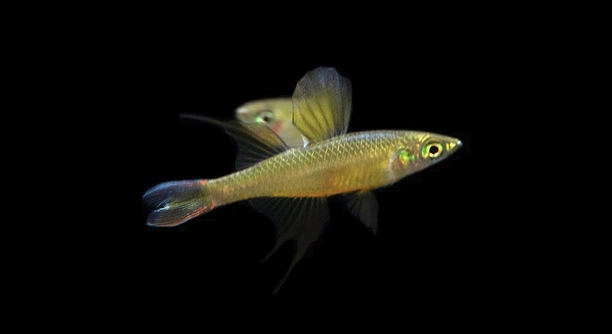
Do you enjoy watching your fish swim gracefully across the tank while going about their daily activities? Threadfin Rainbowfish are small, lively, and colorful, making them a delightful addition to any home aquarium environment. Their playful movements often catch attention.
Threadfin Rainbowfish are capable of learning patterns in their tank environment through repeated exposure to feeding times and daily routines. Their behavior adjusts over time, demonstrating an ability to recognize and anticipate regular events within their aquatic habitat.
Observing these behaviors can reveal insights into their intelligence and comfort level, offering a richer understanding of how they adapt to home aquariums. This knowledge enhances care and interaction with your fish.
How Threadfin Rainbowfish Recognize Feeding Times
Threadfin Rainbowfish are surprisingly consistent in noticing feeding patterns. Over several days, they begin to associate specific signals, such as the sound of food hitting the water or movements near the tank, with mealtime. This recognition is not just instinctual; it shows that these fish can learn through repetition and observation. I have noticed that when I approach the tank around the usual feeding time, they often gather near the front, anticipating food. Their movements are quick but coordinated, indicating awareness of the routine. Even small variations in feeding times can temporarily confuse them, but they quickly readjust, showing flexibility in their learned behavior. Regular feeding schedules create a sense of predictability, which reduces stress and encourages more active swimming. Over time, this behavior becomes a clear part of their daily pattern, demonstrating their capacity to learn and adapt to a controlled environment, reflecting both intelligence and comfort within their habitat.
Recognizing feeding signals enhances the bond between owner and fish, making daily interactions smoother and more predictable.
Consistency in feeding not only ensures their nutritional needs are met but also strengthens their adaptive behavior, showing how learning improves their overall well-being. Observing how they react to small changes, like moving the feeding dish slightly or introducing a new toy, highlights their capacity for routine adaptation. It is remarkable to see them adjust without panic, which reflects both memory and environmental awareness. Gradual changes can help maintain mental stimulation, keeping the fish active and engaged. Feeding time becomes more than just nutrition; it is a routine that provides structure, mental exercise, and a subtle form of communication. Understanding these patterns allows for a more attentive approach to care, making tank maintenance and interaction both efficient and enjoyable.
Training Patterns Beyond Feeding
Threadfin Rainbowfish can adapt to more than just feeding routines.
They often learn to navigate specific areas of the tank, recognize safe hiding spots, and respond to changes in decorations or plants. In my tank, introducing small obstacles led them to find new paths and explore different sections more efficiently. Over time, these adaptations show how they develop spatial memory and learn through trial and repetition. Environmental enrichment, like gentle rearrangement of plants or adding floating items, encourages problem-solving and mental engagement. Watching them investigate new objects reveals curiosity balanced with caution. These behaviors indicate that routine learning extends beyond food anticipation, influencing their interactions with the tank and each other. Their adaptability highlights intelligence that is often overlooked, suggesting that thoughtful observation and subtle changes can enhance both their comfort and cognitive development. Ensuring the environment remains stimulating yet predictable supports healthy behavior patterns.
Signs They Remember Daily Activities
Threadfin Rainbowfish often gather in familiar areas of the tank around consistent times. Their anticipation shows that they recall daily events, including feeding schedules and human presence, displaying memory and environmental awareness.
I have observed that these fish adjust quickly when minor changes occur in their tank. For example, when I slightly move a decoration near their favorite swimming spot, they investigate but return to their usual areas. Their response indicates they remember both the previous setup and the general layout, showing spatial awareness. Over days, they adapt to subtle shifts while maintaining recognition of key spots, which demonstrates learning and flexibility in their routines.
Behavioral cues, such as swimming near the surface during expected feeding times or congregating near hiding places at certain times of day, reveal memory retention. These patterns reflect how Threadfin Rainbowfish organize their activities around predictable events. Their learning is reinforced by repetition, making their daily movements both purposeful and efficient.
Benefits of Routine for Threadfin Rainbowfish
Consistent routines reduce stress and promote healthy behavior in Threadfin Rainbowfish, creating a stable environment for growth and interaction.
Establishing predictable feeding times and environmental cues helps them feel secure. When I maintain a schedule, the fish are more active, swim confidently, and show less erratic movement. This predictability allows them to anticipate food and adjust their swimming patterns, which encourages mental engagement and physical activity. Over time, a structured environment improves overall health and decreases aggression among tank mates. Maintaining consistency in tank care, including lighting, temperature, and feeding, further reinforces these positive behaviors. A stable environment also helps in monitoring health and detecting early signs of illness.
Daily routines also support social interaction within the group. Fish recognize both timing and space, coordinating their swimming and resting habits. Observing these patterns helps identify changes in behavior that may indicate stress or discomfort. By keeping routines steady, I notice smoother interactions, reduced competition for food, and overall calmer behavior. Structured care enhances their ability to learn and adapt while ensuring a balanced and healthy aquatic environment, benefiting both their physical and mental well-being.
Adapting to Changes in the Tank
Threadfin Rainbowfish show flexibility when small changes occur in their tank. Moving a decoration or slightly altering their swimming space initially draws curiosity, but they quickly adapt without stress, demonstrating memory and learning ability.
They respond to changes in feeding spots or lighting schedules as well. Gradual adjustments allow them to learn new patterns while maintaining comfort. Observing these adaptations shows that their routine learning extends beyond basic feeding behaviors, highlighting their capacity to adjust and thrive in a dynamic environment.
Observing Social Learning
Threadfin Rainbowfish can learn from watching other fish. When one fish reacts to a new object or feeding change, others quickly follow, copying movements or timing. In my tank, I noticed that introducing a new toy led one fish to investigate, and within minutes, the others joined, showing group learning. This behavior demonstrates that social observation reinforces their routines and helps them adapt more efficiently. They are capable of understanding the actions of others, which accelerates learning and reduces stress when changes occur. Social learning contributes to smoother interactions and a more cohesive group dynamic within the tank.
Encouraging Exploration
Providing new objects or rearranging plants encourages Threadfin Rainbowfish to explore, stimulating mental engagement and activity levels.
FAQ
Do Threadfin Rainbowfish really remember feeding times?
Yes, they do. Threadfin Rainbowfish are capable of recognizing patterns associated with feeding. Over several days of consistent schedules, they begin to anticipate mealtime, swimming near the front of the tank or gathering around familiar spots. Their behavior demonstrates memory and environmental awareness. I have noticed that even small changes, like moving the feeding dish slightly, initially cause curiosity but do not disrupt their ability to recognize feeding times. This shows that repetition reinforces learning and helps them adapt to predictable routines.
Can Threadfin Rainbowfish learn from other fish?
Absolutely. These fish often observe the behavior of their tank mates and adjust their own actions accordingly. For example, if one fish investigates a new object or responds to a feeding change, others often follow suit. I have seen that when I introduce a new decoration or small obstacle, the first fish explores cautiously, and within minutes, the rest join, showing how social observation helps them learn more efficiently. This social learning reduces stress and helps the group maintain a smooth routine while exploring or adapting to minor environmental changes.
How do I encourage my fish to adapt to changes?
Gradual adjustments are key. Threadfin Rainbowfish respond best when changes are introduced slowly, such as rearranging plants or adding new items to the tank. Sudden alterations can cause stress or hesitation. In my experience, minor daily changes allow them to explore safely and learn new patterns without panic. Observing their behavior helps identify when they are comfortable or when adjustments need to be paused. Maintaining consistent feeding and lighting while introducing environmental variations creates a balance between routine and mental stimulation, which encourages learning and keeps them active.
Do they recognize their owners?
Yes, they can. Threadfin Rainbowfish become familiar with the presence of people who care for them regularly. They often swim closer to the front when someone approaches at feeding times, indicating recognition and anticipation. I have seen that consistent interaction, such as feeding at the same time or gentle movement near the tank, reinforces this behavior. While they may not form bonds in the same way pets like cats or dogs do, their memory of repeated experiences makes them responsive to familiar humans.
How can I tell if my fish are stressed by routine changes?
Signs of stress include erratic swimming, hiding for extended periods, or reduced feeding activity. In my tank, I notice that sudden changes, like altering lighting or moving plants too abruptly, cause these behaviors. Gradual adjustments prevent stress and allow the fish to explore safely. Providing predictable feeding times and a stable environment helps them remain calm while learning to adapt to minor changes. Monitoring their reactions closely ensures that the routine supports comfort and mental engagement.
Is it necessary to keep a strict feeding schedule?
While strict timing is not absolutely required, consistency greatly benefits Threadfin Rainbowfish. Predictable feeding encourages learning, reduces stress, and helps maintain activity levels. In my experience, when feeding times vary too much, the fish become more cautious and less active, which can disrupt established patterns. Keeping a steady schedule allows them to anticipate food and maintain a healthy routine, reinforcing both mental and physical well-being.
Can these fish learn tricks or interactive behaviors?
Threadfin Rainbowfish can learn simple patterns, like swimming toward a specific area for food or responding to consistent visual cues. I have occasionally trained mine to recognize signals, such as tapping near the water surface before feeding. While they may not perform complex tricks, they demonstrate memory and adaptability through these small learned behaviors, showing intelligence that can be encouraged with patience and repetition.
Do all Threadfin Rainbowfish learn at the same pace?
No, learning speed varies between individuals. Some fish quickly recognize patterns, while others take longer to adjust to new routines or changes in the tank. In my tank, even within the same group, certain fish respond immediately to new feeding cues, while others observe first before following. Patience and consistency are essential for supporting all individuals in developing predictable behaviors and adapting to changes without stress.
How does routine affect their health?
Maintaining a predictable environment supports both mental and physical health. Threadfin Rainbowfish thrive in stable conditions with regular feeding, lighting, and tank maintenance. I have found that when routines are consistent, the fish are more active, swim confidently, and show fewer signs of stress or aggression. Structured routines also help in monitoring health and detecting early signs of illness, ensuring that the tank remains a safe and enriching environment for all inhabitants.
Can environmental enrichment improve their learning?
Yes. Adding new objects, rearranging plants, or gently varying the tank layout encourages exploration and mental stimulation. In my experience, providing small changes without disrupting the core routine improves problem-solving skills and keeps the fish engaged. This balance between stability and enrichment supports both cognitive development and overall well-being.
Are older fish less likely to learn new routines?
Older Threadfin Rainbowfish may take longer to adapt but still retain the ability to learn. I have observed that adult fish respond more cautiously to new changes, but with consistent cues and gradual adjustments, they successfully adapt. This shows that memory and learning abilities persist throughout their lifespan, although patience is needed when introducing new patterns or environmental shifts.
How important is observation for learning about my fish?
Careful observation is essential. Watching their responses to feeding, changes in the tank, or interactions with other fish provides insight into their learning and comfort levels. In my experience, spending time noticing subtle behaviors, such as swimming patterns or reaction to new items, allows for better adjustments to routines and environment, supporting their adaptability and overall health.
Do they react differently on weekends or irregular schedules?
Yes, irregular schedules can temporarily confuse them. I have noticed that when feeding times shift significantly, fish initially hesitate or swim cautiously. They quickly adapt if the change becomes consistent, but maintaining as regular a routine as possible is beneficial. Predictability strengthens learning and reduces unnecessary stress.
Can Threadfin Rainbowfish learn from visual cues alone?
They respond well to visual cues associated with feeding or environmental changes. For instance, hand movements near the tank or objects being introduced can signal food or activity. I have seen them swim toward these cues, showing recognition and anticipation. Visual learning reinforces routine and can be used to guide behavior effectively.
Do group dynamics affect learning?
Yes, social interactions play a role. Fish often observe and mimic each other, so group behavior reinforces individual learning. In my tank, when one fish discovers a new hiding spot or responds to a feeding signal, others quickly follow, demonstrating social learning. Group dynamics accelerate adaptation and make routine recognition more consistent.
Can learning prevent boredom?
Providing challenges and environmental changes keeps Threadfin Rainbowfish mentally stimulated. In my experience, simple rearrangements, toys, or varying feeding methods prevent repetitive behavior and encourage exploration. Learning new patterns helps maintain activity and engagement, which supports overall health and a balanced, stress-free environment.
How long does it take for a fish to learn a new routine?
It varies depending on the complexity and individual differences. Some fish may adapt within a few days, while others take weeks to respond reliably. In my experience, consistent repetition and gradual adjustments are key. Patience ensures successful learning without stress, allowing all fish to adjust comfortably.
Are there signs that a fish has mastered a routine?
Yes. Fish demonstrate mastery when they anticipate feeding, swim to expected locations without hesitation, or adjust confidently to minor environmental changes. In my tank, these behaviors show that repetition and observation have reinforced memory and adaptability, indicating that routines have been fully learned and internalized.
Can routine learning reduce aggressive behavior?
Consistent routines reduce stress, which in turn lowers aggression. I have observed that when feeding and environmental conditions are predictable, fish interact more calmly, defend territories less aggressively, and focus on routine activities. Stability helps maintain harmony and ensures a healthier social environment within the tank.
Does lighting affect learning routines?
Lighting consistency is important. Threadfin Rainbowfish respond to predictable light cycles, which cue feeding and resting behaviors. In my experience, sudden changes in lighting can temporarily disrupt routines, while steady schedules support anticipation, activity, and overall well-being. Proper lighting reinforces the learning of daily patterns naturally.
How can I track progress in their learning?
Monitoring reactions to feeding, environmental changes, and social interactions helps track learning. In my tank, keeping notes on behavior patterns and response times allows me to see which fish have adapted and which need more consistency. Observing regularly ensures routines are effective and helps maintain a healthy, stimulating environment.
Can they forget routines if conditions change too often?
Yes, frequent, unpredictable changes can disrupt learned patterns. I have noticed that irregular feeding times or constant rearrangement temporarily confuse the fish. However, they generally relearn routines quickly once conditions stabilize. Consistency is key to reinforcing memory and maintaining healthy daily behaviors.
Is there a limit to what they can learn?
Threadfin Rainbowfish excel at recognizing feeding, social, and environmental patterns but are unlikely to perform complex tricks. In my experience, they show intelligence through memory, anticipation, and adaptation, which is sufficient for thriving in a home aquarium. Simple, consistent cues maximize their learning potential and well-being.
How do stress and illness affect learning?
Stress or illness can reduce learning ability. When fish are unwell, they may ignore feeding cues, avoid exploration, or behave erratically. In my experience, maintaining stable conditions and monitoring health helps preserve learning capacity. Quick intervention ensures routines continue without negative impact on behavior.
Can learning routines improve lifespan?
Indirectly, yes. Routine supports mental and physical health, reducing stress and promoting activity. I have observed that fish with consistent schedules and enriched environments are healthier, more active, and better able to cope with environmental changes, contributing to overall longevity.
Do younger fish learn faster than older ones?
Generally, younger fish adapt more quickly, though older fish still retain learning ability. In my tank, juveniles respond almost immediately to feeding cues, while adults require more repetition. Patience and consistent reinforcement ensure that all ages benefit from predictable routines and environmental enrichment.
Are there signs of boredom if routines are too simple?
Yes, repetitive, unstimulating routines can lead to inactivity or aimless swimming. I notice that fish lose some curiosity if their environment never changes. Adding small variations, such as rearranging plants or providing novel objects, encourages exploration and keeps them mentally engaged while still maintaining predictable routines.
Does the tank size influence their learning?
Larger tanks require more spatial awareness, which may extend learning time. In my experience, fish in bigger tanks explore and remember pathways over days, gradually learning routes and key areas. Smaller tanks make pattern recognition faster but can limit exploration opportunities. Tank design should balance size, enrichment, and predictability for optimal learning.
How can I reinforce learned routines effectively?
Consistency, repetition, and gentle environmental cues are essential. I reinforce routines by feeding at the same time, maintaining stable lighting, and introducing minor changes gradually. Observing behavior ensures reinforcement is effective, helping fish retain learned patterns while staying active and healthy.
Do seasonal changes affect their routines?
Mild seasonal changes, such as slight temperature or daylight variations, can influence activity but usually do not disrupt learned routines. I have observed that minor adjustments are tolerated if feeding and care remain consistent, allowing fish to maintain patterns while adapting to environmental shifts naturally.
Are there signs that learning is incomplete?
Yes. Hesitation before feeding, confusion during minor tank changes, or inconsistent social responses indicate that learning is still developing. In my tank, these behaviors prompt me to maintain consistency and allow additional repetition to reinforce memory and adaptation until the routine is fully established.
Does diet variety influence learning?
Variety in diet can stimulate interest and encourage interaction during feeding, supporting learning. In my experience, mixing food types maintains engagement and helps fish associate specific cues with meals, reinforcing memory and daily routine recognition effectively.
How long should I maintain a routine for it to stick?
A few weeks of consistent repetition usually establishes a reliable pattern. I have noticed that Threadfin Rainbowfish respond best to steady schedules, and routines reinforced over time become deeply ingrained, supporting predictable, stress-free behavior.
Final Thoughts
Threadfin Rainbowfish are remarkable in their ability to learn and adapt to routines within a home aquarium. Their memory allows them to recognize feeding times, observe social cues, and adjust to minor environmental changes. I have seen firsthand how consistency in daily care—feeding at predictable times, keeping lighting stable, and maintaining familiar tank layouts—helps these fish feel secure and confident. Over time, the predictable patterns become part of their daily behavior, and it is clear that they are actively learning from their surroundings. Even small adjustments, like slightly moving a decoration or adding a new plant, can provide mental stimulation without causing stress, showing that these fish benefit from a balance of routine and gentle variation. This adaptability highlights both their intelligence and their responsiveness to a well-maintained environment, making their care more rewarding.
Maintaining a consistent routine not only supports mental well-being but also improves physical health. Active, engaged fish are more likely to swim confidently, explore their tank, and interact smoothly with other fish. When feeding times, lighting, and tank conditions are predictable, stress is reduced, aggression decreases, and overall tank harmony improves. I have noticed that irregular schedules or sudden changes can cause hesitation or erratic swimming, emphasizing the importance of consistency. Gradually introducing new elements, such as rearranged plants or small enrichment items, encourages problem-solving and exploration, keeping the fish mentally engaged. By observing their responses closely, it becomes easier to understand how each individual adapts, and adjustments can be made to support both learning and comfort. This approach ensures that the fish are not only physically healthy but also mentally stimulated, which is an important part of long-term care.
Finally, understanding the learning abilities of Threadfin Rainbowfish allows for a deeper appreciation of their behavior and needs. They are capable of social learning, adapting to minor changes, and remembering patterns, which means their environment should be designed with both stability and enrichment in mind. Over time, these fish demonstrate how structured routines can enhance daily life in the tank, creating a predictable yet engaging environment. Observing their behavior offers valuable insights into their comfort, intelligence, and social interactions. By maintaining a balance between routine, consistency, and subtle environmental changes, it is possible to create a thriving habitat that supports their learning, reduces stress, and promotes overall well-being. Caring for Threadfin Rainbowfish becomes more than just feeding and cleaning; it is about understanding patterns, anticipating needs, and creating a space that allows these fish to feel secure, active, and mentally engaged every day.

Hello,
If you enjoy the content that we create, please consider saying a "Thank You!" by leaving a tip.
Every little bit helps us continue crafting quality advice that supports the health, happiness, and well-being of pets around the world, for pets of all shapes, sizes, and species.
We really appreciate the kindness and support that you show us!