
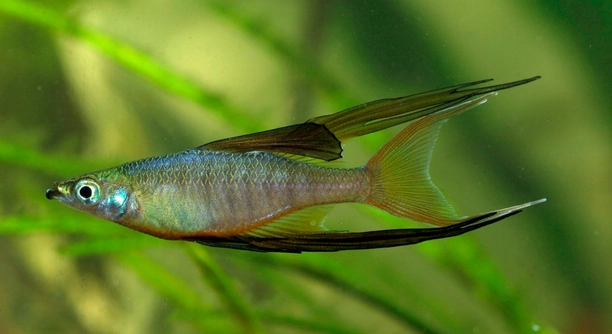
Threadfins are graceful fish often seen gliding near the water’s surface, their movements smooth and deliberate. They are sensitive to changes in their surroundings and can become noticeably alert when something unusual approaches their environment.
When threadfins sense they are being watched, they often alter their swimming patterns, increasing speed and maintaining a tighter formation. This behavior helps protect them from potential threats while keeping the group cohesive and alert.
Observing these subtle responses can reveal a lot about their instincts and social behavior in the wild. Their reactions are both fascinating and informative.
How Threadfins Detect Being Watched
Threadfins have highly developed senses that help them detect changes in their environment. Their eyes are adapted to notice movement and shadows, which can signal the presence of predators or other fish. When they feel observed, they often pause or adjust their swimming angle to assess the situation. Their lateral line, a sensory organ running along the side of their body, picks up vibrations in the water, alerting them to subtle shifts nearby. Even small ripples or sudden currents can trigger heightened awareness. These behaviors help threadfins stay safe and coordinated in their schools. Observing these responses provides insight into their natural instincts and survival strategies. Many times, threadfins respond without any apparent visual cue, relying purely on vibration detection. Their alertness ensures they can react quickly to threats, whether large or small. Each movement is deliberate, reflecting a balance between caution and normal daily activity.
Their keen awareness allows threadfins to stay safe even in crowded waters.
Understanding how these fish sense observers shows how finely tuned their survival instincts are. Their reactions can be subtle but consistent.
Group Dynamics Under Observation
When threadfins feel watched, they often tighten their formation to stay coordinated and reduce vulnerability.
In schools, threadfins rely on synchronized movements to navigate safely. Each fish adjusts its speed and direction based on the neighbors around it. When alert, they maintain a tighter formation, swimming closer together and often changing depth slightly. This behavior minimizes gaps, making it harder for predators to target an individual. The collective vigilance allows the group to react quickly to potential threats, whether from above or below. Their coordinated patterns reflect an instinctive understanding of safety in numbers. By maintaining cohesion, threadfins can also communicate subtle signals about danger or changes in the environment. These shifts are not random; they are deliberate adjustments to reduce risk. Observing how they alter spacing and swimming direction provides valuable insights into social structure and stress response. Threadfins show remarkable ability to balance individual awareness with group coordination, demonstrating complex behavior that supports survival in their aquatic habitat.
Responses to Predators
Threadfins respond quickly when they sense predators nearby. They may dart suddenly, change direction, or swim deeper to avoid detection. Their alertness is immediate and instinctual, helping them survive in environments with constant threats.
These fish rely on speed and agility to escape predators. When a threat is detected, threadfins often swim in tight, synchronized bursts that confuse attackers. The group’s cohesion allows individuals to react without colliding, maintaining safety while moving as one. They may also use sudden depth changes or zigzag patterns to throw off predators. These behaviors are automatic, driven by instinct and sensory input. The lateral line detects vibrations, while eyesight monitors movement, ensuring the group remains coordinated. Even minor disturbances trigger rapid responses, showing how vigilant threadfins remain. Their collective reaction demonstrates how social structure enhances survival, with each fish contributing to the safety of the school.
Threadfins also display caution when a predator passes by but doesn’t attack. They often resume normal swimming gradually, maintaining alertness while recovering. These behaviors highlight their ability to balance risk and routine in daily life.
Feeding Behavior Under Observation
Threadfins adjust their feeding habits when they feel watched. They become more cautious, often feeding in smaller groups or near shelter.
Observation affects how threadfins approach food. They may pause between bites, scan their surroundings more frequently, or shift locations to stay safer. Feeding near cover or among more fish increases protection. Some individuals wait for others to start eating first, reducing personal risk. These behaviors ensure that while hunger is addressed, vigilance remains a priority.
Feeding patterns under observation also show how social hierarchy influences access to resources. Dominant fish may assert their position, while subordinate threadfins feed more cautiously. This careful balance of alertness and nourishment highlights their adaptability. Changes in feeding speed, timing, or location are subtle but consistent when threats are perceived. Even in abundant conditions, threadfins maintain strategies that reduce vulnerability. This combination of instinct and social awareness ensures survival and effective resource use.
Social Interactions When Watched
Threadfins often change how they interact with each other when they feel observed. They become more reserved, keeping closer to their peers and avoiding unnecessary displays of dominance or aggression.
These subtle adjustments help maintain group cohesion and reduce risks. Fish that are too bold may draw attention, so staying close and calm keeps the school safer.
Resting Patterns and Alertness
Threadfins adjust their resting behavior in response to being watched. They may reduce the time spent in open water, choosing shaded or protected areas to stay alert while resting. This cautious approach balances the need for recovery with safety.
Communication Signals
Threadfins use subtle movements and body language to communicate when they feel observed. Quick flicks of fins or changes in swimming angle signal alertness.
FAQ
Why do threadfins act differently when they feel watched?
Threadfins are naturally cautious fish. When they sense someone or something observing them, their instincts trigger heightened awareness. This can cause changes in swimming patterns, feeding habits, or social interactions. Staying alert reduces the risk of predators or threats, helping them remain safe while navigating their environment. Their sensitivity is a survival mechanism, not unusual behavior.
How do threadfins detect they are being observed?
Threadfins rely on their vision and lateral line system to detect subtle movements and vibrations in the water. Shadows, ripples, or sudden changes in water flow can alert them to nearby observers. These sensory inputs allow them to react even if the observer is not directly visible, making them highly responsive to environmental changes.
Do threadfins always react the same way when watched?
No, reactions can vary depending on the situation, the number of fish in the school, and the perceived level of threat. Some may swim closer together, others may change depth or move toward cover. The intensity of the response is often influenced by past experiences or environmental conditions, showing flexibility in behavior.
Can observation affect their feeding habits?
Yes. Threadfins often become more cautious when eating under observation. They may pause frequently, feed near shelter, or follow the lead of other fish in the school. These changes help them stay alert while still obtaining necessary nutrition. Feeding behavior is closely tied to safety, so observation can subtly influence patterns over time.
Do threadfins communicate when they feel watched?
Threadfins use subtle signals to convey awareness. Quick fin movements, changes in swimming direction, or tighter grouping can communicate alertness to other members of the school. These cues help maintain group cohesion and coordinate responses, reducing the risk of a predator targeting an individual fish.
How does group size affect their response?
Larger schools tend to feel safer and may show less drastic reactions, while smaller groups are more cautious and responsive. In bigger groups, individuals rely on collective vigilance, so each fish doesn’t need to be as alert constantly. Small groups must compensate with heightened awareness and tighter formations.
Do threadfins return to normal behavior quickly?
Often, yes. Once the perceived threat or observation passes, threadfins gradually return to typical swimming and feeding routines. However, some may remain alert for longer if the environment is unfamiliar or potentially risky. Recovery time varies depending on the individual and overall school dynamics.
Can observing threadfins too closely stress them?
Excessive observation can increase stress levels, especially in confined spaces or areas with frequent human activity. Stress may manifest as erratic swimming, decreased feeding, or prolonged alertness. Maintaining respectful distance helps threadfins continue normal behaviors while minimizing unnecessary stress.
Are these behaviors unique to threadfins?
Many fish exhibit similar reactions when they feel watched, but threadfins are particularly responsive due to their social structure and sensory adaptations. Their coordinated movements, reliance on group safety, and acute sensory perception make their responses more noticeable than in some other species.
How can understanding these behaviors help in aquariums or research?
Recognizing how threadfins respond to observation can improve care and handling in aquariums or research environments. Adjusting observation practices, providing adequate hiding spaces, and minimizing sudden movements can reduce stress and allow the fish to behave naturally. This understanding also informs studies on social behavior, predator avoidance, and environmental adaptation in aquatic species.
Final Thoughts
Threadfins are remarkable fish with behaviors that reflect both their instincts and social nature. Observing them can reveal subtle details about how they react to their surroundings, especially when they feel watched. Their sensitivity to movement, changes in water flow, and vibrations highlights just how finely tuned their senses are. In many cases, a threadfin’s reaction is immediate, showing that they constantly process information from their environment. These responses are not random but are shaped by evolution to keep them safe. Their alertness, coordination, and quick reactions are survival strategies that help them navigate the challenges of life in the water. Even small adjustments in swimming speed, depth, or formation have a purpose, whether it is avoiding predators or maintaining cohesion within their school. Watching these behaviors in detail helps us appreciate the complexity of aquatic life, especially in species like threadfins that depend heavily on social interaction and environmental awareness.
Social behavior is an essential aspect of threadfin life. When feeling observed, they often stay closer to other members of their school and adjust their movements to communicate alertness. Subtle signals, like fin flicks or changes in swimming direction, help the group coordinate without drawing unnecessary attention. These social adjustments show that threadfins balance individual awareness with group safety. Their feeding behavior also reflects this balance, as they may approach food cautiously, wait for others, or feed near protective areas. These patterns demonstrate a combination of instinct and learned behavior, allowing them to respond flexibly to different situations. Even under observation, threadfins manage to maintain daily routines while minimizing risk. Their social interactions are guided by both hierarchy and instinct, ensuring that each individual benefits from the safety and coordination of the group.
Understanding threadfins’ reactions can help us better care for them in aquariums and study their behavior in the wild. By recognizing how observation impacts swimming, feeding, and social interaction, we can create environments that reduce stress and encourage natural behavior. Providing enough space, safe hiding spots, and minimal disturbances allows threadfins to thrive and display their full range of behaviors. Observing them carefully teaches us about the delicate balance between caution and normal activity. Their responses are a reminder of how adaptive and sensitive aquatic life can be. Learning about these fish encourages respect for their instincts and an appreciation for the intricate ways they interact with each other and their surroundings. By paying attention to these small but important details, we gain insight into the intelligence and adaptability of threadfins, making them fascinating subjects for anyone interested in aquatic life.

Hello,
If you enjoy the content that we create, please consider saying a "Thank You!" by leaving a tip.
Every little bit helps us continue crafting quality advice that supports the health, happiness, and well-being of pets around the world, for pets of all shapes, sizes, and species.
We really appreciate the kindness and support that you show us!