
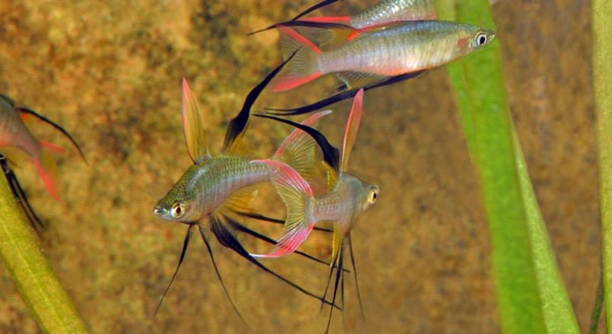
Are your aquarium fish acting strangely or showing signs of distress that worry you? Observing unusual behavior in your tank can indicate that something is off in their environment or care routine.
Recognizing warning behaviors in fish is crucial for maintaining a healthy aquarium. Aggression, loss of appetite, abnormal swimming patterns, or sudden hiding can signal illness, stress, or poor water conditions, requiring timely intervention to prevent long-term harm.
Identifying these signals early ensures your aquatic pets stay healthy and your tank remains a safe, thriving environment.
Sudden Loss of Appetite
When your fish suddenly stop eating, it is often a clear sign that something is wrong. Loss of appetite can be caused by illness, poor water quality, or stress from overcrowding or aggressive tankmates. Some fish are sensitive to changes in temperature, pH levels, or newly added chemicals. Even subtle shifts in their environment, such as a new filter or rearranged decorations, can impact feeding behavior. Watching for changes in how much and how often your fish eat helps identify early problems. Consistent observation allows you to act before a minor issue turns serious. Diet issues can also play a role; offering varied, high-quality food is important to maintain appetite and overall health. Certain diseases manifest with decreased eating, making it a critical behavior to monitor. Taking notes on feeding patterns over time can provide valuable insight into your tank’s overall condition. Addressing the cause promptly often restores normal feeding behavior.
Loss of appetite may indicate illness or environmental stress, requiring quick attention to prevent further health decline.
Tracking feeding habits carefully and adjusting tank conditions when needed can improve fish health. Offering fresh, suitable foods and monitoring water parameters keeps your fish active and nourished. Avoid sudden changes in temperature or overcrowding to maintain appetite and stability in the tank.
Erratic or Abnormal Swimming
Erratic swimming, such as darting, spinning, or swimming upside down, signals serious stress or health issues. Fish may behave this way due to water contamination, oxygen deficiency, or internal parasites. Observing when and how often this occurs helps pinpoint the problem. Poor water flow or incorrect tank decorations can also trigger abnormal movement. Fish may thrash near the surface if oxygen is low or struggle near the bottom if water quality is compromised. Stress from aggressive tankmates or overcrowding often makes fish swim unpredictably. Sometimes, this behavior appears intermittently, which can make diagnosis tricky. Maintaining clean, properly filtered water with stable temperature and chemical balance reduces erratic swimming. Regular tank maintenance and observation help prevent conditions that trigger this behavior. Certain illnesses may affect balance and buoyancy, requiring careful monitoring and treatment. Early intervention improves survival chances and restores normal swimming patterns in the tank.
Erratic swimming often indicates stress, poor water quality, or illness, needing immediate attention to protect your fish.
Regular testing of water, proper tank setup, and timely treatment are essential. Consistent maintenance, attention to water parameters, and adjusting tank conditions when needed prevent abnormal swimming behaviors. Isolation and treatment of affected fish can reduce spread of disease and restore balance in your aquarium.
Hiding or Lethargy
Frequent hiding or unusual lethargy often signals stress, illness, or poor water conditions. Fish that remain motionless or avoid open areas may be struggling to cope with their environment or tankmates.
Prolonged hiding can result from poor water quality, sudden temperature changes, or the presence of aggressive tankmates. Fish may retreat to decorations, caves, or plants to feel secure. Lethargy may also indicate internal parasites or infections affecting energy levels. Monitoring water parameters, maintaining a proper feeding schedule, and observing interactions among fish help identify the cause. Early detection of hiding and inactivity allows you to take corrective action, improving overall tank health.
Encouraging activity involves providing hiding spots without overcrowding the tank. Regular water changes, appropriate filtration, and stable temperatures help fish regain energy. Offering varied, nutritious food supports recovery and reduces stress. Observing behavior consistently helps maintain a healthy balance in the tank.
Color Fading or Spots
Changes in coloration, such as fading, dullness, or sudden spots, can indicate disease, stress, or poor nutrition. Fish may develop unusual markings or pale patches when their health is compromised.
Color fading often results from prolonged stress, poor water conditions, or nutrient deficiencies. Illnesses like ich, bacterial infections, or parasites can cause noticeable spots or blotches on the skin. Maintaining stable temperature, proper pH, and adequate filtration prevents many of these issues. Nutritional deficiencies can also dull natural coloration, so providing a balanced diet is essential. Observing changes in color over time allows early intervention, preventing worsening conditions. Some species are particularly sensitive to environmental changes, making prompt action necessary.
Spotting and addressing color changes involves water testing, proper diet, and monitoring tankmates. Treating infections early, adjusting lighting, and reducing stress restores natural coloration. Regularly cleaning the tank and avoiding overcrowding further support healthy skin and scales. Keeping a close eye on these visual signals helps maintain vibrant, healthy fish and a thriving aquarium.
Gasping at the Surface
Gasping at the surface often signals low oxygen levels or poor water quality. Fish may stay near the top to access more oxygen or escape toxins in the water. Immediate action is needed to prevent serious health issues.
Improving aeration, performing water changes, and checking filtration can quickly address this behavior. Observing how many fish gasp and their location in the tank helps identify the severity of the problem.
Clamped Fins
Clamped fins indicate stress, disease, or poor water conditions. Fish with fins held close to their body often feel uncomfortable or weak. Regular observation helps detect this early.
Rubbing Against Objects
Fish rubbing against objects may signal irritation from parasites or skin infections. This behavior can worsen if untreated. Monitoring and treating affected fish ensures relief and prevents the spread of disease.
FAQ
What should I do if my fish stop eating?
If your fish suddenly stop eating, check water quality, temperature, and pH levels immediately. Poor conditions often reduce appetite. Observe for signs of illness like spots, bloating, or unusual swimming. Offer varied, high-quality food to encourage eating, and isolate sick fish if necessary to prevent spreading disease.
Why is my fish swimming erratically?
Erratic swimming can result from stress, poor water conditions, or disease. Check oxygen levels, ammonia, nitrite, and nitrate concentrations. Ensure there is no overcrowding and that tankmates are not aggressive. Correcting water parameters and isolating affected fish can restore normal swimming patterns.
How can I tell if my fish are stressed?
Signs of stress include hiding, clamped fins, loss of appetite, or sudden color changes. Stress often results from poor water quality, overcrowding, aggressive tankmates, or sudden changes in temperature. Maintaining stable water conditions, providing hiding spots, and avoiding abrupt changes reduces stress levels.
What causes color fading or spots on fish?
Color fading can be caused by stress, poor diet, or illness. Spots may indicate bacterial or parasitic infections like ich. Ensure fish receive proper nutrition and stable tank conditions. Treating infections early helps restore vibrant coloration and prevents further health decline.
Why is my fish gasping at the surface?
Gasping usually signals low oxygen levels or toxins in the water. Check aeration, filtration, and water quality immediately. Perform partial water changes and increase surface agitation to improve oxygen levels. Continuous observation helps determine if the problem is persistent or isolated.
What does it mean when fish rub against objects?
Rubbing or scraping against objects indicates irritation from parasites or infections. Observe for visible white spots, redness, or frayed fins. Treat the affected fish promptly, maintain water quality, and isolate them if necessary to prevent the spread of disease.
How do I prevent clamped fins?
Clamped fins often result from stress, illness, or poor water quality. Maintain proper tank conditions, stable temperature, and adequate filtration. Avoid overcrowding and aggressive tankmates. Regular observation and early intervention help fish recover quickly and prevent long-term health issues.
Can diet affect fish behavior?
Yes, a poor or unbalanced diet can lead to lethargy, loss of color, and reduced appetite. Offer high-quality, species-appropriate foods and occasionally vary their diet. Nutritional support strengthens immunity and helps fish recover from stress or illness.
When should I test my aquarium water?
Water should be tested weekly for ammonia, nitrite, nitrate, pH, and temperature. Testing helps detect changes before they affect fish health. Promptly correcting any imbalances keeps fish active, reduces stress, and prevents disease outbreaks.
Is it normal for fish to hide sometimes?
Hiding is normal occasionally, especially for shy or nocturnal species. Persistent hiding or lethargy, however, may indicate stress, poor water quality, or illness. Provide hiding spots without overcrowding and monitor behavior to ensure a healthy environment.
How can I treat parasitic infections?
Parasitic infections require isolation of affected fish and treatment with appropriate medications. Maintain clean water, remove debris, and avoid overfeeding. Follow dosing instructions carefully, and monitor recovery closely to prevent recurrence or spread to other tank inhabitants.
What immediate steps should I take if multiple fish show warning behaviors?
First, test water parameters and perform partial water changes. Remove aggressive or sick fish if necessary. Observe behaviors closely and consult treatment guides for specific diseases. Prompt action prevents worsening health issues and ensures a safe environment for all tank inhabitants.
How do I know if behavior changes are temporary or serious?
Monitor frequency and duration of behaviors like hiding, gasping, or clamped fins. Temporary changes may occur after environmental adjustments, while persistent or worsening symptoms usually indicate illness or stress. Document observations to help identify patterns and guide intervention strategies.
Can overcrowding cause all these warning behaviors?
Yes, overcrowding increases stress, aggression, and competition for food, leading to hiding, loss of appetite, clamped fins, or erratic swimming. Ensure proper stocking levels for your tank size, and provide sufficient hiding spots and swimming space to reduce stress and maintain healthy fish.
Are there long-term effects if I ignore warning behaviors?
Ignoring warning behaviors can lead to disease spread, weakened immunity, or death. Early detection and corrective action improve survival rates, maintain vibrant coloration, and prevent further complications. Regular observation, proper diet, and water maintenance are critical for long-term fish health.
Can environmental changes trigger multiple behaviors at once?
Yes, sudden changes in temperature, pH, lighting, or decorations can stress fish and trigger hiding, clamped fins, gasping, or color fading simultaneously. Gradual adjustments and stable conditions minimize stress and maintain normal behavior in your aquarium.
How important is quarantine for new fish?
Quarantining new fish for 2–4 weeks prevents disease introduction and allows observation for warning behaviors. This practice protects existing tank inhabitants and reduces the risk of widespread health issues, maintaining a stable and thriving aquarium environment.
What role does filtration play in preventing warning behaviors?
Proper filtration maintains water quality by removing waste, debris, and toxins. Good filtration reduces stress, prevents disease, and keeps fish active. Regular maintenance and monitoring of filters ensure consistent water flow and a healthy habitat for all tank inhabitants.
Are there warning behaviors specific to certain species?
Yes, some species are more sensitive to environmental changes or aggressive tankmates. For example, tetras may show stress by hiding, while bettas may flare or refuse food. Understanding species-specific behavior helps identify early warning signs and provides targeted care.
How can I maintain consistent monitoring of my fish?
Observe your fish daily, noting appetite, swimming patterns, coloration, and interactions. Keep a log of water parameters, feeding habits, and behavior changes. Consistent monitoring allows quick intervention, reduces stress, and ensures a healthy, balanced environment for your tank.
How do I prevent stress-related warning behaviors long-term?
Maintain stable water parameters, provide hiding spaces, avoid overcrowding, and feed a varied diet. Minimize sudden environmental changes and monitor interactions among fish. Long-term care focused on consistency reduces stress, prevents disease, and encourages natural, healthy behavior patterns.
Final Thoughts
Maintaining a healthy aquarium requires consistent observation and care. Fish cannot tell us when something is wrong, so their behavior becomes the main way to understand their needs. Watching for warning signs like hiding, clamped fins, erratic swimming, or loss of appetite allows you to take action before problems escalate. Regularly checking water quality, including pH, ammonia, nitrite, and nitrate levels, ensures a stable environment. Proper filtration, adequate aeration, and consistent temperature are key to reducing stress. Even small changes in their surroundings, such as new decorations or rearranged plants, can impact behavior. By monitoring your fish closely, you can spot early signs of illness or stress and intervene quickly to keep them healthy.
Feeding plays a significant role in fish well-being. Providing a balanced diet appropriate for each species supports immune function and overall vitality. Overfeeding or feeding poor-quality food can lead to health problems, including water contamination and nutritional deficiencies. Observing how much your fish eat and adjusting portions accordingly helps prevent obesity or malnutrition. It is also important to understand the needs of each species, as different fish have unique dietary requirements and sensitivities. Offering variety in their diet can encourage natural feeding behaviors and maintain coloration. Combined with consistent tank maintenance, attention to feeding ensures your fish remain active and display normal, healthy behavior patterns.
Stress is a common factor behind many warning behaviors, and it often results from poor water conditions, overcrowding, aggressive tankmates, or sudden environmental changes. Providing hiding spots, maintaining proper stocking levels, and avoiding abrupt adjustments help reduce stress. Illnesses, parasites, or infections are easier to treat when detected early, which is why close observation is critical. Keeping a routine for water testing, partial water changes, and filter maintenance ensures that the tank environment remains stable. By understanding and responding to the signals your fish display, you can create a safe, thriving habitat. Consistent care and attention to both environment and behavior help prevent serious problems and allow your aquarium to remain a healthy, enjoyable space.

Hello,
If you enjoy the content that we create, please consider saying a "Thank You!" by leaving a tip.
Every little bit helps us continue crafting quality advice that supports the health, happiness, and well-being of pets around the world, for pets of all shapes, sizes, and species.
We really appreciate the kindness and support that you show us!