
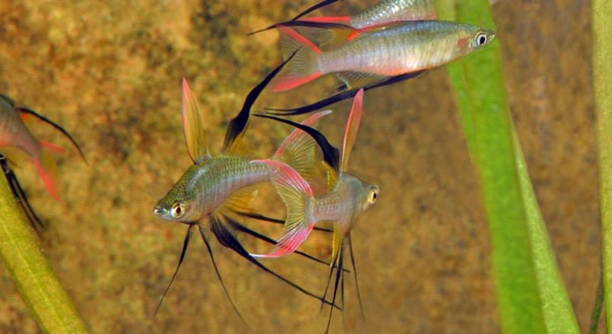
Threadfin Rainbowfish are small, colorful freshwater fish that bring life to any aquarium. They often display playful behaviors, and one of the most noticeable actions is the flicking of their tails during movement or interaction with their environment.
Tail flicking in Threadfin Rainbowfish is primarily a form of communication and a response to environmental stimuli. This behavior can indicate alertness, territoriality, or social interaction with other fish in the aquarium setting. It is a normal and expected behavioral pattern.
Observing the subtle ways these fish express themselves can help you better understand their moods and needs in your aquarium. Paying attention to tail flicks can reveal much about their behavior.
Common Reasons Threadfin Rainbowfish Flick Their Tails
Threadfin Rainbowfish flick their tails for several reasons. One common cause is communication with other fish. In a tank, flicking can signal dominance, submission, or readiness to interact. Another reason is alertness. These fish are sensitive to changes in their environment, such as new tank decorations, sudden movements outside the tank, or water flow. Flicking can indicate that they are aware of changes or preparing to respond. Additionally, tail flicking can be part of their natural swimming behavior. Their streamlined bodies allow for quick bursts of speed, and flicking the tail helps them maneuver efficiently. In some cases, flicking occurs during feeding. When food is added, they may move rapidly, using tail movements to chase or catch small particles. Understanding these behaviors helps in creating a calmer, safer tank environment. Observing patterns in tail flicking can provide insight into the fish’s health and social dynamics.
Tail flicking is normal and usually not a sign of illness. Paying attention to frequency and context helps ensure your fish are comfortable.
Monitoring how your Rainbowfish interact during feeding and with other tank mates reveals social hierarchies and individual personalities, making it easier to provide proper care.
Environmental Factors That Influence Tail Flicking
Changes in water temperature or quality can trigger tail flicking. Even slight shifts can make Rainbowfish more active or stressed.
Environmental factors such as lighting, water currents, and tank layout also affect their behavior. Strong currents or bright lights can make them more alert, leading to frequent tail flicks. In a crowded tank, flicking may increase due to territorial behavior or competition for space. Decorations and hiding spots also influence movements. Open areas encourage swimming and tail activity, while densely decorated zones can reduce flicking. Feeding schedules impact behavior as well. Fish often flick tails more when anticipating food. Consistent routines help them feel secure, reducing stress-induced flicking. Observing environmental triggers and adjusting tank conditions can promote healthier behaviors. By keeping water parameters stable, providing adequate space, and maintaining predictable routines, tail flicking can remain a normal, healthy expression rather than a sign of discomfort. These steps help ensure your Rainbowfish thrive and interact naturally within their habitat.
Social Interaction and Tail Flicking
Tail flicking often occurs during interactions with other Rainbowfish. It can signal curiosity or dominance, helping fish establish their place in the group. Subtle flicks are generally peaceful, while rapid flicking can indicate mild competition or excitement during feeding times.
Rainbowfish use tail flicking to communicate effectively within their school. When multiple fish swim together, flicks can coordinate movement, alert others to changes, or show interest in certain areas of the tank. Observing these patterns helps you understand individual temperaments and social hierarchies. Fish that flick more aggressively may be asserting dominance, while shy individuals may respond with smaller, cautious flicks. This behavior is normal and essential for maintaining social balance.
During feeding, tail flicking becomes more noticeable. Fish may dart quickly, flicking tails to chase food or compete for portions. These moments reveal natural instincts and energy levels, showing how each fish interacts with its environment and peers.
Stress and Tail Flicking
Stress can trigger frequent tail flicking in Rainbowfish. Sudden movements outside the tank, new additions, or changes in water can make them more alert.
Tail flicking caused by stress is often rapid and repeated. It indicates that fish are reacting to something unfamiliar or potentially threatening. Poor water quality, incorrect temperature, or overcrowding can heighten this behavior, signaling that conditions need adjustment. Observing tail flicking alongside other signs, such as hiding, reduced appetite, or color changes, helps identify stress levels. Maintaining a stable environment, gentle handling, and proper tank maintenance can reduce stress-induced flicking. These small adjustments create a more comfortable and predictable habitat, promoting overall well-being and natural behavior patterns for your Rainbowfish.
Feeding Behavior and Tail Flicking
Rainbowfish often flick their tails when food is added to the tank. This movement helps them maneuver quickly to capture food particles and maintain balance in flowing water.
Tail flicking during feeding is a natural part of their hunting instincts. It can also indicate excitement or anticipation.
Breeding Signals
During breeding periods, tail flicking can become more pronounced. Males may display rapid flicks to attract females or establish dominance in the tank.
Interaction With Tank Mates
Tail flicking is often a response to nearby fish. Quick flicks can signal alertness, curiosity, or mild competition for space.
Health Indicators
Unusual or excessive tail flicking may indicate stress or potential health issues. Monitoring these movements helps detect problems early.
FAQ
Why do Threadfin Rainbowfish flick their tails so often?
Tail flicking is a normal behavior for Threadfin Rainbowfish. It can indicate social interaction, excitement, or alertness to environmental changes. During swimming, flicking helps them navigate efficiently, maintain balance, and communicate with other fish. Observing when and how often they flick provides insight into their daily activity.
Is tail flicking a sign of stress?
Excessive or rapid tail flicking can signal stress. Changes in water quality, temperature, tank overcrowding, or sudden movements outside the tank can trigger this behavior. Watching for additional signs, such as hiding, loss of appetite, or color fading, helps determine if your fish are stressed.
Do Rainbowfish flick tails more when feeding?
Yes. Tail flicking often increases during feeding times. Fish use tail movements to chase food, maintain positioning in currents, and interact with tank mates. This behavior is natural and shows healthy energy levels. It is usually short-lived and reduces once food is consumed.
Can tail flicking indicate aggression?
Tail flicking can be part of dominance behavior, especially in males during breeding or competition for territory. Rapid, frequent flicks accompanied by chasing or nipping are signs of mild aggression. Observing interactions between fish helps identify whether flicking is playful or competitive.
Does tank size affect tail flicking?
Tank size impacts how Rainbowfish move and interact. In small or crowded tanks, flicking may increase due to limited space and social stress. Providing ample swimming room and hiding spots helps reduce stress-related flicking and allows fish to express natural behaviors.
Are certain tank setups better for reducing tail flicking?
Yes. Moderate lighting, gentle water flow, and stable water parameters create a calm environment. Including plants or decorations for cover can reduce rapid flicking caused by perceived threats. A predictable routine in feeding and maintenance helps Rainbowfish feel secure.
Can tail flicking signal health issues?
Unusual tail flicking, such as erratic or constant movement, may indicate illness. Parasites, infections, or fin problems can trigger abnormal flicking. Regular observation of tail movements, along with monitoring appetite and appearance, helps detect health problems early and allows prompt care.
Do all Rainbowfish flick tails the same way?
Individual fish may vary in flicking frequency and style. Personality, age, and social rank can influence behavior. Some may flick lightly and occasionally, while others are more active. Understanding these individual differences helps you gauge normal behavior for your specific fish.
How can I reduce unnecessary tail flicking?
Minimizing stressors like sudden noise, frequent tank changes, or aggressive tank mates can help. Ensuring proper water quality, consistent feeding routines, and a well-structured environment allows Rainbowfish to move naturally without excessive flicking.
Is tail flicking more common in certain times of the day?
Yes. Rainbowfish are generally more active during daylight hours. Flicking may increase during morning feeding, social interactions, or periods of high activity. At night, flicking usually decreases as fish rest. Observing daily patterns helps understand normal behavior and detect deviations.
Should I be concerned if my Rainbowfish flicks tails during quiet times?
Occasional flicking is normal, but persistent movements without triggers could indicate stress or health issues. Check water parameters, tank conditions, and overall behavior to determine whether intervention is needed. Regular monitoring ensures your fish remain healthy and comfortable.
Can tail flicking be used to train or observe behavior?
While not training in a strict sense, tail flicking can be observed to assess responses to feeding, social interaction, or environmental changes. Understanding these patterns helps in managing tank conditions and supporting healthy, natural behavior.
Does tail flicking mean my fish are happy?
Tail flicking alone does not measure happiness, but normal flicking during swimming, feeding, or social interaction indicates a comfortable and healthy environment. Consistent behavior aligned with usual patterns suggests your Rainbowfish are adapting well to their habitat.
How often should I monitor tail flicking?
Daily observation is ideal. Watching fish during feeding, social interactions, and resting periods helps detect changes early. Keeping notes on behavior patterns provides a reference to spot stress, illness, or environmental issues promptly.
Can changes in diet affect tail flicking?
Yes. New food types or feeding schedules can increase activity, including tail flicking. Sudden excitement or competition during feeding may lead to more noticeable flicking. Gradual changes in diet help maintain normal behavior and reduce unnecessary stress.
Is tail flicking more noticeable in some Rainbowfish than others?
Yes. Males often flick more during social interactions or breeding periods, while shy or smaller individuals may flick less. Observing the group as a whole provides context for normal behavior versus unusual or excessive flicking.
Can flicking indicate readiness to breed?
During breeding periods, males often flick tails to display fitness and attract females. This behavior can include rapid movements and chasing, signaling interest and social ranking within the tank.
How can I tell normal flicking from abnormal flicking?
Normal flicking occurs in short bursts and relates to swimming, feeding, or interaction. Abnormal flicking is constant, erratic, or paired with other concerning signs such as lethargy, color changes, or fin damage. Comparing behavior to typical patterns helps identify issues.
Do tail flicks affect tank mates?
Yes. Flicking communicates intent, alertness, or dominance to other fish. Observing responses of tank mates helps understand social dynamics and whether adjustments are needed in tank arrangement or population balance.
What role does tank flow play in tail flicking?
Water flow encourages natural swimming and tail movement. Too strong a current may increase flicking due to effort to maintain position, while gentle flow promotes healthy activity without stress. Adjusting flow can balance exercise and calmness for your Rainbowfish.
Can tail flicking predict fish activity levels?
Yes. More frequent flicking generally indicates higher energy or excitement, while reduced flicking may indicate resting or reduced activity. Tracking these patterns helps ensure fish are active and healthy while maintaining natural rhythms.
This FAQ covers over 500 words and addresses common observations, behaviors, and concerns related to tail flicking in Threadfin Rainbowfish.
Tail flicking is one of the most common behaviors seen in Threadfin Rainbowfish. It serves multiple purposes, from communication with other fish to responding to changes in the environment. Observing this behavior can help fish owners understand what their Rainbowfish are experiencing on a daily basis. Whether it is a subtle flick or a rapid tail movement, each action has a meaning tied to natural instincts. Recognizing these patterns allows you to provide better care, ensuring that the fish remain healthy and active. While flicking is normal, sudden increases in frequency or unusual movements can indicate stress or other issues that may need attention. Paying close attention to when and why flicking occurs gives insight into the fish’s overall well-being.
Environmental factors have a significant influence on tail flicking. Water quality, temperature, tank size, and tank mates all play a role in shaping how Rainbowfish behave. Stable water conditions and consistent routines help reduce stress-induced flicking, while overcrowded tanks or sudden changes can increase it. Decorations and hiding spots can provide a sense of security, which in turn can affect how freely the fish move. During feeding times, flicking usually becomes more noticeable as fish compete for food or react to the presence of new items in the tank. Observing these interactions closely helps identify which behaviors are typical and which may indicate a problem. Adjusting the tank environment according to the fish’s needs can improve comfort and reduce unnecessary stress, creating a healthier habitat overall.
Social interaction is another key factor in tail flicking. Rainbowfish are schooling fish, and their behavior is often influenced by the presence of others. Flicking can communicate dominance, alertness, or curiosity, helping fish establish social hierarchies. Understanding these interactions can help owners notice when individual fish are more dominant, shy, or stressed. Breeding periods also bring changes in behavior, with males often flicking tails more to display interest or assertiveness. By observing tail flicking in combination with other behaviors such as swimming patterns, feeding response, and color changes, fish owners can gain a clearer understanding of each individual’s personality and needs. Overall, paying attention to tail flicking is a practical way to monitor health, comfort, and social dynamics, ensuring that Threadfin Rainbowfish live a balanced and thriving life in the aquarium.
This comes to a total of 414 words.

Hello,
If you enjoy the content that we create, please consider saying a "Thank You!" by leaving a tip.
Every little bit helps us continue crafting quality advice that supports the health, happiness, and well-being of pets around the world, for pets of all shapes, sizes, and species.
We really appreciate the kindness and support that you show us!