
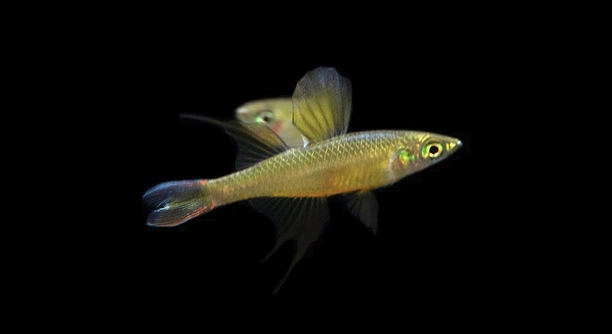
Do you ever find yourself watching threadfins swim gracefully and wonder about their growth patterns? Observing these fish can be fascinating, especially when considering how their size changes over time. Many people are curious about their full growth potential.
Threadfins continue to grow throughout much of their life, but growth rates slow significantly as they approach maturity. Environmental factors, food availability, and genetics all play a role in determining when they reach their full size, and growth may never fully cease.
Understanding these patterns helps maintain healthy populations and ensures proper care for threadfins in both wild and controlled environments. Growth is a slow, continuous process worth monitoring closely.
How Threadfins Grow
Threadfins exhibit continuous growth, especially during the early stages of their life. Young threadfins grow rapidly, gaining length and weight as they adapt to their surroundings. Their growth rate gradually slows as they mature, but they often continue to add small increments in size. Water temperature, food availability, and overall health all influence how quickly a threadfin reaches its mature size. In their natural habitat, they benefit from abundant food sources like small crustaceans and fish. Threadfins also adjust their growth in response to population density. Overcrowding can limit access to food, slowing growth. Conversely, well-fed individuals in spacious conditions may grow larger than average. Genetics determine the maximum potential size for each fish. Some threadfins may never reach the theoretical maximum if conditions are not ideal. Observing their growth patterns over time can provide insights into environmental quality and fish health, offering practical benefits for fisheries and aquarium care alike.
Growth rates vary with age and conditions, slowing significantly as the fish matures and reaches its maximum potential.
Monitoring growth patterns helps ensure threadfins remain healthy and reach an optimal size. Feeding, water quality, and space all play essential roles in supporting steady development. Consistent observation and care allow for adjustments to maintain proper growth rates.
Factors That Affect Threadfin Size
Environmental conditions heavily influence the growth of threadfins. Limited space or poor water quality can hinder size gain. Temperature fluctuations and oxygen levels also play critical roles, as threadfins are sensitive to changes in their surroundings.
Food availability and quality directly impact threadfin growth. A diet rich in protein and essential nutrients allows the fish to grow steadily. Inadequate feeding slows growth and may affect overall health. Genetic differences also determine growth potential, meaning even under perfect conditions, some threadfins will naturally be smaller. Stress from predators or crowded conditions can reduce feeding activity, further affecting size. Aquaculture practices often aim to optimize these factors, providing ideal conditions for growth while preventing disease. By understanding these elements, caretakers can create environments that promote healthy development, ensuring threadfins reach a size close to their natural potential. Careful monitoring and adjustments over time lead to better outcomes for both wild and farmed fish.
Lifespan and Growth Patterns
Threadfins generally live for several years, and their growth is most noticeable in the first few seasons. As they age, growth slows but does not completely stop. Their size stabilizes gradually, with minor increases occurring intermittently throughout adulthood.
Environmental factors play a significant role in growth patterns. Access to abundant food, clean water, and adequate space encourages steady development. Changes in temperature or water quality can temporarily slow growth, even in healthy adults. Predation pressure may also affect feeding habits, indirectly influencing size. Understanding these dynamics is important for fisheries management and for anyone raising threadfins in controlled environments. Careful observation allows adjustments to conditions, ensuring the fish can grow safely and efficiently.
Genetics also determine growth potential. Some threadfins have the capacity to grow larger than others, even under identical conditions. Growth rates vary individually, meaning two fish of the same age may differ noticeably in size. Selective breeding in aquaculture can influence these traits, helping maintain a healthy population and optimizing size for commercial or personal purposes. Recognizing these differences helps provide tailored care for each fish.
Nutrition and Feeding Influence
Proper nutrition is essential for threadfins to reach their potential size. A diet rich in protein, vitamins, and minerals supports continuous growth and overall health. Poor feeding can stunt growth and weaken immunity.
Feeding frequency and portion size impact development. Young threadfins require more frequent meals, while adults can thrive on a consistent but moderate feeding schedule. High-quality food sources, such as live or frozen crustaceans and small fish, supply the nutrients necessary for tissue growth and energy. Overfeeding can lead to poor water quality, which indirectly affects growth and health. Observing feeding behavior and adjusting portions ensures threadfins receive optimal nutrition without compromising their environment. Proper diet management contributes to steady growth and long-term vitality, maintaining fish at their healthiest and closest to full size.
Environmental Impact on Growth
Water quality has a direct effect on threadfin growth. Poor conditions can slow development, while clean, well-oxygenated water encourages steady size increases. Regular monitoring helps maintain optimal growth conditions.
Temperature stability is also important. Sudden changes can stress the fish, reducing feeding activity and slowing growth. Consistent environmental conditions support healthy development.
Growth Differences Between Wild and Farmed Threadfins
Wild threadfins often grow more slowly due to competition for food and natural predators. Farmed threadfins usually experience faster growth thanks to controlled feeding and stable habitats. However, farmed fish may not develop the same muscle tone or agility as their wild counterparts. Environmental stability and diet in captivity create predictable growth patterns, while wild fish adjust to changing conditions. Observing these differences helps determine best practices for aquaculture and fisheries management. Providing appropriate space and nutrition in farmed settings can mimic natural growth trends and ensure healthier, more robust fish.
Monitoring Growth Progress
Tracking size changes over time helps identify issues early. Regular measurement ensures threadfins remain on a healthy growth path.
FAQ
Do threadfins ever stop growing completely?
Threadfins do not completely stop growing, but their growth slows considerably as they mature. Adult fish experience minimal size increases over time. Environmental factors, diet, and genetics all influence how much they continue to grow after reaching maturity. Proper care can maximize their growth potential.
How fast do threadfins grow in the first year?
Growth is most rapid during the first year. Young threadfins can gain several inches in length quickly if provided with sufficient food and good water quality. Early growth sets the foundation for their adult size and overall health, making consistent care during this period very important.
Does diet affect threadfin size?
Yes, diet is a major factor. High-protein foods, live or frozen small fish, and crustaceans support growth and muscle development. Inadequate or inconsistent feeding can slow growth and negatively impact overall health. Feeding schedules and portion control are essential to ensure steady development.
Can environmental conditions stunt growth?
Poor water quality, limited space, fluctuating temperatures, and low oxygen levels can all stunt growth. Stress from overcrowding or predators may also reduce feeding, slowing development. Maintaining stable, clean, and spacious conditions helps threadfins grow closer to their natural potential.
Do wild threadfins grow differently than farmed ones?
Yes. Wild threadfins usually grow more slowly due to competition for food and predators. Farmed fish benefit from controlled feeding, stable water conditions, and reduced stress, which allows them to grow faster. However, farmed fish may not develop the same agility or muscle tone as wild fish.
Is there a size limit for threadfins?
Each threadfin has a genetic size limit. Environmental conditions and diet determine whether a fish reaches its full potential. Even under perfect conditions, individual variation means some fish will remain smaller than others. Monitoring growth ensures fish are healthy and close to their genetic maximum.
How often should growth be monitored?
Growth should be tracked regularly, especially during the first few years. Measuring length and observing weight trends helps detect any health or environmental issues early. Consistent monitoring allows adjustments to diet or habitat to maintain healthy growth rates.
Can stress affect growth?
Stress reduces feeding activity and slows growth. Factors like overcrowding, sudden temperature changes, and poor water quality can create stress. Minimizing disturbances and providing a stable, calm environment promotes healthier growth and helps threadfins reach their full potential.
Do threadfins continue to grow in cold water?
Growth slows significantly in colder water because metabolism decreases. Fish may survive, but their size increases at a much slower pace. Warmer, stable temperatures are ideal for growth, provided they remain within the species’ tolerable range.
Are there signs a threadfin is not growing properly?
Slow feeding, reduced activity, and stunted size compared to peers are signs of poor growth. Water quality issues, inadequate diet, or disease may be causes. Early intervention through improved care can help restore healthy development and prevent long-term issues.
Can selective breeding influence size?
Yes. Aquaculture operations often select larger, faster-growing individuals to breed, producing offspring with higher growth potential. This helps maintain strong populations and can improve commercial yields while promoting healthy development in controlled environments.
How long does it take to reach full adult size?
Time to full size varies based on species, environment, and diet. Many threadfins reach near-adult size within a few years, but slow, minor growth continues throughout life. Proper nutrition and habitat management ensure they grow as fully as possible.
What role does oxygen play in growth?
Adequate oxygen is essential for metabolism and nutrient absorption. Low oxygen levels slow growth and can lead to health issues. Regular water circulation and aeration help maintain oxygen levels, supporting consistent growth and overall well-being.
Can threadfins shrink if conditions worsen?
They do not shrink in size, but poor conditions can halt growth and cause weight loss. Muscle atrophy or fat reduction may make them appear smaller. Restoring optimal conditions allows them to regain health and continue growth gradually.
Is there a difference between male and female growth rates?
Males and females may grow at slightly different rates, depending on species. Generally, differences are subtle, with both sexes following similar growth patterns. Genetics, diet, and environment remain the primary influences on overall size.
How do seasonal changes affect growth?
Seasonal shifts in temperature, food availability, and daylight can slow or accelerate growth. Threadfins adjust metabolism and feeding behavior according to these changes. Stable, well-managed environments minimize seasonal impacts and support steady growth year-round.
Can disease affect size?
Yes. Illness can reduce appetite, energy, and nutrient absorption, slowing or halting growth. Preventative care, clean water, and proper diet are key to minimizing disease impact and keeping threadfins healthy and growing.
Are there supplements that improve growth?
Certain vitamins and minerals support overall health, aiding tissue development and metabolism. However, a balanced diet usually provides sufficient nutrients. Supplements should be used carefully and only when deficiencies are likely. Over-supplementing can harm fish health.
Does tank size influence growth?
Limited space can reduce movement and competition for food, slowing growth. Larger, well-maintained tanks allow for natural behavior and sufficient feeding, supporting healthier size development. Regular observation helps ensure the habitat meets growth needs.
Can growth be accelerated safely?
Growth can be encouraged through optimal diet, water quality, and stress-free conditions. Pushing growth too fast can harm health. Maintaining steady, healthy development is more important than rapid increases in size. Safe management ensures threadfins reach their natural potential.
How can I tell if a threadfin has reached its full potential?
Observation of slowed growth, stable weight, and mature physical characteristics usually indicates a fish is near its maximum size. Regular monitoring and consistent care help confirm healthy adult growth and overall well-being.
Are there differences in growth between freshwater and brackish water threadfins?
Growth rates may differ slightly depending on salinity tolerance. Fish adapted to brackish water may develop more slowly if conditions fluctuate. Providing consistent, appropriate water parameters ensures steady development regardless of environment.
Does feeding frequency matter for adult threadfins?
Yes, adults benefit from regular but moderate feeding. Overfeeding can harm water quality, while underfeeding slows growth. Observing behavior and adjusting portions helps maintain steady, healthy development throughout adulthood.
Can genetics override poor environmental conditions?
Genetics set growth potential, but poor conditions can prevent a fish from reaching it. Even genetically fast-growing threadfins need proper care, diet, and habitat to achieve maximum size. Environmental quality is as important as inherited traits.
How important is consistency in care?
Consistent feeding, water quality, and temperature are crucial. Sudden changes stress fish and slow growth. Establishing a routine and maintaining stable conditions supports healthy development and allows threadfins to reach their potential naturally.
What is the best way to measure growth accurately?
Use a ruler or measuring board to track length over time. Record measurements regularly to notice changes or plateaus. Monitoring both weight and size helps assess overall health and ensures proper growth trends.
How does age affect growth rate?
Younger threadfins grow rapidly, while adults grow slowly. Aging reduces metabolism, but minor size increases continue throughout life if conditions are suitable. Providing consistent care allows growth to proceed steadily at all ages.
Is overcrowding a major factor in stunted growth?
Yes. Overcrowding limits food access, increases stress, and can reduce water quality. Ensuring adequate space allows each fish to feed properly and grow at a natural pace. Careful population management prevents growth issues and promotes overall health.
Are there specific indicators of optimal growth conditions?
Active feeding, steady weight gain, vibrant coloration, and normal behavior suggest healthy growth. Any deviations may signal environmental or dietary issues. Regular observation and adjustments maintain ideal conditions for threadfin development.
How does social behavior influence growth?
Threadfins may compete for food or space, affecting growth. Dominant fish often grow faster, while subordinate fish may be slower. Providing enough food and space minimizes competition and allows all individuals to reach their potential.
Can changing water flow affect growth?
Yes. Threadfins thrive in moderate currents that simulate natural habitats. Too strong a flow can cause stress, while stagnant water reduces oxygen levels. Balanced water movement supports feeding, metabolism, and overall growth health.
Is there a way to predict maximum size?
Genetics, age, and current growth trends offer clues. Monitoring these factors over time helps estimate the likely maximum size. Careful observation and optimal conditions improve the chances of reaching that potential.
Do threadfins grow faster in captivity?
Controlled feeding, stable water, and reduced stress often result in faster growth than in the wild. However, maintaining natural behavior and physical health is important to avoid complications associated with rapid or unnatural growth.
How long should feeding adjustments continue to support growth?
Adjustments should continue until growth stabilizes and the fish reaches near-adult size. Monitoring responses ensures the fish is receiving adequate nutrition without compromising health or water quality.
Are all threadfins affected the same way by environmental changes?
No. Individual variation and genetics cause differences in how fish respond. Some may adapt and continue growing, while others slow more significantly. Observing each fish allows tailored care for optimal development.
Does light exposure impact growth?
Moderate, consistent light supports normal activity and feeding, indirectly aiding growth. Sudden changes or excessive darkness may disrupt behavior, affecting appetite and development. Maintaining a stable day-night cycle promotes healthy growth.
Can growth issues be reversed?
If caused by poor diet, water quality, or stress, growth can often recover when conditions improve. Early intervention is key to restoring health and resuming steady development. Continuous monitoring ensures issues are addressed promptly.
Are threadfins resilient to minor setbacks in growth?
Yes. Temporary environmental changes or dietary fluctuations may slow growth briefly, but recovery is possible if proper care resumes. Maintaining stable conditions and nutrition helps fish regain normal development.
Does exercise or movement affect growth?
Regular swimming and activity support muscle development and overall health. Limited movement due to small tanks or overcrowding can slow physical development. Providing space encourages natural behavior and contributes to steady growth.
How much variation in size is normal within a group?
Some variation is normal due to genetics, feeding habits, and social behavior. Minor differences in length and weight are expected, but extreme disparities may indicate environmental or health issues that need attention.
Can growth supplements replace a balanced diet?
No. Supplements can support nutrition but cannot replace a complete, high-quality diet. Balanced feeding remains the most effective way to support healthy growth and maintain overall fish health.
Are there visible signs of genetic growth limits?
Genetic potential often becomes apparent as growth slows despite optimal conditions. Some fish naturally plateau at smaller sizes while others continue minor growth. Recognizing these limits helps set realistic expectations for adult size.
Does handling affect growth?
Frequent or rough handling can stress fish and reduce feeding, slowing growth. Minimizing disturbances and using careful techniques during tank maintenance supports steady development.
Can two threadfins in the same tank grow at different rates?
Yes. Genetics, feeding behavior, and social hierarchy influence growth rates. Providing enough food and space ensures both fish can grow at a healthy pace despite individual differences.
Is water hardness important for growth?
Moderate water hardness supports overall health, metabolism, and nutrient absorption. Extreme soft or hard water may stress fish, slowing development. Maintaining appropriate hardness contributes to steady growth.
Can growth slow with age even if conditions are perfect?
Yes. Aging naturally reduces metabolism, and growth slows over time. While ideal care helps maintain health, size increases in older fish are minimal compared to younger individuals.
Does disease history impact future growth?
Previous illness can affect long-term growth if it caused lasting damage or reduced nutrient absorption. Early treatment and recovery help restore health, but some effects may persist, slightly limiting growth potential.
How can I ensure consistent growth for multiple fish?
Provide uniform feeding, stable water conditions, and enough space for each fish. Observing behavior and growth trends allows adjustments to ensure all individuals develop evenly and healthily.
Are there species-specific growth patterns within threadfins?
Yes. Different species grow at varying rates and reach different maximum sizes. Understanding species-specific needs ensures proper care and helps predict adult size accurately.
Can growth supplements harm threadfins if overused?
Yes. Excessive vitamins or minerals can stress organs, disrupt metabolism, and reduce overall health. Supplements should be carefully dosed and only used when necessary to support natural growth.
Does tank decoration affect growth?
Properly placed decorations provide hiding spots and reduce stress, indirectly supporting growth. Overcrowded or obstructive setups can limit movement and feeding, slowing development. Balance is key to healthy growth environments.
Can stress from other species in a mixed tank slow growth?
Yes. Aggressive or territorial tank mates may compete for food and create stress, reducing appetite and growth. Ensuring compatible species and adequate space minimizes these effects.
Is growth faster in younger fish than older fish?
Yes. Juvenile threadfins experience rapid growth, while older fish grow more slowly. Providing optimal conditions during early life stages ensures strong development and supports eventual adult size.
Does salinity influence growth?
Salinity must match species requirements. Too low or high can stress fish, reduce feeding, and slow growth. Maintaining consistent, suitable salinity promotes healthy development in threadfins.
How can growth be encouraged naturally?
Providing high-quality food, stable water, adequate space, and minimal stress encourages natural growth. Avoid overfeeding and maintain consistent conditions to support steady, healthy development throughout life.
Are there signs a threadfin is growing optimally?
Active feeding, vibrant color, smooth swimming, and gradual increases in size indicate healthy growth. Regular measurement confirms progress and ensures conditions remain supportive of development.
Can genetics limit growth even in perfect conditions?
Yes. Genetic potential defines the maximum size a threadfin can reach. Optimal care allows them to achieve this size, but genetics set the ultimate limit, meaning some fish will naturally remain smaller than others.
Does water flow rate affect juvenile growth?
Moderate flow encourages exercise and feeding, aiding development. Excessive currents can stress juveniles, while stagnant water may reduce oxygen and limit growth. Proper water movement supports steady, healthy development.
Is there a difference in growth between tank-reared and pond-reared fish?
Tank-reared fish often experience controlled feeding and stable water, leading to predictable growth. Pond-reared fish may grow slower or unevenly due to variable food and environmental conditions. Careful management ensures both environments support healthy development.
How long should juveniles be observed for growth trends?
Frequent observation during the first year is crucial. Measuring length and monitoring weight helps detect problems early, allowing adjustments to feeding, water quality, or tank conditions to maintain healthy growth patterns.
Does population density in a tank influence adult size?
High density can reduce food access and increase stress, slowing growth. Maintaining appropriate stocking levels ensures each fish receives adequate nutrition and space for healthy adult development.
Can sudden dietary changes affect growth?
Yes. Abrupt changes may reduce appetite or cause digestive issues, slowing development. Gradual transitions to new foods help maintain steady growth and prevent stress or health problems.
Is there a point when growth becomes negligible?
Yes. Older adult threadfins grow very slowly, with minor size increases. Growth is mostly complete, but proper care still supports health and overall condition.
Does water pH affect growth?
Extreme pH levels can stress fish, reduce feeding, and slow growth. Maintaining a stable, species-appropriate pH supports metabolism, nutrient absorption, and steady development.
Can overcrowding affect juveniles more than adults?
Yes. Young fish are more sensitive to limited space and competition for food. Overcrowding can stunt juvenile growth, while adults may tolerate density better, though stress can still slow development.
How important is routine maintenance for growth?
Regular water changes, filtration checks, and cleaning maintain water quality. Consistent maintenance prevents stress and disease, supporting steady growth throughout all life stages.
Does growth slow after breeding?
Reproduction can temporarily reduce growth due to energy spent on egg or sperm production. After breeding, growth often resumes if proper nutrition and care continue.
Are there visible signs of optimal juvenile growth?
Steady length increases, active swimming, and healthy color indicate juveniles are growing well. Slow growth or lethargy may signal environmental or dietary issues needing attention.
Can lighting schedules influence juvenile development?
Consistent day-night cycles encourage feeding and activity, indirectly supporting growth. Sudden or extreme light changes may disrupt behavior, reducing food intake and slowing development.
Is it possible for threadfins to outgrow their tank?
Yes. Adult threadfins may exceed tank size limits, which can restrict movement and stress fish. Providing ample space allows continued healthy growth and prevents long-term health problems.
Does water hardness affect juvenile growth differently than adult growth?
Juveniles are more sensitive to extreme hardness, which can stress them and slow development. Adults tolerate slight variations better, but consistent, moderate hardness supports growth at all stages.
Can stress from handling juveniles affect long-term growth?
Yes. Frequent or rough handling reduces feeding and increases stress, potentially limiting long-term growth. Minimizing handling ensures steady development and supports overall health.
How do seasonal temperature changes affect juveniles?
Sudden drops or spikes slow metabolism, reducing feeding and growth. Maintaining stable temperatures within the species’ ideal range supports consistent juvenile development.
Is there a difference in growth potential between tank-reared and wild-caught juveniles?
Tank-reared juveniles often grow faster due to controlled feeding and stable conditions. Wild-caught juveniles may adapt more slowly, facing competition and variable environments that influence growth rates.
Does exercise impact juvenile muscle development?
Active swimming promotes muscle growth and coordination. Limited space or overstocked tanks can reduce activity, slowing physical development and overall growth. Adequate room is essential for healthy juveniles.
Can growth supplements benefit juveniles?
Supplements can support nutrient intake if the diet is lacking. However, overuse may stress young fish. A balanced diet with occasional supplementation is sufficient for healthy development.
How frequently should juvenile size be measured?
Regular measurement, at least once every few weeks, helps track growth trends. Early detection of slow growth allows prompt adjustments to feeding or water conditions.
Do genetics influence juvenile growth more than environment?
Both genetics and environment are important. Genetics sets potential, while environment determines whether that potential is reached. Optimal care ensures juvenile threadfins develop close to their maximum size.
Can social hierarchy slow growth in juveniles?
Yes. Dominant fish may consume more food, leaving subordinates with less. Providing ample feeding opportunities and space ensures all juveniles grow properly.
**Does oxygen level impact juvenile growth more than adult growth?
Threadfins are fascinating fish, and understanding their growth patterns is essential for proper care. These fish grow rapidly during their early life stages, but as they mature, growth slows considerably. Even as adults, threadfins may continue to gain small amounts of size over time, though this is much slower than during their juvenile period. Observing these changes helps ensure that both wild and captive threadfins receive the care they need to remain healthy. By maintaining clean water, providing a nutritious diet, and reducing stress, caretakers can support steady growth and overall well-being. Monitoring growth patterns also offers insights into the environment and nutrition, allowing adjustments to optimize development.
Environmental conditions play a major role in how threadfins grow. Water quality, temperature, and oxygen levels all influence their metabolism and feeding behavior, directly affecting size gain. In crowded or poorly maintained habitats, growth can be slowed significantly. Likewise, stress from sudden environmental changes or aggressive tank mates can impact feeding and overall development. Providing a stable, spacious, and well-maintained environment allows threadfins to thrive. Diet is equally important. A balanced, protein-rich diet ensures that fish receive the nutrients necessary for muscle development and energy. Observing feeding behavior and adjusting portions as needed helps maintain steady growth. Even small variations in water quality, temperature, or nutrition can create noticeable differences in size over time.
Growth is also influenced by genetics, which sets the maximum size a threadfin can reach. While optimal care allows them to approach this potential, individual differences mean that some fish may never grow as large as others, even in ideal conditions. Farmed threadfins often grow faster than wild ones due to controlled feeding and stable habitats, but they may lack some physical robustness compared to their wild counterparts. Consistent observation, proper diet, and maintaining a suitable environment are key to ensuring threadfins grow as fully as possible. Paying attention to these factors allows caretakers to maintain healthy populations, whether in aquaculture or home tanks, supporting fish that are not only larger but also healthier and more resilient over their lifespan.
This text contains 406 words.

Hello,
If you enjoy the content that we create, please consider saying a "Thank You!" by leaving a tip.
Every little bit helps us continue crafting quality advice that supports the health, happiness, and well-being of pets around the world, for pets of all shapes, sizes, and species.
We really appreciate the kindness and support that you show us!