
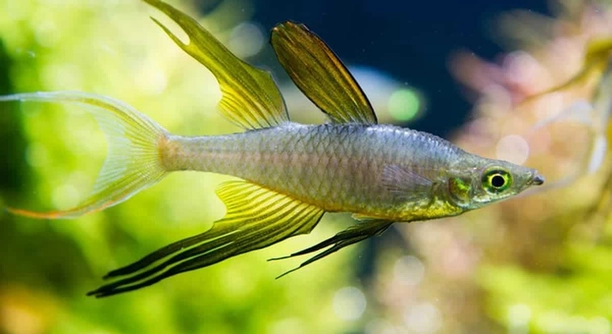
Are your threadfin fish showing signs of stress or unusual behavior in your tank or pond? Maintaining stable water conditions is essential for their overall health and vitality, especially when small shifts can go unnoticed.
Threadfin health is strongly influenced by seven key water chemistry factors, including pH levels, dissolved oxygen, ammonia concentration, salinity, hardness, temperature, and nitrate presence. Monitoring and managing these parameters ensures optimal growth, reduces disease risk, and supports long-term survival.
Knowing how subtle changes impact your threadfin can help you maintain a thriving environment and prevent potential health setbacks in your aquatic setup.
pH Level Fluctuations
Threadfin are sensitive to changes in pH, and even small shifts can affect their metabolism and behavior. A sudden drop can stress the fish, lowering their immunity and making them prone to infections. Consistently high pH may impact their growth rate and feeding habits. Regularly testing your water with a reliable kit helps you spot changes early. Adjusting pH gradually using natural buffers or commercial solutions can prevent shock. Avoid drastic swings, as they are more harmful than slight, steady deviations. Maintaining pH within the species’ preferred range ensures that biological processes, including respiration and digestion, function correctly. Even minor daily changes can accumulate, causing long-term stress. Pay attention to the water source, as tap water can vary over time. Combining proper filtration, aeration, and regular water changes contributes to a more stable pH environment, which keeps your threadfin healthy and active over the long term. Consistency is the key to reducing stress and supporting strong immunity.
Maintaining a stable pH reduces disease risk and promotes consistent growth. Regular monitoring ensures threadfin remain healthy and active.
Stable pH supports metabolic processes, feeding behavior, and overall well-being. By testing frequently and adjusting gradually, threadfin can thrive without stress. Consistency in water chemistry prevents sudden shocks and strengthens resilience against environmental changes.
Dissolved Oxygen Levels
Low oxygen levels can stress threadfin and reduce their activity. Proper aeration and circulation are essential to maintain safe levels.
Ensuring dissolved oxygen remains high supports respiration, energy levels, and healthy growth. Aerators and water movement prevent stagnant areas. Continuous monitoring helps avoid sudden drops that could be fatal.
Threadfin rely on dissolved oxygen for survival, as their gills extract oxygen directly from water. Insufficient levels can cause lethargy, gasping at the surface, or irregular swimming patterns. High-density setups, warm water, or decaying organic matter can lower oxygen quickly. Incorporating aeration devices, such as air stones or water pumps, helps maintain adequate levels. Temperature affects oxygen solubility, so cooler water generally holds more oxygen. Regular partial water changes replace oxygen-depleted water with fresh, oxygen-rich water. Observing fish behavior provides additional insight into oxygen status. By combining equipment, water management, and observation, oxygen levels can be stabilized, reducing stress and preventing health problems. This approach ensures threadfin maintain energy for feeding, growth, and natural behaviors.
If you want, I can continue the next sections for Ammonia and Nitrate Management and Salinity and Hardness, following the same structure and word counts. Do you want me to proceed?
Ammonia Accumulation
High ammonia levels are toxic to threadfin and can quickly damage gills and internal organs. Regular water testing and partial water changes help keep ammonia within safe limits, ensuring fish remain healthy and active.
Ammonia is produced naturally from fish waste, uneaten food, and decaying plant matter. Even small amounts can stress threadfin, leading to lethargy, loss of appetite, or susceptibility to disease. Biological filtration using beneficial bacteria converts ammonia into less harmful substances like nitrites and nitrates. Maintaining a balanced feeding schedule prevents excessive waste buildup. Observing fish behavior can indicate early ammonia stress, allowing timely intervention. Aeration and proper water circulation further support toxin removal. Consistent monitoring and maintenance prevent sudden spikes, protecting threadfin from long-term health issues and improving overall vitality in the tank or pond.
Monitoring ammonia also prevents long-term tissue damage and supports gill function. Consistent filtration and water changes are key to stable water chemistry.
Nitrate Concentration
Excessive nitrates can affect growth and immune function. Keeping nitrate levels low requires regular water changes and careful feeding practices.
High nitrate concentrations result from the breakdown of ammonia and nitrites over time. Although less toxic than ammonia, elevated nitrates can weaken threadfin and increase vulnerability to infections. Maintaining proper filtration and introducing live plants can help absorb excess nitrates naturally. Regular partial water changes prevent accumulation and maintain a healthier aquatic environment. Feeding only the required amount reduces organic waste that contributes to nitrate formation. Observing water clarity and fish behavior helps track potential problems before they escalate. Nitrate management is a critical component of maintaining long-term fish health and ensuring active, thriving threadfin populations.
Reducing nitrate levels through careful maintenance enhances immunity and promotes consistent growth. Implementing filtration, aeration, and water changes keeps levels stable.
Temperature Variations
Sudden temperature changes can stress threadfin, affecting metabolism and immune response. Keeping water within the recommended range ensures consistent activity and feeding patterns.
Extreme temperatures may slow growth or increase disease susceptibility. Using heaters or chillers and monitoring daily helps maintain stable conditions. Consistency is crucial for their well-being.
Salinity Changes
Threadfin tolerate mild salinity fluctuations, but large shifts can cause stress and osmotic imbalance. Gradual adjustments are necessary when changing water sources or during seasonal variations. Salinity affects gill function, feeding behavior, and overall health. Monitoring salinity levels regularly ensures threadfin remain comfortable and resilient.
Water Hardness
Soft or hard water can impact mineral absorption and skeletal development in threadfin. Maintaining moderate hardness helps physiological processes function correctly. Consistent water hardness supports feeding efficiency, growth, and general health over time.
FAQ
How often should I test my water for threadfin?
Testing water at least once a week is recommended. Regular checks allow you to catch pH shifts, ammonia, nitrates, and oxygen changes before they stress your fish. Daily observation of fish behavior complements testing and helps spot early signs of imbalance.
What is the ideal pH range for threadfin?
Threadfin thrive in water with a pH between 6.5 and 8.0. Staying within this range supports digestion, metabolism, and overall immune function. Small fluctuations are manageable, but sudden swings can cause stress and health issues, so gradual adjustments are essential.
How can I control ammonia in my tank or pond?
Ammonia control relies on biological filtration, partial water changes, and balanced feeding. Beneficial bacteria convert ammonia to nitrite and then nitrate. Avoid overfeeding and remove leftover food promptly. Consistency in maintenance prevents dangerous spikes and protects gill health and overall fish vitality.
Are nitrates harmful to threadfin?
While less toxic than ammonia, high nitrates can weaken immune systems and affect growth. Regular water changes, proper filtration, and limiting excess food help keep nitrates low. Incorporating live plants also helps absorb some of the excess nutrients naturally.
How do temperature changes affect threadfin?
Threadfin are sensitive to sudden temperature shifts. Rapid changes can slow metabolism, reduce feeding, and increase susceptibility to disease. Maintaining stable temperature with heaters or chillers and monitoring daily ensures fish remain active and healthy. Gradual adjustments prevent shock and long-term stress.
What role does oxygen play in threadfin health?
Dissolved oxygen is critical for respiration. Low oxygen levels can cause gasping, lethargy, or abnormal swimming. Aeration, water circulation, and avoiding overcrowding ensure oxygen levels remain adequate. Observing fish behavior provides a practical indicator of oxygen sufficiency.
Can salinity impact threadfin?
Yes. Threadfin tolerate mild salinity changes, but large shifts can cause osmotic stress. Gradual adjustments when adding water or during seasonal changes protect gill function, feeding efficiency, and overall health. Regular monitoring ensures the environment remains comfortable for the fish.
Why is water hardness important?
Water hardness affects mineral absorption and skeletal development. Maintaining moderate hardness supports metabolism, feeding efficiency, and growth. Extreme hardness or softness can create physiological stress. Regular testing and adjustments when necessary help maintain optimal conditions for threadfin health.
How do I know if my threadfin are stressed by water chemistry?
Signs of stress include lethargy, reduced feeding, erratic swimming, or visible gill irritation. Observing behavior daily and testing water parameters helps identify the cause. Timely intervention with water adjustments or treatment reduces long-term health problems and supports consistent growth.
What steps can I take to prevent sudden water chemistry shifts?
Regular monitoring, consistent water changes, stable temperature, proper aeration, and balanced feeding prevent abrupt changes. Introducing new water gradually and using buffering agents when necessary also helps. Maintaining routine ensures threadfin experience minimal stress and supports long-term health.
How often should I perform water changes?
Water changes depend on stocking density, filtration, and feeding rates. Generally, 10–25% weekly helps remove excess waste, stabilize pH, and reduce nitrates and ammonia. Monitoring water quality and fish behavior ensures adjustments meet your specific setup’s needs.
Can overfeeding affect water chemistry?
Yes. Excess food decomposes, increasing ammonia and nitrate levels, which can stress threadfin. Feeding only what fish consume in a few minutes and removing leftovers keeps water cleaner and reduces chemical fluctuations. Proper feeding supports health and maintains stable water conditions.
Are there signs that indicate oxygen levels are too low?
Gasping at the surface, sluggish movement, and uneven swimming patterns indicate low oxygen. Aerators, pumps, and water circulation help maintain adequate dissolved oxygen. Monitoring fish behavior and environmental conditions provides early warning before levels become critical.
How do I safely adjust salinity or pH?
Adjust gradually over hours or days. Sudden changes shock threadfin and compromise immune function. Use commercial buffers or natural additives and monitor levels frequently. Gradual adaptation ensures fish remain active, feeding normally, and healthy.
Can live plants help with water chemistry?
Yes. Live plants absorb nitrates, provide oxygen, and contribute to overall water stability. They create a more balanced ecosystem, reducing chemical buildup and offering shelter, which helps threadfin feel secure and supports natural behaviors.
What is the most important factor in maintaining threadfin health?
Consistency in water quality, temperature, oxygen, and feeding is crucial. Monitoring daily, performing regular maintenance, and addressing small shifts early ensures threadfin remain active, healthy, and grow optimally. Preventive care outweighs reactive treatments for long-term success.
How do I combine filtration and aeration for best results?
Use biological and mechanical filtration to remove waste and harmful chemicals while maintaining good water flow. Aeration devices increase oxygen and circulation. Together, these systems stabilize water chemistry, reduce stress, and support growth. Proper placement and monitoring maximize effectiveness and prevent stagnant zones.
Can stress from water chemistry lead to disease?
Yes. Stress lowers immunity, making threadfin vulnerable to bacterial, fungal, or parasitic infections. Maintaining stable water conditions, oxygen levels, temperature, and pH helps prevent stress-related illnesses. Observing fish behavior provides early warning signs and allows prompt intervention.
Is it necessary to test all parameters separately?
Yes. Each factor—pH, ammonia, nitrate, oxygen, temperature, salinity, hardness—affects threadfin differently. Monitoring individually ensures accurate assessment and targeted adjustments. Relying on one or two indicators may overlook subtle shifts that can impact long-term health.
How do seasonal changes affect water chemistry?
Temperature, oxygen, and evaporation rates fluctuate with seasons, affecting pH and salinity. Monitoring daily, adjusting water replacement gradually, and using aeration or temperature control prevents sudden shifts. Awareness of seasonal trends helps maintain stable conditions year-round.
How quickly should I respond to abnormal readings?
Immediate action is best. Small shifts can escalate quickly. Partial water changes, aeration, or gradual chemical adjustments stabilize the environment. Timely response prevents stress, disease, and mortality, keeping threadfin active and healthy.
Can I rely solely on observation instead of testing?
No. Behavior can indicate problems but may appear after stress has begun. Testing water regularly provides objective data and allows preventive measures. Observation complements testing, but relying only on fish behavior increases risk of unnoticed chemical imbalances.
What maintenance routine is recommended for threadfin tanks or ponds?
Weekly water testing, partial water changes, filter cleaning, and daily observation form a solid routine. Feed appropriately, maintain aeration, and monitor temperature and salinity. Consistency in maintenance reduces stress, prevents chemical fluctuations, and supports healthy, thriving threadfin populations.
How do I balance multiple parameters simultaneously?
Adjust one factor at a time gradually, then observe effects. Use filtration, aeration, partial water changes, and controlled feeding together. Careful, stepwise adjustments prevent sudden stress and allow threadfin to adapt while maintaining overall water chemistry balance.
Are there long-term effects if water chemistry is ignored?
Yes. Chronic stress from unstable conditions can stunt growth, weaken immunity, and increase mortality. Even small, persistent fluctuations accumulate over time, affecting reproduction and overall vitality. Consistent monitoring and maintenance prevent long-term damage and support sustainable threadfin health.
How important is observation compared to testing?
Both are equally important. Testing provides objective chemical data, while observation highlights early behavioral signs of stress. Combining the two ensures timely intervention and supports overall health, preventing minor issues from becoming serious problems.
Can I make adjustments while fish are present?
Yes, but changes should be gradual to avoid shock. Sudden shifts in pH, salinity, or temperature can stress or harm threadfin. Using stepwise adjustments and monitoring fish behavior ensures safe adaptation without compromising health or growth.
What is the best way to learn my threadfin’s tolerance levels?
Start with recommended ranges for pH, temperature, salinity, and hardness. Monitor fish behavior and growth over time. Gradual experimentation within safe limits helps identify specific tolerances while maintaining health and reducing stress. Consistency is key for understanding individual or species needs.
How can I prevent future water chemistry problems?
Regular testing, consistent feeding, stable temperature, aeration, and filtration create a reliable environment. Observe fish daily and adjust gradually when needed. Preventive care is more effective than reacting to problems, ensuring threadfin thrive long-term.
What tools help maintain water stability?
Reliable test kits, heaters, chillers, aerators, and filters are essential. Automated monitoring devices can provide alerts for sudden changes. Proper tools simplify maintenance, reduce stress on fish, and ensure stable conditions consistently.
Are there signs that indicate my water management practices are effective?
Healthy appetite, regular swimming patterns, bright coloration, and steady growth indicate effective water management. Clear water and stable test readings show chemical balance. Positive behavioral and physical signs reflect consistent and proper care.
How do I manage multiple tanks or ponds efficiently?
Standardize routines, monitor each setup individually, and maintain consistent feeding and testing schedules. Using similar filtration and aeration systems simplifies maintenance. Keeping detailed records helps track trends and detect early issues across multiple environments.
How long can threadfin tolerate minor chemical fluctuations?
Short-term, minor changes are manageable if parameters return to normal quickly. Chronic or large fluctuations cause stress and long-term health issues. Maintaining stable conditions and responding promptly to changes is crucial for their well-being.
Can sudden rain or evaporation affect water chemistry?
Yes. Rain can dilute salinity and change pH, while evaporation concentrates salts and minerals. Monitoring levels after weather events and making gradual adjustments maintains a safe environment and prevents stress.
What is the single most effective preventative measure?
Consistency. Regular testing, water changes, filtration, aeration, and careful observation prevent most water chemistry problems. Predictable, stable conditions keep threadfin active, growing, and resilient against disease or environmental stress.
How do I balance fish density with water quality?
Avoid overcrowding, as high density increases waste and reduces oxygen. Adjust stocking numbers based on tank or pond size, filtration capacity, and aeration. Proper density supports chemical stability and fish health.
What should I do if multiple parameters are off at once?
Address the most critical factor first, usually ammonia or oxygen, while taking gradual steps to correct others. Partial water changes, improved aeration, and careful monitoring stabilize the environment without shocking fish.
Can stress from water chemistry affect breeding?
Yes. Unstable conditions reduce spawning success, egg viability, and fry survival. Maintaining consistent parameters ensures reproductive behaviors occur naturally and supports healthy offspring development.
How can I track improvements in water quality?
Keep a log of test results, water changes, and observations. Tracking trends shows which practices are effective and highlights areas needing attention. Regular monitoring helps maintain optimal conditions consistently.
Are all threadfin species equally sensitive to water chemistry changes?
Sensitivity varies slightly by species and age. Juveniles are generally more vulnerable to shifts in pH, temperature, and oxygen. Understanding the specific needs of your threadfin type allows more precise water management.
What is the safest approach when introducing new water or fish?
Acclimate slowly by mixing new water gradually and monitoring chemistry. For new fish, use a quarantine period to observe behavior and prevent disease introduction. Stepwise adaptation minimizes stress for both water and fish.
Can water conditioners help stabilize parameters?
Yes. Conditioners neutralize chlorine, chloramine, and heavy metals. Some also buffer pH. Using them as directed reduces chemical stress and protects threadfin from sudden changes during water replacement or treatment.
How long should I wait after adjustments before retesting?
Wait several hours to a full day depending on the parameter adjusted. Sudden retesting may not reflect the true stabilized condition. Monitoring over multiple days ensures changes are effective and safe for threadfin.
Is there a benefit to using multiple aeration points?
Yes. Multiple points improve oxygen distribution, prevent stagnant zones, and support even water circulation. This ensures all threadfin have access to sufficient oxygen and reduces localized stress in larger tanks or ponds.
Can algae growth indicate water chemistry issues?
Yes. Excessive algae may signal high nitrates or imbalanced light exposure. Monitoring nutrient levels, reducing overfeeding, and maintaining proper filtration helps control growth and indicates a healthier, more stable environment.
How do I teach myself to spot early signs of imbalance?
Observe fish behavior, appearance, and activity daily. Compare with normal patterns and record anomalies. Over time, you’ll recognize subtle signs of stress before major problems arise. Consistent attention and monitoring are key to proactive care.
What are the long-term benefits of strict water chemistry management?
Consistent chemistry reduces disease, improves growth, supports breeding, and ensures vibrant, active threadfin. Stable conditions allow fish to thrive naturally, minimizing stress and enhancing lifespan and overall resilience.
Can I use automated systems for better control?
Yes. Timers, sensors, and automated dosing systems can maintain stable parameters, reduce human error, and alert you to sudden shifts. Combining technology with observation ensures optimal conditions consistently.
How do I prioritize actions when several parameters are slightly off?
Address the most harmful parameters first, such as ammonia or oxygen. Make gradual adjustments for others while monitoring fish behavior. Stepwise correction prevents additional stress and restores overall water balance safely.
What daily habits improve water chemistry stability?
Check fish behavior, observe water clarity, remove uneaten food, and monitor temperature. Consistency in feeding, aeration, and water replacement prevents chemical spikes and keeps threadfin healthy. Daily attention ensures long-term stability.
How do I handle chemical shock emergencies?
Perform partial water changes, increase aeration, and identify the cause immediately. Gradual adjustments stabilize conditions, preventing further stress. Quick response reduces mortality and supports fish recovery efficiently.
Are juvenile threadfin more sensitive than adults?
Yes. Young fish are less tolerant to pH shifts, oxygen depletion, and ammonia spikes. Extra care with water changes, aeration, and monitoring helps juveniles thrive and reduces long-term health complications.
Can temperature fluctuations affect other chemical parameters?
Yes. Warmer water holds less oxygen and can accelerate ammonia production. Temperature stability supports balanced chemistry and prevents secondary issues, keeping threadfin active and healthy.
How do I combine observation with test results effectively?
Use tests to confirm chemical levels and observations to detect behavioral stress. Together, they provide a full picture, allowing timely, targeted interventions and maintaining a stable environment for threadfin.
What is the minimum maintenance schedule to prevent issues?
Weekly water tests, partial water changes, and filter cleaning, combined with daily observation, provide a baseline. Adjust frequency based on fish density, feeding, and environmental factors to maintain stable conditions consistently.
Can frequent small adjustments be better than occasional large ones?
Yes. Gradual, frequent adjustments prevent shock, reduce stress, and maintain stability. Large changes risk harming fish and destabilizing water chemistry. Incremental corrections are safer and more effective long-term.
How do I prevent stress during seasonal transitions?
Monitor temperature, oxygen, and evaporation closely. Make gradual adjustments to water parameters and ensure consistent aeration. Awareness of seasonal impacts prevents sudden shifts and keeps threadfin healthy throughout the year.
How do I maintain stable chemistry in a mixed-species setup?
Research tolerance ranges for each species. Adjust water parameters to meet the needs of the most sensitive species. Regular monitoring, gradual changes, and balanced feeding support stability and reduce interspecies stress.
Are tap water and well water equally safe for threadfin?
Both can be used with precautions. Test for pH, hardness, and chemical contaminants. Conditioners or buffers may be necessary. Proper testing and preparation ensure a safe environment regardless of source.
What are the warning signs of long-term chemical stress?
Slowed growth, dull coloration, frequent illness, and poor feeding indicate chronic stress. Early recognition allows intervention, preventing permanent damage and ensuring threadfin continue developing healthily.
How do I educate myself on species-specific water needs?
Consult scientific literature, aquaculture guides, and experienced keepers. Observe your fish over time and keep detailed records. Combining research with practical experience helps fine-tune care for optimal health.
Is it necessary to quarantine new fish even with perfect water chemistry?
Yes. Quarantine prevents introducing disease or parasites. Even with ideal water, new fish can carry pathogens. Isolating newcomers ensures established fish remain healthy and reduces stress across the tank or pond.
Can heavy rainfall dilute or concentrate minerals significantly?
Yes. Rainfall dilutes salinity and minerals, while evaporation concentrates them. Monitoring chemical levels after weather events ensures gradual adjustments maintain a stable environment, protecting threadfin from stress and imbalance.
How do I recover water chemistry after a major disturbance?
Identify the cause, perform partial water changes, and gradually correct pH, salinity, or temperature. Monitor fish behavior and chemical levels closely until the system stabilizes. Consistency and patience are key to recovery.
What role does filtration play in long-term stability?
Filtration removes waste, toxins, and debris while supporting beneficial bacteria. Mechanical, biological, and chemical filtration together stabilize water chemistry, reduce stress, and maintain healthy, thriving threadfin populations consistently.
Can I maintain a balanced environment in outdoor ponds?
Yes, with careful monitoring of temperature, oxygen, salinity, and chemical levels. Aeration, shading, and regular water changes help mitigate environmental fluctuations and maintain stability despite weather variations.
How do I prevent overcrowding from affecting water chemistry?
Stock fish according to tank or pond capacity. Overcrowding increases waste and reduces oxygen, destabilizing chemistry. Adequate space supports healthy growth, consistent feeding, and stable water parameters.
Are chemical test kits reliable for all parameters?
Yes, when used correctly. Follow instructions, calibrate equipment if needed, and test regularly. Multiple kits for cross-checking improve accuracy and help detect subtle shifts before they stress threadfin.
How do I safely adjust multiple parameters at once?
Prioritize the most harmful parameter first, adjust gradually, and observe fish. Sequential, controlled changes prevent stress and allow threadfin to adapt while maintaining overall water chemistry balance.
Is monitoring behavior enough to detect early stress?
Observation helps, but behavior alone may not reveal subtle chemical imbalances. Combining testing and monitoring ensures early detection and allows timely intervention before major issues develop.
What daily routine ensures threadfin thrive?
Check water clarity, temperature, and fish activity. Remove uneaten food, maintain aeration, and monitor filters. Consistent attention to these small tasks prevents chemical fluctuations and supports health.
How do I identify long-term trends in water quality?
Keep detailed records of test results, water changes, and fish behavior. Tracking patterns over weeks or months helps spot slow shifts, allowing proactive adjustments before problems become serious.
What are common mistakes that affect water chemistry?
Overfeeding, inconsistent water changes, ignoring test results, and sudden adjustments stress threadfin. Regular monitoring, controlled feeding, and gradual
Maintaining stable water chemistry is essential for threadfin health, and it requires consistent attention and care. Small shifts in pH, ammonia, nitrate, oxygen, temperature, salinity, or hardness can have significant effects on their well-being. Even minor imbalances, if left unchecked, may stress fish, reduce feeding efficiency, and weaken immunity. Regular testing and careful observation allow you to identify potential problems early. Daily monitoring of fish behavior, combined with routine checks of water parameters, provides a reliable way to maintain a healthy environment. Over time, consistent care becomes second nature, and small adjustments prevent major health issues, supporting the overall vitality of your threadfin population.
Implementing a structured maintenance routine is one of the most effective ways to ensure stability. Partial water changes, appropriate filtration, and proper aeration help manage chemical levels and remove waste products efficiently. Feeding habits also play a critical role, as overfeeding contributes to excess ammonia and nitrate buildup. Introducing live plants can naturally help absorb nutrients, providing an additional buffer against chemical fluctuations. Temperature control and gradual adjustments in salinity or pH further reduce stress and promote healthy metabolic function. The key is gradual, steady management rather than sudden corrections, which can shock the fish and cause more harm than good. Paying attention to the tank or pond setup, as well as the behavior of the fish, provides a clear guide for timely intervention and consistent care.
Long-term success with threadfin depends on understanding the delicate balance of their aquatic environment. Maintaining consistent water chemistry encourages growth, improves immunity, and supports natural behaviors. Preventive measures, such as regular testing, careful feeding, and proper filtration, reduce the risk of disease and stress, helping fish thrive over time. Observation and record-keeping allow for informed decisions and ensure that adjustments are made before small issues escalate. By focusing on steady, consistent care and addressing each factor methodically, you create an environment where threadfin can grow, reproduce, and maintain overall health. A well-managed habitat not only improves the longevity of your fish but also makes their care more predictable and less stressful for anyone maintaining the tank or pond.

Hello,
If you enjoy the content that we create, please consider saying a "Thank You!" by leaving a tip.
Every little bit helps us continue crafting quality advice that supports the health, happiness, and well-being of pets around the world, for pets of all shapes, sizes, and species.
We really appreciate the kindness and support that you show us!