
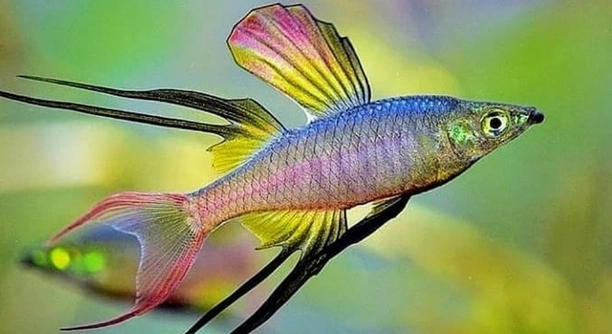
Threadfins are graceful fish often admired for their shimmering fins and gentle movements in freshwater and coastal waters. Observing their daily habits can be surprisingly relaxing. Their choice of resting spots can reveal much about their behavior.
Threadfins generally prefer to sleep near plants rather than in bare areas. Vegetation provides shelter from predators, reduces stress, and allows them to conserve energy. Bare areas lack protection, making them less favorable for resting and safety.
Learning about their preferences can help create a safer, more comfortable habitat for these fish in aquariums or natural settings. Paying attention to their resting choices supports healthier, happier threadfins overall.
Why Threadfins Choose Plants
Threadfins naturally seek shelter near plants because it gives them a sense of security. In the wild, these fish often rest among reeds or submerged vegetation, which protects them from larger predators and sudden changes in water currents. Plants also create shaded areas that reduce stress and provide a more comfortable resting environment. I have noticed that threadfins in my own tank seem calmer when tall plants are nearby. The gentle movement of the leaves offers subtle cover and mimics the conditions they would experience in their natural habitat. Without these plants, threadfins may appear restless, moving frequently across the tank or hiding behind decorations. Adding a variety of plants encourages natural behaviors like foraging and small territorial movements. Dense, leafy plants are particularly favored because they offer both overhead cover and side protection, helping threadfins feel completely enclosed while resting. This behavior shows that their preference isn’t random but rooted in instinctive survival strategies.
Plants act as both shelter and comfort zones, giving threadfins safe places to sleep and rest.
Including plants in a tank not only meets their instinctual needs but also improves overall water quality. Plants absorb excess nutrients, reducing algae growth, and provide oxygenation that benefits all aquatic life. Watching threadfins interact with plants reveals patterns in how they rest, feed, and explore. Some fish wedge themselves partially within stems, while others hover near floating leaves, signaling a preference for layered cover. The density, height, and type of plants can change how they use the space. In tanks without sufficient plant cover, fish may cluster in corners or behind artificial decorations, showing signs of stress. Observing these behaviors helps guide better tank design, ensuring that each fish has enough space to express natural habits. Plants also support small invertebrates that threadfins may eat, subtly enhancing diet and activity. Choosing native or compatible plant species makes maintenance easier and reduces the chance of chemical imbalances. Overall, including the right plants is a simple, effective way to create an environment where threadfins can rest safely and thrive.
Risks of Bare Sleeping Areas
Threadfins in open spaces feel more exposed to predators and sudden changes in environment.
Sleeping in bare areas increases stress levels and lowers their ability to rest properly. Without cover, threadfins are more likely to dart around, potentially injuring themselves or other fish. Over time, lack of safe resting zones can reduce immunity and overall health. In home tanks, bare spots may seem clean and simple, but they fail to meet the fish’s instinctual needs. Even minimal plant placement can dramatically reduce stress behaviors. Fish may also exhibit less natural movement, spending more time stationary in unsafe areas. Observing threadfins in bare tanks shows frequent scanning of surroundings and hesitant movements, clear signs that they do not feel secure. Strategically adding plants or hiding spots not only improves comfort but encourages natural, calm behavior. By carefully considering tank layout and plant density, threadfins gain a habitat that supports proper rest, stress reduction, and general well-being over long periods.
Plant Density and Threadfin Behavior
Higher plant density makes threadfins feel secure and less stressed. Fish are more likely to rest, swim slowly, and explore when surrounded by enough vegetation. Sparse plants can cause them to hide in tank corners or move nervously.
Dense plants create multiple layers of cover, allowing threadfins to choose resting spots that feel safest. They often select areas with tall stems or broad leaves, which mimic the protection found in natural habitats. In my tank, threadfins immediately gravitate to clusters of plants rather than open spaces, even during feeding times. This preference shows that plant density directly influences calm behavior and daily routines, not just sleep patterns.
In tanks with uneven plant distribution, threadfins may adjust their positions constantly, searching for comfortable resting spots. Uneven cover can lead to competition among fish for the safest zones, sometimes causing stress or minor conflicts. By arranging plants thoughtfully, each fish can find its preferred resting area, reducing tension. Providing both tall and low plants helps accommodate different personalities and sizes, ensuring all threadfins have access to protective spaces. Observing their choices can guide adjustments to plant placement, promoting overall health and natural behavior.
Choosing the Right Plant Types
Threadfins respond well to soft-leaved and flexible plants that do not obstruct swimming paths.
Soft plants like hornwort or floating species provide gentle cover without sharp edges, allowing threadfins to move freely. Stiff or spiky plants may injure fins or limit natural movement, discouraging fish from resting nearby. When selecting plants, consider growth patterns, height, and placement to ensure consistent shelter. Floating plants create shaded zones and reduce light intensity, which threadfins prefer during rest periods. In my experience, threadfins quickly explore new plant types and settle near the most comfortable ones, showing clear preferences. The combination of dense, flexible plants and open swimming lanes supports both activity and rest.
Adding a variety of plants benefits more than just comfort. It encourages natural behaviors such as hiding, foraging, and occasional territorial displays. By mixing tall stems, mid-height clusters, and floating species, the tank mirrors natural habitats more closely. This variety reduces stress, minimizes aggression, and ensures all fish have options for resting and safety. Placement is key: avoid overcrowding open swimming areas while providing enough coverage for each threadfin. Consistent care, pruning, and monitoring growth help maintain this balance. Over time, plants become part of the fish’s routine, offering reliable shelter and promoting long-term health and well-being.
Timing of Rest
Threadfins usually rest during dimmer light periods, preferring early morning or late evening. Plants provide shaded spots that help them feel secure, making these times more comfortable for relaxation.
Resting patterns may shift slightly in aquariums, but having consistent cover encourages predictable, calm behavior. Fish tend to return to the same plant clusters repeatedly.
Impact of Water Movement
Strong currents can discourage threadfins from resting in certain areas. They prefer gentle flows near plants where movement is reduced, allowing them to conserve energy while staying alert. Vegetation breaks up water flow, creating calmer pockets that support natural resting habits.
Plant Placement Tips
Place taller plants toward the back or corners of the tank to provide safe zones without blocking open swimming areas. This arrangement gives threadfins both protection and space to move freely.
Observing Threadfin Preferences
Threadfins often choose plants based on density, height, and leaf type. By paying attention to these choices, you can adjust tank setup to better suit their comfort and natural instincts.
FAQ
Do threadfins always prefer plants to bare areas?
Threadfins generally favor areas with plants over bare spots. Plants offer protection from predators, create shaded resting zones, and reduce stress. In tanks or natural habitats, fish without plants often move nervously or hide in corners, showing that their preference is consistent and instinctive.
What types of plants are best for threadfins?
Soft-leaved and flexible plants like hornwort, anacharis, or floating species are ideal. These plants provide cover without sharp edges that could damage fins. Tall plants create overhead protection, while shorter clusters allow side cover. A mix of heights and densities works best to mimic natural habitats.
How dense should plant coverage be?
Threadfins feel safest with moderate to high density. Clusters of plants with space for swimming let fish choose their resting spot without feeling crowded. Sparse placement leaves open areas that increase stress, while overly dense arrangements can limit movement and reduce comfort.
Can threadfins rest in bare areas at all?
Yes, they can, but bare areas are less preferred. Fish may use open spots temporarily if no better cover is available. In these conditions, they remain alert and may dart quickly if disturbed, which can disrupt rest and increase stress.
Does plant type affect fish behavior beyond resting?
Absolutely. Plants influence feeding, exploration, and social interactions. Threadfins often forage around leaves and stems and may use dense vegetation to establish small territories. Flexible and non-obstructive plants encourage natural swimming patterns, whereas stiff or spiky plants can create hesitation and limit movement.
How does light affect resting near plants?
Threadfins prefer dimmer light when resting. Plants create shaded areas, helping fish feel secure. Bright or direct light over open areas can make fish uneasy, leading them to seek plant-covered zones. Floating plants are especially effective at softening tank lighting for calmer behavior.
Is plant maintenance important for resting habits?
Yes. Overgrown or decaying plants can reduce usable space and water quality, stressing threadfins. Regular pruning and cleaning keep plants healthy, maintain proper coverage, and ensure safe resting spots. Observing which plants are most used can guide maintenance decisions.
Do threadfins share resting areas?
They often share plant-covered areas, but fish may show slight territorial tendencies depending on density and individual temperament. Adequate plant coverage ensures each fish has access to safe spots without forcing competition or stress. Watching behavior helps adjust placement to suit all fish.
Can artificial plants be used instead of live plants?
Artificial plants can provide cover, but they don’t improve water quality or support microfauna. Fish may use them similarly for resting if soft and flexible. Choosing smooth, safe materials is important to prevent fin damage while offering protection.
Do threadfins change resting spots frequently?
They may shift positions based on plant type, density, or water conditions. Calm, predictable environments with varied plant options encourage consistent resting behavior. Observing their choices reveals preferences and helps optimize tank setup for safety and comfort.
How can I encourage threadfins to use plants more?
Ensure plants are dense, varied in height, and flexible. Provide gentle water flow, shaded areas, and open swimming spaces. Gradually adding plants and observing fish behavior helps them settle into preferred resting spots naturally, reducing stress and promoting healthier routines.
Can inadequate plant cover affect health?
Yes. Lack of sufficient cover can cause stress, restless behavior, and increased susceptibility to disease. Threadfins require safe zones to rest properly. Providing dense, comfortable plant areas supports immunity, reduces tension, and contributes to long-term well-being.
Are floating plants better than rooted plants for resting?
Floating plants offer overhead shade, which many threadfins favor during rest. Rooted plants provide side and bottom cover. A combination of both types creates layered protection, giving fish options for resting and maintaining natural behavior patterns.
Does water temperature impact plant choice for resting?
Water temperature affects both plant growth and fish comfort. Some plants may wilt or grow slowly in unsuitable temperatures, reducing cover. Selecting plants compatible with your tank’s temperature ensures threadfins have reliable resting zones throughout the year.
Can plants help reduce aggression in threadfins?
Yes. Dense and varied plant coverage allows fish to spread out, reducing direct competition. Fish can retreat to preferred spots without conflict, which helps maintain a calm tank environment and supports more natural, stress-free behavior.
How long do threadfins rest near plants each day?
Rest duration varies, but most threadfins take multiple short rests during dim light periods. Providing consistent plant cover encourages longer, uninterrupted resting sessions. Observation helps determine patterns and whether the environment meets their comfort needs.
Are there signs a threadfin is not comfortable resting?
Frequent darting, hiding in tank corners, or avoiding plant-covered zones indicates discomfort. Stress signs may include clamped fins, reduced appetite, or erratic swimming. Adjusting plant density, type, and placement can improve comfort and encourage proper resting behavior.
Do juvenile and adult threadfins prefer different plant setups?
Juveniles may need denser, lower plants for security, while adults often favor taller or mid-height clusters. Providing a mix accommodates all sizes and stages, supporting natural behavior and ensuring that every fish has a safe resting spot.
Can plants improve sleep quality in threadfins?
Yes. Proper plant cover reduces stress, allows energy conservation, and encourages natural rest patterns. Fish with good shelter show calmer movements, regular activity cycles, and healthier overall behavior, reflecting improved sleep and well-being.
How often should plant placement be adjusted?
Adjust placement only when necessary, such as after growth changes or observing fish behavior. Frequent changes can stress threadfins. Minor adjustments to maintain coverage, balance density, and optimize swimming paths help fish feel secure without disturbing routines.
Can plants alone create a suitable resting habitat?
Plants are essential but should be combined with gentle water flow, proper lighting, and sufficient space. Together, these factors ensure threadfins feel safe, maintain natural behaviors, and rest effectively, promoting long-term health and comfort.
Are there any signs that a plant is unsuitable for resting?
Sharp edges, stiff stems, or overcrowding indicate a plant may be unsuitable. Fish may avoid these areas or injure fins. Choosing soft, flexible, and well-spaced plants ensures safe and appealing resting zones for threadfins.
Does plant arrangement affect social behavior?
Yes. Thoughtful arrangement reduces competition and allows fish to choose preferred spots. Layered, distributed plants let multiple threadfins coexist peacefully, promoting calm interactions and natural behavior patterns while minimizing stress.
How long do plants take to establish as safe resting spots?
Once healthy and properly placed, plants can become suitable resting zones within days to weeks. Threadfins gradually explore and settle, often showing preference for certain clusters. Observation helps confirm which plants are most effective for rest and comfort.
Can seasonal changes affect resting near plants?
Yes. Seasonal shifts in light, temperature, or plant growth can alter coverage and shade. Monitoring conditions and adjusting plant density or placement ensures threadfins maintain secure and comfortable resting areas throughout the year.
What are the most common mistakes with plant placement?
Placing plants too sparsely, overcrowding, or using sharp species are common errors. These choices increase stress, limit movement, or cause injury. Observing fish behavior and adjusting carefully helps create optimal resting conditions while preserving open swimming space.
Do threadfins prefer any specific part of a plant?
They often rest near bases, under broad leaves, or between stems where cover is highest. Floating plants offer shade from above. Fish select spots that provide maximum protection while allowing quick escape if needed.
How do I monitor if plants are effectively supporting resting behavior?
Watch for calm swimming, repeated use of plant-covered areas, and reduced stress behaviors. Fish returning consistently to certain plants indicate effective coverage. Adjust density, height, or location if fish avoid areas or appear anxious.
Are live plants better than artificial for resting quality?
Live plants provide additional benefits like water quality improvement, oxygenation, and small invertebrates that can enhance exploration. Threadfins may use artificial plants similarly, but live plants contribute to a healthier, more natural resting environment over time.
Can plants affect feeding behavior as well as resting?
Yes. Plants provide hiding spots for food and encourage natural foraging. Fish resting nearby may feel secure enough to feed regularly. Well-placed plants balance both resting and feeding, supporting healthier routines.
Do all threadfins respond the same way to plants?
Individual temperament affects preferences. Some fish are more cautious, choosing dense cover, while others explore more openly. Providing variety ensures each fish can find suitable resting and hiding spots, promoting overall well-being.
How does water clarity interact with plant use for resting?
Clear water exposes fish in bare areas, increasing stress. Plants provide visual barriers, giving threadfins a sense of safety. Cloudy or overly filtered tanks may require additional coverage to maintain comfort.
Can plants reduce nighttime disturbances?
Yes. Dense plant cover reduces movement from other fish or water currents, allowing threadfins to rest more peacefully. Fish are less likely to be startled in shaded, protected zones, improving sleep quality and reducing stress.
Should plants be grouped or scattered for resting purposes?
Grouping plants creates clear safe zones, while scattering provides multiple smaller options. A balance of clusters and scattered plants helps accommodate different fish personalities and sizes, ensuring everyone has access to comfortable resting spots.
Do threadfins interact with plants differently during feeding and resting?
Yes. During feeding, they may explore leaves and stems for small prey. During resting, they remain mostly still near cover. Observing these behaviors helps distinguish which plants are serving each purpose effectively.
How important is substrate under plants for resting?
A soft substrate under plants makes resting more comfortable. Threadfins often hover just above or slightly within the substrate near stems, so smooth sand or fine gravel supports natural positioning and reduces stress or injury.
Can plant decay affect resting behavior?
Decaying plants may release chemicals, reduce oxygen, and create unsafe areas. Threadfins may avoid these spots, reducing usable resting zones. Regular maintenance keeps plants healthy and ensures continuous, safe coverage.
Do seasonal plant growth patterns influence resting locations?
Yes. Fast-growing plants may provide more cover over time, while slow growers may leave open areas temporarily. Monitoring growth ensures threadfins always have suitable resting spots throughout seasonal changes.
Are there signs that a tank is too open for threadfins?
Frequent darting, hovering near walls, or clustering in minimal cover indicates the tank is too exposed. Adding plants or rearranging existing ones increases security and encourages calm resting behavior.
Can multiple types of plants improve resting quality?
Yes. Combining tall, medium, and floating plants creates layered coverage, giving threadfins options for shade, side protection, and vertical space. Diversity encourages natural selection of preferred spots and supports a healthier, more relaxed environment.
How do I know if my threadfins are comfortable with current plant coverage?
Calm swimming, consistent use of plants, regular feeding, and normal social interactions indicate comfort. Avoidance, restlessness, or clamped fins suggest adjustments are needed in plant density, placement, or type to improve security and rest quality.
Can plant arrangement affect overall tank harmony?
Yes. Proper placement reduces territorial disputes, minimizes stress, and ensures that all threadfins have access to safe resting zones. Balanced plant distribution supports both social stability and natural behavior throughout the tank.
What are the main benefits of observing threadfin resting behavior near plants?
Observing resting behavior helps optimize plant selection, placement, and density. It provides insight into stress levels, health, and natural habits. Adjustments based on these observations promote well-being, calm behavior, and healthier growth for all fish in the tank.
Does plant flexibility matter for threadfin comfort?
Yes. Flexible leaves and stems prevent injury and allow gentle movement around the fish. Rigid plants can restrict movement or cause stress, making flexible species preferable for creating secure, comfortable resting zones.
Are floating plants more useful in smaller or larger tanks?
Floating plants benefit both but are particularly helpful in smaller tanks where overhead cover is limited. They create shaded areas, soften light, and allow threadfins to rest safely without overcrowding the swimming area.
Can plants influence breeding behavior while also supporting rest?
Yes. Plants provide secure zones for resting and hiding, which can reduce stress and encourage natural breeding behaviors. Fish feel safer and more comfortable when sufficient plant coverage is available, improving overall reproductive health.
How do I balance open space and plant coverage for threadfins?
Maintain clusters of plants while leaving clear swimming paths. Ensure tall and low plants are placed to provide safety without restricting movement. Observation of fish behavior helps fine-tune the balance for optimal comfort and natural activity patterns.
Do live plants require additional care to maintain resting quality?
Yes. Regular pruning, cleaning, and monitoring water parameters keep live plants healthy and maintain dense, usable cover. Healthy plants ensure threadfins continue to benefit from safe resting spots while supporting overall tank balance.
Can plant placement reduce stress from tank mates?
Yes. Layered and distributed plants provide hiding spots and separation, reducing conflicts between fish. Threadfins can retreat when needed, promoting calmer behavior and reducing aggression in a mixed-species or multi-fish tank environment.
How do I know if artificial plants are suitable for resting?
Check for soft, flexible leaves and smooth stems. Fish should freely move around without risk of injury. Avoid sharp or brittle materials that could damage fins or discourage use as resting spots. Proper placement and spacing are essential for comfort.
Do threadfins prefer specific water depths near plants?
Threadfins often choose moderate depths near plant bases or floating leaves. This provides protection from overhead threats while allowing easy access to swimming areas. Observing preferences helps determine optimal plant height and placement.
How do seasonal changes in lighting affect plant usefulness for resting?
Brighter light or longer days can make open areas uncomfortable. Floating or tall plants provide consistent shaded zones, helping threadfins rest regardless of seasonal light variations. Adjusting plant density can maintain comfort throughout the year.
Is it better to gradually introduce plants or add all at once?
Gradual introduction allows fish to explore and settle without stress. Sudden changes can cause avoidance or nervous behavior. Introducing plants in stages lets threadfins adjust to new cover and select preferred resting spots naturally.
Can plants improve mental stimulation as well as resting quality?
Yes. Plants provide hiding spots, obstacles, and visual interest. Fish engage in natural exploration, foraging, and movement patterns, which reduces boredom while supporting safe resting behavior. Observing interactions helps ensure plants meet both physical and behavioral needs.
Are some plant layouts better for multiple threadfins?
Yes. Layered arrangements with clusters and scattered spots allow fish to rest without conflict. Adequate spacing ensures each fish can find a safe zone, reducing stress and promoting social harmony.
How do I monitor long-term plant effectiveness for resting?
Regular observation of resting locations, behavior patterns, and stress indicators helps evaluate effectiveness. Healthy growth, repeated use, and calm behavior indicate plants are providing suitable resting environments. Adjustments can be made if avoidance or stress appears.
Can plant decay or algae growth reduce resting comfort?
Yes. Decay can release harmful substances, and algae can limit usable space. Both may make resting areas unattractive or unsafe. Routine maintenance ensures plants remain safe and supportive for threadfin resting behavior.
Do threadfins use plants differently when new to a tank?
New threadfins may explore cautiously and choose dense cover first. Over time, they become more familiar and may use a wider range of plant-covered areas. Observing initial choices guides placement for comfort and security.
Are there signs that plant placement is optimal?
Threadfins consistently return to clusters, rest calmly, and move naturally without stress. Multiple safe options, minimal conflict, and balanced coverage indicate optimal placement supporting both resting and regular activity.
How often should I adjust plant coverage as fish grow?
Adjust periodically to accommodate growth, changing behavior, or increased activity levels. Maintaining safe, comfortable resting zones ensures threadfins continue to benefit as their size and habits evolve.
Does plant height influence resting comfort?
Yes. Taller plants provide overhead cover and security, while medium and low plants offer side protection. A combination ensures fish have layered options for safe, comfortable resting.
Can plants help prevent stress-related illnesses?
Yes. Reduced stress from adequate cover supports immunity and overall health. Threadfins resting in safe, plant-covered areas are less prone to disease and more likely to maintain normal feeding and activity patterns.
Do threadfins prefer certain plant colors or textures?
They generally favor natural greens and softer textures. Bright or rigid plants may cause hesitation. Observing fish preferences helps select species that maximize comfort and encourage consistent use.
Can plants support nocturnal resting patterns?
Yes. Shaded areas and dense clusters provide security during low-light periods. Fish are more likely to rest quietly at night when plants create safe, dimly lit zones.
How do I ensure all fish have access to resting spots?
Distribute clusters across the tank and mix tall, medium, and floating plants. This provides multiple safe zones, preventing competition and allowing each threadfin to choose a preferred spot without stress.
Are some plant arrangements better for aquascaping and fish comfort?
Yes. Balanced designs with layered coverage, open swimming paths, and strategic hiding spots support both aesthetic appeal and fish comfort. Observing usage ensures the layout meets behavioral and resting needs.
Do seasonal or temperature changes require plant adjustments?
Yes. Changes in light, growth rates, or water temperature can affect cover and comfort. Adjusting placement, density, or plant type maintains secure resting zones year-round.
Can plants influence social hierarchy during resting?
Yes. Adequate plant coverage allows fish to avoid conflict, reducing dominance struggles. Fish can retreat to preferred zones, promoting calmer behavior and equitable access to resting areas.
Do floating and rooted plants serve different resting needs?
Floating plants provide overhead shade, while rooted plants create side and bottom cover. Using both types creates layered security, supporting natural preferences and safer resting behavior for threadfins.
How do I know if my tank lacks sufficient plant coverage?
Signs include restlessness, hiding in corners, or constant scanning of open areas. Adding or rearranging plants improves comfort and encourages natural resting behavior.
Are live plants always better than artificial for threadfin health?
Live plants provide added benefits like oxygenation, nutrient absorption, and microfauna. While artificial plants can provide cover, live plants support both physical and behavioral health over time.
How do I maintain a balance between resting areas and swimming space?
Place clusters strategically, leaving open lanes for movement. Tall, mid-height, and floating plants should complement open areas, allowing natural swimming and resting without overcrowding.
Can plants help threadfins recover from stress or illness?
Yes. Dense and safe plant zones give fish areas to rest quietly, reducing
Threadfins are naturally drawn to areas with plants because they feel safer and more comfortable there. In both natural habitats and home tanks, vegetation provides shade, protection, and a sense of security that bare areas cannot offer. Observing their behavior shows that they use plants for resting, hiding, and occasionally for social interactions. The presence of tall, soft, and flexible plants allows them to settle down without feeling exposed. When plants are sparse or missing, threadfins often appear restless, moving frequently across the tank or hovering near corners, indicating a lack of comfort. This preference is consistent across individuals and sizes, showing that plant cover is an important factor in their well-being. Including a variety of plant types and densities ensures that each fish can find a spot that suits its personal needs, whether it prefers overhead cover, side protection, or a combination of both.
Proper plant placement is essential to create a healthy and functional environment for threadfins. Clustering taller plants toward the back or corners while maintaining open swimming lanes allows fish to move freely without feeling threatened. Medium-height and floating plants can create shaded zones and layered cover, giving multiple resting options. Overcrowding or using stiff, sharp plants can cause stress and discourage use of the area, while sparse plant arrangements fail to provide sufficient security. Observing which plants the fish favor helps identify the most effective placement and density for comfort. Additionally, maintaining healthy plants through regular pruning and care ensures that the resting areas remain safe and usable over time. When plants are well-chosen and properly arranged, threadfins demonstrate calmer movements, reduced stress, and consistent use of their resting spots, reflecting improved overall health and behavior.
Providing the right plant environment benefits more than just resting habits. Plants influence feeding, exploration, and social interactions by creating hiding spots, foraging areas, and zones for temporary territorial behavior. Dense, flexible vegetation encourages natural movement patterns and allows threadfins to exhibit instinctive behaviors, which contributes to physical and mental well-being. Floating and rooted plants together create layered protection, offering security from above, the sides, and the bottom. Adequate plant cover also reduces aggression by allowing fish to retreat and avoid conflicts with tank mates. Monitoring fish behavior and making gradual adjustments to plant type, density, and placement ensures that the habitat continues to meet the needs of the threadfins as they grow and develop. Overall, plants are essential for creating a safe, comfortable, and stimulating environment, supporting both the health and natural behavior of threadfins in any setting.

Hello,
If you enjoy the content that we create, please consider saying a "Thank You!" by leaving a tip.
Every little bit helps us continue crafting quality advice that supports the health, happiness, and well-being of pets around the world, for pets of all shapes, sizes, and species.
We really appreciate the kindness and support that you show us!